
 Worksheets
STATES OF MATTER
Total questions: 135
Worksheet time: 3hrs 34mins
What state of matter are the particles moving the fastest and are farthest apart?
Solid
Liquid
Gas
In this state of matter the particles are "tightly packed" together and don't move
Liquid
Solid
Gas
This state of matter the particles "slip past" each other and take the shape of it's container
Solid
Gas
Liquid
This is the only state of matter that has a "Definite Shape"
Liquids
Solids
Gases
Which one is not considered precipitation?
Sleet
Rain
Snow
Fog
Water forming on the bathroom mirror after taking a shower is considered what? (Gas to a Liquid)
Evaporation
Precipitation
Condensation
Infiltration
In order to get water in a solid form (Ice) to melt into a liquid (Water) what must be added to it?
Matter
Cold
Heat
Cheese
In order for liquid (water) to turn into a solid (Ice) what must happen?
Heat must be added
Heat must be taken away
Nothing it will happen all on its own
Gas to a liquid is called?
Evaporation
Precipitation
Condensation
When heat is taken away from particles what happens
They speed up
They slow down
No Change
In Nature what makes water evaporate?
Sky
Clouds
Sun
Wind
When heat is added to particles what happens?
They move quickly
They slow down
No Change
Matter is
Anything that has volume
Anything that has mass
Anything that has mass and volume

What state of matter does the picture below represent?
solid
liquid
gas
plasma
What is a Solid?
Matter that has a fixed shape and size.
Matter that has a fixed size and no fixed shape
Matter that has no fixed shape or size
Matter that has no fixed shape and size
The state of matter that keeps its shape and volume when it is placed in a different container is called ______.
gas
liquid
solid
Which state of matter has its own shape
Gas
Solid
LIquid

The diagram shows arrangement of particles in a
Solid
Liquid
Gas

The particles in the picture are tightly held together with very tiny movement. They have shape and fixed volume. Therefore, the picture represents _________.
solid
liquid
gas
plasma
In which state of matter will there be the LARGEST space between molecules?
Solid
Liquid
Gas
The measure of how much space something takes up is ______.
matter
mass
volume
density

What state is represented in the gif?
Solid
Liquid
Gas
An object going from a solid to a liquid is
sublimation
deposition
freezing
melting

What state of matter is represented in this picture?
solid
liquid
gas

What state of matter is represented in the picture above?
solid
liquid
gas
Which state of matter do the particles slip and slide past each other?
solid
liquid
gas
State of matter with a definite volume, but no definite shape.
solid
liquid
gas
State of matter with a definite shape and definite volume.
solid
liquid
gas
1. Here are some examples of liquids, except ….


3. Here are the three states of matter, except ….
light
solid
liquid
gas
4. I put some water in the freezer. The water freezes.
The changing state is from liquid to ….
gas
light
solid
liquid


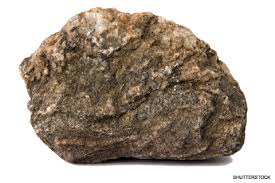
6. State of matter which can be compressed is ….
liquid
gas
solid
light
What happens when my glass of water is sitting in the sun and changes into a gas?
evaporation
burning
melting
freezing

Particles in a ______________________ move quickly and are far apart.
gas
solid
liquid

Definite shape and definite volume
Solid
Liquid
Gas

Has a definite volume but not a definite shape
Solid
Liquid
Gas


The diagram shows arrangement of particles in a
Solid
Liquid
Gas
What state of matter does the picture below represent?
solid
liquid
gas
plasma
What state of matter does the picture below represent?
solid
liquid
gas
plasma
What state of matter does the picture below represent?
solid
liquid
gas
plasma
What state is represented in the gif?
Solid
Liquid
Gas
To change from a solid to a liquid, a substance must
increase in temperature
decrease in temperature
stay the same temperature
To change from a liquid to a gas, a substance must
increase in temperature
decrease in temperature
stay the same temperature
To change from a gas to a liquid, a substance must
increase in temperature
decrease in temperature
stay the same temperature
2. Solid gains heat and become liquid.
The changing state is called ….
condensation
melting
freezing
evaporation
5. Sometimes, we can see the leaves are wet in the morning. This natural phenomenon involves changing state which is ....
evaporation
melting
freezing
condensation
7. This change of state takes place when water boils. It is ....
freezing
condensation
melting
boiling
8. Liquid loses heat and become solid.
The changing state is called ….
freezing
melting
boiling
condensation
9. The picture which shows the changing state of condensation is ….


10. The change of liquid into a gas is called ….
freezing
evaporation
melting
condensation

What state of matter is pictured above?
solid
liquid
gas

What state of matter is pictured above?
solid
liquid
gas

What state of matter is pictured above
solid
liquid
gas
Water is an example of what state of matter?
solid
liquid
matter
melting
Helium is an example of what state of matter?
solid
liquid
gas
evaporation
Volume is the amount of space an item takes up.
True
False
What is mass?
The force of gravity on an object
The amount of matter in an object
The amount of concentration in an object
The ability of one substance to dissolve into another substance.
What is weight?
The amount of matter in an object
The concentration of matter in an object
The force of gravity on an object
The ability of one substance to dissolve into another substance.
What is density?
The amount of matter in an object
The concentration of matter in an object
The force of gravity on an object
The ability for one substance to dissolve into another substance.

It is a liquid because the volume is fixed, and the shape changes.
It is a liquid because the substance retains its mass and volume.
It is a solid because the substance retains its mass and volume.
It is a solid because the length of the substance cannot be measured, and the shape changes.

Figure 1; the particles are tightly packed.
Figure 2; the particles are tightly packed.
Figure 1; the particles are filling the entire container.
Figure 2; the particles are far apart.

The student is correct because only a solid has mass and occupies space.
The student is incorrect because a solid does not retain its mass and volume.
The student is correct because a solid has a fixed shape and volume.
The student is incorrect because a solid takes the shape of the container it is placed in.

Observation 1
Observation 3
Observations 1 and 3
Observations 2 and 3

The mass of the water in Beaker 4 is greater and the temperature is cooler than the water in Beaker 1.
The mass of the water in Beaker 1 is less and the temperature is warmer than the water in Beaker 3.
The mass of the water in Beaker 3 is less and the temperature is cooler than the water in Beaker 4.
The mass of the water in Beaker 2 is greater and the temperature is warmer than the water in Beaker 3.

The substance is a liquid because the volume of the substance is retained.
The substance is a solid because the shape of the substance is retained.
The substance is a solid because the mass of the substance does not change.
The substance is a gas because the volume of the substance does not change.

Substance 1 should be classified as a solid, and Substance 3 should be classified as a liquid because a solid does not have a fixed shape.
Substance 1 should be classified as a solid, and Substance 2 should be classified as a liquid because the volume of a liquid does not change.
Substance 2 should be classified as a gas, and Substance 3 should be classified as a solid because the particles of a solid have small spaces between them.
Substance 1 should be classified as a gas, and Substance 3 should be classified as a liquid because the volume of a liquid is fixed.

The substance is a liquid because it is clear, and its particles are spaced far apart.
The substance is a liquid because its shape and volume are indefinite.
The substance is a gas because its shape and volume are indefinite.
The substance is a gas because it is clear, and its particles are spaced far apart.

The water in Glass W is warmer than the water in Glass Z.
The water in Glass X is warmer than the water in Glass W.
The water in Glass Y is colder than the water in Glass Z.
The water in Glass Z is colder than the water in Glass X.

increased condensation and decreased evaporation
increased evaporation and decreased precipitation
increased transpiration and decreased condensation
increased precipitation and decreased transpiration
The picture of liquid particles is . . . .


Liquids change into solids when they are . . . .
heated
melted
evaporated
cooled
The particles are far apart and free to move in all direction. This statement belongs to . . . .
liquid
gas
solid
gel
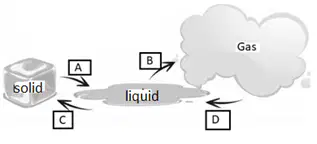
The changing state of letter B is . . . .
condensation
melting
freezing
evaporation
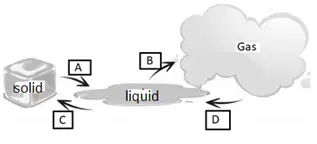
The freezing is shown by letter . . . .
A
B
C
D
When the water loses heat, it . . . .
condenses
freezes
melts
evaporates
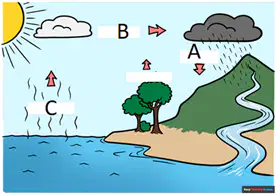
The name of the process which shows by letter B is . . . .
evaporation
presipitation
infiltration
condensation
The reverse process of freezing is . . . .
melting
condensing
evaporating
Water vapour in the atmosphere cold becomes rain.
TRUE
FALSE
_______________ is the state that its particles are closed together in fixed position.
solid
liquid
gas
State of matter with a definite shape and definite volume.
solid
liquid
gas
State of matter with a definite volume, but no definite shape.
solid
liquid
gas
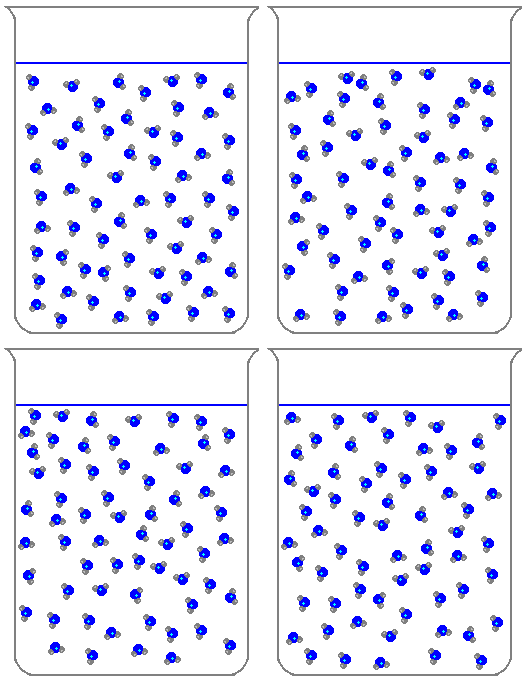
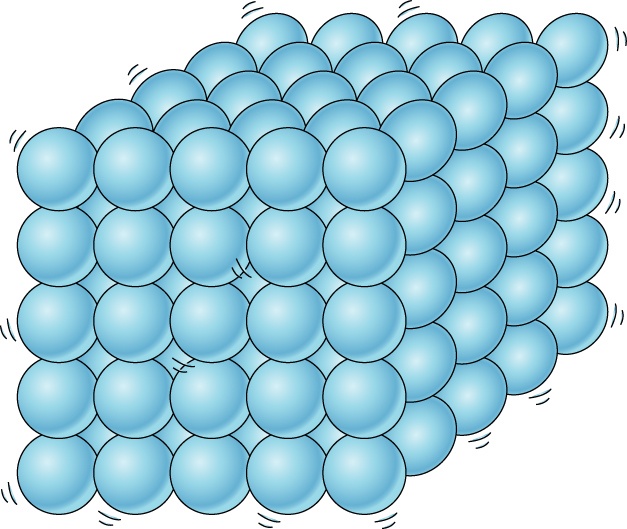
What state of matter?
Solid
Liquid
Gas
Plasma!!!


Particles are closely spaced.
solid
liquid
gas
Particles are not so closely spaced and slide past each other.
solid
liquid
gas
Matter is___
Anything that has volume
Anything that has mass
Anything that has mass and volume

What state of matter does the picture below represent?
solid
liquid
gas
none
What is a Solid?
Matter that has a fixed shape and size.
Matter that has a fixed size and no fixed shape
Matter that has no fixed shape or size
Matter that has no fixed shape and size

The diagram shows arrangement of particles in a
solid
liquid
gas
Define a liquid.
Matter that has fixed shape but no fixed volume
Matter that has fixed shape and fixed volume
Matter that has fixed volume, but no fixed shape

The particles in the picture are tightly held together with very tiny movement. They have shape and fixed volume. Therefore, the picture represents _________.
solid
liquid
gas
none
In which state of matter will there be the LARGEST space between molecules?
solid
liquid
gas
The measure of how much space something takes up is ______.
matter
mass
volume
none

What state is represented in the animation?
solid
liquid
gas
if you pour a bottle of water into a very very long cup, will you have more or less water?
more later
less water
same amount of water
What is everything made of?
Air
Matter
Water
All matter ...
Takes up space and has weight
Can be compressed and has weight
Takes up space and flows
A gas ...
Can be squashed or compressed
Has a fixed shape
Doesn't take up space
A solid ...
Can flow
Can be squashed or compressed
Has a fixed shape
What is a property?
Anything that you own
Solids, liquids or gases
Any characteristic we can use to describe something
A characteristic of an object that can be measured
Which is an example of a measurable property?
material
colour
weight
Which is an example of an observable property?
height
material
length

Which state of matter does this particle model show?
solid
liquid
gas
When solid is heated and changes to a liquid.
Freezing
Evaporating
Condensing
Melting
When liquid is cooled and changes to a solid.
Freezing
Evaporating
Condensing
Melting
When liquid is heated and changes to a gas.
Freezing
Evaporating
Condensing
Melting

