
 Worksheets
Thermal expansion & corrosion of materials
Total questions: 41
Worksheet time: 21mins
What is the coefficient of linear expansion used to measure?
The color change of a material when heated
The weight of a material when heated
The amount a material expands when heated
The density of a material when heated
Why must plumbers consider the expansion of materials?
To ensure the pipes are colorful
To prevent water from freezing
To avoid creaking and damage
To make the pipes lighter
What can cause plastic guttering to expand?
Cold weather
Sunlight
High pressure
Low humidity
What is the coefficient of linear expansion for Plastic uPVC?
0.00018
0.00029
0.000016
0.000011
If a 6 metre length of plastic guttering expands by 0.0108m, what was the temperature rise?
10°C
5°C
15°C
20°C
Which material has the highest coefficient of linear expansion?
Lead
Plastic uPVC
Copper
Steel
How much will a 6 metre length of steel expand if the temperature rises by 10°C?
0.00066m
0.00108m
0.00011m
0.00018m
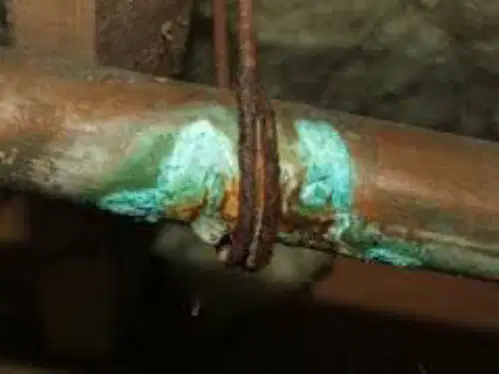
What factors can affect the amount and speed of corrosion in materials?
Wet conditions, gases, dissimilar metals, acids, heat, UV
Dry conditions, sunlight, plastic, cold, wind
Only wet conditions and heat
Only gases and UV
What is the most common form of corrosion?
Galvanization
Rust (Oxidation)
Tarnishing
Patina
What elements are necessary for rust to occur?
Water, iron, and nitrogen
Water, iron, and oxygen
Water, copper, and oxygen
Water, aluminum, and oxygen
What should be used to protect ferrous metals like LCS pipes from corrosion?
Paint
Inhibitor
Wax
Oil
Why is an inhibitor added to the heating system water?
To enhance heat transfer
To prevent freezing
To provide chemical protection for steel surfaces
To increase water pressure
What is another term for electrolytic corrosion?
Electrolysis
Oxidation
Rusting
Galvanization
What causes electrolytic corrosion?
Presence of an electrolyte
High temperature
Low humidity
Direct sunlight
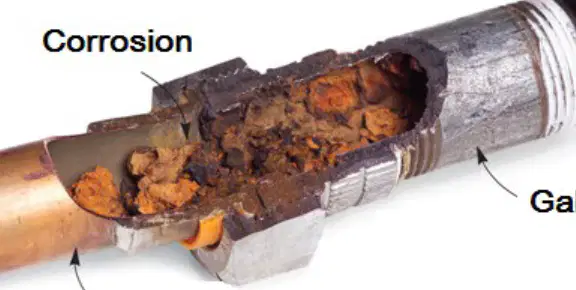
Which of the following metals might be found in a plumbing system experiencing electrolytic corrosion?
Copper and LCS pipework
Gold and silver
Titanium and nickel
Zinc and lead
What is the role of an electrolyte in electrolytic corrosion?
It acts as an insulator preventing current flow.
It acts as a conductive circuit allowing current to flow and corrosion to take place.
It prevents the formation of a circuit between the cathode and anode.
It slows down the corrosion process.
Which factor increases the rate of electrolytic corrosion?
Cold temperatures
The presence of a non-conductive liquid
Heat
The absence of an electrolyte
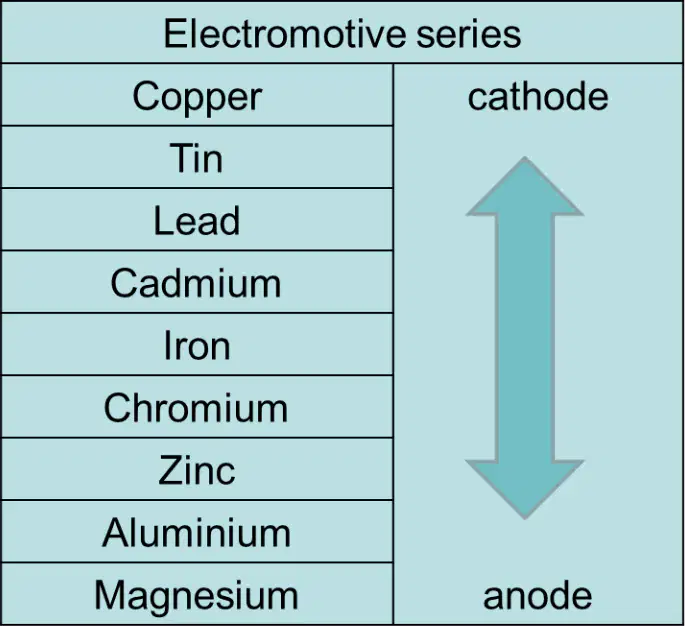
According to the electromotive series, which metal is most likely to corrode?
Copper
Tin
Magnesium
Lead
What happens when pipes filled with water create a circuit between the cathode and anode?
The metals become insulated.
The metals become more resistant to corrosion.
Electrolytic corrosion occurs.
The metals are protected from heat.
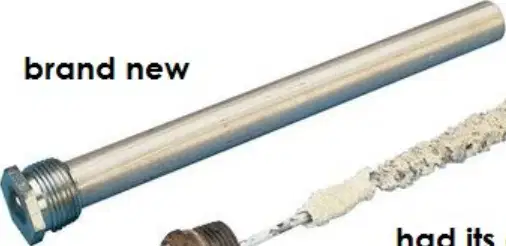
What is the purpose of a sacrificial anode in a hot water cylinder?
To heat the water
To protect steel components from corrosion
To increase water pressure
To filter impurities from water
What material is a sacrificial anode typically made of in a hot water cylinder?
Copper
Brass
Magnesium
Steel
Where can sacrificial anodes be installed in a central heating system?
In the radiator
In the boiler
In the thermostat
In the water pump
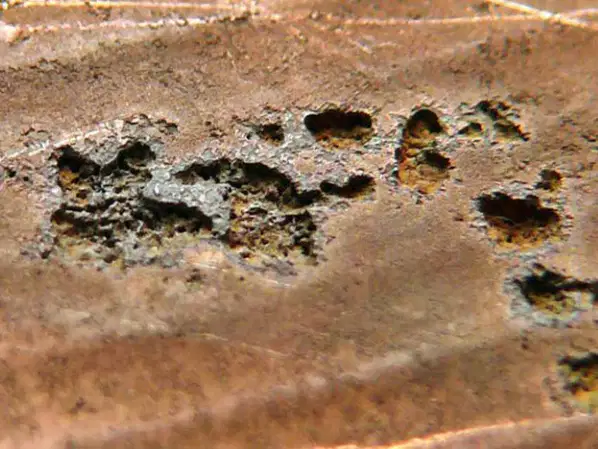
What type of corrosion can affect copper if flux is not cleaned off the outside and flushed out of the inside of the tube?
Type 1 pitting corrosion
Galvanic corrosion
Uniform corrosion
Crevice corrosion
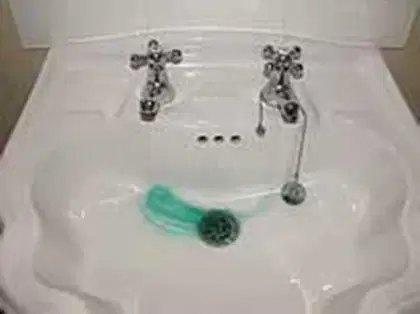
What is blue water corrosion?
Corrosion that occurs in a new system left dormant with water
Corrosion that occurs in old pipes due to rust
Corrosion caused by algae in water systems
Corrosion that happens in systems with high water pressure
What is erosion in the context of plumbing?
The buildup of minerals in pipes
The wearing away of pipes and fittings due to the flow of water or gas
The expansion of pipes due to heat
The blockage of pipes by debris
What can increase the likelihood of erosion in plumbing systems?
Low water pressure
High temperatures
Turbulence over 3m/s flow rate
Lack of water flow
What is dezincification?
A process of strengthening brass components
A form of corrosion in plumbing systems
A method of cleaning brass fittings
A technique for painting metal surfaces
What happens to brass components when zinc is leached out?
They become stronger and more durable
They turn into gold
They become weak and brittle
They become resistant to corrosion
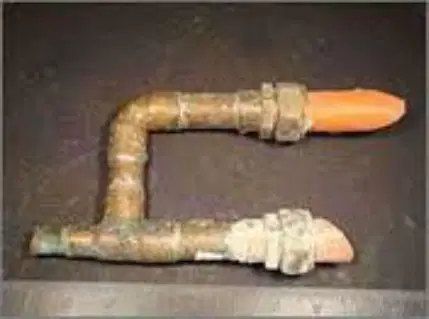
What does the presence of DZR or DZ on brass components indicate?
The component is made of pure copper
The component is dezincification resistant
The component is suitable for electrical use
The component is painted
What is the purpose of chrome plating and galvanising?
To enhance the appearance of metals
To protect metals from corrosion and tarnishing
To increase the weight of metals
To make metals magnetic
What is the process used in chrome plating?
Dipping in molten zinc
Electroplating a thin layer of chromium
Painting with a protective coating
Heating to a high temperature
Which metal is commonly used in the galvanising process?
Chromium
Copper
Zinc
Aluminum
What is a common application of chrome plating?
LCS pipes
Steel beams
Taps and copper pipes
Aluminum cans
What is the purpose of an inhibitor in central heating systems?
To increase water temperature
To protect iron from corrosion
To reduce noise in pipes
To enhance water flow
How does galvanised coating protect LCS pipes?
By insulating them from heat
By preventing rust through oxygen exposure
By enhancing water flow
By reducing noise
What maintenance method protects cast iron guttering from atmospheric corrosion?
Insulating the pipes
Painting the pipes
Heating the pipes
Cooling the pipes
What is the lifespan of Denso tape protection for LCS pipes?
5 years
10 years
20 years
30 years
Which of the following can cause thermal movement and distortion in plastics?
UV
Heat
Oxygen
Light
What effect does UV have on plastics?
Yellowing of plastic
Thermal movement
Sunlight degrading
Chemical degrading
Which factor causes the yellowing of plastic?
Heat
UV
Light
Oxygen
What is a common effect of oxygen on plastics?
Yellowing
Degrading
Distortion
Sunlight degrading

