
 Worksheets
C03 Atomic Models Test Review
Total questions: 89
Worksheet time: 2hrs 43mins
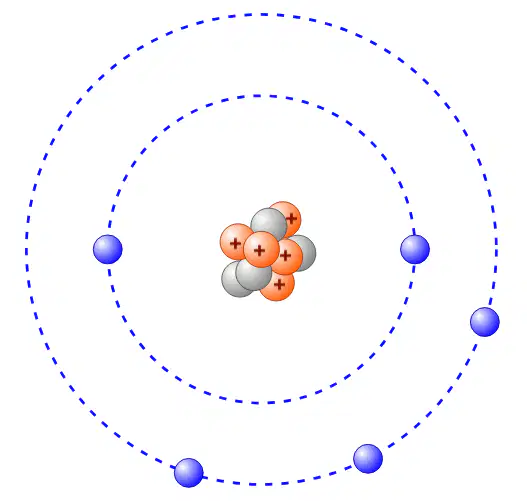
How many protons does this atom have?
4
5
3
2
9
1. (a) : the smallest unit of an element.
2. (b) : negative ion
3: (c) : positive ion
1. (a) : impossible to know both the speed and location of an electron at the same time.
2. (b) : used to calculate the location of a specific electron and build orbitals
1. (a) : Region around the nucleus where there is a high probability of finding an electron; energy levels of the quantum model
2. (b) : Volume of space around the nucleus of the atom where electrons can be found
How many electrons does this atom have?
4
5
3
2
9
How many Valence electrons does this atom have?
4
5
3
2
9
How many neutrons does this atom have?
4
5
3
2
9
What is the mass number of this atomic model?
4
5
3
2
9

How many VALENCE electrons does this atom have?
4
5
3
2
9
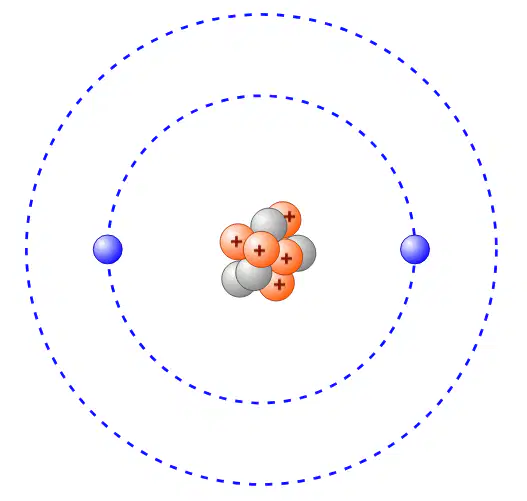
This is an atomic model for which element?
(a)
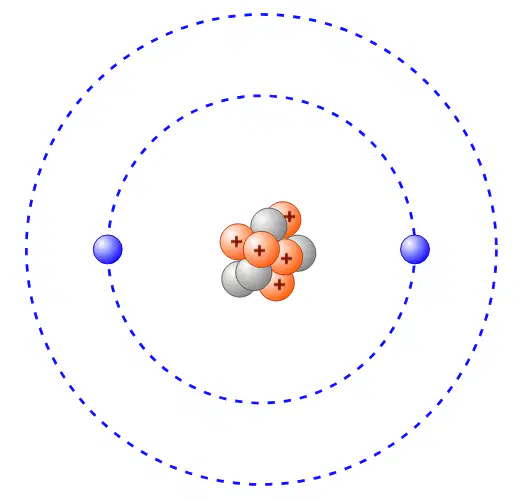
This is an atomic model of a(n)
atom
ion
This is an atomic model of a
negative ion
positive ion
atom
This is an atomic model of a(n)
anion
cation
atom
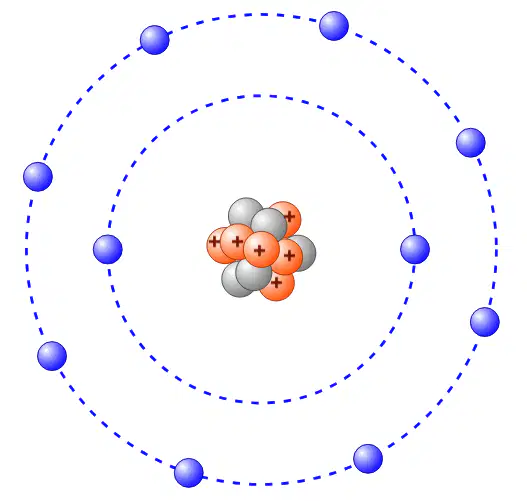
This is an atomic model of a
negative ion
positive ion
atom
This is an atomic model of a(n)
anion
cation
atom
What is the mass number of this atomic model?
6
5
8
11
10
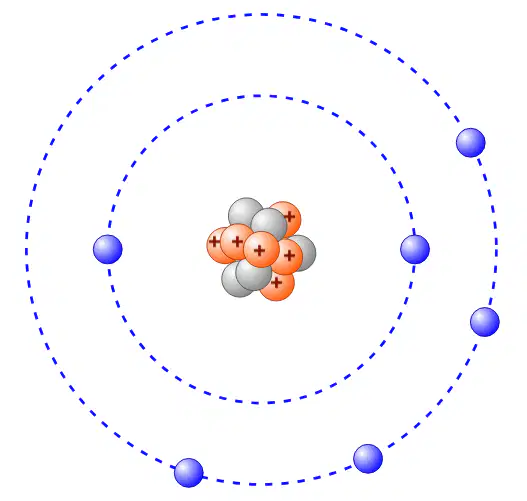
How many VALENCE electrons does this atomic model have?
6
5
4
11
10
What element does this atomic model represent?
(a)
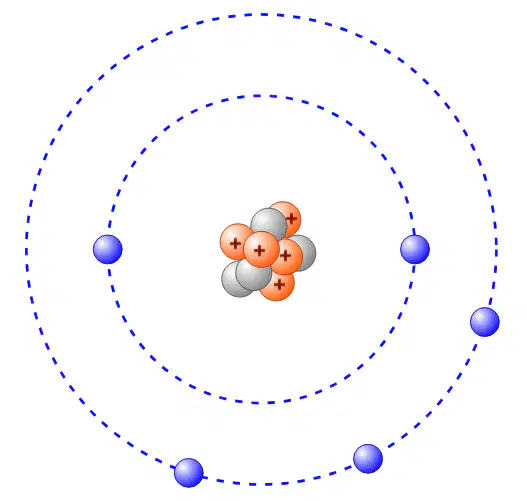
This is an atomic model of a(n)
atom
ion
Which statement best describes Rutherford's Model of the atom?
atoms consist of a large region of positive charge with electrons embedded in it
atoms are mostly empty space with a tiny, dense region in the center
atoms are sold balls, like those used in a game of pool
electrons orbit the nucleus only in specific concentric energy levels
Which statement best describes Dalton's Model of the atom?
atoms consist of a large region of positive charge with electrons embedded in it
atoms are mostly empty space with a tiny, dense region in the center
atoms are sold balls, like those used in a game of pool
electrons orbit the nucleus only in specific concentric energy levels
Which statement best describes Thomson's Model of the atom after he discovered the electron?
atoms consist of a large region of positive charge with electrons embedded in it
atoms are mostly empty space with a tiny, dense region in the center
atoms are sold balls, like those used in a game of pool
electrons orbit the nucleus only in specific concentric energy levels
Which statement best describes Bohr's Model of the atom after he hypothesized that the electrons traveled in specific pathways around the atom?
atoms consist of a large region of positive charge with electrons embedded in it
atoms are mostly empty space with a tiny, dense region in the center
atoms are sold balls, like those used in a game of pool
electrons orbit the nucleus only in specific concentric energy levels
Put these Atomic Models in chronological order left to right, (oldest to youngest)
Dalton's Billiard Ball Model
J.J. Thomson's Plum Pudding Model
Rutherford's Planetary Model
Bohr's Model
Electron Cloud Model
Put these Atomic Models in chronological order left to right, (oldest to youngest)

Dalton's Billiard Ball Model
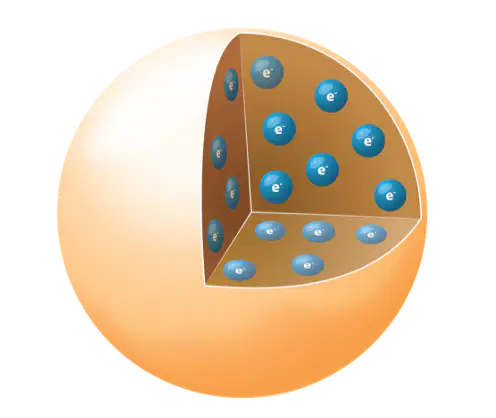
J.J. Thomson's Plum Pudding Model
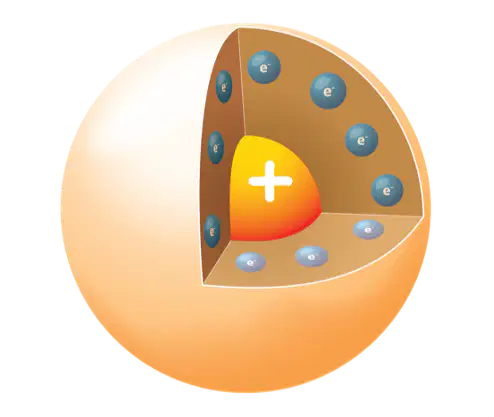
Rutherford's Planetary Model
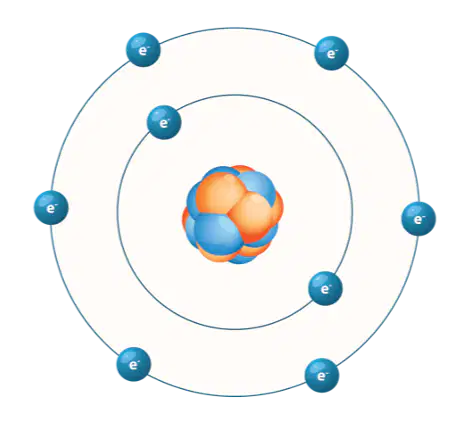
Bohr's Model
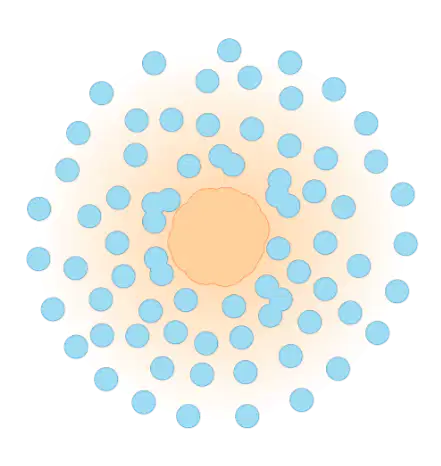
Electron Cloud Model
Which Atomic Model came from the Postulates of the first Atomic Theory?
Dalton's Billiard Ball Model
J.J. Thomson's Plum Pudding Model
Rutherford's Planetary Model
Bohr's Model
Electron Cloud Model
Which Atomic Model came about due to the discovery of the electron from the Cathode Ray Tube experiment?
Dalton's Billiard Ball Model
J.J. Thomson's Plum Pudding Model
Rutherford's Planetary Model
Bohr's Model
Electron Cloud Model
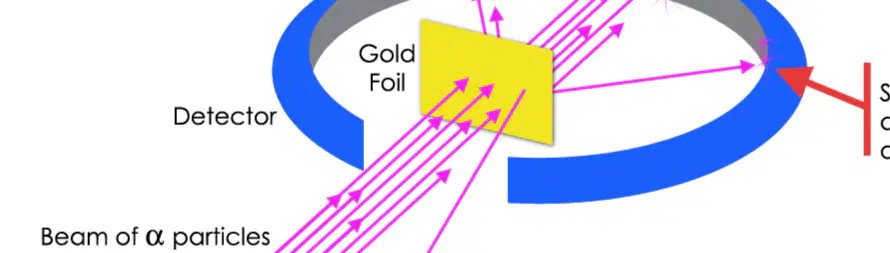
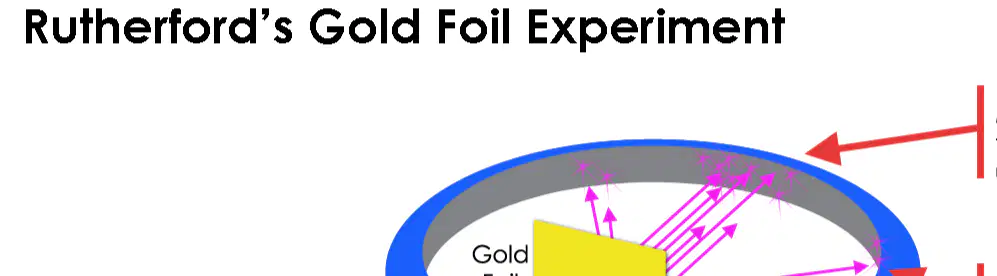
Which Atomic Model came about due to the discovery of the nucleus by the Gold Foil Experiment?
Dalton's Billiard Ball Model
J.J. Thomson's Plum Pudding Model
Rutherford's Planetary Model
Bohr's Model
Electron Cloud Model
The Cathode Ray Tube experiment discovered electrons directly disproved which model of the atom?
Dalton's Billiard Ball Model
J.J. Thomson's Plum Pudding Model
Rutherford's Planetary Model
Bohr's Model
Electron Cloud Model
The Gold Foil Experiment discovered the nucleus and directly disproved which model of the atom?
Dalton's Billiard Ball Model
J.J. Thomson's Plum Pudding Model
Rutherford's Planetary Model
Bohr's Model
Electron Cloud Model
Which Atomic Model came about due to the discovery that electrons are particles that also behave like waves and it is impossible to know both the location and speed (momentum) of an electron with 100% accuracy.
Dalton's Billiard Ball Model
J.J. Thomson's Plum Pudding Model
Rutherford's Planetary Model
Bohr's Model
Electron Cloud Model
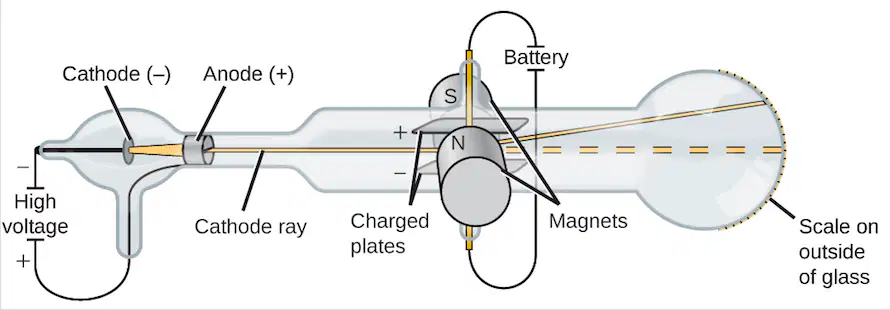
Which of these were results of the Cathode Ray Tube experiment?
electrons are negatively charged
electrons have a very low mass
the atom is mostly empty space
the nucleus is very small, dense, and positively charged
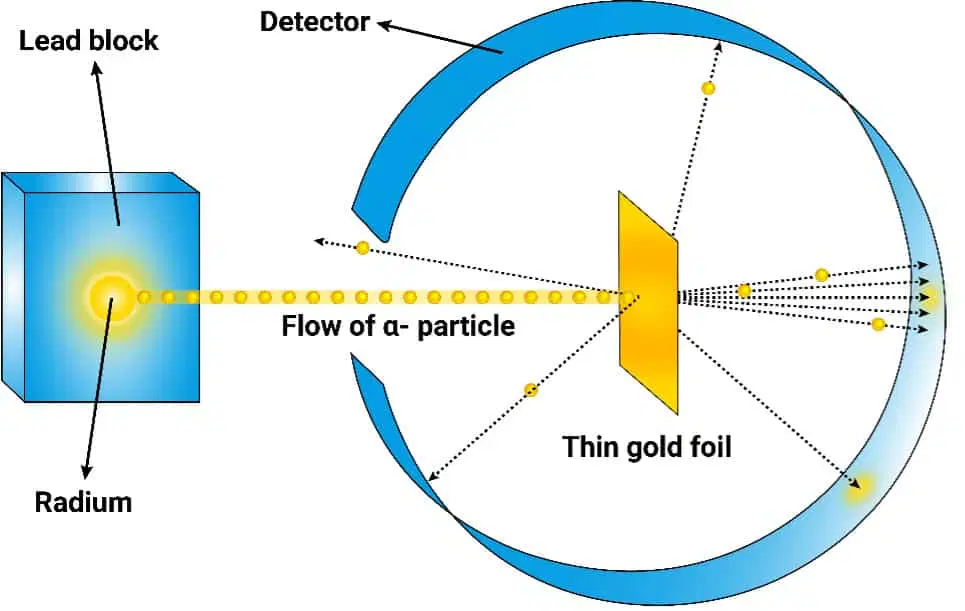
Which of these were results of the Gold Foil experiment?
electrons are negatively charged
electrons have a very low mass
the atom is mostly empty space
the nucleus is very small, very dense, and positively charged
Match the following
relative mass of 0 amu
-1 charge
electron
relative mass of 1 amu
0 charge
neutron
relative mass of 1 amu
+1 charge
proton
Categorize the following
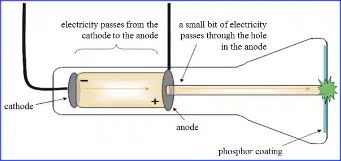
d
discovery of the electron
disprove the billiard ball model
produced the plum pudding model
JJ Thomson
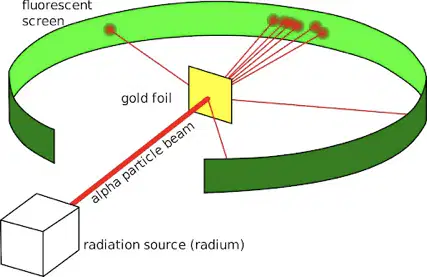
Rutherford
Discovery of the nucleus
disproved the plum pudding model
produced the nuclear model
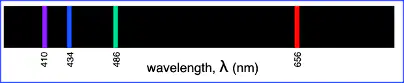
Explained by the Bohr Model
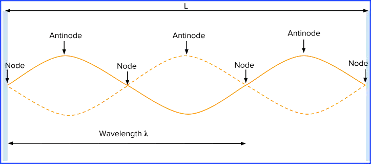
How De Broglie explained the energy levels of his atom
Categorize these properties of subatomic particles.
-1 charge
negatively charged
0 amu
1/1836th mass of proton
e−
+1 charge
positively charged
p+
determines the element
0 charge
neutral
n
in the nucleus
1 amu
determine the mass
= mass number
not in the nucleus
Electrons have what kind of charge?
neutral or no charge
negative
positive
Neutrons have what kind of charge?
neutral or no charge
negative
positive
Protons have what kind of charge?
neutral or no charge
negative
positive
Atoms contain the same number of protons & electrons, therefore,
atoms are positive
atoms are neutral
atoms are negative
Which subatomic particle has a relative mass of 0 amu? Mark all that apply.
electron
proton
neutron
muon
nucleus
Which subatomic particle has a relative mass of 1 amu? Mark all that apply.
electron
proton
neutron
muon
nucleus
Which subatomic particle is found in the nucleus? Mark all that apply.
electron
proton
neutron
DNA
nucleus
Which subatomic particle has a relative charge of +1? Mark all that apply.
electron
proton
neutron
positron
nucleus
Which subatomic particle has a relative charge of –1? Mark all that apply.
electron
proton
neutron
DNA
negatron
Which subatomic particle has a relative charge of 0? Mark all that apply.
electron
proton
neutron
nucleus
zerotron
Cations contain the less electrons than protons , therefore,
cations are positive
cations are neutral
cations are negative
Anions contain the more electrons than protons therefore,
anions are positive
anions are neutral
anions are negative
Produced the first atomic theory.
Neils Bohr
Democritus
John Dalton
Ernest Rutherford
JJ Thomson
In the gold foil experiment, a few of the alpha particles bounced almost straight back proving
the existence of a small volume with a large mass inside the atom
that the atom is mostly empty space
that the nucleus is positively charged
the existence of a large volume with a small mass in the center of the atom
that the nucleus is negatively charged
Thomson's Cathode Ray Tube experiment discovered the
electron
neutron
proton
nucleus
cathode ray
Rutherford's Gold Foil experiment discovered the
electron
neutron
proton
nucleus
alpha particle
Match the Model of the Atom with the scientist credited with its discover.

De Broglie, Heisenberg, Schrödinger,

J.J. Thomson

Neils Bohr

John Dalton
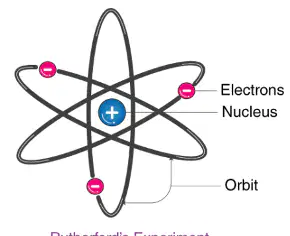
Ernest Rutherford
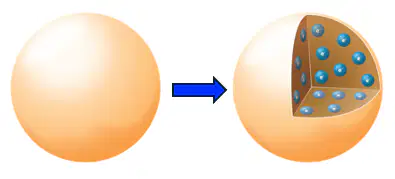
What changed in the Atomic Models shown in the picture?
The atomic model changed from a solid sphere to one that is cut open so you can see the inside
The atomic model change from a solid sphere to a positive sphere with negative particles embedded in it.
The atomic model change from a solid sphere to an atom that is mostly empty space and contains a very dense positively charged nucleus
The atomic model change from a solid sphere to a nucleus that contains protons and neutrons. The electrons orbit the nucleus in pathways.
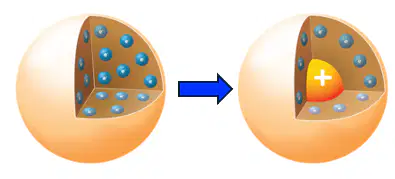
What changed in the Atomic Models shown in the picture?
The atomic model change to a positive sphere with negative particles embedded in it.
The atomic model change to an atom that is mostly empty space and contains a very dense positively charged nucleus with electrons randomly around the nucleus
The atomic model change to an atom with a nucleus that contains protons and neutrons. The electrons orbit the nucleus in pathways.
The atomic model change to an atom with a nucleus. Electrons act like both particles and waves. The probable location of an electron is determined by the wave equation
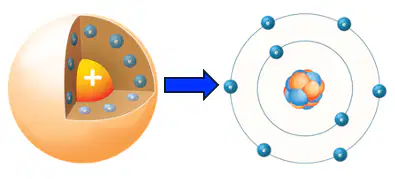
What changed in the Atomic Models shown in the picture?
The atomic model change to a positive sphere with negative particles embedded in it.
The atomic model change to an atom that is mostly empty space and contains a very dense positively charged nucleus with electrons randomly around the nucleus
The atomic model change to an atom with a nucleus that contains protons and neutrons. The electrons orbit the nucleus in pathways.
The atomic model change to an atom with a nucleus. Electrons act like both particles and waves. The probable location of an electron is determined by the wave equation
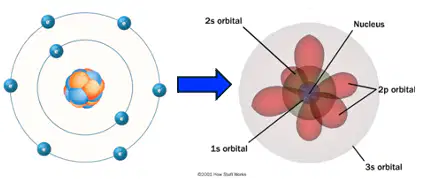
What changed in the Atomic Models shown in the picture?
The atomic model change to a positive sphere with negative particles embedded in it.
The atomic model change to an atom that is mostly empty space and contains a very dense positively charged nucleus with electrons randomly around the nucleus
The atomic model change to an atom with a nucleus that contains protons and neutrons. The electrons orbit the nucleus in pathways.
The atomic model change to an atom with a nucleus. Electrons act like both particles and waves. The probable location of an electron is determined by the wave equation
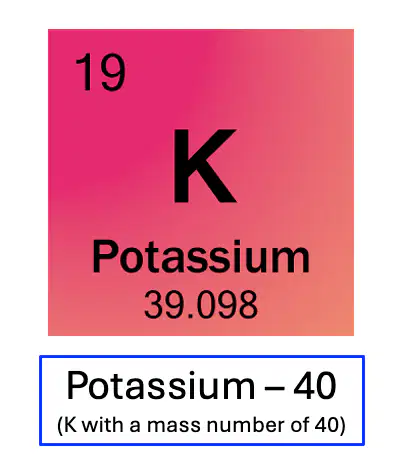
Using the given information in the picture, how many protons does it have?
(a)
Using the given information in the picture, how many electrons does it have?
(a)
Using the given information in the picture, how many neutrons does it have?
(a)
–Each element consists of tiny invisible particles called atoms
–All atoms of the same element are identical in size, mass, and properties (not quite) but atoms of different elements are different in size, mass, and properties.
–Atoms cannot be subdivided, created, nor destroyed (not quite).
–Atoms of different elements combine in simple, whole-number ratios to form compounds.
–In chemical reactions, atoms are combine, separated, or rearranged.
Dalton's Atomic Theory
Democritus Atomic Theory
Quantum Mechanical Atomic Theory
Modern Atomic Theory
1.All matter is composed of atoms.
2.Atoms of one element differ in properties from atoms of another element.
3.Atoms are divisible into smaller particles called subatomic particles.
4.A given element is made up of atoms with different masses. (Isotopes)
5.Chemical reaction involves only the combination, separation, or rearrangement of atoms.
6.Compounds are formed by the combination of atoms in small whole number ratios.
Dalton's Atomic Theory
Democritus Atomic Theory
Quantum Mechanical Atomic Theory
Modern Atomic Theory
His paper on the explanation of Brownian motion led to the wide spread acceptance of the atom.
Neils Bohr
De Broglie
Schrödinger
Albert Einstein
Heisenberg

oil drop experiment
cathode ray tube experiment
gold foil experiment
gas discharge tube amalgamation
emission line spectrum

oil drop experiment
cathode ray tube experiment
gold foil experiment
gas discharge tube amalgamation
emission line spectrum

oil drop experiment
cathode ray tube experiment
gold foil experiment
gas discharge tube amalgamation
emission line spectrum
"Atomic Fingerprints" Used to identify elements in samples, stars, and atmospheres of planets.
oil drop experiment
cathode ray tube experiment
gold foil experiment
gas discharge tube amalgamation
emission line spectrum
Match the Model of the Atom with its name

Electron Cloud model
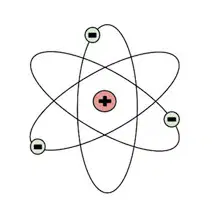
Rutherford's Nuclear Model
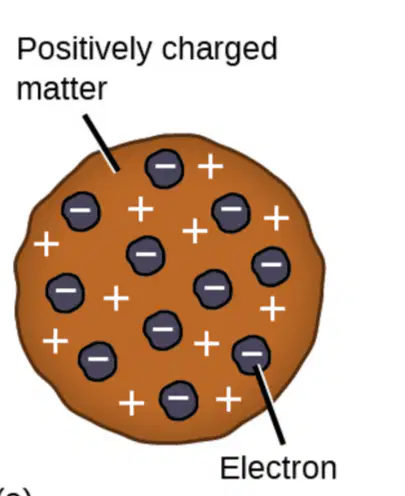
Thomson's Plum Pudding model
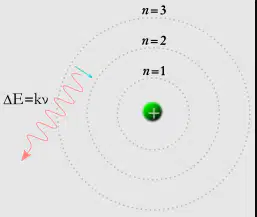
Bohr's Model
Dalton's Billiard ball model

Quantum model
planetary/nuclear model
plum pudding model
Bohr model
De Broglie model
The random movement of particles suspended in a fluid is known as
Einsteinian motion
Ciliar movement
Bohrian motion
Brownian motion
Which of these were results of the Gold Foil experiment?
electrons are negatively charged
electrons have a very low mass
the atom is mostly empty space
the nucleus is very small, very dense, and positively charged

What is the unknown element?
beryllium
copper
manganese
strontium
titanium
Which of these can be used like a fingerprint to identify an unknown element?
Chat gpt
emission line spectrum
cathode ray tube
Bohr model
periodic table
Lable the pictures
Bohr's Model explained which one of these phenomenon?
Which one of these led to the discovery of the nucleus?
Which one of these led to the discovery of the electron?
Which one of these explains why electrons can have only certain amounts of energy?
According to Quantum Mechanics, electrons behave like
orbiting particles
standing waves
propagating waves
stationary particles
Categorize the Atomic Theory Postulates
Atoms are indivisible
Atoms of the same element are identical in properties and mass
Atoms can be broken apart
Atoms of the same element can have different masses
All matter is composed of atoms
Atoms of different elements have different properties.
Categorize the Results of Cathode Ray Tube Experiment.
cathode rays were deflected away from the negative charge plate
the cathode rays spun the paddle wheel
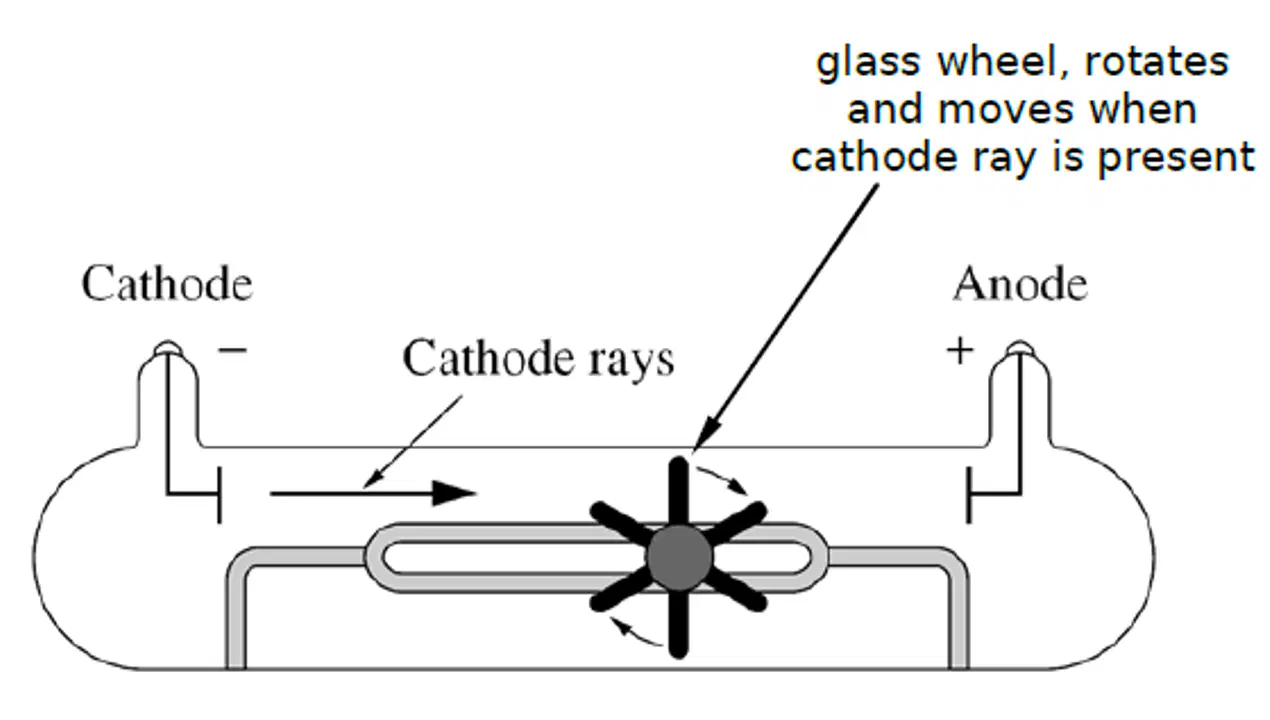
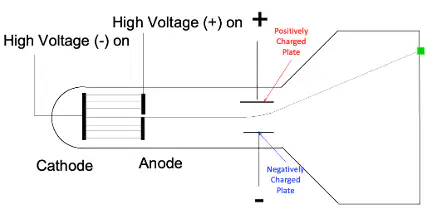
cathode rays were produced no matter what material was used to make the cathode

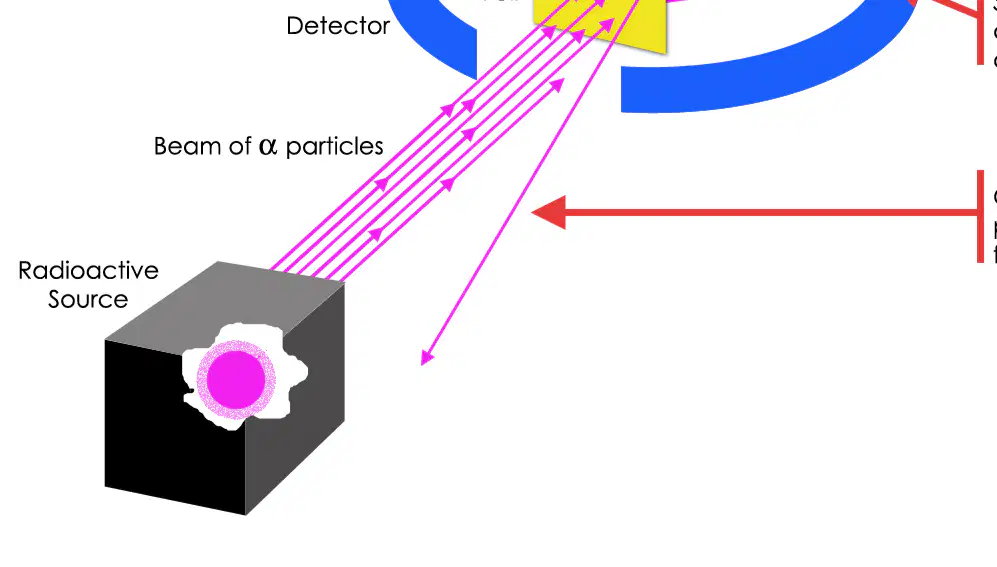
What was inferred from the following observations of the gold foil experiment?
most of the 𝛂 particles went strait most of the 𝛂 particles had little or no deflection
some of the 𝛂 particles slightly deflected
some 𝛂 particles bounced back
Categorize the properties of the following
neutral
positive charge
less electrons than protons
negative charge
number of electrons equals the number of protons
more electrons than protons
S2−
Fe
Fe2+
e− = p+
e−< p+
e−> p+
Which best describes the electron in the Electron Cloud Model?
electrons orbit the nucleus like planets orbit the sun
electrons orbit the nucleus on a fixed path but in a wave like fashion
electrons orbit the nucleus in a wave pattern that can best be described as a 3 dimension space that has a high probability of containing an electron
HONORS Chemistry Essay Question Topic: Be able to describe the orbital of the electron in the quantum model of the atom.
Got it!
Wrong answer.
HONORS Chemistry Essay Question Topic: Be able to describe the changes between the different atomic models and why they occurred.
Got it!
Wrong answer.
HONORS Chemistry Essay Question Topic: Be able to explain the relationship between standing waves and energy levels.
Got it!
Wrong answer.

