
 Worksheets
AP CHEM UNIT 2 STUDY GUIDE
Total questions: 91
Worksheet time: 46mins
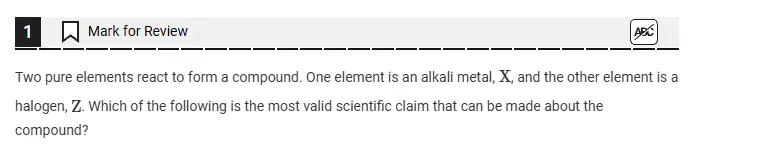
It has the formula XZ2
It does not dissolve in water
It contains ionic bonds
It contains covalent bonds

There is a partial negative charge on the H atom.
Electrons are shared equally between the H and F atoms.
The bond is extremely weak.
The bond is highly polar.

The carbon-to-selenium bond is unstable.
The carbon-to-selenium bond is nonpolar covalent.
The compound has the empirical formula CSe.
A molecule of the compound will have a partial negative charge on the carbon atom.

increasing strength of the bonds
increasing electronegativity of the central atom
increasing number of unshared pairs of electrons
decreasing repulsion between hydrogen atoms


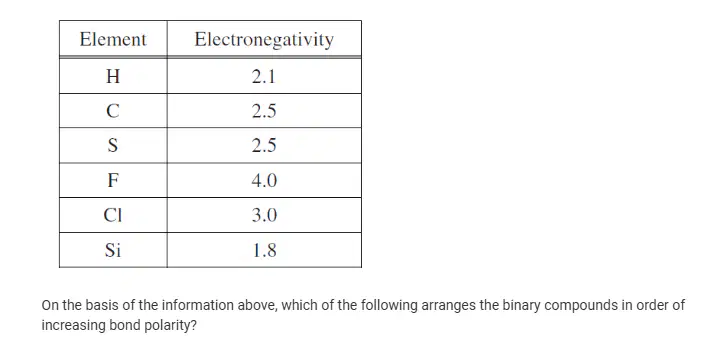
CH4 < SiCl4 < SF4
CH4 < SF4 < SiCl4
SF4 < CH4 < SiCl4
SiCl4 < SF4 < CH4
Which of the following has the bonds arranged in order of decreasing polarity?
H−F > N−F > F−F
H−I > H−Br > H−F
O−N > O−S > O−Te
Sb−I > Sb−Te > Sb−Cl
Which of the following complete Lewis diagrams represents a molecule containing a bond angle that is closest to 120°?


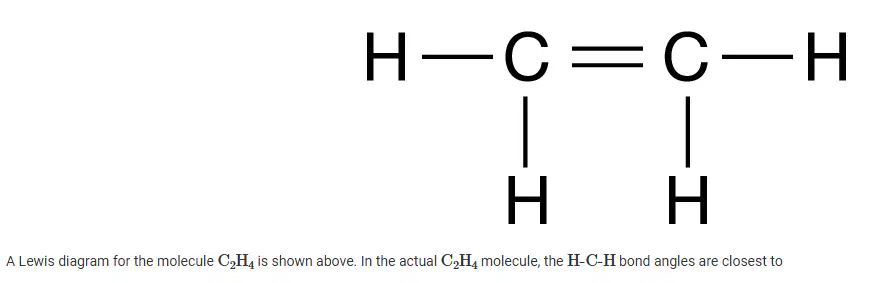
90*
109.5*
120*
180*
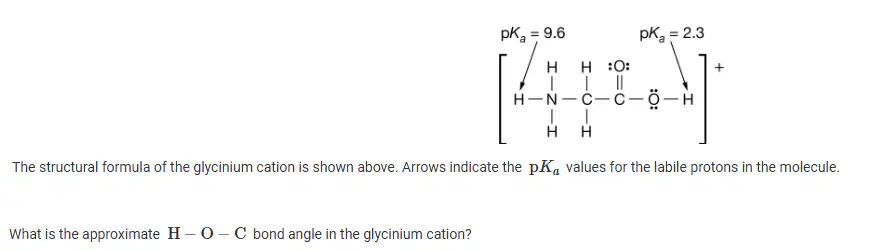
180*
120*
105*
90*
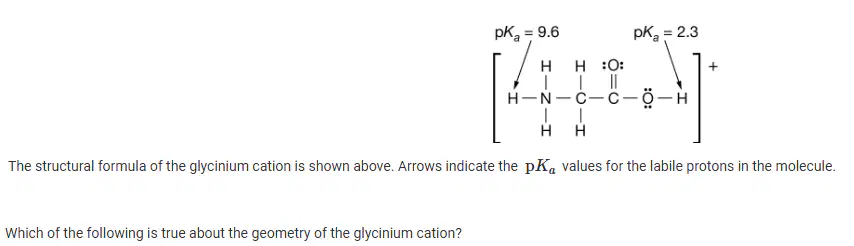
The leftmost C atom and all the atoms directly bonded to it lie in the same plane.
Both C atoms and both O atoms lie in the same plane.
The N−C−C bond angle is 180°.
The geometry around the N atom is planar.
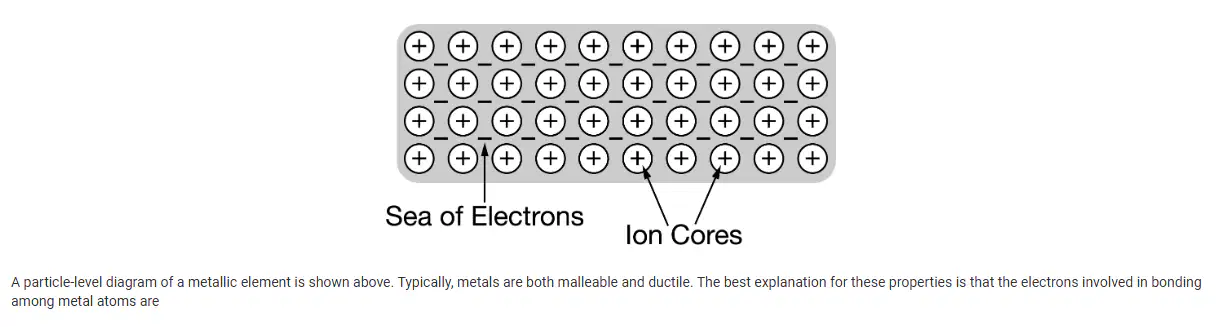
unequally shared and form nondirectional bonds
unequally shared and form highly directional bonds
equally shared and form nondirectional bonds
equally shared and form highly directional bonds
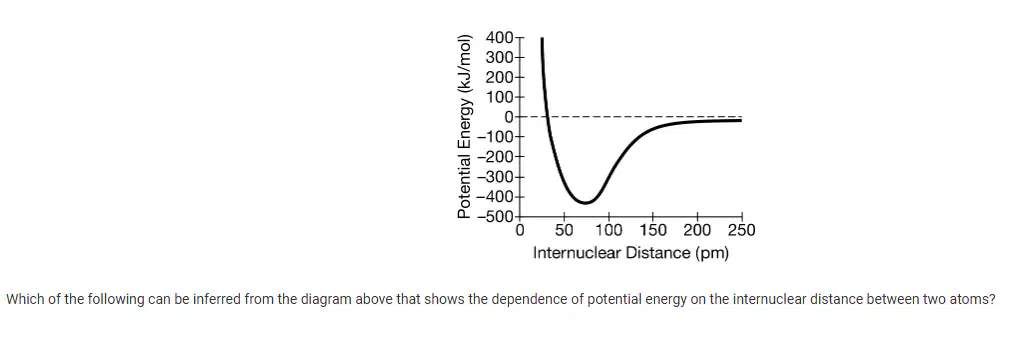
The atoms form a bond with a bond length of 25pm.
The atoms form a bond with a bond length of 75pm.
The net force between the atoms is attractive at 25pm.
The net force between the atoms is attractive at 75pm.
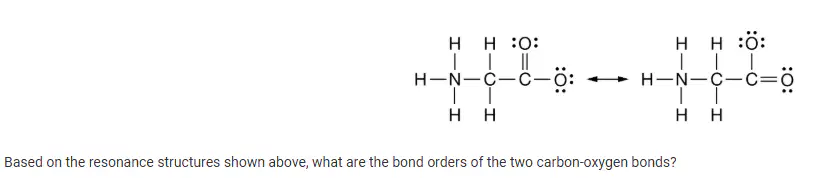
1 and 1.5
1 and 2
1.5 and 1.5
2 and 2

C-Cl
C-I
C-H
C-Br
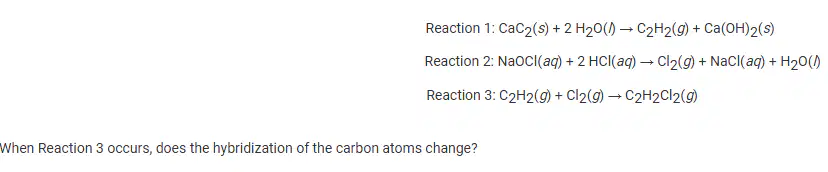
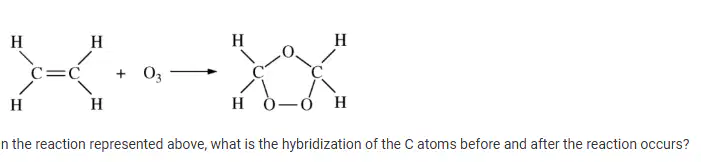
Yes; it changes from sp to sp2.
Yes; it changes from sp to sp3.
Yes; it changes from sp2 to sp3.
No; it does not change

the same because the molecular formulas are similar
the same because C and S have similar electronegativity values
different because the lone pair of electrons on the S atom make it the negative end of a dipole
different because S has a greater number of electron domains (regions of electron density) surrounding it than C has
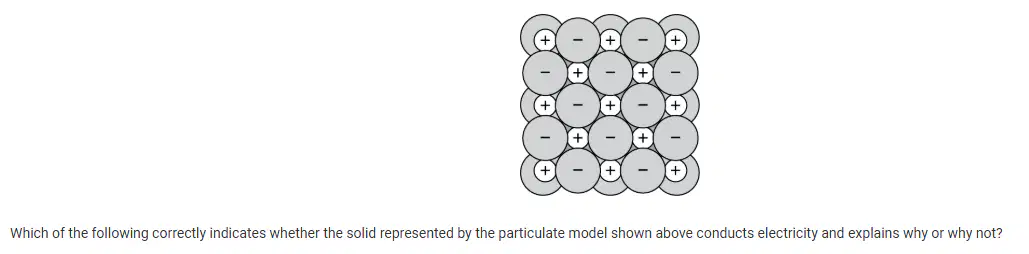
It conducts electricity because it is made of positive and negative ions.
It conducts electricity because it is made of particles of different sizes.
It does not conduct electricity because its ions cannot move freely within the solid.
It does not conduct electricity because there are small spaces between the particles.
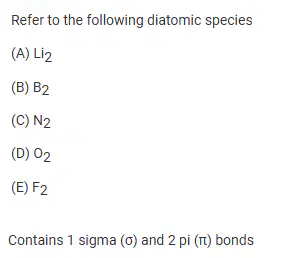
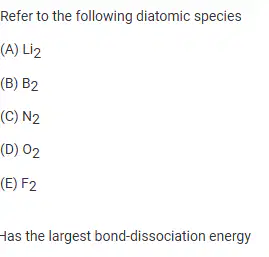
B2
N2
O2
F2
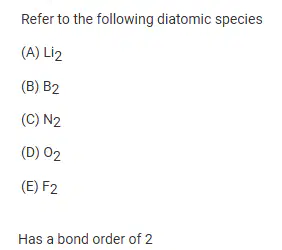
B2
N2
O2
F2
B2
N2
O2
F2
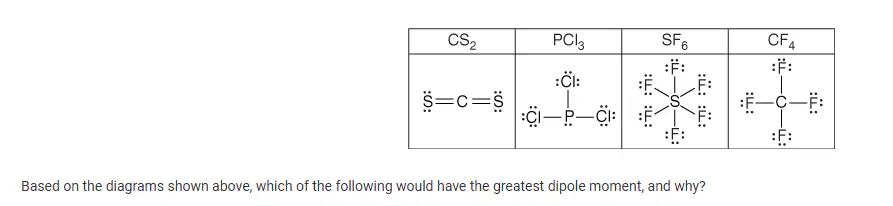
CS2, because the double bonds create an area of higher electron density around the Catom.
PCl3, because the Clatoms draw electron density away from the Patom and the bond dipoles do not cancel one another.
SF6, because it has the greatest number of polar bonds.
CF4, because the large electronegativity difference between C and F results in very polar bonds.

The mass of F− ions is greater than that of O2− ions.
The mass of Mg2+ ions is greater than that of Na+ ions.
The difference between the electronegativity values of Mg and O is smaller than the difference between the values of Na and F.
The charges of Mg2+ and O2− ions are greater than those of Na+ and F− ions.

Cu has two common oxidation states, but Ag has only one.
Cu has a higher melting point than Au has, but Ag has a lower melting point than Au has.
Cu atoms are smaller than Ag atoms, thus they interfere more with the displacement of atoms in the alloy.
Cu atoms are less polarizable than are Au or Ag atoms, thus Cu has weaker interparticle forces.
For which of the following molecules are resonance structures necessary to describe the bonding satisfactorily?
SO2
CO2
OF2
PF3
BeCl2
SO2
N2
F2
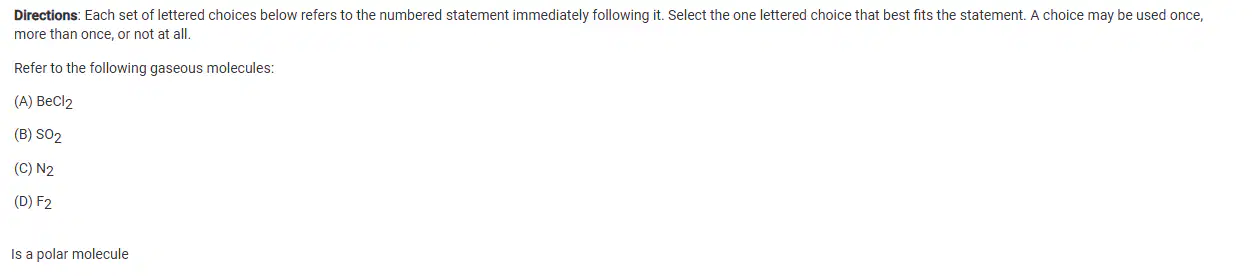
BeCl2
SO2
N2
F2
The geometry of the SO3 molecule is best described as
trigonal planar
trigonal pyramidal
bent
tetrahedral
On the basis of molecular structure and bond polarity, which of the following compounds is most likely to have the greatest solubility in water?
CH4
CCl4
NH3
PH3
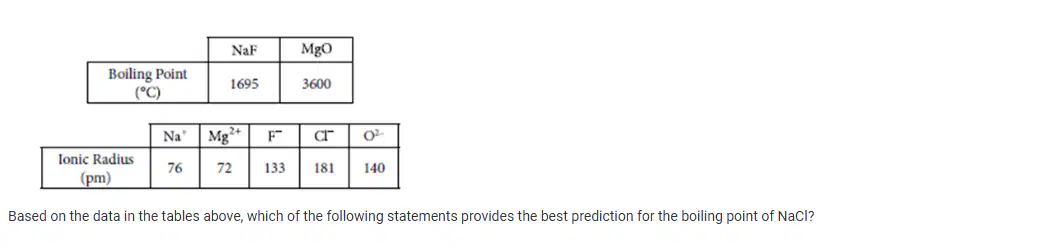
NaCl will have a lower boiling point than NaF because the coulombic attractions are weaker in NaCl than in NaF.
NaCl will have a boiling point between that of NaF and MgO because the covalent character of the bonds in NaCl is intermediate between that of MgO and NaF.
NaCl will have a higher boiling point than MgO because the ions are spaced farther apart in NaCl.
NaCl will have a higher boiling point than MgO because the energy required to transfer electrons from the anion to the cation is larger in NaCl than in MgO.
Which of the following Lewis electron-dot diagrams represents the molecule that contains the smallest bond angle?



H2O
NH3
BH3
CH4

H2O
NH3
BH3
CH4

H2O
NH3
BH3
CH4
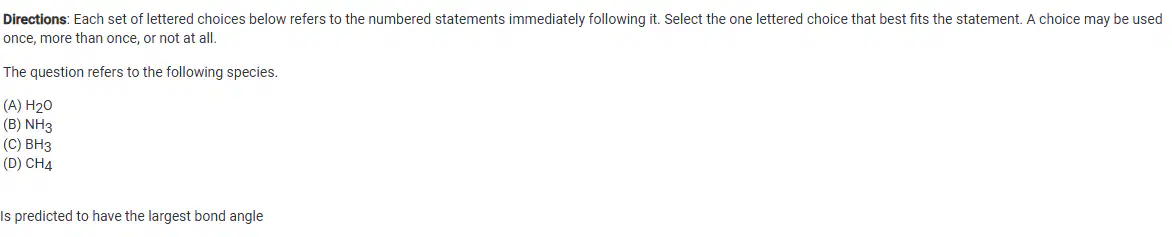
H2O
NH3
BH3
CH4
Which of the following has molecules with a pyramidal shape?
NH3(g)
BH3(g)
H2S(g)
HBr(g)

sp
sp2
sp3
dsp2
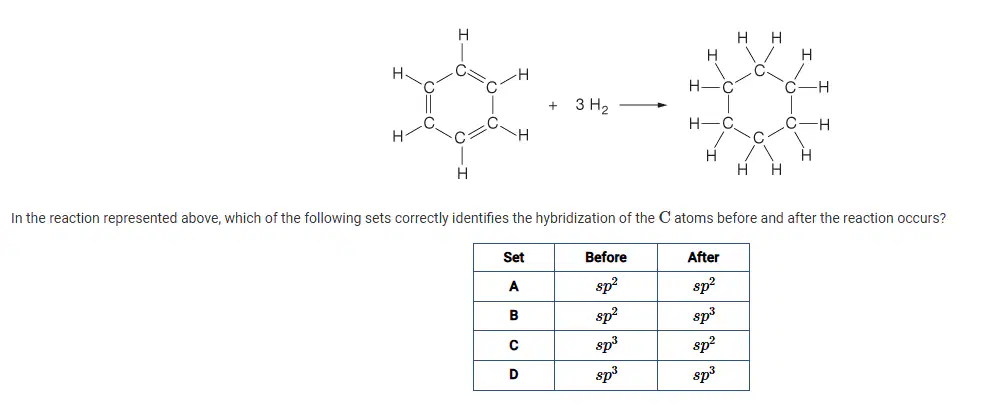
Set A
Set B
Set C
Set D

sp hybridized and 180°
sp2 hybridized and 120°
sp2 hybridized and 180°
sp3 hybridized and 120*
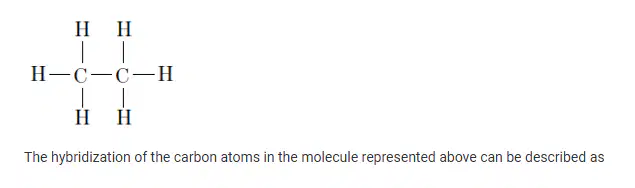
sp
sp2
sp3
dsp2
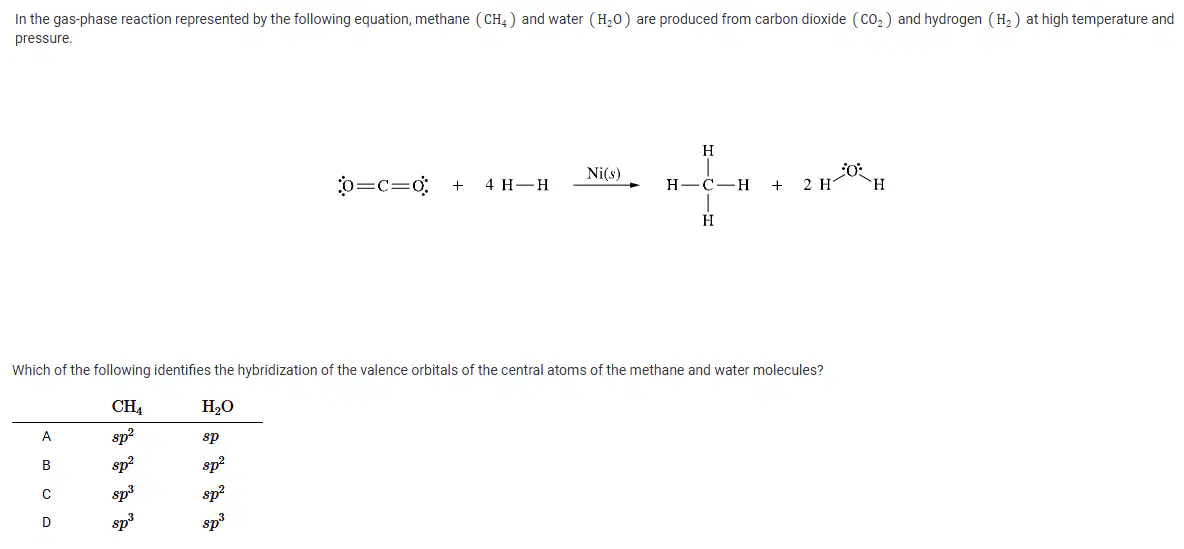
A
B
C
D


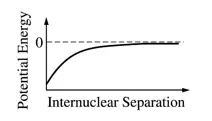
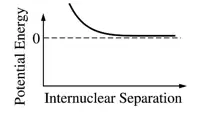
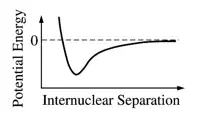
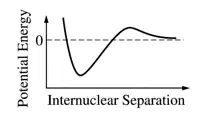
Which of the following graphs correctly shows the relationship between potential energy and internuclear separation for two hydrogen atoms?



Which of the following substances has bonds with the greatest ionic character?
CCl4
CuCl2
CaCl2
NCl3

Cl2, PCl3,CaCl2
Cl2, CaCl2,PCl3
CaCl2, PCl3,Cl2
CaCl2, Cl2,PCl3
An atom of chlorine and an atom of which of the following elements will form a bond with the most ionic character?
Germanium
Carbon
Copper
Potassium
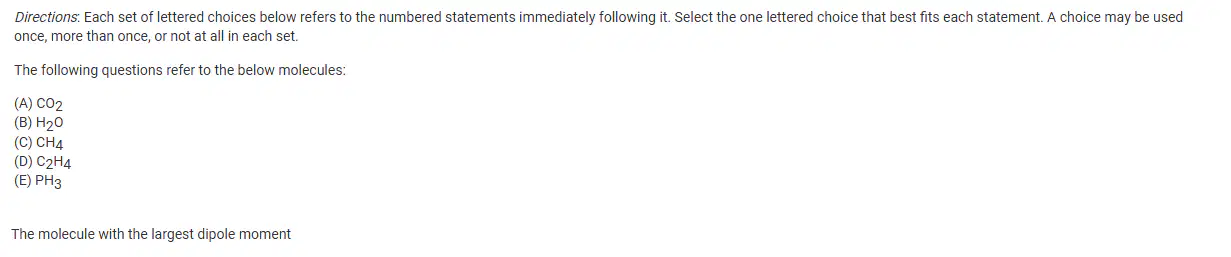
Which of the following molecules has the largest dipole moment?



The solubility of MgF2 is less than that of NaF.
The electronegativity of Mg is greater than that of Na
The mass of the Mg cation is greater than that of the Na cation.
The charge of the Mg cation is larger than that of the Na cation.
The lattice energy of a salt is related to the energy required to separate the ions. For which of the following pairs of ions is the energy that is required to separate the ions largest? (Assume that the distance between the ions in each pair is equal to the sum of the ionic radii.)
Na+(g) and Cl−(g)
Cs+(g) and Br−(g)
Mg2+(g) and O2−(g)
Ca2+(g) and O2−(g)
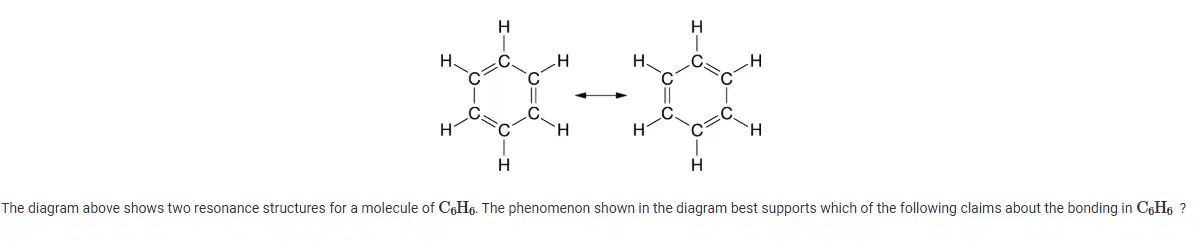
In the C6H6 molecule, all the bonds between the carbon atoms have the same length.
Because of variable bonding between its carbon atoms, C6H6 is a good conductor of electricity.
The bonds between carbon atoms in C6H6 are unstable, and the compound decomposes quickly.
The C6H6 molecule contains three single bonds between carbon atoms and three double bonds between carbon atoms.
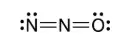
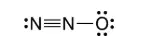
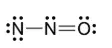
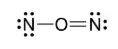
Which of the following Lewis diagrams best represents the bonding in the N2O molecule, considering formal charges?

The NO3− ion is not a polar species.
The oxygen-to-nitrogen-to-oxygen bond angles are 90°.
One of the bonds in NO3− is longer than the other two.
One of the bonds in NO3− is shorter than the other two.

All the atoms in molecule 1 lie in one plane.
All the molecules have the same empirical formula.
The C-C-C bond angle in molecule 2 is close to 180°.
The strongest carbon-to-carbon bond occurs in molecule 3.
In the following diagrams, elements are represented by X and Z, which form molecular compounds with one another. Which diagram represents a molecule that has a bent molecular geometry?

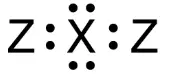

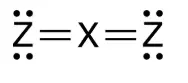
CO2
H2O
C2H4
PH3

CO2
H2O
C2H4
PH3
CO2
H2O
C2H4
PH3
Which of the following molecules contains exactly three sigma (σ) bonds and two pi (π) bonds?
C2H2
CO2
HCN
SO3
Which of the following molecules has an angular (bent) geometry that is commonly represented as a resonance hybrid of two or more electron-dot structures?
CO2
O3
BeF2
OF2
Of the following molecules, which has the largest dipole moment?
CO
CO2
HF
F2
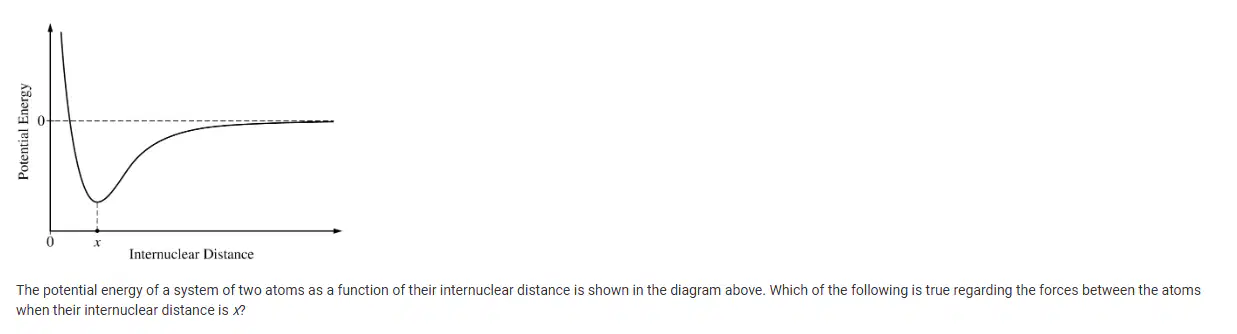
The attractive and repulsive forces are balanced, so the atoms will maintain an average internuclear distance x.
There is a net repulsive force pushing the atoms apart, so the atoms will move further apart.
There is a net attractive force pulling the atoms together, so the atoms will move closer together.
It cannot be determined whether the forces between atoms are balanced, attractive, or repulsive, because the diagram shows only the potential energy



Of the following compounds, which is the most ionic?
SiCl4
BrCl
PCl3
CaCl2
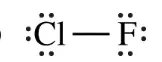
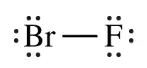
Which of the following Lewis electron-dot diagrams represents the molecule that is the most polar?
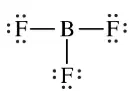
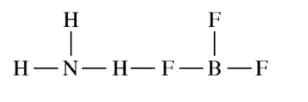
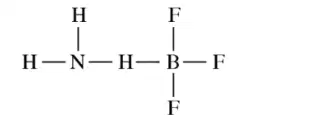
NH3 reacts with BF3 to form a single species. Which of the following structural diagrams is the most likely representation of the product of the reaction?
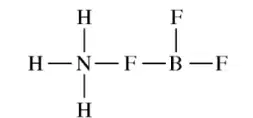
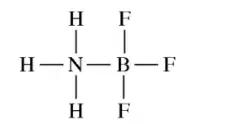
Which of the following molecules contains polar covalent bonds but is a nonpolar molecule?
CH3Cl
CH2Cl2
NH3
CCl4
Which of the following molecules is nonpolar but has polar covalent bonds?
H2O2
H2O
CCl4
CH2Cl2
Of the following single bonds, which is the LEAST polar?
N—H
H—F
O—F
I—F
Which of the following arranges the molecules N2, O2, and F2 in order of their bond enthalpies, from least to greatest?
F2 < O2 < N2
O2 < N2 < F2
N2 < O2 < F2
N2 < F2 < O2
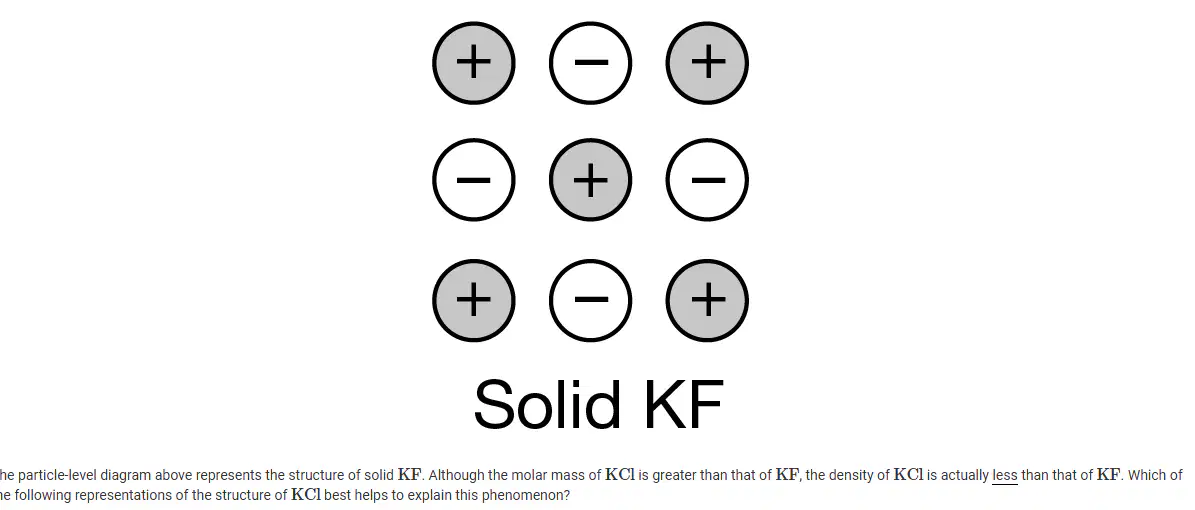
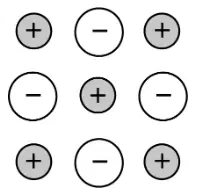
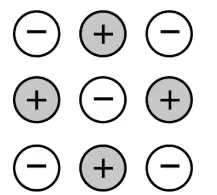
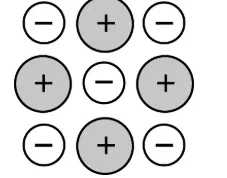
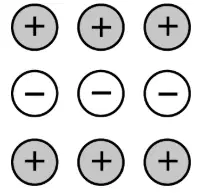
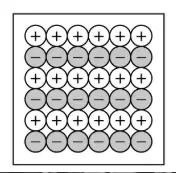
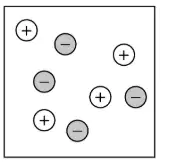
Of the following diagrams, which best represents the structure of solid KF?
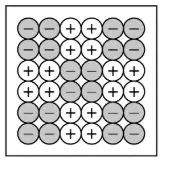
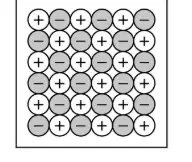
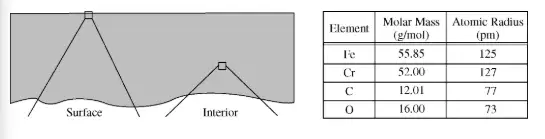
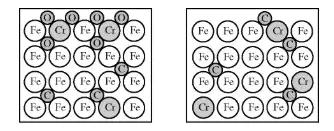
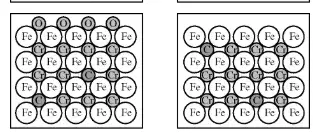
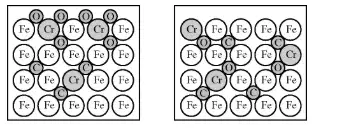
Steel is an alloy consisting of Fe with a small amount of C. Elemental Cr can be added to steel to make the steel less likely to rust; Cr atoms react with oxygen in the air to form a nonreactive layer of chromium oxide on the surface of the steel, preventing the oxidation of underlying Fe atoms. A sample of steel-chromium alloy contains 15 percent Cr by mass. Which of the following diagrams best shows a particle-level view of a surface section and an interior section of the alloy represented below at the left? (The atomic radii of the atoms involved are given in the table below at the right.)
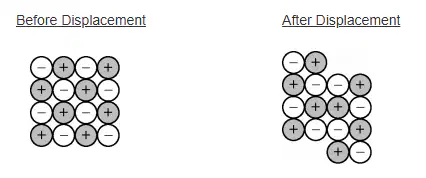
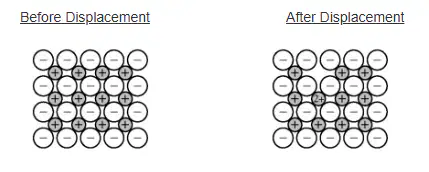
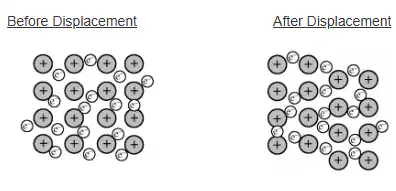
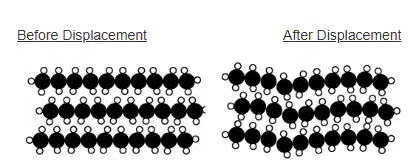
Which of the following diagrams best illustrates how a displacement in an ionic crystal results in cleavage and brittleness?
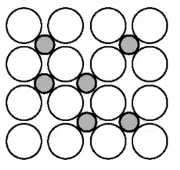
Which of the following diagrams best depicts an alloy of Ni and B?
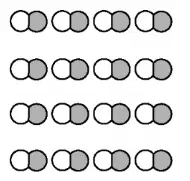
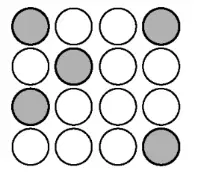
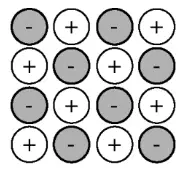
Pi (π) bonding occurs in each of the following species EXCEPT
CO2
CN–
C6H6
CH4


H2<CI2<HCI
H2<HCI<CI2
CI2<HCI<H2
CI2
Resonance is most commonly used to describe the bonding in molecules of which of the following?
CO2
O3
H2O
SF6
Which of the following molecules has the shortest bond length?
N2
O2
Cl2
I2
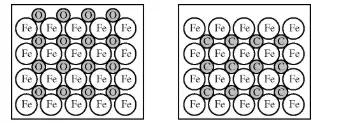
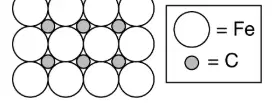
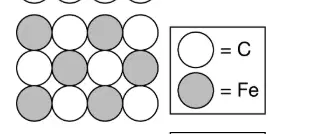
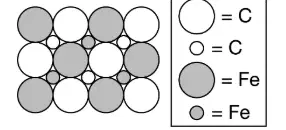
Steel is an alloy containing Fe atoms and C atoms. Which of the following diagrams best represents the particle-level structure of steel?
Responses
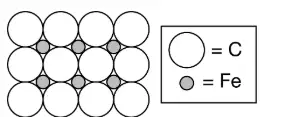
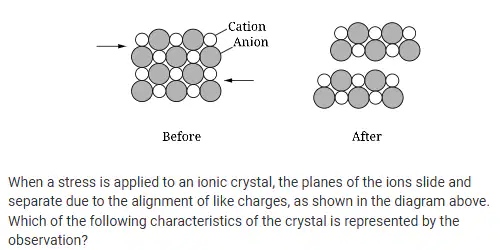
Luster
Brittleness
High melting point
Solubility in water
The BF3 molecule is nonpolar, whereas the NF3 molecule is polar. Which of the following statements accounts for the difference in polarity of the two molecules?
Responses
In NF3, each F is joined to N with multiple bonds, whereas in BF3 , each F is joined to B with single bonds.
N — F bonds are polar, whereas B — F bonds are nonpolar.
NF3 is an ionic compound, whereas BF3 is a molecular compound.
Unlike BF3, NF3 has a nonplanar geometry due to an unshared pair of electrons on the N atom.
The electron-dot structure (Lewis structure) for which of the following molecules would have two unshared pairs of electrons on the central atom?
H2S
NH3
HCN
CO2
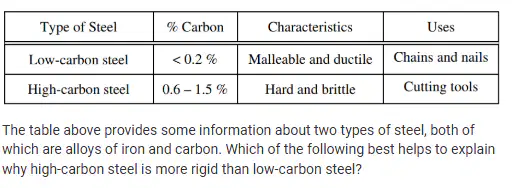
Elemental carbon is harder than elemental iron.
The additional carbon atoms within the alloy make the high-carbon steel less dense.
The additional carbon atoms within the alloy increase the thermal conductivity of the high-carbon steel.
The additional carbon atoms within the alloy make it more difficult for the iron atoms to slide past one another.
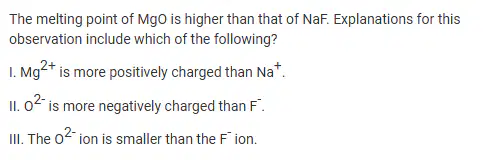
I and II only
I and III only
II and III only
I, II, and III
Which of the following is a nonpolar molecule that contains polar bonds?
CHF3
CO2
HCl
NH3
Which of the molecules represented below contains carbon with sp2 hybridization?
CH2Cl2
C2H6
C2H2Cl2
C2H4Cl2
Which of the following best helps to explain why the value of ΔH° for the dissolving of CaF2 in water is positive?
CaF2(s) is insoluble in water.
CaF2(s) dissolves in water to form CaF2(aq) particles.
Ca2+ ions have very strong ion-ion interactions with F- ions in the crystal lattice.
Ca2+ ions have very strong ion-dipole interactions with water molecules in the solution.
Which of the following has a zero dipole moment?
HCN
SO2
NO2
PF5
Which of the following species is NOT planar?
CO32-
NO3-
ClF3
PCl3

