
 Worksheets
Revision
Total questions: 72
Worksheet time: 40mins
Indian contract Act
A. 1870
B. 1873
C.1872
D.None of the above
Indian contract Act came in to force with effective from
A. 25th April, 1872
B. 25th August ,1873
C. 1st January, 1872
D. 1st September,1872
Choose the correct statement
A. All contracts are agreements
B. All agreements become contracts
C. All contracts are valid
D.None of the above
Unenforceable Agreements are
A. Void Agreement
B. Social Agreements
C. Void Agreement
D. All of the above
Find out Few Essential elements of valid contract
A. Competency of parties
B. Free consent
C.Intention to create legal relationship
D. All of the above
E. None of the above
Offer + Acceptance
A. Contract
B. Agreement
C. Promise
D. Consideration
An agreement which is enforceable by law is
A.Contract
B. Valid agreement
C. Void Agreement
D. Voidable contract
Consideration Means " QUID PRO QUO" i,e
A. Something in return
B. Something not to be returned
C. Object
D.None of the above
Section 10 of Indian Contract Act,1872 Contains
Illegal agreements are
A. valid contract
B. Void contracts
C. Void Agreements
D. Valid agreements

Business law consists of
Indian contract act
Costing
Accounting
Taxation
An offer made to large number of people to the whole world is known as (a)
Persons disqualified to contract under law are
Alien Enemy
Individuals
Convicts
Artificial persons
Consent is not free when it is obtained by
Mistake
Fraud
Misrepresentation
Undue Influence
All of the above
When did The Indian Contract Act came into force?
1800
1872
1876
1819
Which section defines Proposal?
Section 2(a)
Section 2(c)
Section 2(b)
Section 2(d)
Why was the Carbolic Smoke Ball Company made to pay damages to Mrs. Carlill?
Consideration is in fact a value for your promise. Do you Agree?
yes
no
maybe
no idea
THe money declared to be awarded in the case of Lalman Shukla vs. Gauri Dutt
(a)
X agrees to sing a song at Y' theatre.Who is liable to sing?
X
Nominee of X
Agent of X
Legal representative of X
Undue influence involve
Threat
Use of physical pressure
Use of position to obtain an unfair advantage over other
None of these
A contract with a minor is
(a)
Two major elements which defines a contract .......
Offer and acceptance
Agreement and enforceable by law
Consideration and offer
Agreement = (a)
Void Ab Initio Means .............
Enforceable
Valid
Void from the beginning
Pick which contract is void ab initio from the below
Illegal Contract
Voidable contract
Valid contract
when a contract is made expressed ,it includes
written agreement
spoken agreement
both
either written or spoken
mark which statement is true?
all agreements are contracts
all contracts are agreements
all agreements are legal
all agreements are not illegal
What is consensus ad idem?
identity of subject
price
identity of minds
agreement
Which of the following is not an essential element of a valid contract?
Offer and acceptance
Free consent and consideration
Lawful object
Performance
Contract= agreement+ (a)
Indian contract act is based on
The Hiss act
The Mann act
English common law
Consumer Protection Act
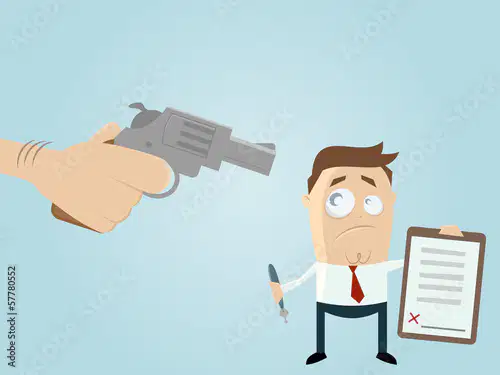
This is a example of (a)
Consent is not free when it is obtained by
Mistake
Fraud
Misrepresentation
Undue Influence
All of the above
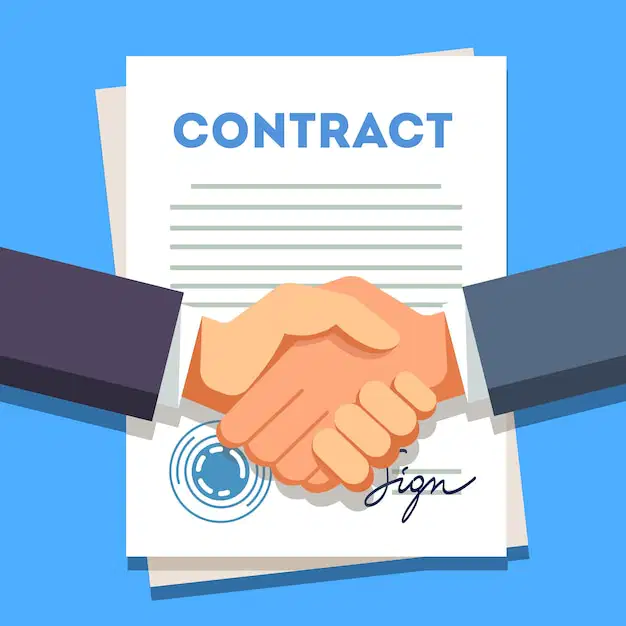
All contracts are agreement but all agreements are not contracts
yes
no
Which of the following are essential elements of Sale of Goods under the act?
Two parties
Both movable and immovable goods
Only movable goods
Price
A contract entered into between the parties by words is called-
Express Contract
Implied Contract
Quasi contract
Specific Contract
Which of the following is the earliest form of incorporation of companies?
Chartered Company
Statutory Company
Registered Company
Government Company
East India Company is a type of............?
Government Company
Registered Company
Chartered Company
Limited Liability Company
Which of the following is an example of Statutory Company
Tata Steel Ltd
Reliance Industries Limited
Hindustan Unilever Ltd
LIC
A company has a separate________________entity.
Physical
Legal
None of these
To be named as a government company, government should_______% of paid up share capital in company.
10 %
20%
40%
51% or more
Which of the following type of companies are exempted to add 'Ltd' or 'Pvt Ltd' at the end of their name?
Govt Company
Private Company
Defunct Companies
Not for profit Companies
Companies incorporated by an act of Parliament are known as_____Companies.
Government Companies
Statutory Companies
None of these
All subsidiary companies of a Government Company are deemed be______Company.
Chartered Company
Government Company
Statutory Company
Defunct Company
Companies incorporated under Indian Companies Act fall under the category of registered company.
True
False
If a member has paid the total value of the shares held by him, he cannot be asked to pay any more in case the company suffers losses.
False
True
Minimum paid-up capital for a public company is fixed as Rs. 3 lakh.
True
False
Minimum number of members in case of a private company is?
1
7
2
3
Minimum number of members in case of a public company is?
1
7
3
2
Maximum number of members in case of private company is?
50
150
100
200
Private companies restrict the right of its members to transfer their shares, if any?
False
True
One Person Company can be incorporated as a.................company?
Public Company
Foreign Company
Private Company
Chartered Company
What is the minimum paid-up share capital in case of a small company?
Rs. 10 Lakh
Rs. 50 Lakh
Rs. 30 Lakh
Rs. 5 Lakh
What is the maximum paid-up share capital of a small company?
Rs. 15 Crore
Rs. 5 Crore
Rs. 25 Crore
Rs. 20 Crore
Corporate Veil is a principle which protects the members from being personally liable for company's debts
True
False
Which of the following is a special feature of a Company?
Artificial Person
Separate Legal Entity
Limited Liability
All of them
A Company has been formed to undertake the business of making designer shoes. This objective of the company would be found in which of the following documents ?
Certificate of incorporation
MOA
Directors certificate of commencement of business
AOA
Which of the following is/are important content(s)/clauses(s) in the MOA of a company ?
Name of the company
Place of business of the company
Objects of the company
Share capital of the company
All ofthe above
What is the primary purpose of the Consumer Protection Act, 2019?
To regulate government policies
To enhance product prices
To protect the interests of consumers
To promote business interests
Which of the following is a feature of the Consumer Protection Act, 2019?
Establishment of Consumer Protection Councils
Elimination of all consumer rights
Increase in product prices
Reduction of consumer complaints
What does the Consumer Protection Act, 2019 provide for consumers?
Redressal for defective products
Limited access to services
Increased marketing strategies
Higher taxes on products
Which of the following is NOT covered by the Consumer Protection Act, 2019?
Unfair trade practices
Misleading advertisements
Government regulations
Defective products
What is one of the objectives of the Consumer Protection Act, 2019?
To assist in protecting consumers
To limit consumer rights
To encourage unethical business practices
To increase product defects
What does the Act aim to provide to consumers regarding their complaints?
Slow resolution
Prompt and affordable resolution
Complicated procedures
No resolution
Which year was the Consumer Protection Act enacted?
1986
1995
2019
2021
What does the Consumer Protection Act, 2019 encourage consumers to do?
Ignore defective products
Speak up against flaws in goods
Accept all services without question
Remain silent about issues
Which authority is established under the Consumer Protection Act, 2019?
Consumer Protection Council
Business Regulation Authority
Trade Practices Commission
Consumer Affairs Bureau
What is a significant change introduced by the Consumer Protection Act, 2019?
It restricts consumer access to information
It eliminates consumer rights
It increases product prices
It replaces the Consumer Protection Act of 1986

