
 Worksheets
Cell Structure and Function Concepts 7th
Total questions: 97
Worksheet time: 2hrs 53mins
Which of the following converts food (glucose) into energy for the cell?
vacuole
mitochondria
cytoplasm
cell membrane
The fluid that surrounds the organelles is... (hint... "Try to pull a fast one and..."
chloroplast
cytoplasm
vacuole
cell wall
Which organelle takes in "sun showers" and helps plants with the process or photosynthesis?
Vacuole
Mitochondria
Cytoplasm
Chloroplast
Which of the following is NOT made up of cells?
snowflake
earthworm
tree
human
Which scientist was credited as being the first in observing cells?
Hooke
Leewenhoek
Virchow
Which scientist concluded that all cells come from other cells?
Schleidon
Hooke
Leeuwenhoek
Virchow
A rigid exterior which protects and supports the cell.
Cell Membrane
Cell Wall
Cytoplasm
Vacuole
Controls all activity in the cell (the brain) and stores DNA
Mitochondria
Chloroplasts
Nucleus
Lysosomes
Fluid that fills the cell and keeps the organelles in place.
Cell Membrane
Cell Wall
Vacuole
Cytoplasm
Power plant of the cell. They create energy called ATP.
Nucleus
Chloroplasts
Mitochondria
Vacuole
Converts sunlight, water, and carbon dioxide into glucose and oxygen in a process called photosynthesis.
Mitochondria
Chloroplast
Nucleus
Lysosomes
Stores water and nutrients for the cell to survive
Vacuole
Lysosomes
Cell Membrane
Ctyoplasm
Follows the instructions of the nucleus and creates proteins
Endoplasmic reticulum
Golgi Bodies
Ribosomes
Nucleus
Packaging plant. They group items together and pack them into packets to ship out of the cell.
Endoplasmic Reticulum
Lysosomes
Mitochondria
Golgi Bodies
Breakdown and detoxify waste material within the cell and get rid of unwanted materials. Cleans the cell.
Mitochondria
Vacuole
Lysosomes
Ribosomes
Prepares the proteins for transfer to the Golgi Bodies.
Endoplasmic Reticulum
Golgi Bodies
Vacuole
Cytoplasm
What type of cell lacks a nucleus?
eukaryotic
prokaryotic
human
animal
A cell in which the genetic material is enclosed within a nucleus is a
eukaryotic cell
prokaryotic cell
human cell
animal cell
Many celled organisms are called
unicellular
multicellular
bicellular
tricellular
Single celled organisms are called
unicellular
multicellular
bicellular
tricellular
Which of the following statements is part of the cell theory?
All living things are made up of one or more cells.
Cells are the basic units of living things.
All cells come from pre-existing cells.
All of these

According to the information in the given chart, what type of cell is cell X?
bacteria cell
plant cell
animal cell
prokaryotic cell
Ian is looking at a cell using a microscope. He sees a nucleus and a large vacuole in the center of a cell. What type of cell is he most likely looking at?
animal cell
plant cell
blood cell
human cell
Select the group of organelles that is common to both plant cells and animal cells.
cytoplasm, mitochondria, cell wall, nucleus
ribosomes, cell membrane, mitochondria, cytoplasm
nucleus, cytoplasm, ribosomes, chloroplasts

These are
plant cells
animal cells
bacteria cells

These are
plant cells
animal cells
bacteria cells
Which of the following is true about cells?
Cells have specialized components that perform different, specific functions.
A cell’s components are all identical and perform the same function.
Cells have specialized components that all perform the same functions.
Which of the following statements is true?
All multicellular organisms have skeletal systems.
All multicellular organisms have specialized cells.
All multicellular organisms have circulatory systems.
All of these
What organelle packages proteins?
Ribosome
Mitochondria
Golgi Body
Cell Membrane
A group of organs working together create an
organelle
organ
organ system
organism
Who gave cells their name when he looked at cork?
Hooke
Van Leeuwenhook
Schlieden
Schwann
What is the correct order of levels?
atom, organelle, cell, molecule
organelle, cell, tissue, organ
organelle, organism, organ, organ system
organism, community, population, ecosystem
Which organelle is responsible for transport of proteins & has ribosomes attached?
Chloroplast
Rough ER
Smooth ER
Cell Wall
Jello-man is representing which organelle that fills the cell?
Cell Membrane
Mitochondria
Chloroplast
Cytoplasm
Choose the correct order below. (small to big)
atom, molecule, organelle, tissue, cell
organism, organ, cell, tissue
cell, tissue, organ, organ system, organism
atom, organelle, organ, organism
_____ makes lipids (fats) for the cell.
Mitochondria
Smooth ER
Ribosome
Rough ER
Who are the 3 scientists that had a part in the CELL THEORY?
Schlieden, Schwann, Virchow
Hooke, Schwann, Schlieden
Schlieden, Virchow, Hooke
Jansen, Hooke, Virchow
A cells divide to create more cells.


This plant will most likely be _______________.
Limp or wilted
stiff and rigid

This plant would most likely be __________________.
Limp or wilted
Stiff and rigid

Which plant would be stiff and rigid?
A
B

Which plant would be wilted or limp?
A
B
The plant wilts when pressure .....
increases
decreases
stays the same
none of the above

Turgor pressure is a result of water in what plant cell organelle?
Mitochondrion
Nucleus
Cell wall
Vacuole
What type of force is being exerted on the cell wall in turgor pressure?
inward
outward
lateral
plain force
An outward force is exerted on the ______ during high turgor pressure.
vacuole
cell membrane and cell wall
nucleus
cytoplasm
A structure made up of different types of tissue and performs a specific job.
cells
tissue
organ
organ system
A group of organs that work together to perform a major function is an ....
organ system
organ
tissue
organism
What is the function of the digestive system?
It transports blood and oxygen to your cells
It breaks down food so the nutrients can be absorbed by your body
It helps you breathe by taking in oxygen and transporting carbon dioxide out of your body
It helps you move
What is the function of the muscular system?
The function is movement of the body through muscles
The function is to get rid of waste
The function is to process food for nutrients and energy
The function is to protect you against disease
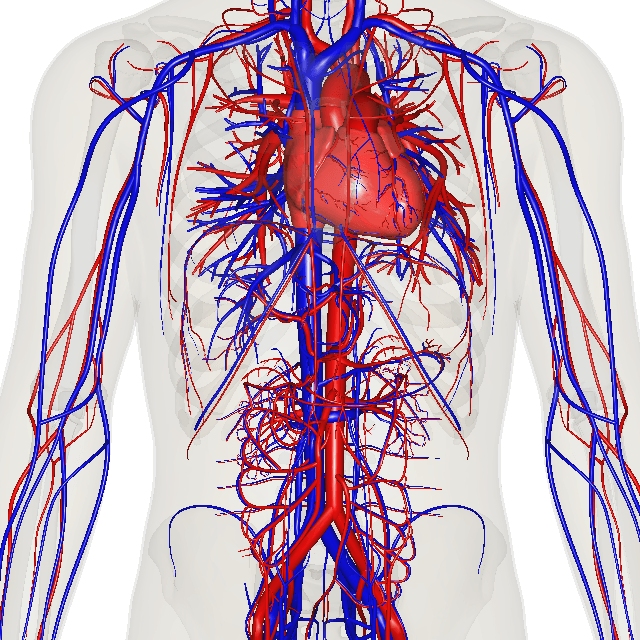
What is the function of the cardiovascular / circulatory system?
To provide nutrients to the whole body
To maintain homeostasis for the body
To fight off infection or disease
To transport nutrients, oxygen, and blood throughout the body
What is the function of the nervous system?
Controls all parts of the body; sends signals between the brain, spinal cord, and nerve endings
What happens when you get nervous to do something
To fight off diseases
To carry oxygen, nutrients, and blood throughout the body
What is the function of the nervous system?
Controls all parts of the body; sends signals between the brain, spinal cord, and nerve endings
What happens when you get nervous to do something
To fight off diseases
To carry oxygen, nutrients, and blood throughout the body
What is the function of the respiratory system?
To digest your food
To remove waste from the body
To take in oxygen and remove carbon dioxide
To fight disease
What is the function of the excretory/urinary system?
Removes liquid waste from your body
digests food
helps you breathe
circulates your blood
The steel beams that hold up a tall building are most analogous (similar) to which body system?
skeletal
muscular
digestive
immune
What is the function of the skeletal system?
Movement of the body
transports oxygen, blood, nutrients throughout the body
removes waste
supports the body by holding it up; muscles are attached to help with movement
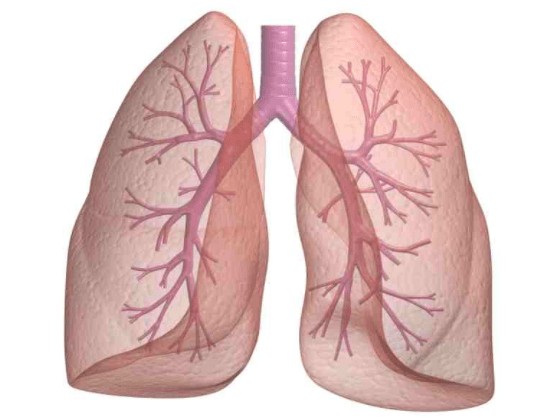


Which system in the human body includes the heart, blood, arteries, and veins?
cardiovascular
muscular
digestive
respiratory
Which statement best describes the relationship between the nervous system and the muscular system?
The nervous system controls the muscular system.
The muscular system controls the nervous system.
The nervous system provides nutrients for the muscular system.
The muscular system provides nutrients for the nervous system.
Which body system transports nutrients and gases?
circulatory
nervous
skeletal
muscular
Which two body systems work together to support the body and allow the body to move?
circulatory and respiratory
digestive and nervous
skeletal and muscular
circulatory and digestive
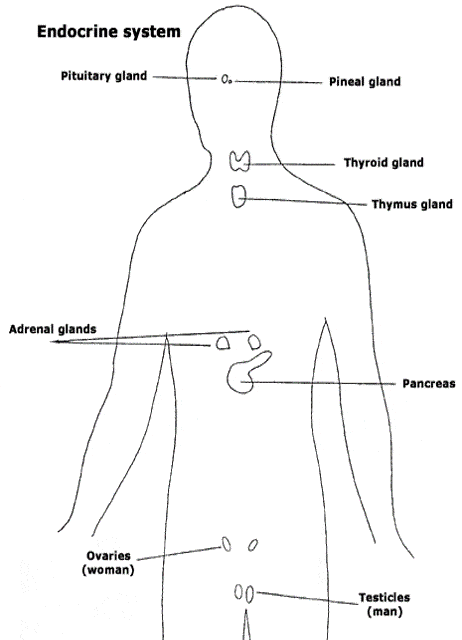
The system that involves the thyroid, pancreas and hypothalamus glands which make hormones is called the ___________.

The maintenance of a constant internal environment when outside conditions change is
homeostasis
infection
pathogenesis
none of these
How does the muscular system and the skeletal system work together?
The muscular system allows the body to stand up while the skeletal system allows the body to move
The muscular system allows the body to move and the skeletal system gives the body a structure
The muscular system gives the body nutrients while the skeletal system gives the body blood
The skeletal system makes blood cells and the muscular system makes nutrients

The main purpose of homeostasis is to...
Fight disease-causing organisms
Keep internal conditions stable
Produce offspring
Replicate DNA

