
 Worksheets
Blissful Biomes Exam Review
Total questions: 94
Worksheet time: 1hrs 21mins


Which biome is located where the map is shaded blue?
Tropical Rainforest
Savanna
Temperate Forest
Tundra

Which biome is located where the map is shaded blue?
Tundra
Taiga
Temperate Deciduous Forest
Temperate Grasslands

Which biome is shaded green on the map?
Taiga (Coniferous forest)
Temperate Deciduous Forest
Temperate Grasslands (Prairie)
Savanna

Which biome is shaded yellow on the map?
Temperate Deciduous Forest
Temperate Grassland (Prairie)
Tropical Grassland (Savanna)
Desert

Which biome is shaded yellow on the map?
Temperate Deciduous Forest
Temperate Grassland (Prairie)
Tropical Grassland (Savanna)
Desert

Which biome is shaded yellow on the map?
Temperate Grassland (Prairie)
Tropcial Grassland (Savanna)
Desert
Tropical Rainforest

Which biome is shaded yellow on the map?
temperate grasslands (prairie)
tropical grasslands (savanna)
desert
tropical rainforest

Which biome is shaded in bright/light blue on the map?
marine
estuary
freshwater
wetlands

Which biome is colored DARK blue on the map?
Marine
Estuary
Freshwater
Wetlands
Which biome's climate is characterized by very low temperatures and little precipitation?
Desert
Taiga
Tundra
Tropical Grasslands (Savanna)
Which biome's climate is characterized by hot temperatures and the least amount of precipitation?
Desert
Taiga
Tundra
Tropical Grasslands (Savanna)
Which biome's climate is characterized by long winters, short winters and moderate amounts of precipitation, mostly in the form of snow?
Temperate Grasslands (Prairie)
Taiga
Tundra
Temperate Deciduous Forest
Which biome's climate is characterized by 4 unique seasons, moderate temperatures and moderate amounts of precipitation?
Temperate Grasslands (Prairie)
Taiga
Tropical Rainforest
Temperate Deciduous Forest
Which biome is characterized by dry and wet seasons?
Temperate Deciduous Forest
Grasslands (Temperate and Tropical)
Desert
Tropical Rainforest
Which biome is characterized by warm temperatures and large amounts of precipitation?
Desert
Tropical Rainforest
Tropical Grassland (Savanna)
Temperate Deciduous Forest
Which BEST describes the differences between the taiga and temperate deciduous forest climates?
The taiga gets colder in the winter.
The temperate deciduous forest receives a little bit more rain.
The taiga has a higher average temperature.
The temperate deciduous forest has less rain than the taiga.
What is permafrost?
A special type of snow.
A layer of soil that is frozen and unable to thaw.
A species of animal.
A species of plant
Which biome has permafrost?
Temperate Grasslands (Prairie)
Temperate Deciduous Forest
Taiga
Tundra
What is a conifer?
A type of tree that sheds its leaves and is dormant during winter (dry) months.
A type of tree that bears its seeds in cones; evergreen, meaning it keeps its leaves year-round
A type of animal that burrows a hole in the ground to make a nest.
A type of animal that builds nests in trees.
Which of the following best describes a deciduous tree?
A type of tree that sheds its broad leaves and is dormant during winter (dry) months.
A type of tree that bears its seeds in cones; evergreen, meaning it keeps its leaves year-round
What does evergreen mean?
A type of tree that keeps its leaves year-round.
A type of tree whose leaves change color in the autumn.
A type of animal that is green its entire life.
A type of flower that has green flowering bodies.
Trees in this biome have needle-shaped leaves to help them conserve energy in the winter months.
Tundra
Temperate Deciduous Forest
Taiga
Tropical Rainforest
This biome is treeless due to the frozen soil preventing deep root growth.
Taiga
Tundra
Temperate Deciduous Forest
Desert
This biome has broad leaves on their trees that change color in autumn.
Taiga
Temperate Deciduous Forest
Temperate Grassland
Tropical Rainforest
This biome has mostly tall grasses and acaica trees in scattered, small groupings.
Desert
Tropical Grassland (Savanna)
Tundra
Temperate Grassland (Prairie)

In which biome would you find giraffes and elephants?
desert
deciduous forest
savanna
tundra

In which biome would you find the best soil? It is called the “Breadbasket of the United States.
grassland
tundra
desert
tropical rain forest

Which biome has a dry season and a wet season?
tundra
tropical rain forest
desert
savanna
Which biome has the worst soil because so much vegetation grows there that are the nutrients are in the trees and plants?
tundra
desert
tropical rain forest
grassland
Which biome gets the most amount of rain every year?
decidious forest
tropical rain forest
desert
tundra

Which biome has the greatest amount of biodiversity? (the most different kinds of organisms)
tundra
grassland
desert
tropical rain forest
Which biome is found around the equator where it is warm all year long?
tundra
tropical rain forest
grassland
coniferous forest (taiga)

Which biome has all four seasons and they are distinct? (you can tell which season it is)
tropical rain forest
desert
deciduous forest
grassland
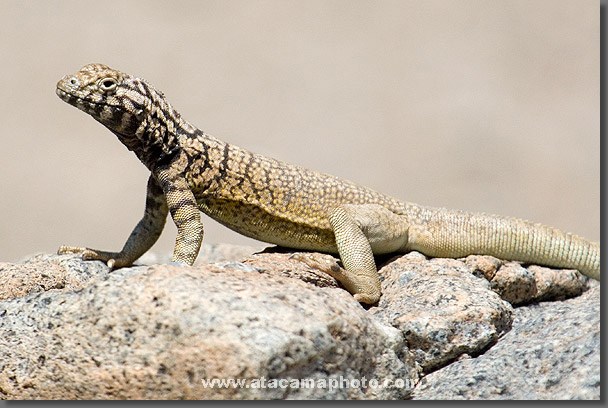
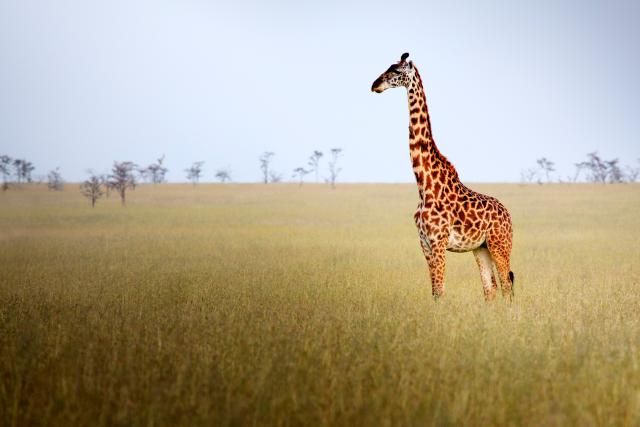


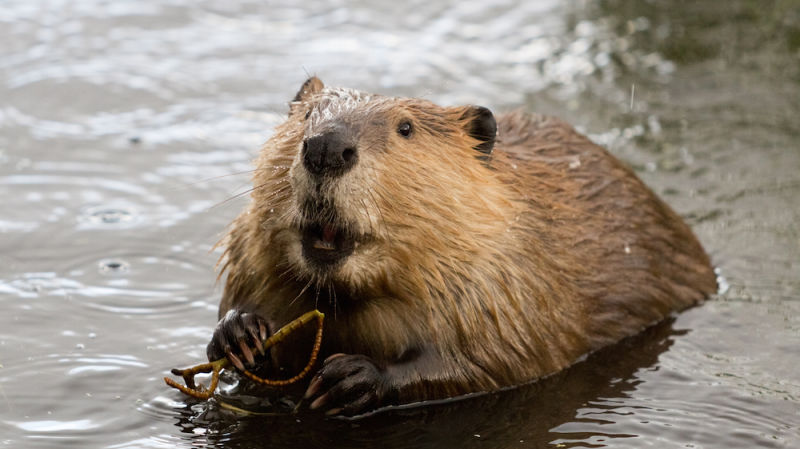


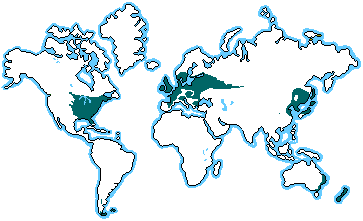
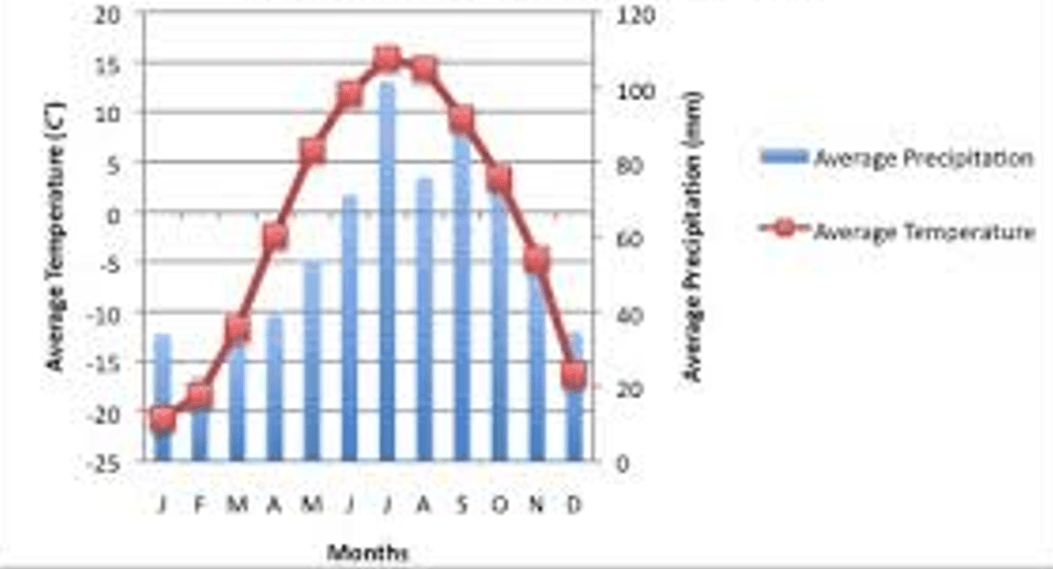
What Biome does this climate graph belong to?
Desert
Tropical Grassland
Temperate Forest
Tundra


Approximately how many inches of rain did Anqing receive in June?
22 inches
20 inches
9 inches
15 inches

Pond/Lake Plants
mangrove, sea rush, oioi, jointed rush
water lilies, algae, cattails
mallard duck, crayfish, snapping turtle
coralline algae, phytoplankton
What is at the base of the food chain in the ocean?
whales
phytoplankton
turtles
zooplankton
Cattails grow near the edges of lakes, ponds and rivers. Like all other green plants, they turn sunlight into sugar that they use for food. Ducks eat the cattails to get the energy stored in them. The relationship between cattails and ducks is best classified as which of the following?
freshwater producer/consumer
freshwater predator/prey
terrestrial predator/prey
terrestrial parasite/host
Which of the following describes a predator/prey relationship in a marine environment?
Phytoplankton in the sea make food from sunlight.
Sharks consume smaller fish they catch in the ocean.
Frogs in a pond catch and eat flying insects.
Fish of the same species compete for plants to eat.
Leeches are organisms that live in ponds. They feed on the blood of fish and other vertebrates and produce enzymes, which cause the animal on which it feeds to continue bleeding even after the leech is done feeding. This relationship would be classified as which of the following?
freshwater producer/consumer
marine predator/prey
freshwater parasite/host
terrestrial parasite/host
Cattails in freshwater swamps in New York State are being replaced by purple loosestrife plants. The two species have very similar environmental requirements. This observation best illustrates
variation within a species
competition between species
isolation of species populations
random recombinations

After researching the diets of several birds inhabiting a nearby pond, a student goes on a field investigation to observe the feeding habits of the birds. The student records information form research and observations in the table.
The student observes a great blue heron catching fish near the edge of the pond. based on the information the student collected, which bird will compete with the great blue heron for the same hunting spots and similar prey?
The mallard, because it hunts for fish while wading near the edge of the pond.
The pied-billed grebe, because it dives in open water to get crayfish on the bottom of the pond.
The great egret, because it hunts in water near the edge of the pond for fish and other prey
none of these.
A(n) _______________ is a partially enclosed body of water formed where a river flows into an ocean. This is one of the major types of aquatic ecosystems, that consists of a mixture of saltwater and freshwater.
Wetland
Estuary
Swamp
Bogs
A(n) ________________ is an area of land that is covered or saturated with water for at least part of the year. Bogs, marshes, and swamps are all examples of this kind of land.
Marine ecosystems
Freshwater ecosystems
Wetlands
Select all of the Abiotic factors below (multiple answers)
water temperature
all the plants in the ecosystem
salinity (salt level)
amount of light
pH levels
What is an aquatic ecosystem?
An aquatic ecosystem includes any water environment and the community of organisms that live there
An aquatic ecosystem includes any land environment and the community of organisms that live there.
What are the three types of water ecosystems?
freshwater, saltwater, marine
freshwater, marine, estuary
freshwater, saltwater, ocean water
none of these are correct
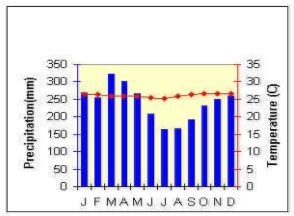
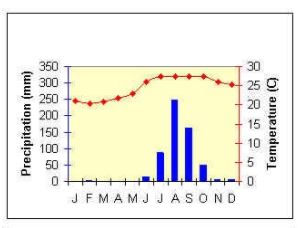
Temperate Grassland
Hot Desert
Tundra
Tropical Grassland
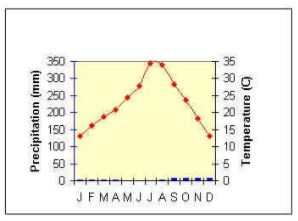
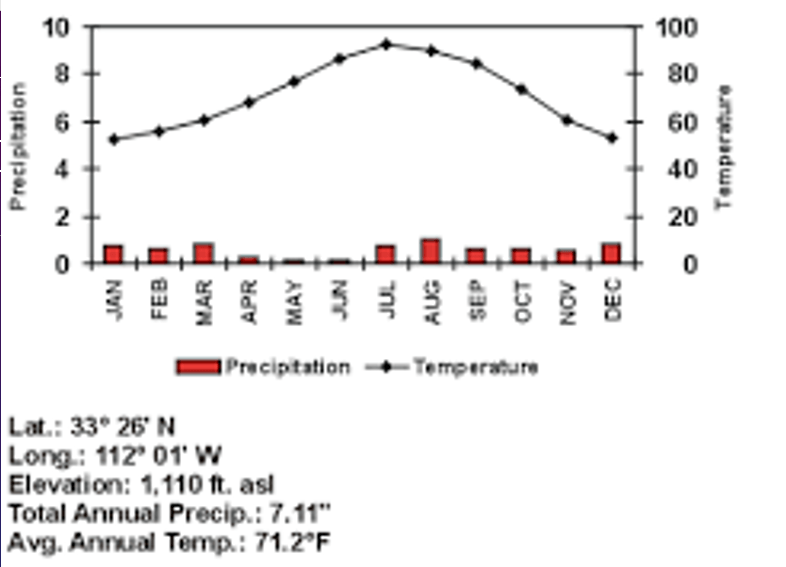
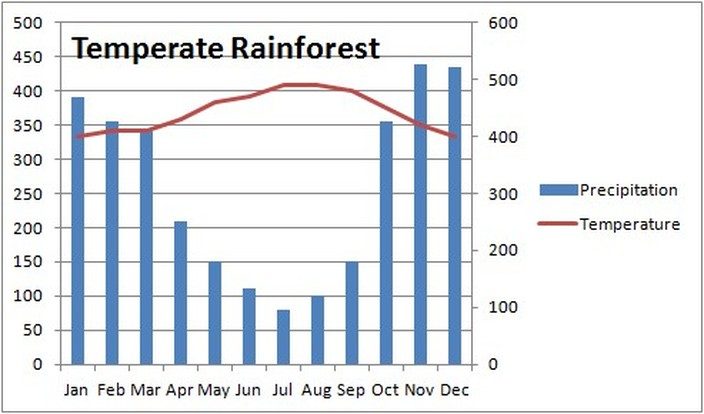
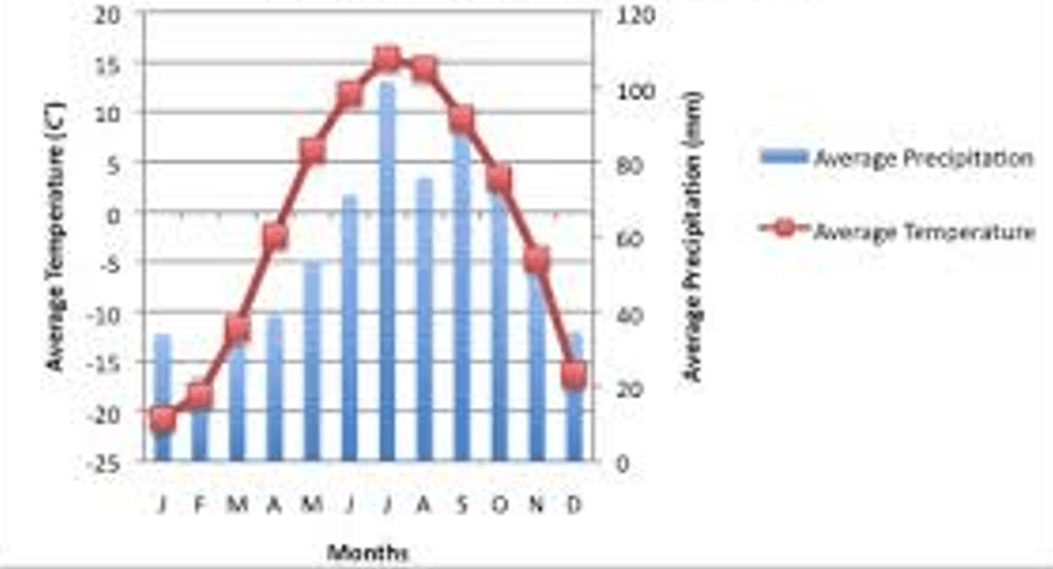
Study the graph and decide the most likely biome
Cold Climate Desert
Tropical Rainforest
Temperate Rainforest
Hot Climate Desert
What is it called when animals move from one area to another.
migration
vacation


Animals that live in the desert have adapted to live with little water since the desert gets little rainfall.

