
 Worksheets
Year 9 Food assessment
Total questions: 90
Worksheet time: 30mins

Food preparation and nutritional education........
builds our practical design skills.
builds our faith in nutrition.
builds our cooking skills and knowledge on food.
builds on our taste buds.

How many food groups are there in the 'EAT WELL' plate?
4
5
3
6

Carbohydrates give us energy, this should make up 1/3 of our diet.
True
False

Fruit and vegetables should make up 1/3 of our diet too. We are advised to eat at least ??? portions a day.
7
6
4
5

Dairy foods based on milk, usually from cows include butter, cheese and yoghurt.
True
False

What does 'FSA' stand for?
Food Stewardship Agency
Food Standards Accountability
Food Sustainable Agency
Food Standards Agency
Is exercise just as important as having a balanced diet?
Yes
No
It depends
Not sure

The 'EAT WELL' plate is a guide to .......
help prevent losing excessive weight and become healthy.
help prevent excessive weight gain and make us unhealthy.
help prevent excessive weight gain and keep us healthy.
help us become underweight and unhealthy.
Personal safety and food hygiene is not important when cooking.
True
False
All food handlers must be aware of the need for personal hygiene to prevent food poisoning.
True
False
We use different coloured chopping boards to avoid
the kitchen becoming un-organised
the colours matching the food you are cutting
cross-contamination and bacterial growth
working in groups during practical lessons
When must we wash our hands?
Before handling food and after eating
Before handling food and after handling food
Before handling food and after going to the toilet
Before going to the toilet and after handling food
Bacteria is microscopic living creatures that live on everything.
True
False
For food safety reasons, a blue plaster must be worn to cover any cuts. This is because........
this looks modern and trendy to look at.
it is much more hygienic than any other plaster.
it stands out, as not many foods are blue.
it matches the blue traditional apron.
We should tie long hair back because
it looks messy and unprofessional.
it can get in the way of you cooking.
it prevents fires and hazards.
the scalp contains large numbers of bacteria.
We should wear an apron to
protect our food from our clothes.
protect our clothes from getting messy.
protect our image in the kitchen.
appear professional in the kitchen.
Bacteria thrive in
cold, moist places
warm, dry places
warm, moist places
cold, dry places
The main difference between personal hygiene at home and in the food industry are.......
chopping boards, hair nets, gloves and antibacterial solution.
chopping boards, kitchen size and antibacterial solution.
chopping boards, hair nets, gloves and many sinks.
chopping boards, many sinks, gloves and antibacterial solution.
Kitchen hygiene and food safety is important to prevent ourselves and our families becoming ill with food poisoning.
True
False
The refrigerator should be no warmer than
3°C
6°C
4°C
5°C

The acronym learnt to analyse food products is ........
Oranges
Apples
Satsumas
Clementine

Any food product can be analysed using SATSUMAS.
True
False

The T in SATSUMAS stands for .......
Texture and tone
Taste and smell
Taste and texture
Smell and Texture

The U in SATSUMAS stands for ?
Unclassified Cost
Unified Cost
Unit Production
Unit Cost

The term product analysis means to .......
Evaluate and complain
Analyse and Avoid
Analyse and evaluate
Analyse and copy
The term product analysis means to .......
Evaluate and complain
Analyse and Avoid
Analyse and evaluate
Analyse and copy

Is the Criteria?
A recipe to follow
The method of how to make the product
Age of the target group
Properties the product must have

Product analysis helps you ........
gain a better understanding of existing products
gain a poor understanding of existing products
gain a better understanding of non-existing products

SATSUMAS would aid you in producing a product specification.
False
True

Information you get from analysing an existing product can help you ............
Copy the product exactly
Complain about that products appearance
Design an unsuccessful version
Design a new more successful product

The purpose of research is to gather the information needed to .........
Design a simplified version of the product
Design a new improved product
Design a version with more allergens

Through Analysing existing meals, I can improve my cooking techniques.
True
False

Through analysing existing meals, I can develop new improved recipes.
True
False

It is also called a vegetable strainer are essential for various tasks from cleaning vegetables to straining pasta or tin contents.
Dredger
Sifter
Spatula
Colander
They are practical for opening food packages, cutting tape or string to package foods or simply to remove labels or tags from items
Can Opener
Kitchen Scissors
Spatula
Potato Masher
It is used to shake flour, salt, and pepper on meat, poultry, and fish.
Funnels
Whisks
Dredger
Flipper

It is a rubber or silicone tools to blend or scrape the food from the bowl; metal, silicone or plastic egg turners or flippers
Spatula
Ladle
Flipper
These are used to chop, blend, mix, whip, puree, grate, and liquefy all kinds of food
Blenders
Refrigerator
Oven
Freezer
This tool is used for serving soup or stews, but can also be used for gravy, dessert sauces or other foods.
Wooden Spoon
Plastic Scraper
Soup Ladle
Serving Spoon
Which of the following is used for peeling fruits and vegetables?


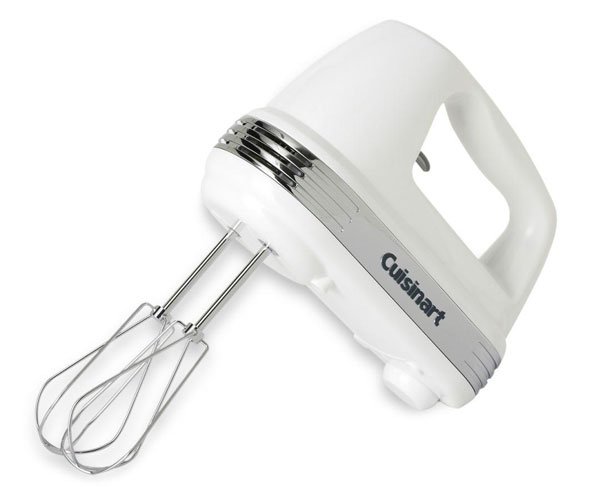
Which of the following is used for beating an egg?


Which of the following is used for frying a fish?


Which of the following is used for measuring liquid ingredients like evaporated milk?


Which of the following is used for keeping the food and ingredients free from contamination and spoliation?


Which of the following mixing tool would be best to use to incorporate air into foods?


Which of the following is used in sifting flour?


Which of the following is used in measuring time in cooking?


Which of the following is used in grating of cheese?


Which of the following cutting tools is used to remove the outer surface of fruits and vegetables?
Shredder-grater
Cutting board
Kitchen shears
Peeler
Which of the following preparation tools would you use for turning meats and fried foods, and for handling foods such as corn on the cob, hard-cooked eggs, and baked potatoes?
Tongs
Kitchen ford
Ladle
Baster
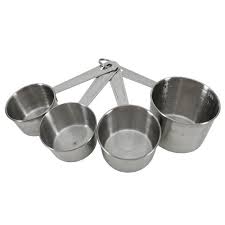
2. Which one of these is NOT a standard measuring cup size?
1/4 cup
1/3 cup
1/2 cup
3/4 cup
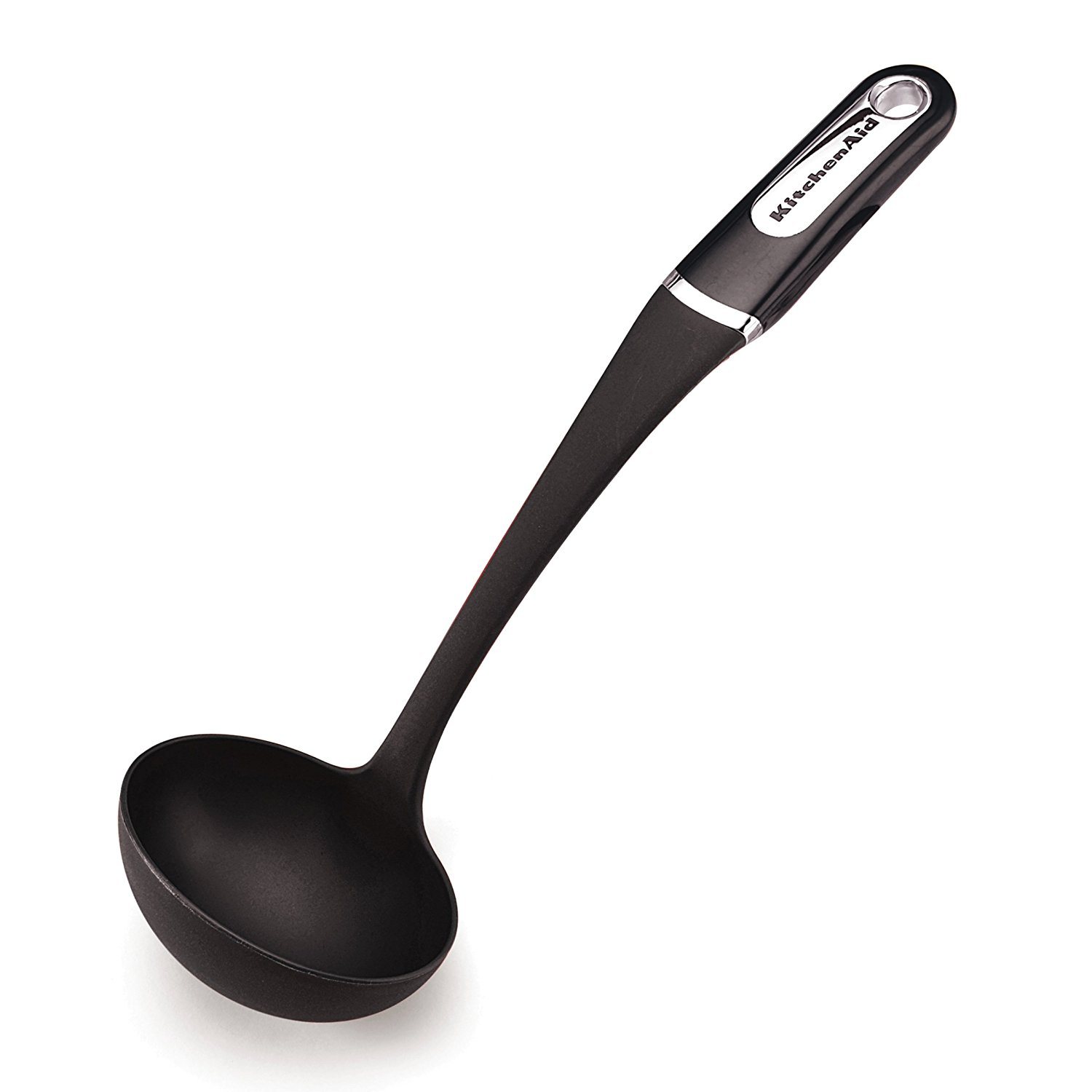
What is a name of this?
Cuttery
Whisk
Spoon
Ladle
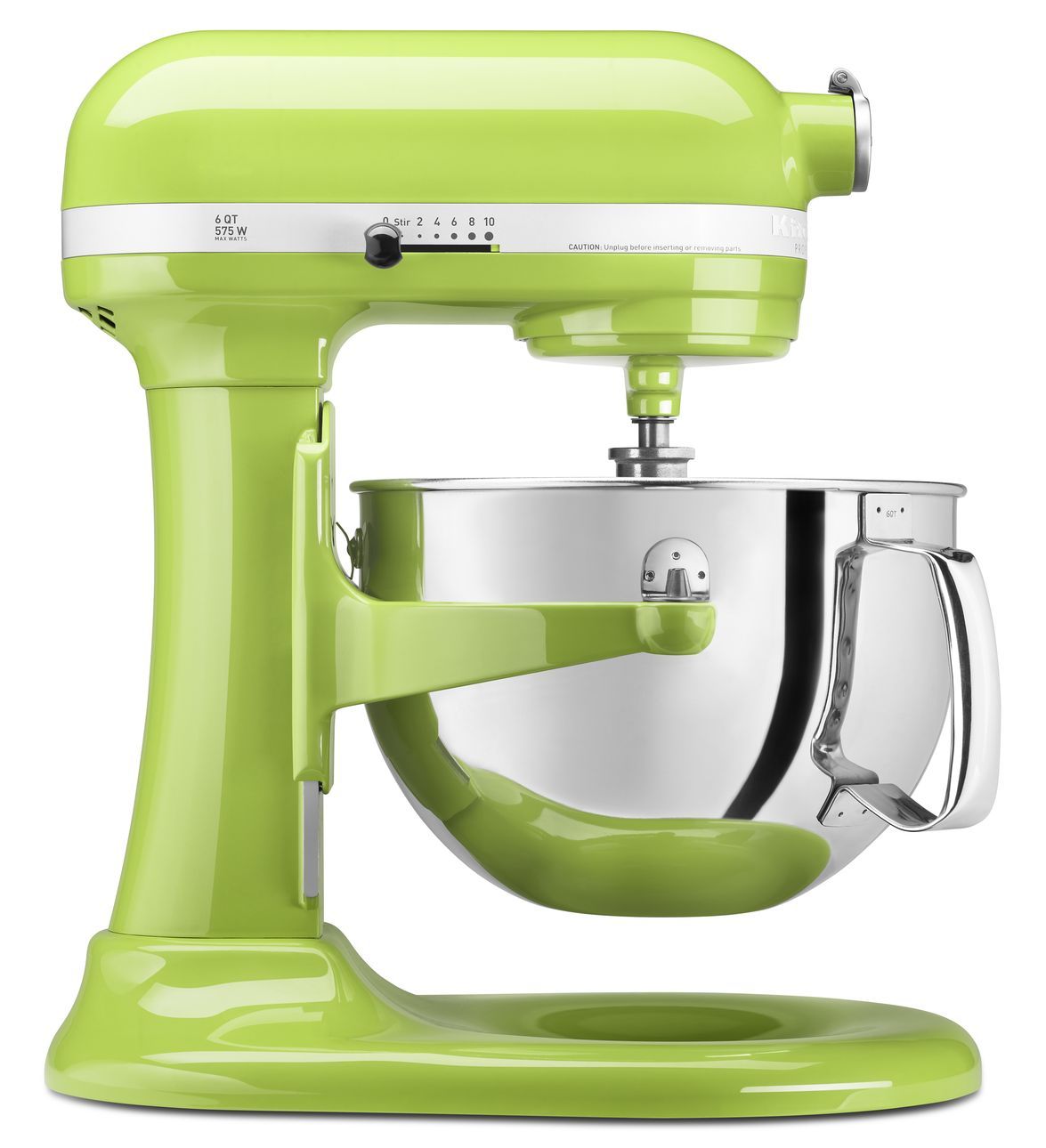
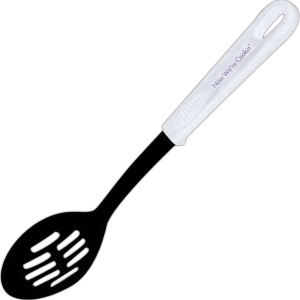
This item is most commonly used to retrieve food from a hot liquid.
Sifter
Rotary Beater
Mixing Spoon
Slotted Spoon
All of the following tools could be used to lift and turn meat during cooking EXCEPT...
Tongs
Turner
Rubber Spatula
Wooden spoon
Which piece of equipment is used to roll and stretch out dough?
Rolling pin
Kitchen shears
Pastry blender


Q1-Name one symptom of diabetes
Getting tired
Having low performance in studies
Having headache
Stunted growth
Q2-Name 1 point how to prevent diabetes
Eating a lot of oil
Exercising daily
Eating a lot of salt
Having a lot of medicines
Q3-What is diabetes ?
A condition in which there are frequent headaches
a condition in which there is loss of appetite
a condition in which there is difficulty to breath
a condition in which there is excess sugar in the blood
Q4-What is obesity ?
An excessive height
An excessive blood
An excessive amount of body fat
An excessive amount of sugar level
Q5-1 point to avoid obesity
Eat more food
Do physical activities
Do nothing just relax
None of the above
Q6-Obesity increases your risk of-
Heart disease
Sugar
Headache
Viral fever
How to prevent lifestyle related diseases
Do not do physical activities
Use more of oil and salt
Eat a balanced diet
What happen's when a person eat's a lot of junk food ?
All of the above
All nutrients are not obtained
The person may fall ill often
The person may become obese
None of the above
Q10-One symptom of anaemia is -
Headache
Breathlessness
All of the above
None of the above
Q11-One point to prevent anaemia
Eat less salt
Don't do any physical activity
Don't rest at all
None of the above
Anaemia is a deficiency in the number or quality of red blood cells in your body.
True
False
The most common cause of anaemia is high levels of iron in the body.
True
False
Layers of flat pasta and ground beef (or other meats), cheese, and tomato sauce. It is baked in an oven. Garlic and oregano are added for flavor.


Diabetes, Cancer, and Coronary Heart Disease are all examples of?
Health-Related Positives
Nutrition-Related Diseases
New Diseases
Health Concepts
BMI stands for:
Bring More Ice
Be Mindfully Insticntive
Body Mass Index
Best Movie Issued
Processed cupcakes and sugary candy are considered:
Saturated Fats
Oily Fats
Trans Fats
Whole Fats
Risk factors that can lead to obesity include:
Inactive Lifestyle
Overeating
Neither A nor B
Both A and B
(True or False) BMI can be measured.
True
False
The recommended amount of minutes for exercise is:
20
45
60
30
In order to maintain a healthy weight one must:
Exercise Regularly
Eat a balanced diet
Maintain a positive mood often
All of the above



