wayground logo

Free Printable Worksheets

Font size

S
M
L
XL
Worksheets

Chemical Bond Test Review

Total questions: 85

Worksheet time: 2hrs 44mins

Name
Class
Date
1.

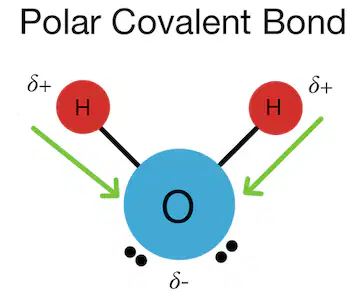
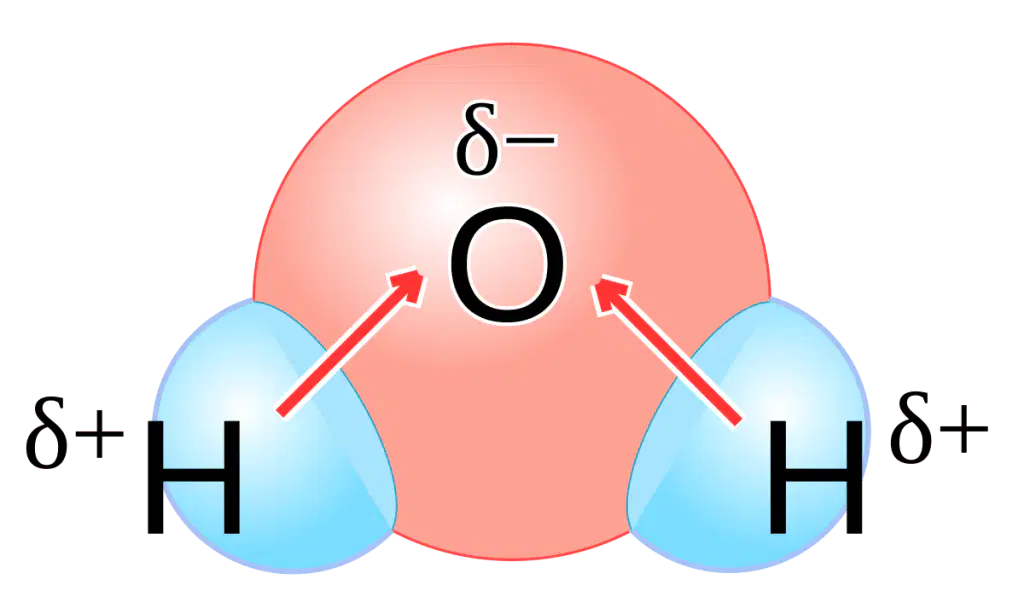
What part of a water molecule has a positive dipole?

a)

Oxygen

b)

Hydrogen

c)

No dipoles

2.

What is the shape of carbon tetrahydride?

a)

Triagonal planar

b)

Bent

c)

Tetrahedral

d)

Octahedral

3.

Which molecule has the strongest bond?

a)

HF

b)

HCl

c)

HI

4.

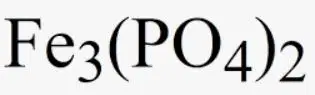
What is the name of this compound?

a)

Iron phosphide

b)

Iron (II) phosphate

c)

Iron phosphite

d)

Iron (III) phosphite

5.

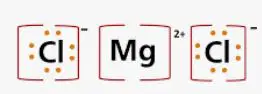
What is formula for this Lewis Structure?

a)

MgCl

b)

MgCl2

c)

MgClCl

6.

NH3 is a ... molecule

a)

Polar

b)

Nonpolar

7.

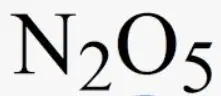
What is the name of this molecule and what type of bond is it?

a)

Dinitrogen Trioxide, covalent

b)

Dinitrogen Pentoxide, covalent

c)

Dinitrogen Pentoxide, ionic

d)

Nitrogen oxide, ionic

8.

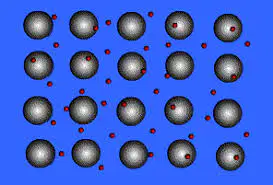
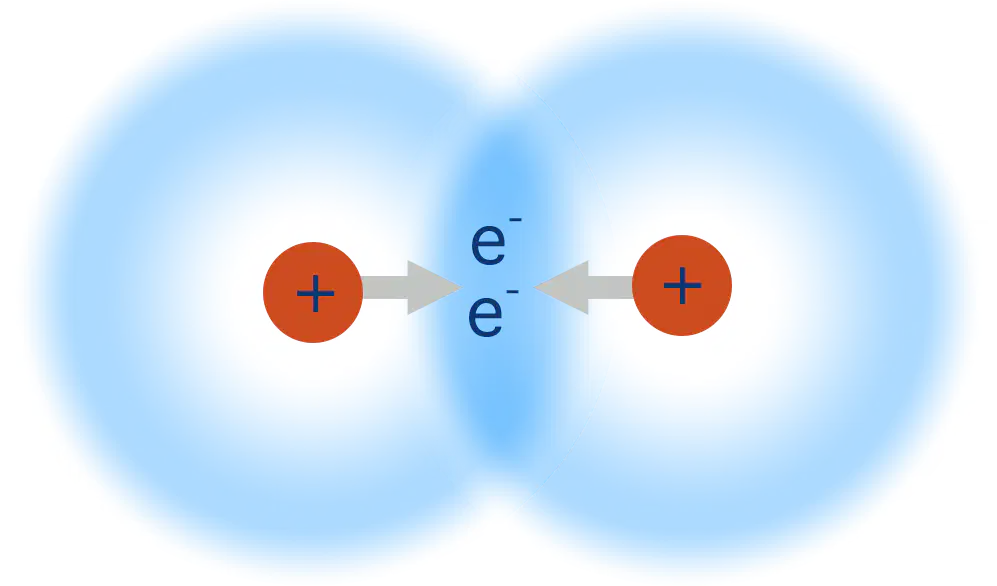
What type of bond does this image portray?

a)

Covalent Bond

b)

Ionic Bond

c)

Metallic Bond

9.

Which option below would form an ionic bond with Iodine?

a)

Calcium

b)

Carbon

c)

Phosphorus

d)

Oxygen

10.

Which element is the anion in the compound Sodium Sulfide?

a)

Na

b)

S

c)

SO4

d)

So

11.

Is this molecule polar or non-polar?

a)

Polar

b)

Non-polar

12.

Is this molecule polar or non-polar?

a)

Polar

b)

Non-polar

13.

Is this molecule polar or non-polar?

a)

Non-polar

b)

Polar

14.

Is this molecule polar or non-polar?

a)

Non-polar

b)

Polar

15.

Is this molecule polar or non-polar?

a)

Polar

b)

Non-polar

16.
In covalent bonds, electrons are ___________.
a)
transferred
b)
gained
c)
lost
d)
shared
17.
In a polar covalent bond, electrons are shared ___________.
a)
equally
b)
unequally
c)
between non-metals with similar electronegativities
d)
between a metal and a non-metal
18.
In this Lewis structure, the symbol above F means...
a)
electrons are being transferred to Fluorine
b)
electrons are less attracted to F than H
c)
electrons are more attracted to F than H
d)
Fluorine has formed a cation
19.
This is an example of a __________ bond.
a)
non-polar covalent
b)
polar covalent
c)
ionic
d)
metallic
20.
A bond with a partially negative end and a partially positive end is:
a)
ionic
b)

polar covalent

(has dipoles)

c)

non-polar covalent

(no dipoles)

d)

Metallic

21.
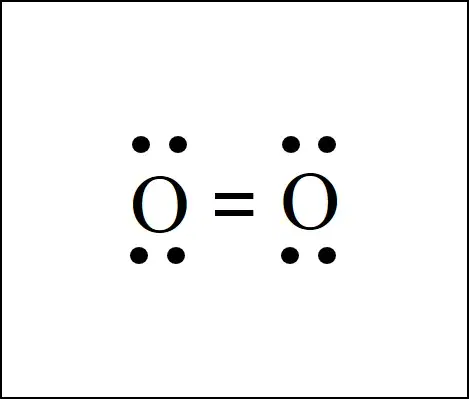
A diatomic molecule like O2 is always_______ because electrons are shared ________.
a)
nonpolar; equally
b)
polar; equally
c)
nonpolar; unequally
d)
nonpolar; unequally
22.
Which formula represents a polar molecule?
a)
H2
b)
H2O
c)
CO2
d)
CCl4
23.
What geometry will this molecular structure have?: PH3
a)
bent
b)
tetrahedral
c)
linear
d)
trigonal pyramidal
24.
What geometry will this molecular structure have?: H2S
a)
bent
b)
tetrahedral
c)
linear
d)
trigonal pyramidal
25.
What geometry will this molecular structure have?: CCl4
a)
bent
b)
tetrahedral
c)
linear
d)
trigonal pyramidal
26.
What is the VSEPR theory used to predict?
a)
Bond Strength
b)
Polarity
c)
Molecular Shape
d)
Electronegativity
27.
According to VSEPR, molecules adjust their shapes to keep which of the following as far away as possible?
a)
Pairs of valence electrons
b)
Inner shell electrons
c)
Mobile Electrons
d)
Electrons closest to the nucleus
28.
What is the measure of a tetrahedral bond angle?
a)
90 Degrees
b)
109.5 Degrees
c)
120 Degrees
d)
180 Degrees
29.
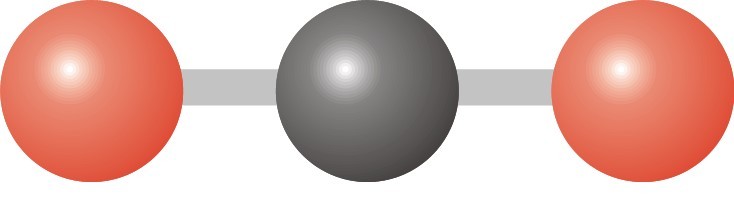
Which molecule would have this shape?
a)
BF3
b)
CH4
c)
PCl5
d)
CO2
30.
Which of the following molecular shapes would have a bond angle of 180 Degrees?
a)
Bent
b)
Trigonal Planar
c)
Tetrahedral
d)
Linear
31.
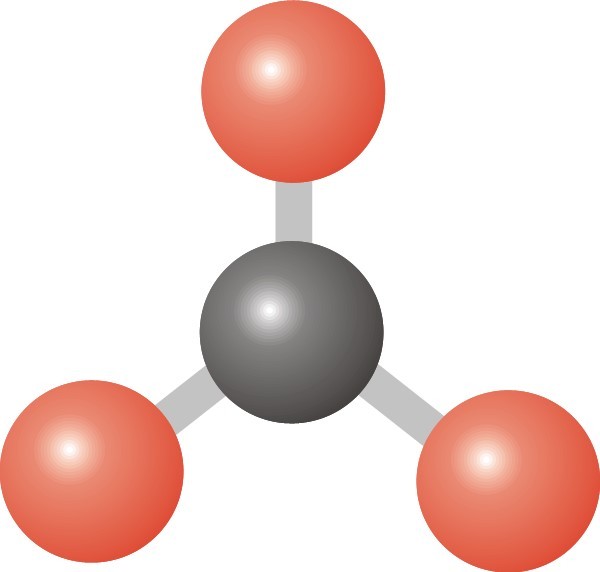
What molecule could this be? 
a)
BF3
b)
CH4
c)
H2O
d)
CO2
32.

Which shapes are created by lone pairs of electrons? 

a)
Bent and Pyramidal
b)
Trigonal Planar and Bent
c)

Tetrahedral and Octahedral

d)
Pyramidal and Linear
33.
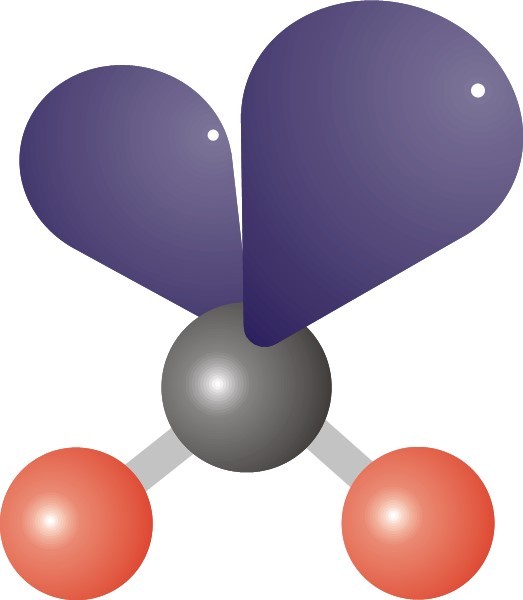
Who could this be? 
a)
CO2
b)
NH3
c)
H2S
d)
CH4
34.
 A lone pair is defined as
a)
A pair of bonding electrons
b)
One non-bonding electron
c)
A pair of non-bonding electrons
d)

A line

35.

When building a Lewis Structure for a covalent molecule, which statement is true below:

a)

Hydrogen and Halogens are always the center molecule

b)

The least electronegative atom is the center atom

c)

Hydrogen and Halogens are NEVER the center molecule

d)

Covalent molecules to not create molecular shapes.

36.

Ionic bonds are formed between...

a)

Non - metals

b)

A metal and a non-metal

c)

Metals

37.

Which of the below is an ionic compounds?

a)

Ni

b)

MgCl2

c)

H2O

d)

CH4

38.

How is an ionic bond formed?

a)

Sharing of electrons

b)

Delocalised electrons

c)

Transfer of electrons

39.
In the chemical formula for an ionic compound, which item is written first?
a)
positive ion
b)
negative ion
c)
subscript
d)
the female
40.

What properties does an ionic compound have?

a)

A low boiling point and it conducts electricity when dissolved in water

b)

A high melting point and it conducts electricity when molten or dissolved

c)

A high boiling point and it conducts electricity when solid

41.

The name of FeCl₂ is

a)

iron chloride

b)

iron (II) chloride

c)

iron (I) chloride

d)

iron dichloride

42.

LiBr is called

a)

lithium bromine

b)

lithium (I) bromine

c)

lithium bromide

d)

lithuim (I) bromide

43.

Name the following ionic compound: BeCl2

a)

beryllium chlorine

b)

beryllium II chloride

c)

beryllium chloride

d)

beryllium dichloride

44.

What is the name of the compound Na2(SO4)?

a)

Sodium sulfate

b)

Sodium sulfide

c)

Sodium sulfite

d)

Sodium sulfuroxide

45.

What is the name of the compound Sc(OH)3?

a)

Scandium (III) hydroxide

b)

Scandium (I) hydroxide

c)

Scandium (II) hydroxide

d)

Scandium hydroxide

46.
What would be the proper chemical formula for combining Al3+ and Cl- :
a)
AlCl3
b)
Al3Cl
c)
AlCl
d)
Al3Cl3
47.
What formula results when Ca+2  and  Br- ions bond?
a)
Ca2Br2
b)
CaBr
c)
Ca(br)2
d)
CaBr2
48.

MgI2

a)

Magnesium Iodine

b)

Monomagnesium di-iodide

c)

Magnesium iodide

d)

Magnesium tetraiodide

49.
What is the name of this polyatomic ion?  NH4+
a)
Chlorate
b)
Nitrate
c)
Nitrite
d)
Ammonium
50.

When naming a compound, what must the last part be?

a)

the element with "ide" at the end

b)

the element with the ending "ite"

c)

the name of the element

d)

the element with "ide" at the end, unless its a polyatomic ion

51.
An example of a polyatomic ion is:
a)
O2-
b)
Na+
c)

(CO3)2-

d)
Ag+
52.

Which of the following is nitrate?

a)

(NO)-

b)

(NO2)-

c)

(NO3)-

d)

(NO4)-

53.

Which of the following is ammonium?

a)

(NH4)+

b)

(NO3)-

c)

(NO2)-

d)

(MnO4)-

54.

Which of the following is carbonate?

a)

(Cr2O4)-2

b)

(C2H3O2)-

c)

(CO3)-2

d)

(CN)-

55.

Which of the following is hydroxide?

a)

(C2O4)-2

b)

(Cr2O4)-2

c)

(O3)-2

d)

(OH)-

56.

Which of the following is phosphate?

a)

(PO4)-3

b)

(O2)-2

c)

(OH)-

d)

(CO3)-2

57.

Which of the following is sulfate?

a)

(S2O3)-2

b)

(O2)-2

c)

(SO4)-2

d)

(SO3)-2

58.
Which of the following is chromate?
a)
CrO42-
b)
CrO32-
c)
CrO22-
d)
CrO2-
59.

What is the correct formula for the polyatomic ion called chlorate?

a)

(ClO)

b)

(ClO2)

c)

(ClO3)

d)

(ClO4)

60.

What is the formula for the polyatomic ion called cyanide?

a)

(CrO4)-2

b)

(Cr2O4)-2

c)

(CO3)-2

d)

(CN)-

61.

What is the formula for the polyatomic ion called acetate?

a)

(C2H3O2)-1

b)

(C3H2O3)-1

c)

(C2H2O3)-1

d)

(C3H3O2)-1

62.

Which of the following polyatomic ions have a -2 charge?

a)

(PO4)-x

b)

(NO3)-x

c)

(CO3)-x

d)

(C2H3O2)-x

63.
Hydroxide
a)
Cr2O4-2
b)
Cr2O4-2
c)
O3-2
d)
OH-
64.
What is the name of this polyatomic ion?  MnO4-
a)
Carbonate
b)
Permanganate
c)
Phosphate
d)
Chromate
65.
Sulfite
a)
S2O3-2
b)
O2-2
c)
SO4-2
d)
SO3-2
66.
acetate
a)
C2H3O21-
b)
C3H2O31-
c)
C2H2O31-
d)
C3H3O21-
67.

Is O2 a diatomic element?

a)

Yes

b)

No

68.

A diatomic molecule is best defined as:

a)

Two of the SAME TYPE of atom bonded together

b)

Three DIFFERENT atoms that are bonded together

c)

Two DIFFERENT atoms that are bonded together

69.

Bicarbonate

a)

HCO3

b)

CO32–

c)

CrO42–

d)

CN

70.

HSO41-

a)

Sulfate

b)

Bisulfate (hydrogen sulfate)

c)

Sulfite

d)

Bicarbonate (hydrogen carbonate)

71.
Phosphate
a)
PO4-3
b)
O2-2
c)
OH-
d)
CO3-2
72.

What type of energy breaks an ionic bond?

a)

Lattice

b)

Ionic

c)

Hydrogen

d)

Hulk

73.

What diatomic element has triple bonds?

a)

Nitrogen

b)

Oxygen

c)

Carbon

d)

Bromine

74.

What diatomic element has double bonds?

a)

Nitrogen

b)

Oxygen

c)

Carbon

d)

Bromine

75.

What type of bond typically has a low melting point?

a)

Ionic

b)

Covalent

c)

Metallic

d)

Hydrogen

76.

Is this molecule polar or non-polar?

a)

Polar

b)

Non-polar

77.

Is this molecule polar or non-polar?

a)

Non-polar

b)

Polar

78.

When you have H-Cl, what is the polarity?

a)

nonpolar

b)

polar

c)

ionic

79.

What is the correct Lewis Dot Structure for ammonia NH3

a)
b)
c)
d)
80.

What is a positive ion called?

a)

anion

b)

cation

c)

isotope

d)

covalent

81.

What is a negative ion called?

a)

anion

b)

cation

c)

covalent

d)

isotope

82.

If an atom loses electrons, the charge will be positive.

a)

true

b)

false

83.

Match the following

a)

gain electrons

1.

anions

b)

lose electrons

2.

cations

c)

cations are

3.

positively charged

d)

anions are

4.

negatively charged

e)

atoms are

5.

neutral

84.

Atoms tend to gain, lose, or share electrons in order to acquire 8 valence electrons.

a)

chemical bond

b)

cation

c)

octet rule

d)

anion

85.
What is an ion?
a)
A Charged Atom
b)
A Large Atom
c)
A Small Atom
d)
A Cute Atom