
 Worksheets
Environmental Concerns Quiz
Total questions: 44
Worksheet time: 22mins
Which of the following is considered the most complex and vital feature of our planet?
Water pollution
Biodiversity
Deforestation
Climate Change
What is a huge concern for us and our environment according to the document?
Climate Change
Biodiversity
Water pollution
Deforestation
Why is deforestation a concern?
It increases biodiversity
We need plants and trees to survive
It reduces water pollution
It helps in climate change
Which of the following is NOT listed as a top environmental concern in the document?
Pollution
Climate Change
Overpopulation
Deforestation
How can we protect our environment in construction?
By using more non-renewable resources
By recycling and reusing materials
By increasing landfill usage
By ignoring waste management
What does environmental protection mean?
Increasing pollution levels
Ignoring environmental issues
Activities to maintain or restore the quality of the environment
Promoting industrial waste
What is the biggest negative impact of construction firms on the environment?
Use of renewable energy
Burning of fossil fuels
Recycling of materials
Planting trees
Which gases are emitted by construction projects that contribute to global warming?
Oxygen and nitrogen
Hydrogen and helium
Carbon dioxide and methane
Neon and argon
What happens to the waste produced by construction projects?
It is recycled
It is used as fertilizer
It goes to landfill
It is converted to energy
What percentage of climate change is the construction industry responsible for?
30%
50%
70%
90%
How much of the global energy usage is attributed to the construction industry?
20%
30%
40%
50%
What percentage of landfill waste is caused by the construction industry?
25%
35%
50%
60%
Which of the following is NOT a responsibility of the construction industry according to the text?
Air pollution
Water pollution
Noise pollution
Soil erosion
What is a benefit of implementing environmental protection measures in construction?
Increased construction costs
Improved quality of construction products
Decreased profits for construction firms
Longer building times
Which of the following is a way the construction industry can help the environment?
Eco-Friendly Building Design
Increased Use of Fossil Fuels
Deforestation
Non-Recyclable Materials
What is one of the methods mentioned for lowering the impact of construction on the environment?
Green Construction Practices
Increased Carbon Emissions
Use of Non-Renewable Resources
Expansion of Urban Areas
Which practice is included in sustainable building operations?
Sustainable Building Operations
Use of Hazardous Materials
Ignoring Waste Management
Overuse of Water Resources
What is the role of the Committee on Climate Change in the UK?
It is a legislative body
It is an advisory committee
It is a research institute
It is a non-governmental organization
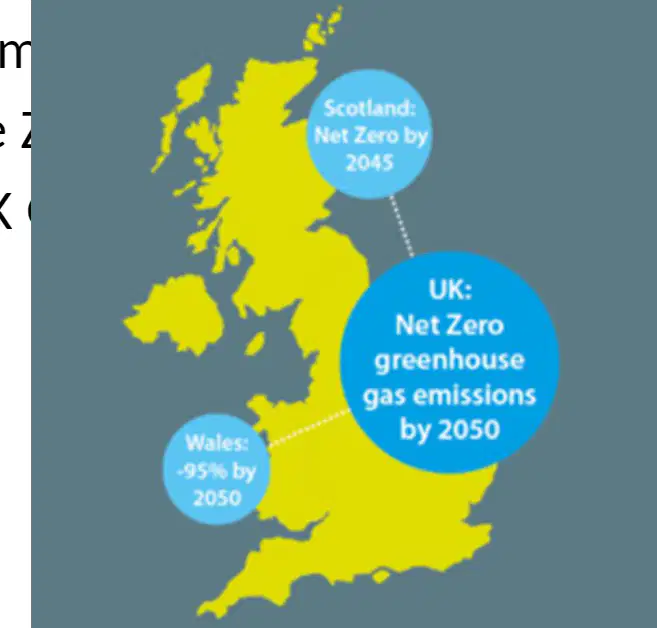
What is the main target for UK carbon emissions according to the document?
To increase by 10% by 2050
To be zero by 2050
To reduce by 50% by 2040
To be zero by 2040
When was the Climate Change Act adopted by the UK government?
2005
2008
2010
2015
When was the Climate Change Act passed in the UK?
2005
2008
2010
2015
What is the main goal of the Climate Change Act regarding carbon emissions?
Increase emissions by 50% by 2050
Maintain emissions at 1990 levels
Reduce emissions to 80% below 1990 levels by 2050
Eliminate all emissions by 2050
What makes the Climate Change Act significant on a global scale?
It was the first act to address water pollution
It was the first global legally binding climate change mitigation target set by a country
It was the first act to promote renewable energy
It was the first act to ban plastic use

Which of the following is a driver for recent legislation changes and government incentives?
Climate Change
Economic Growth
Technological Advancements
Population Increase

What is one of the key factors influencing government incentives according to the diagram?
Fuel Security
Urban Development
Renewable Energy
Digital Transformation

According to the diagram, which issue is related to energy affordability?
Fuel Poverty
Climate Change
Infrastructure Development
Technological Innovation
What is identified as a major contributor to climate change according to scientific evidence?
Methane (CH4)
Carbon Dioxide (CO2)
Nitrous Oxide (N2O)
Ozone (O3)
What does the document suggest about the nature of climate change?
It is entirely man-made.
It is a natural cycle with historical evidence.
It is a recent phenomenon.
It is not supported by scientific evidence.
What is the implication of CO2's role in climate change as mentioned in the document?
CO2 has no impact on climate change.
CO2 is reducing the timeline of natural events.
CO2 is accelerating the timeline of natural events.
CO2 is unrelated to climate change.
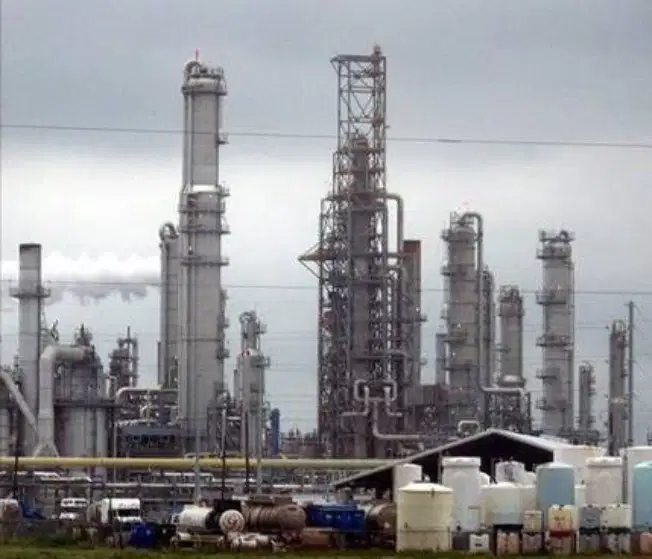
What is a major concern for governments across the western world regarding fuel?
The cost of fuel
The security of their fuel supplies
The environmental impact of fuel
The efficiency of fuel usage
Why is it prudent to reduce your fuel demand if your supply is in the hands of others?
To increase profits
To ensure environmental sustainability
To reduce dependency and risk
To improve fuel quality
What happens as fuel costs rise and natural stocks diminish?
Fuel becomes cheaper
Fuel reserves become less viable
Areas of fuel reserve become more viable to explore and recover
Fuel demand decreases
What is the current definition of fuel poverty?
Spending more than 10% of annual income on heating the home
Spending more than 20% of annual income on transportation
Spending more than 15% of annual income on food
Spending more than 5% of annual income on clothing
Since 2004, how much has the average cost related to fuel poverty increased?
It has tripled
It has doubled
It has remained the same
It has decreased
How many people could be in fuel poverty according to the document?
4.5 million
5.2 million
6.6 million
7.8 million
When was the interim report on fuel poverty published?
October 2010
October 2011
October 2012
October 2013
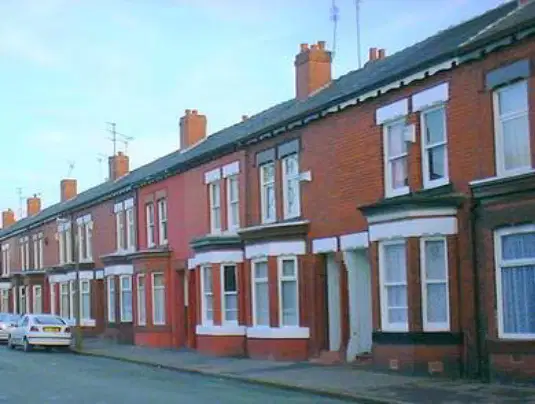
Approximately how many homes are there currently in the UK?
26 million
30 million
20 million
15 million
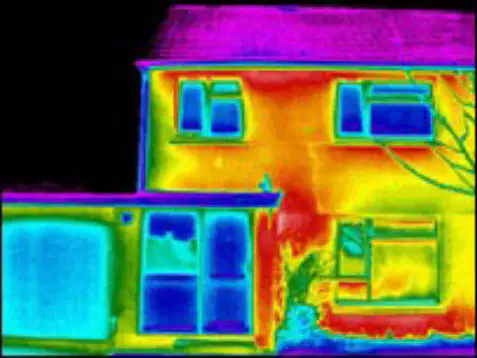
What percentage of carbon emissions must be reduced by 2050?
50%
60%
80%
90%

What fraction of the current housing stock is expected to still be in use by 2050?
50%
60%
70%
80%
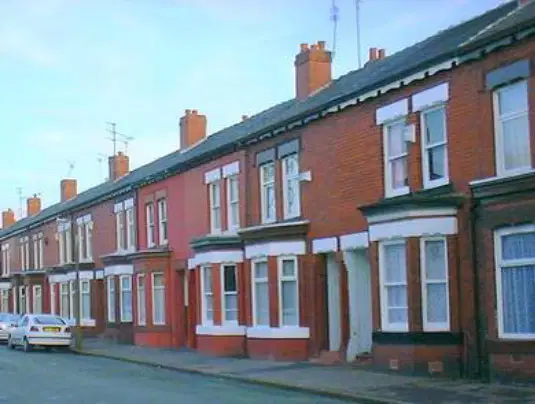
What is the age of half of the homes in the UK?
Over 30 years old
Over 40 years old
Over 50 years old
Over 60 years old
What are the European improvement targets the UK government has signed up for due to climate change and fuel dependency?
20% Efficiency Improvement, 20% Reduction of Greenhouse Gas Emissions, 20% use of Renewable Energy
30% Efficiency Improvement, 10% Reduction of Greenhouse Gas Emissions, 15% use of Renewable Energy
25% Efficiency Improvement, 25% Reduction of Greenhouse Gas Emissions, 25% use of Renewable Energy
15% Efficiency Improvement, 30% Reduction of Greenhouse Gas Emissions, 10% use of Renewable Energy

Which of the following organizations is known for providing energy-saving advice?
Energy Saving Trust
Carbon Trust
National Energy Foundation
Department of Energy & Climate Change
Which organization mentioned has been closed down?
Energy Saving Trust
Carbon Trust
Department of Energy & Climate Change
National Energy Foundation
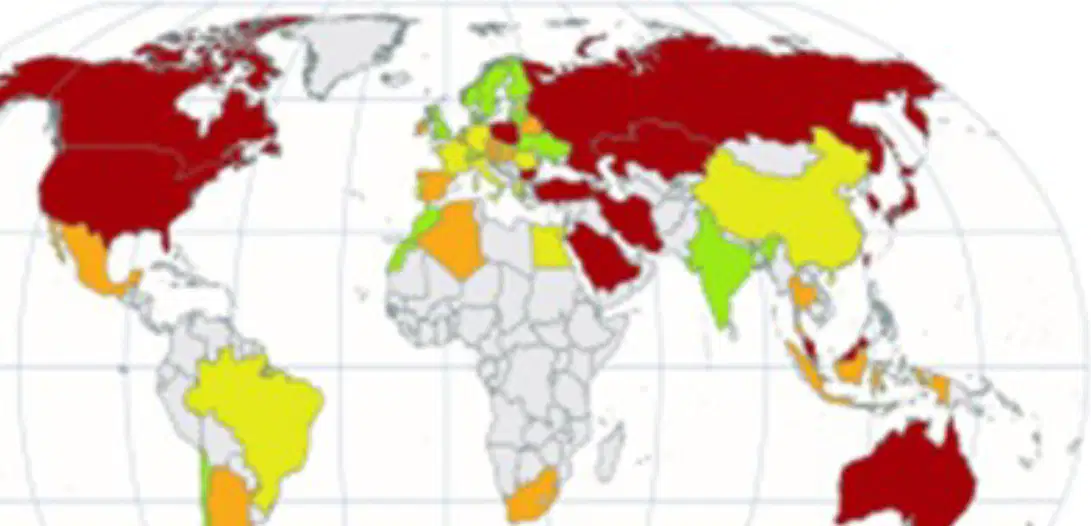
What does the Climate Change Performance Index 2020 map primarily illustrate?
Economic growth rates
Climate change performance
Population density
Technological advancements

