
 Worksheets
BIO 168 Final Review
Total questions: 74
Worksheet time: 1hrs 7mins


Which biomolecules provide quick energy for the cell and also provide materials to build the cell membrane/wall?
Carbohydrates
Proteins
Lipids
Nucleic Acids
Which biomolecules contains your genetic information?
Proteins
Lipids
Carbohydrates
Nucleic Acids
This organelle digests dead cell parts and contains enzymes
lysosome
golgi body
smooth ER
Rough ER
Which organelle controls what goes in and out of the cell?
nucleus
nucleolus
cell membrane
nuclear membrane
Which organelle contains DNA and controls the cell?
Cell membrane
nucleus
nucleolus
lysosme
Proteins are produced at this organelle.
golgi body
ribosome
cytoskeleton
cilia
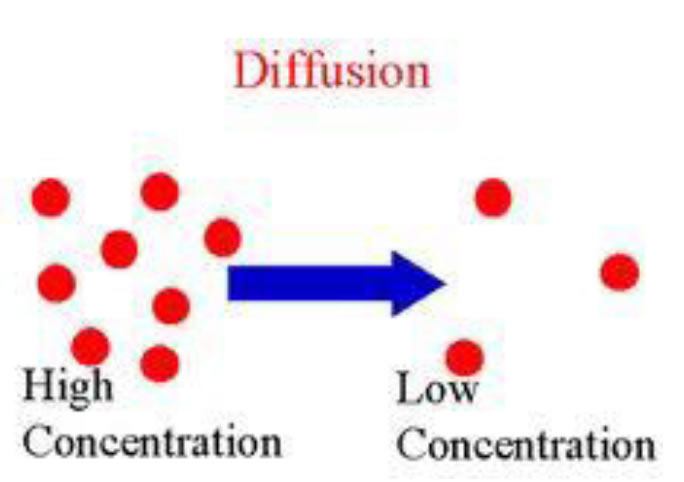


The solution surrounding the cell in Diagram B, would be defined as:
hypertonic
hypotonic
isotonic

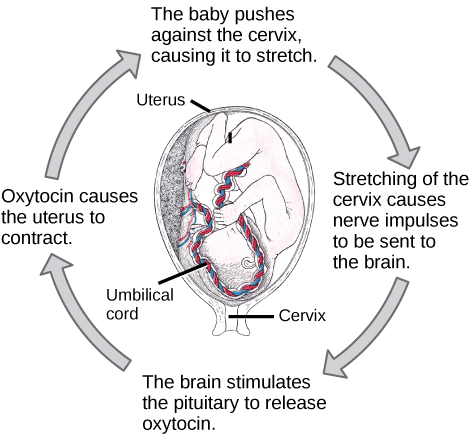
This type of tissue relays messages
epithelial
connective
muscular
nervous
This tissue type supports, protects, binds other tissues together.
nervous
muscle
epithelial
connective
Which is the deepest layer of the epidermis?
Stratum Corneum
Stratum Basale
Stratum Lucidum
Stratum Granulosum
The function of the integumentary system includes all of these except what?
Homeostasis
Cooling system
Synthesis of Vitamin A
Excretion of wastes


Which is NOT a function of the skeletal system?
production of red blood cells
store calcium
digest food
movement, protection, and support
What role do osteoclasts play in bone structure?
Stimulate bone formation
Lend support and tensile strength
Resorb bone; major role in mineral homeostasis
Induce cartilage, bone, tendon, and ligament formation and repair

What is osteoporosis?
The bulidup of plague within the tissue and lungs
Entrapped air inside the lung
The constriction of airflow in the lung
The decrease in bone mass due to the change in the strength of the bone
If you were Hypercalcemic (high Ca2+), which hormone would be released to lower Ca2+ back to a homeostatic range.
What is the primary function of melanin?
to produce vitamin D
uptake of calcium from the diet
to waterproof the skin
to provide protection against the sun's UV rays
The point at which the nerve cell reaches the sarcolemma of the muscle fiber is the _____.
Neurotransmitter
Acetylcholine
Synaptic cleft
Neuromuscular Junction
The gap between the nerve cell and sarcolemma is the ____ ___.
Synaptic cleft
Neurotransmitter
Motor unit
Neuromuscular junction
What is the specific neurotransmitter that stimulates the movement of skeletal muscles?
GABA
Acetylcholine
Serotonin
Dopamine
At rest, tropomyosin:
During skeletal muscle excitation, ___ binds to troponin which allows for ___
Ca2+,
myosin to move out of the way
K+,
tropomyosin to move out of the way
Ca2+,
tropomyosin to move out of the way
Na+,
tropomyosin to move out of the way

What happens in the neuromuscular junction? Put in order
1. Acetylcholinesterase degrades Ach
2. ACh diffuses across to ACh receptors (Na+ chemical gates) on the sarcolemma
3.AP arrives at the axon terminal
4. Calcium entry causes the release of ACh neurotransmitter into the synaptic cleft
5. ACh binding to receptors, opens gates, allowing Na+ to enter resulting in end-plate potential
6. Voltage-gated calcium channels open, calcium enters the motor neuron
(a)
The speed at which a neural impulse travels is increased when the axon is encased by a(n)
myelin sheath
association area
endocrine gland
neural network
The function of the dendrites is to
Release neurotransmitters into the spatial junctions between neurons
Receive incoming signals from other neurons
Coordinate the activation of the parasympathetic and sympathetic nervous systems
Control pain through the release of opiate-like chemicals into the brain
most common; 1 axon but multiple dendrites; found in CNS, like the Purkinje cells in the cerebellum
Unipolar
Bipolar
Multipolar
Pseudounipolar
Which of the following is involved in maintaining the resting membrane potential of neurons?
Na+/K+ ATPase pump moves 3Na+ in for every 2K+ out
Na+/K+ ATPase pump moves 3K+ in for every 2Na+ out
Na+/K+ ATPase pump moves 3Na+ out for every 2K+ in
Na+/K+ ATPase pump moves 3K+ out for every 2Na+ in
At resting membrane potential, neurons have more (a) on the outside of the cell membrane.


Which number on the graph represents the threshold potential?
1
2
3
4
6
When the membrane potential reaches +30mV, ________ channels open, ________ occurs, and ________ channels close.
sodium, depolarization, potassium
potassium, depoloarization, sodium
sodium, repolarization, potassium
postassium, repolarization, sodium
Reorder the following (starting at beginning)
Resting potential (-70mV), stimulus received
Na+ gates open, threshold reached (-55 mV)
Na+ gates open
Na+ moves into the axon
Action potential reached (+30mV)
Reorder the following (starting at the action potential)
Action potential reached (+30mV)
Na+ inactivation gates close, K+ gates open
K+ exits the cell, repolarization
K+ still open, goes below -70 mV, hyperpolarization
Na/K pump restores to resting potential
True or False:
The cerebellum controls balance and coordination.
True
False
What connects the right and left lobes of the cerebrum?
Corpus Callosum
Brainstem
Pons
Thalamus
Which part of the brain is responsible for giving meaning to the information received by the senses.
The cerebellum
The frontal lobe
The occipital lobe
The Parietal Lobe
What is the role of the brainstem in the human brain?
The brainstem is responsible for long-term memory storage
The brainstem regulates body temperature
The brainstem controls muscle movement and coordination
The brainstem controls basic life functions such as breathing, heart rate, and blood pressure.
Which of the following best explains the phenomenon of referred pain?
Pain is only perceived after tissue damage has spread to surrounding areas
Pain is caused by increased activity of thermoreceptors at the injury site
Pain is amplified in the brain and projected back to the area of injury
Pain is not felt at the injured tissue due to convergence of nerve signals
What type of receptor is primarily responsible for detecting light?
Photoreceptors
Mechanoreceptors
Chemoreceptors
Thermoreceptors
Match the correct description to the term.
Chemoreceptors
Senses chemicals
Cones
Photoreceptor that senses color
Rods
Photoreceptor; senses light intensity
Thermoreceptors
Senses heat

What type of neuron is A?
Sensory
Inter
Motor
What type of neuron is B?
Sensory
Inter
Motor

Name an effector in this diagram.
A
B
D
E
F
In a reflex arc, the sensory neuron leads to the ___________ and the motor neuron leads to the __________
Spinal cord, CNS
CNS, muscle
Spinal cord, muscle
Muscle, CNS
Drag and drop the labels.

Receptors for taste and smell
photoreceptors
chemoreceptors
hair cells

