
 Worksheets
Respiratory System
Total questions: 26
Worksheet time: 15mins
Finish the sentence. When we expire (breathe out)...
The diaphragm and the intercostals contract and lift the ribcage up and out increasing the size of the thoracic cavity
The diaphragm and the intercostals relax causing the rib cage to drop, therefore reducing the size of the thoracic cavity.
What structures does gaseous exchange take place between? (select 2 answers)
Alveoli and the veins
Alveoli and the capillaries
Capillaries and the arteries
Capillaries and muscle tissue
Which is the odd one out? Gaseous exchange is aided by...
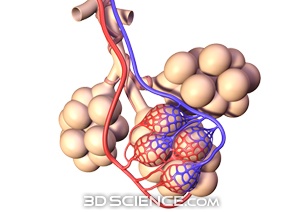
Alveoli is covered in capillaries
A large blood supply
walls one cell thick
Valves
Tidal volume is the volume of air inspired or expired per breath. This increases during exercise.
True
False
Minute ventilation is the amount of air a person breathes out in a minute
True
False
Select each statement that refers to anaerobic exercise.
Uses oxygen
High intensity
Short duration
Builds up lactic acid
Long duration
Why does breathing rate increase during exercise? Tick the statements that are relevant.
To meet the demand for oxygen at the working muscles
To make us lighter
To decrease body temperature
To remove carbon dioxide from the body
Does a tour de France cyclist work generally work aerobically or anaerobically?
Aerobically
Anaerobically
'The number of breaths per minute' is the definition for...
Cardiac output
Lung capacity
Breathing rate
Tidal volume
During inspiration, the pressure inside the thoracic cavity decreases.
True
False
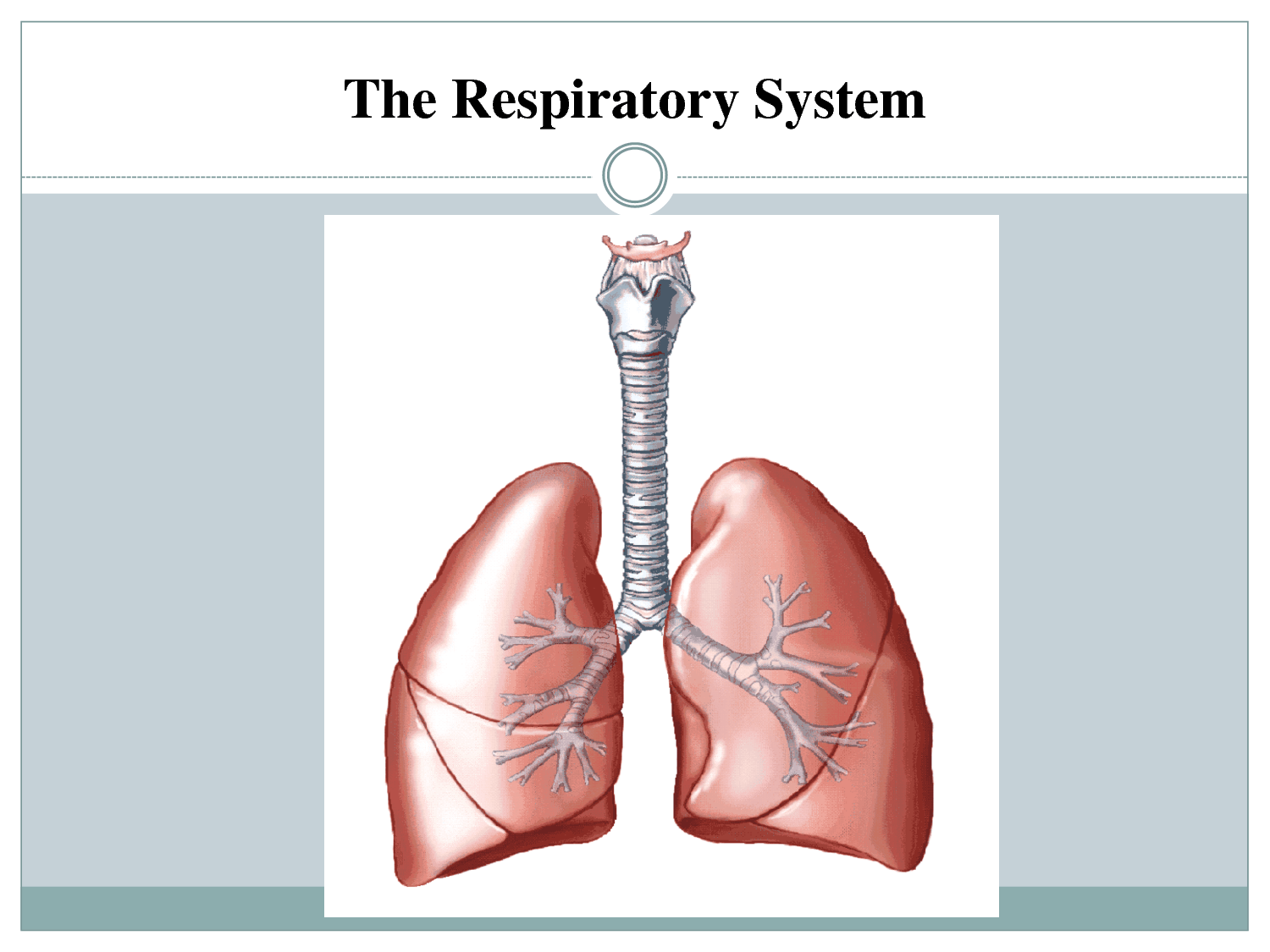
Identify the correct pathway of air into the blood.
Nose/mouth, trachea, bronchi, bronchioles, alveoli, capillaries
Nose/mouth, bronchi, bronchioles, alveoli, capillaries, trachea
Nose/mouth, trachea, bronchioles, bronchi, alveoli, capillaries
Given the following structures:
1. Bronchiole
2. Trachea
3. Brochi
4. Alveoli
Which of the following is the correct order that air would flow during inhalation.
1,2,3,4
2,3,1,4
2,1,3,4
4,2,3,1
What is the correct term for the drawing in of breath; inhalation?
Inspiration
Expiration
Aspiration
Explanation
Where does Gas exchange happen?
Alveoli
Nose
Lung
Bronchi
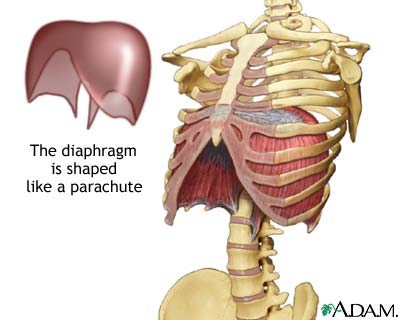
What is function of the dome-shaped diaphragm muscle?
This is where gas exchange happens.
Air passes through the diaphragm on the way to the lungs.
It attaches to the lungs and contracts and relaxes to help breathing.


Label C is...
Trachea
Diaphragm
Bronchi
Alveoli

Label D is...
Trachea
Diaphragm
Bronchi
Alveoli
When we inspire (breath in), the intercostal muscles...
Relax
Contract
Detach
Tidal Volume is...
The amount of blood leaving the heart
The volume of air inspired or expired per breath
The volume of air inspired or expired per minute
The amount of breaths taken per minute
Minute Ventilation is the amount of air a person breaths in per minute, what is the correct equation to calculate Minute Ventilation?
Cardiac Output x Stroke Volume
Tidal Volume x Breathing Rate
Stroke Volume x Breathing Rate
Tidal Volume x Stroke Volume
What 3 sports/activities use Aerobic Respiration
Marathon Runner
100m Sprinter
5000m Row
Tackle in Rugby
Lasting 90 minutes in Football
What 3 sports/activities us Anaerobic Respiration?
Long Jump
Sprinting to intercept in Netball
400m Swim
100m Sprint
1500m Race

