
 Worksheets
Fall '24 Semester Review
Total questions: 124
Worksheet time: 5hrs 43mins

How many atoms of Sodium (Na) are there on the left side of the equation?
1
2
3
None

How many atoms of Hydrogen (H) are on the right side of the equation?
1
2
3
4

How many Oxygen (O) atoms are on the right side of the equation?
1
2
3
4
How many Sodium (Na) atoms are on the right side of the equation?
1
2
3
4

How many Chlorine (Cl) atoms are on the right side of the equation?
1
2
3
4
Which of the following is not a compound?
HCl
NaCl
Cl
CO2
Which of the following represents an element?
H2O
NaCl
H2
CaCO3
Salt has a chemical formula of NaCl. Salt is a...
Compound
Mixture
Element
None of the Above
What cannot be broken down into other substances?
Compound
Solids
Mixture
Element
What is made up two or more elements that are chemically combined?
Element
Compound
Mixture
Solids
How many elements are represented in the compound?
Na2CO3
1
2
3
4
Which example is a compound?
N2
Cu
O2
H2O2

Crushing a Coke Can

Sodium metal is cut with a knife

Sugar is mixed and dissolved into water.

Cooking an egg

A nail rusting

Wood Burning

Cutting a pizza into slices is what type of change?
chemical change
physical change

Melting Chocolate
chemical change
physical change
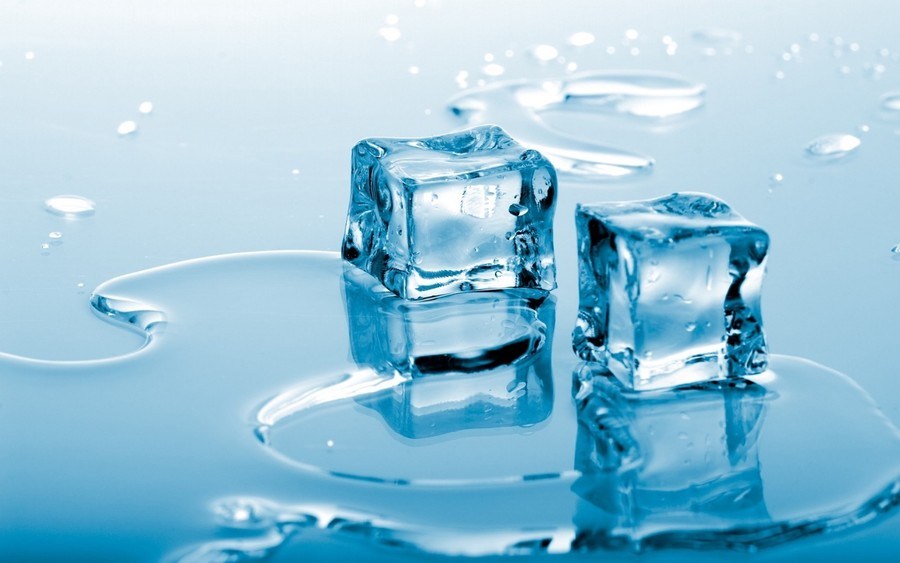
Water freezing into Ice
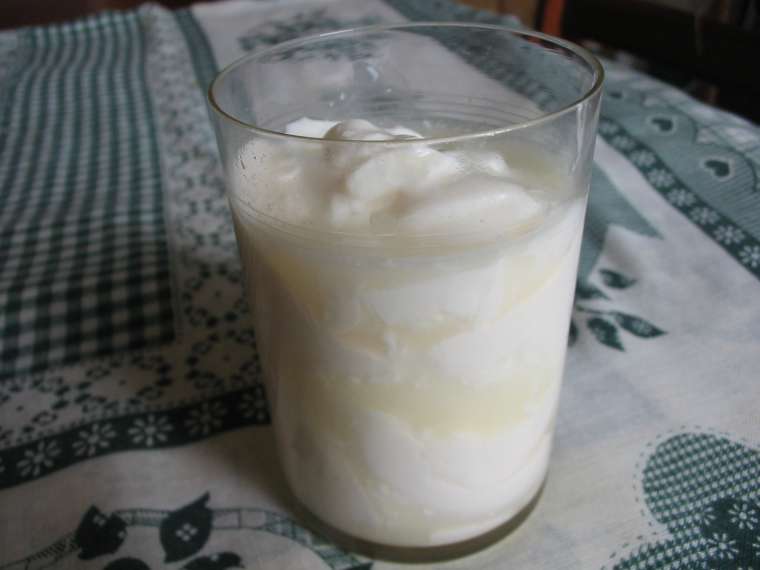
Milk curdling/souring.

Copper tarnishing.


Is this an example of a physical or chemical change?
physical
chemical

Is this an example of a physical or chemical change?
physical
chemical

Is this an example of a physical or chemical change?
physical
chemical

Is this an example of a physical or chemical change?
physical
chemical

Methane burns with a blue flame
Methane burns with a blue flame
You can make a solution more concentrated by adding more __________.
solution
In a sample of salt water, NaCl (salt) would be considered the ______.

Water is the univeral ____.
solute
solvent
solution
solute + solvent =
solution
equation

solute
solvent

solvent
solution
solute

solvent
solute
What is a solvent
A liquid that will dissolve a solid solute
Another word for solution
A thing that make drinks change colour
Usually the solid about to be dissolved
What is a solvent
A liquid that will dissolve a solid solute
Another word for solution
A thing that make drinks change colour
Usually the solid about to be dissolved
The ___ is the thing being dissolved.
solute
solvent
mixture
solution
The substance being dissolved in a solution is the?
solution
solute
solvent
mixture
The substance in which a solute is dissolved is a?
solution
solvent
alloy
mixture
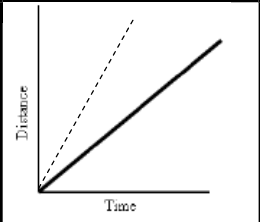

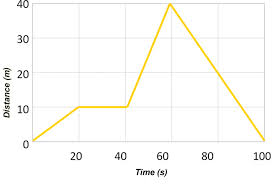
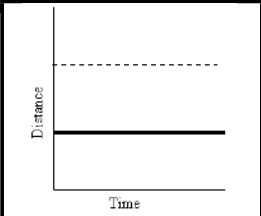


What is the difference between distance and displacement?
Distance is the total length of the path traveled, while displacement is the longest distance between the initial and final positions.
Distance is the total length of the path traveled, while displacement is the average distance between the initial and final positions.
Distance is the total length of the path traveled, while displacement is the distance traveled in a straight line.
Distance is the total length of the path traveled, while displacement is the shortest distance between the initial and final positions.
A car travels 50 meters north, then 30 meters south. What is the displacement of the car?
20 meters north
80 meters north
50 meters south
10 meters north
If an object moves 10 meters east and then 5 meters west, what is its displacement?
5 meters east
0 meters east
15 meters east
-5 meters east
A person walks 2 kilometers east, then 3 kilometers west, and finally 1 kilometer east. What is the total distance traveled?
0
2
4
6
A car travels at a constant speed of 60 km/h for 2 hours. What is the total distance covered by the car?
120 km
30 km
90 km
150 km
If an object moves in a straight line and returns to its starting point, what can you say about its displacement?
negative
infinite
positive
zero
Scott travels north 5 miles and then goes west 3 miles before coming straight back south 2 miles. What is his distance?
10 miles
7 miles
8 miles
6 miles
Which is the length of the path an object has traveled?
displacement
distance
motion
reference point

A golf ball sitting on the grass.
Balanced
Unbalanced

A swinging baseball bat
Balanced
Unbalanced

A ball is rolling on the ground. A force pushes the ball in the same direction that it is moving. What happens to the ball?
It stops moving
It moves slower
It moves faster in the same direction it was moving
It keeps moving in the same direction and speed

Which statement best describes the forces acting on the box?
Group 1 pushes with a greater first and the box moves to the right
Group 2 pushes with more force and the box moves to the left
Group 1 and 2 push with the same amount of force and the box moves to the left.
Group 1 and 2 push with same amount of force and the box does not move

What FORCE is keeping Vanessa from sliding down this grassy hill?
Unbalanced
Friction
Magnetism
Gravity
Two people are either pushing or pulling on a box. They do this in 4 different ways. In which way is the box most likely to stay in place.


Which word best describes the image?
Balanced
Unbalanced

Which word best describes the image?
Unbalanced
balanced
Which is another example of balanced forces?
A student hits a baseball. Another student hits it harder
Two students push the merry go round in the same direction
A student rolls two cars down a slide and they reach the bottom at the same timer
One student pulls a gate. Another student pushes the gate. The does not move

Forces that cancel each other are called (a) forces.
balanced
inactive
neutral
null
unbalanced


When things get hotter, its molecules are moving faster and have more (a) .
When a thing gets colder, its molecules are moving slower and have (a) kinetic energy.
the energy an object has because it is moving
average energy
molecule
kinetic energy
stagnant energy
An object's temperature gives information about the.....
kinetic energy of its particles
potential energy of its particles
potential & kinetic energy of its particles
Heating occurs when thermal energy....
in an object stays constant
transfers from a warm object to a cold object
transfers from a cold object to a warm object.
A refrigerator works by ...
moving thermal energy
creating thermal energy
destroying thermal energy
Thermal energy being transferred from a hot mug of cocoa to the table it is sitting on is an example of __________.
convection
conduction
radiation
chemistry
Which best explains how this roasting marshmallows happens?
Heat from the fire is conducted to the marshmallow.
Heat from the fire is radiated to the marshmallow.
The coolness of the marshmallow is conducted to the fire.
The coolness of the marshmallow is radiated to the fire.
Which best describes heat transfer by radiation?
A slice of bacon frying in a pan.
A pot on a stove boiling water.
Cooking a hotdog in a microwave.
A hot air balloon.
Which of the following best describes CONVECTION?
When heat is transferred through waves.
When heat is transferred through objects that are touching.
The movement of gas or liquid in which warmer parts move up and the colder parts moves down.

Warm air rises and the cool air sinks demonstrates this type of heat transfer.
Conduction
Convection
Radiation

Walking on hot sand with your bare feet shows this type of heat transfer.
conduction
convection
radiation

Ironing a shirt is an example of:
condensation
evaporation
conduction
convection

You and your friends are gathered around a campfire to keep warm. How is heat being transferred to you?
conduction
convection
radiation

This is the transfer of thermal energy through "space".
conduction
radiation
convection
spaceship


