Worksheets
G6-S1-Science-Review
Total questions: 70
Worksheet time: 1hrs 26mins

What does a microscope do?
Produces a magnified (bigger) image of something too small for the eye to see
Helps us look at stars
Produces a smaller image of something too big to see at once
Helps us look at our teeth

What is the name of this part of the microscope?
Eye piece
Objective lenses
Arm
Light source

True or False: You should avoid letting the objective lenses touch your glass slide.
True
False

Where on the microscope do you place the slide you are investigating?
Stage
Base
Eye piece
Light source

Which of the following statements is true about using microscopes responsibly. Pick the best 2 choices below.
I can put whatever I want under the microscope.
I should only investigate what I'm instructed to investigate.
After using the microscope, I should turn the light source off.
After using the microscope, I should leave the stage all the way up.

Which part of the microscope moves the stage up quickly?
Coarse adjustment knob
Fine adjustment knob
Diaphragm
Base

Which part of the microscope moves the stage up slowly in order to focus the image so it isn't blurry?
Coarse adjustment knob
Fine adjustment knob
Diaphragm
Base

Number ________ points to the stage clips of the microscope.
9
10
11
12
Which picture below shows the safe way to hold a microscope when you are carrying it across the classroom?


Which picture below shows the responsible way to have your microscope at your table?


Eyepiece = 20X
Objective lens = 20X

What is the scientific term for "making an image larger"?
resolution
rotation
magnification
magnetize
Which part of the microscope regulates the amount of light on the specimen?
diaphragm
nosepiece
light source
eyepiece
Provides the greatest magnification, 40X
Fine Adjustment Knob
High-Power Objective
Low-Power Objective
Coarse Adjustment Knob
Supports the microscope.
Arm
Stage Clips
Nosepiece
Base
Moves the stage to provide general focus on the specimen. When bringing a specimen to focus, this dial is used FIRST.
fine adjustment focus
medium adjustment focus
coarse adjustment focus

This is described as the ability to cause change (do work)
Heat
Energy
Gravity
Kinetic
The law of conservation of energy states that energy cannot be _______ (Choose only 1 choice)
Changed
Created
Destroyed
Created or Destroyed
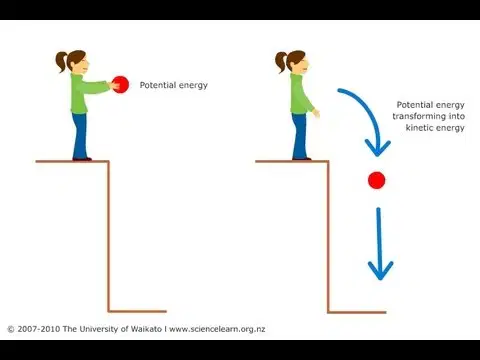
The energy an object has due to its position is _______ energy
Kinetic
Potential
Chemical
Nuclear

When a roller coaster begins to roll downhill it is changing stored energy into _______ energy
Kinetic
Potential
Chemical
Nuclear
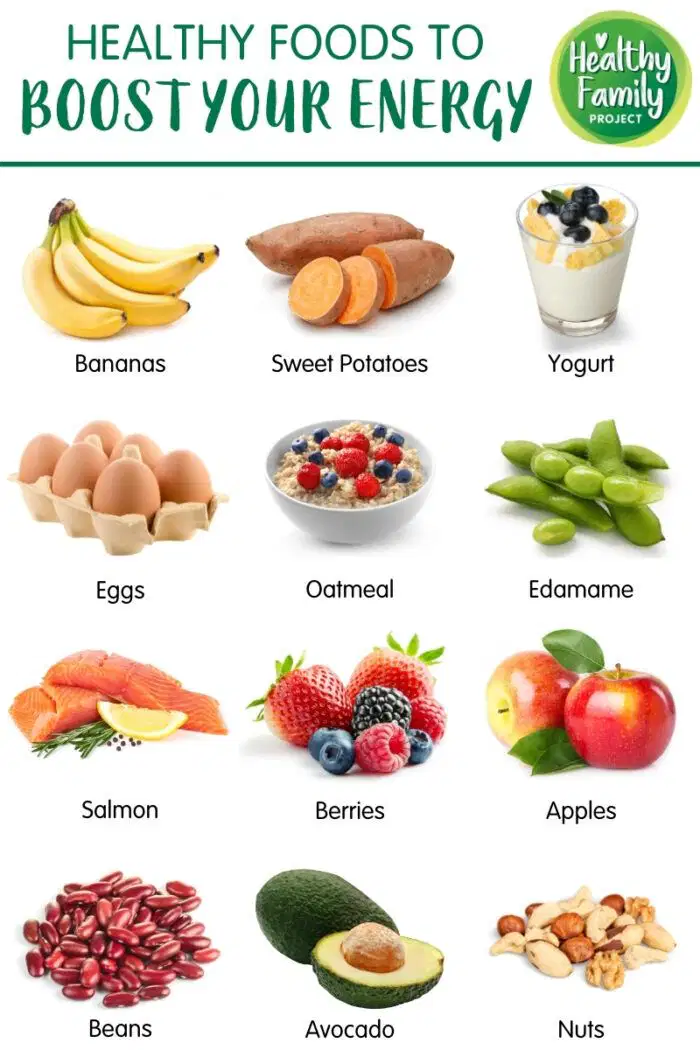
Any food you eat has this kind of energy
Kinetic
Nuclear
Chemical
Geothermal
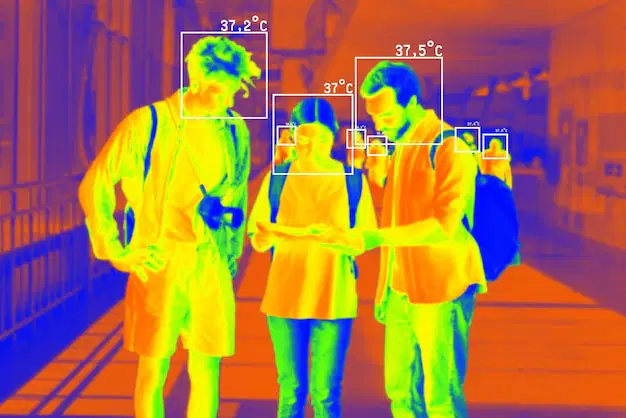
Although everything has this kind of energy, it is almost always changed from other forms
Kinetic
Thermal
Chemical
Nuclear

Most of the world's energy is solar. Solar energy is energy from the
Earth
Solar panels
Sun
Moon

Thermal energy is also known as
light
heat
radiation

Which statement is true?
I. All electromagnets are permanent magnets.
II. Increasing the number of coils in an electromagnet decreases it strength.
III. Increasing the batteries increases the strength of an electromagnet.
Both I and II
Which can increase the strength of an electromagnet?
increasing the number of coils around the nail
increasing the number of batteries
making the core bigger
all of the above
Which of the electromagnets would have the greatest magnetic field?


Which of the following is NOT part of an electromagnet?
wire
core
battery
needles
It is a kind of magnet that works only when there is a flow of electricity.
Electromagnet
Bar Magnet
Horse Shoe Magnet
Magnetite
Electromagnets are ___________________.
permanent
instant
temporary
stable
Which makes an electromagnet work?
needle
electricity
pin
thumbtacks

This is a picture of a simple electromagnet. How can the electromagnet be made stronger?
Remove all the coils and the nail.
Use a smaller battery.
Reverse the poles of the magnet.
Add more coils of wire to the nail.

How are electromagnets different from magnets?
magnets have a North and South pole
you can turn an electromagnet on/off
magnets are more powerful

Surrounding every magnet is a __________ __________.
another magnet
electrical current
magnetic field
What would increase the strength of an electromagnet?
Changing the direction of the current
Increased the amount of electricity that flows through the wire.
Inserting a wooden core inside the coil
Decreasing the number of coils of wire

You can make an electromagnet stronger by: having a __________________core inside the wire.
smaller core
larger core
greener core
water core
A powerful magnet that can be turned on and off by using electricity is a(an)..
magnet
electromagnet
center
pole
Most cores are made of _______.
Iron
Copper
Aluminum
Wood
The iron core remains magnetised when you turn the current off.
True
False
You can make an electromagnet that is much stronger than a permanent magnet.
True
False
which one is the strongest eletromagnet?
50 turns on the coil, low current,
copper core
100 turns on the coil,
high current,
iron core
50 turns on the coil, low current,
iron core
100 turns on the coil,
low current,
iron core



It has the same appearance with a pulley, but is has a wheel that is fixed to the axle, like in the steering wheel of a car.
Incline plane
Lever
Wedge
Wheel and axle
Is a grooved wheel that turns around an axle which is held in place by a mounting bracket. Rope and wire moves along the wheel's circumference.
Screw
Inclined plane
Pulley
Lever

Which simple machine is this?
pulley
lever
wheel and axle
wedge
What is applied to an object to put it into motion?
force
work
motion
object

Which simple machine is this?
wheel and axle
pulley
screw
inclined plane
Which of the following is not an example of a ramp? (inclined plane)