
 Worksheets
Physics A Exam Fall 2024
Total questions: 86
Worksheet time: 22hrs 30mins

What is the first step in the scientific method?
Make Hypothesis
Experiment
Identify Problem
Analyze Results
Why is measurement important in physics?
It helps in memorizing formulas
It is crucial for validating hypotheses and theories
It simplifies complex equations
It is used only for historical analysis
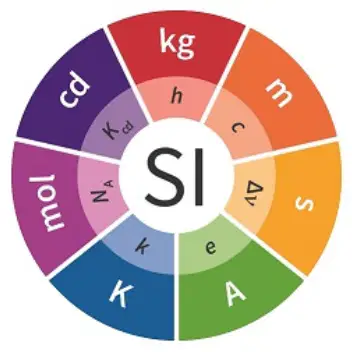
What is the purpose of the International System of Units (SI)?
To provide a standardized framework for measurements
To create new units for every scientific discipline
To eliminate the use of prefixes in measurements
To replace all existing measurement systems
Which of the following is a fundamental unit in the SI system?
Meter
Quagmire
Gallon
Inch
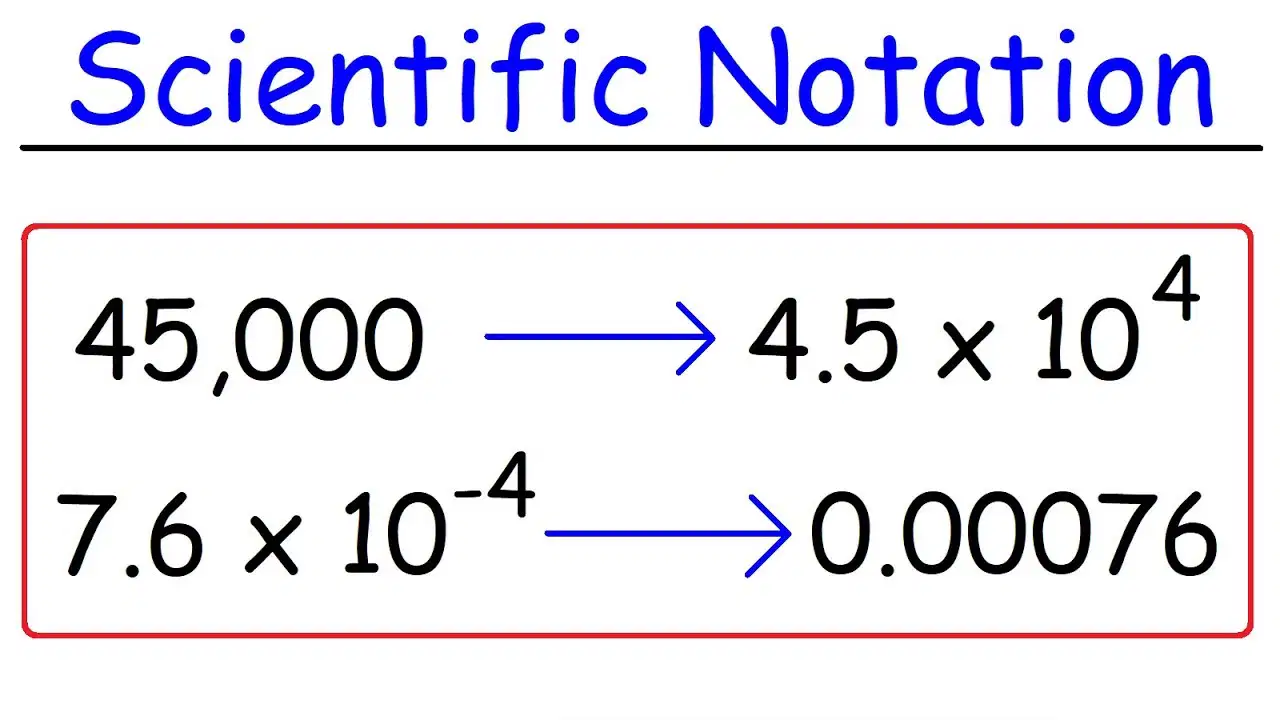
What is scientific notation primarily used for?
Expressing very large or very small numbers in a compact form
Converting units of measurement
Calculating averages
Measuring temperature
How is the number 13,700,000,000 expressed in scientific notation?
1.37 × 10^10
1.37 × 10^9
1.37 × 10^11
1.37 × 10^8
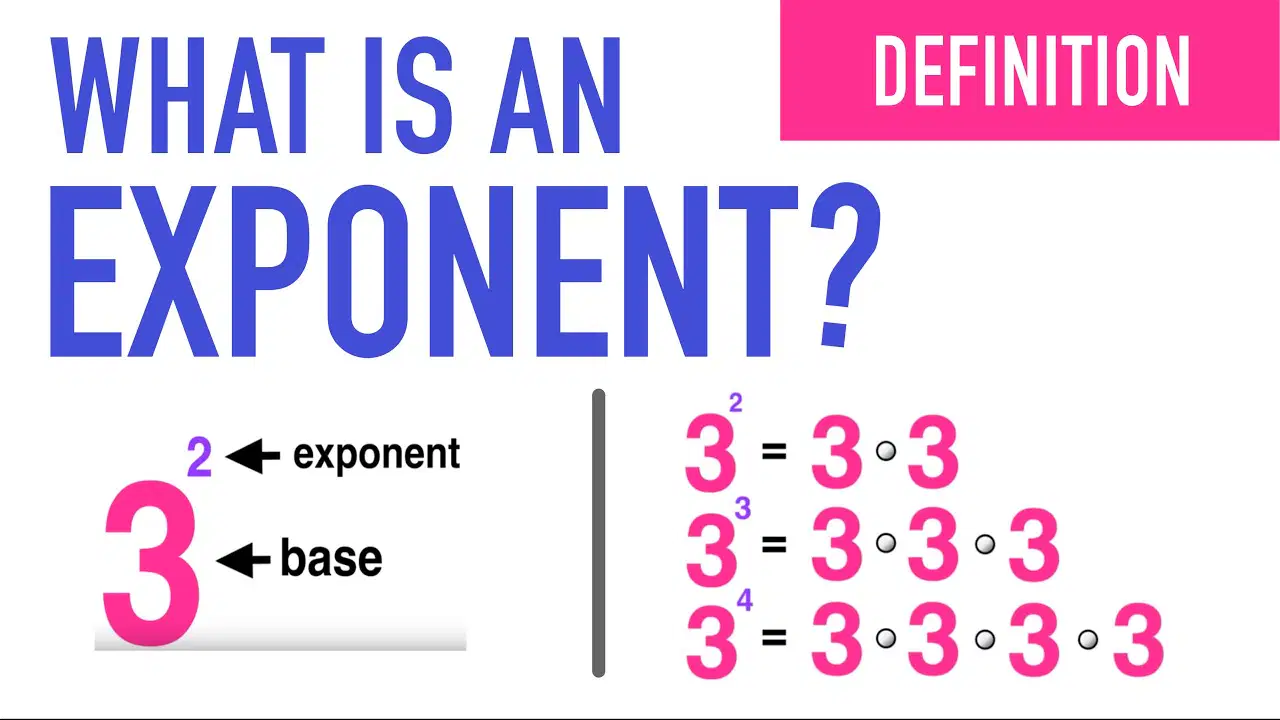
What does the exponent in scientific notation indicate?
How many places the decimal was moved
The size of the number
The unit of measurement
The type of number

Which "Headline" best describes a possible real world situation illustrated by this position vs time graph?
The runner ran forward for 2 seconds, and then backward for 2 seconds.
The runner ran forward for 2 seconds, and then stood still for 2 seconds.
The runner ran forward for 2 seconds, and then ran forward more slowly for 2 seconds.
The runner ran uphill slowly for 2 seconds and then sped up for 2 seconds.

What is the rule for addition and subtraction with significant figures?
The result should have the same number of significant figures as the factor with the most significant figures.
The result should have the same number of decimal places as the measurement with the least decimal places.
The result should have the same number of significant figures as the factor with the least significant figures.
The result should have the same number of decimal places as the measurement with the most decimal places.
How many significant figures does the number 0.003003 have?
2
3
4
5
Which of the following numbers has 3 significant figures?
0.0075
100
543
7,004
What is the rule for multiplication and division with significant figures?
The result should have the same number of decimal places as the measurement with the least decimal places.
The result should have the same number of significant figures as the factor with the most significant figures.
The result should have the same number of significant figures as the factor with the least significant figures.
The result should have the same number of decimal places as the measurement with the most decimal places.

What is the purpose of resolving vectors into components?
To simplify calculations involving multiple forces
To increase the magnitude of the vector
To change the direction of the vector
To eliminate the need for trigonometry
Make a position-time graph for an object starting at position 2 meters and moving forward at a speed of 3 m/s.
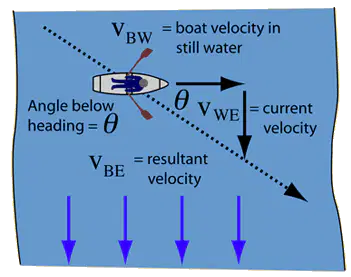
How is the resultant motion of a boat calculated when it is floating south at 5 mph and paddled east at 5 mph?
By adding the speeds directly
Using the Pythagorean theorem
By subtracting the eastward speed from the southward speed
By multiplying the speeds
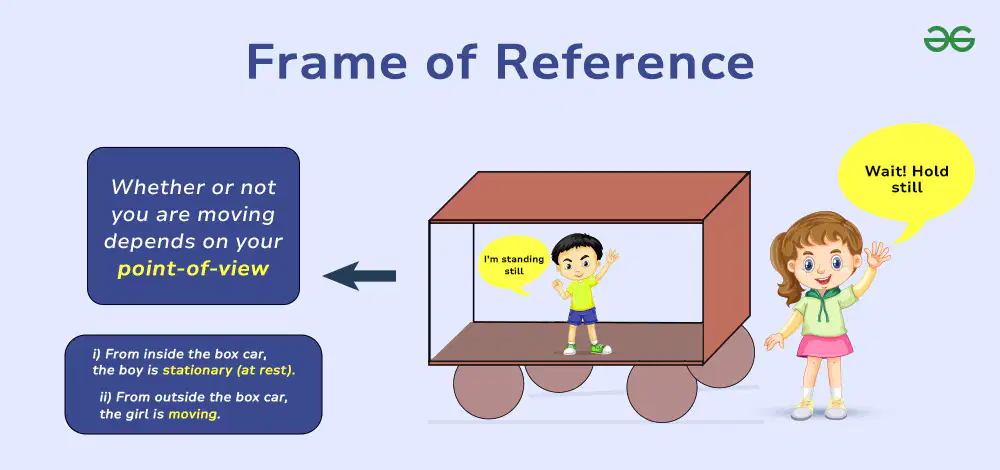
What is the importance of a frame of reference in physics?
It defines the position of an object relative to a reference point
It eliminates the need for measuring distance
It increases the speed of an object
It changes the direction of motion
What is the difference between a vector and a scalar?
A vector has only magnitude, while a scalar has both magnitude and direction
A vector has both magnitude and direction, while a scalar has only magnitude
A vector is always larger than a scalar
A vector is always smaller than a scalar
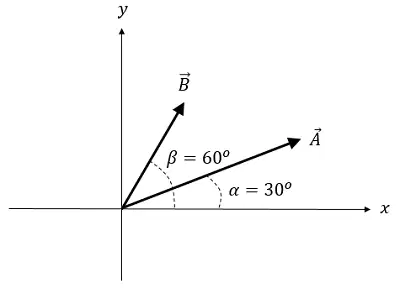
What is the east-west component of vector A with a magnitude of 65 Newtons & a direction of 30° north of east?
32.5 N east
56.3 N east
65 N east
30 N east
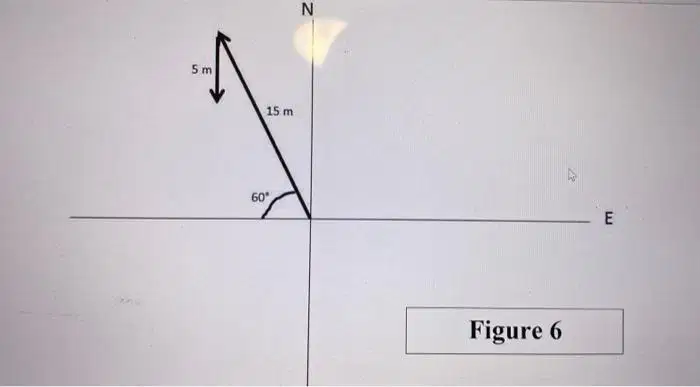
For a vector of 35 N at 60° north of west, what is the north-south component?
17.5 N north
30.3 N north
35 N north
60 N north
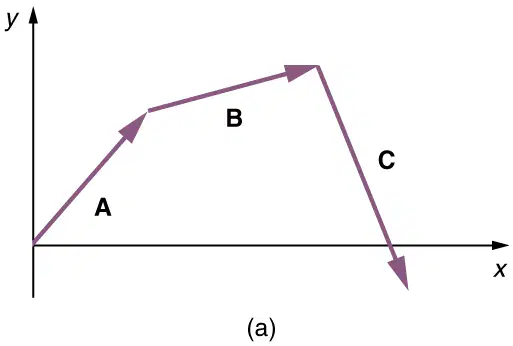
What is the graphical method of vector addition known as?
Tail-to-tail method
Head-to-head method
Head-to-tail method
Tail-to-head method
How are vectors added mathematically?
Using algebraic equations
Using trigonometry methods (SOHCAHTOA)
Using calculus
Using statistical methods
What is the magnitude of the resultant vector for the given components:
East-West: 56.3 N - 17.5 N
North-South: 32.5 N + 30.3 N ?
50.0 N
73.8 N
38.8 N
70.0 N
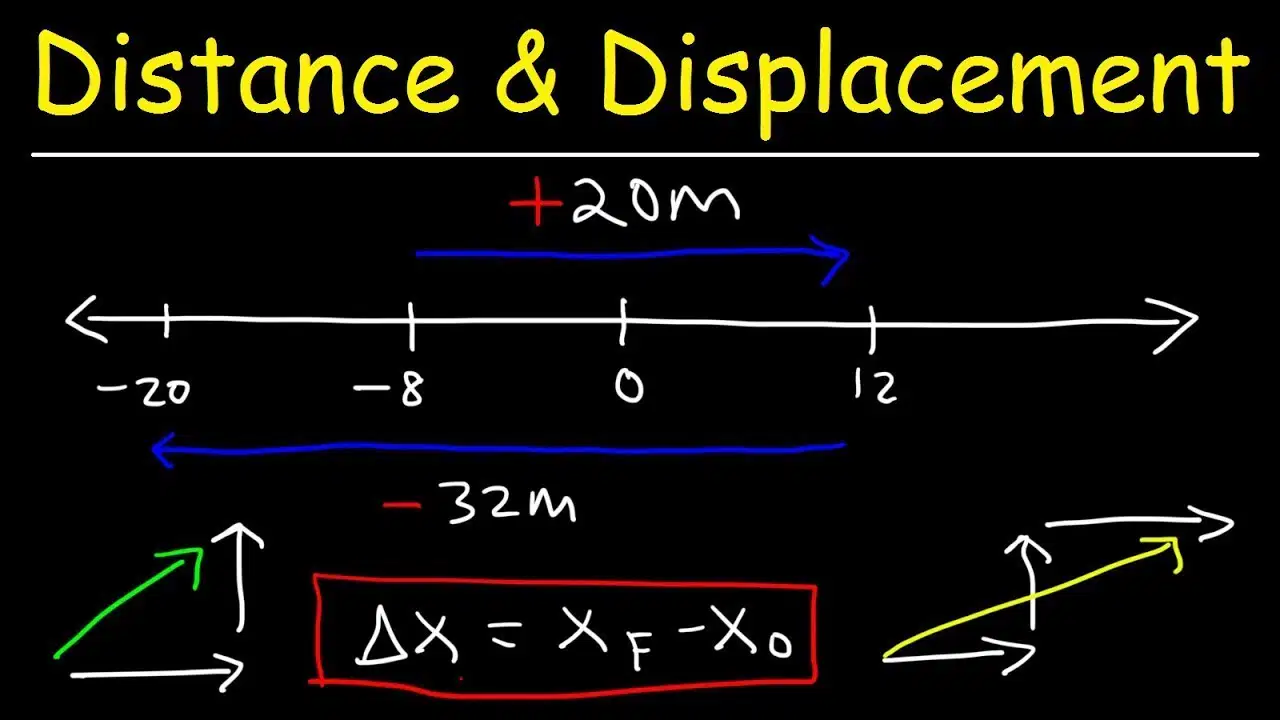
What is the main difference between distance and displacement?
Distance includes direction, displacement does not.
Distance is a vector quantity, displacement is a scalar quantity.
Distance is how far you went, displacement is how far you are from where you started.
Distance is always greater than displacement.

How is average speed calculated?
Total displacement divided by time.
Total distance divided by time.
Total time divided by distance.
Total velocity divided by time.
220 ft - 100 ft = ?
120 ft
100 ft
150 ft
200 ft

What does a constant slope on a position vs. time graph indicate?
Accelerated motion
Constant velocity
Changing speed
Zero velocity
Calculate 1.23 m x 0.89 m and give your answer with the correct number of significant figures.
1.0 m2
1.1 m2
1.0947 m2
1.095 m2
What is the average velocity if a driver travels 20 miles north and then 20 miles south in 40 minutes?
40 mph
20 mph
0 mph
60 mph

What is the definition of acceleration?
The rate of change of velocity over time, a vector quantity with magnitude and direction.
The rate of change of distance over time, a scalar quantity.
The rate of change of speed over time, a scalar quantity.
The rate of change of force over time, a vector quantity.

How is average acceleration calculated?
Change in velocity divided by the time interval.
Change in distance divided by the time interval.
Change in speed divided by the distance.
Change in force divided by the time interval.
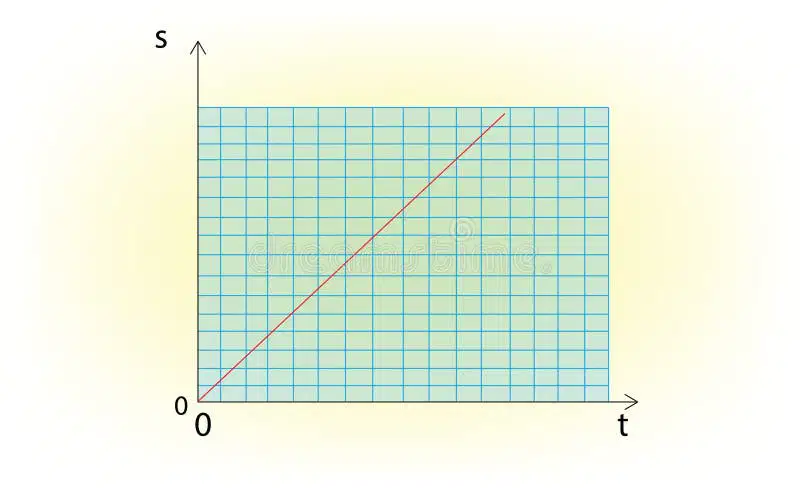
What does uniform or constant acceleration mean?
Acceleration remains the same over time.
Acceleration increases over time.
Acceleration decreases over time.
Acceleration changes randomly over time.
Calculate 12.47 m ÷ 3.2 s and give your answer with the correct number of significant figures.
4 m/s
3.9 m/s
3.90 m/s
3.897 m/s
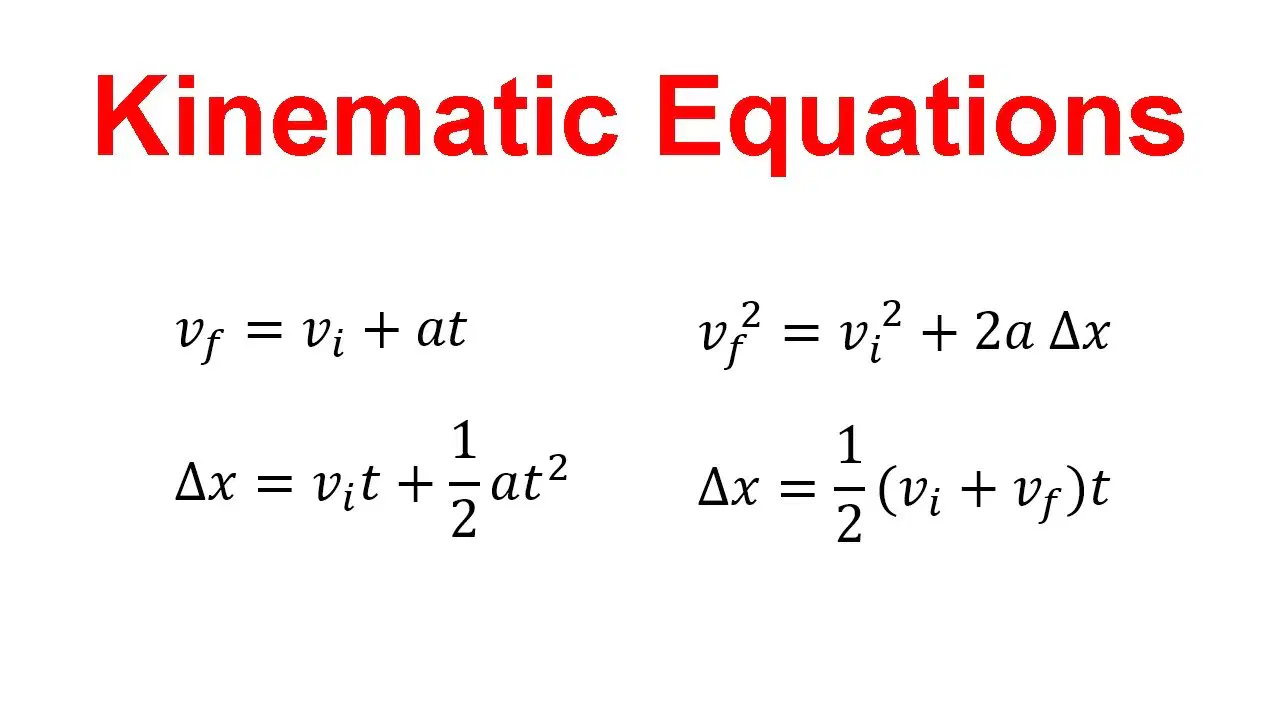
What is the role of kinematic equations in physics?
They describe motion without considering forces.
They describe forces without considering motion.
They describe energy without considering motion.
They describe temperature without considering motion.
Which of the following is a key kinematic variable?
Displacement (Δx)
Mass (m)
Temperature (T)
Pressure (P)
Which equation relates final velocity to initial velocity, acceleration, and time?
v = v0 + at
Δx = v0t + 0.5at²
v² = v0² + 2aΔx
F = ma
What is a common application of kinematics?
Analyzing chemical reactions
Studying the motion of falling objects
Designing electrical circuits
Calculating thermal expansion
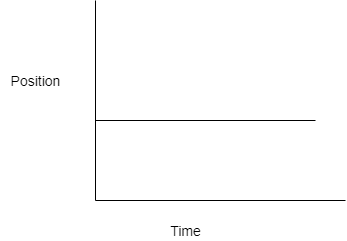
What does a horizontal line on a position-time graph indicate?
The object is accelerating
The object is at rest
The object is moving at constant velocity
The object is decelerating
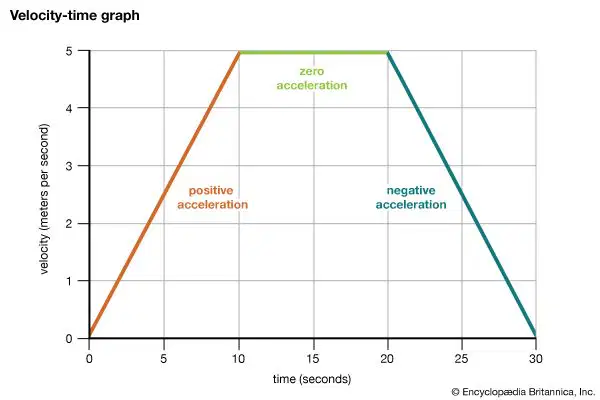
What does the slope of a velocity-time graph represent?
Displacement
Speed
Acceleration
Time

The velocity vs time graph below shows an object that is
speeding up
slowing down
moving at a constant velocity
not moving

Which graph represents the fastest moving object?
Graph A
Graph B
Graph C
Graph D

How is weight calculated on Earth?
W = ma
W = mg
W = mv
W = m/g
What remains constant regardless of location?
Weight
Gravitational force
Mass
Acceleration
According to Newton's Second Law, what is the formula for force?
F = mv
F = ma
F = mg
F = m/g
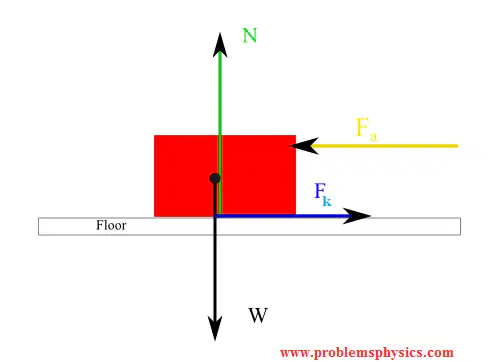
What is the force that opposes motion between two surfaces in contact?
Gravity
Friction
Magnetism
Tension

Which type of friction occurs when objects are at rest?
Sliding friction
Static friction
Rolling friction
Fluid friction

What does the coefficient of friction (μ) quantify?
The weight of an object
The speed of an object
The roughness of surfaces
The temperature of surfaces

How is the frictional force (Ffriction) calculated?
F_friction = μ + N
F_friction = μ - N
F_friction = μ * N
F_friction = μ / N

What does Newton's First Law of Motion state about an object at rest?
It will start moving on its own
It will remain at rest unless acted upon by a net external force
It will change direction
It will increase in speed
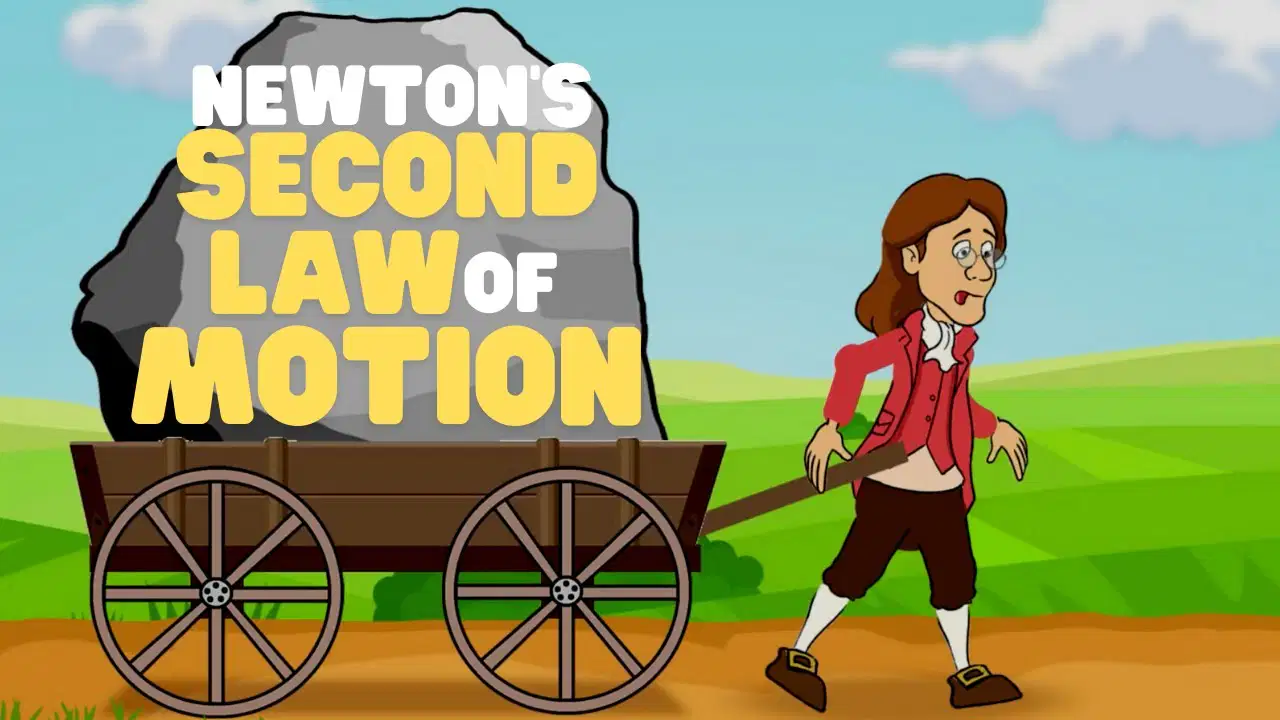
What does Newton's Second Law of Motion state about acceleration?
It is directly proportional to the mass of an object.
It is inversely proportional to the net force acting on it.
It is directly proportional to the net force acting on it and inversely proportional to its mass.
It is not related to force or mass.

Which of the following is an example of Newton's Third Law of Motion?
A car accelerating on a highway.
A book resting on a table.
A swimmer pushing water backward to move forward.
A ball rolling down a hill.
According to Newton's Third Law, what happens when one object exerts a force on another?
The second object exerts a force of equal magnitude in the same direction.
The second object exerts a force of equal magnitude in the opposite direction.
The second object does not exert any force.
The second object exerts a force of greater magnitude in the opposite direction.
What is the formula expressed by Newton's Second Law of Motion?
F = ma
F = mv
F = mg
F = m/a

What does Newton's Third Law state in the context of a horse-cart system?
The horse pulls the cart with no reaction.
The cart moves without any force.
The horse pulls the cart, and the cart pulls back with equal force.
The horse and cart move in opposite directions.
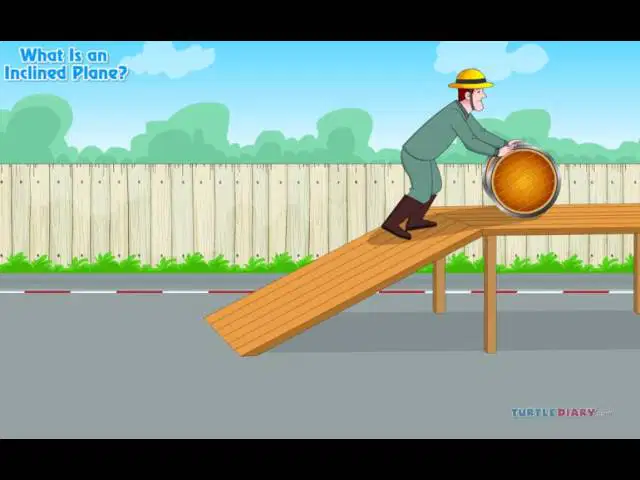
On an inclined plane, what are the two components of weight?
Friction and tension.
Normal force and parallel force.
Gravitational force and magnetic force.
Centripetal force and centrifugal force.

What path do projectiles follow, and how can it be analyzed?
A straight line; using only velocity
A curved path called a trajectory; using position, velocity, and acceleration
A zigzag path; using acceleration only
A circular path; using position only
What are the two components into which projectile motion can be broken down?
Circular and elliptical
Horizontal and vertical
Linear and rotational
Diagonal and parallel

What influences the vertical motion of a projectile?
Wind resistance
Gravity
Friction
Air pressure
When analyzing a projectile launched at an angle, what is the initial velocity resolved into?
Circular and elliptical components
Horizontal and vertical components
Linear and rotational components
Diagonal and parallel components
How many significant figures are in the number 0.0045?
1
4
2
5
What is the role of a control variable in an experiment?
To increase the complexity of the experiment
To change the outcome of the experiment
To remain constant and provide a baseline for comparison
To be the main focus of the experiment
Which of the following best describes velocity?
The rate of change of speed over time
The rate of change of distance over time
The rate of change of acceleration over time
The rate of change of displacement over time, including direction
How many sig figs are in 0.200
(a)
How many sig figs are in 0.0022
(a)
33 g - 2.1 g = ?
31.9 g
31 g
30.9 g
30 g

Which graph indicates that one of the runners started 10 meters ahead of the other?
Graph A
Graph B
Graph C
Graph D
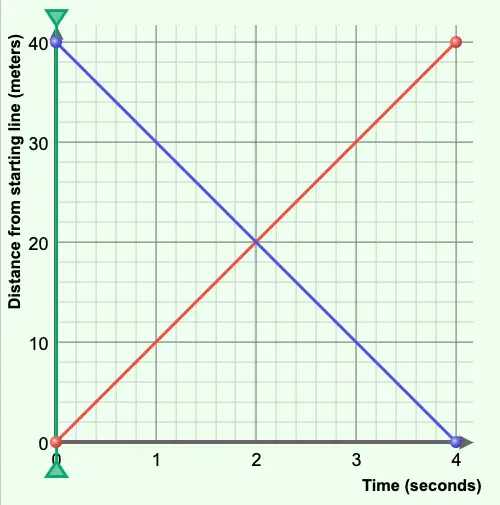
Which runner is running at a faster speed according to the position-time graph?
Red Runner
Blue Runner
Neither, they're running the same speed.
Impossible to compare
Make a position-time graph for an object starting at position 16 meters and moving backward at a speed of 2 m/s.

The velocity vs time graph below shows an object that is
speeding up
slowing down
moving at a constant velocity
not moving

The velocity vs time graph below shows an object that is
speeding up
slowing down
moving at a constant velocity
not moving

A car is moving to the left and speeding up as shown by its velocity versus time graph below. It's acceleration is_____
positive acceleration
negative acceleration
zero acceleration

What is the velocity of an object that has been falling freely in a vacuum for 2 seconds?
9.8 m/s down
10.1 m/s down
19.6 m/s down
39.2 m/s down

A ball drops from a tall building. The ball strikes the sidewalk 2.0 seconds later. What is the velocity of the ball when it hits the sidewalk?
19.6 m/s2
9.8 m/s2
4.9 m/s2
7.8 m/s2

A boat slows from 40 m/s to 10 m/s over a 15 m distance. What is the acceleration of the boat? (Assume the velocity is in the positive direction).
6 m/s2
- 6 m/s2
- 38 m/s2
-50 m/s2
A car starts at rest and accelerates at a constant 2 m/s2 for 10 seconds. What is the final velocity of the car?
2 m/s
10 m/s
20 m/s
40 m/s
A ball with an initial velocity of 25 m/s is subject to an acceleration of -9.8 m/s²; how high does it go before coming to a momentary stop?
25.4 m
31.9 m
62.5 m
248.8 m
FN=100N, Ff=20N
Please calculate the coefficient of friction.
μ=5.0
μ=0.2
μ=1.2
μ=0.1

If we put the same force on a bowling ball and a soccer ball, the soccer ball will move faster! Which law explains this?
1st
2nd
3rd
Observe the motion of the washer as I quickly pull the card out from under it. What happened to the washer? Why? Which of Newton's Laws does this represent?
Newton's 1st Law, inertia
Newton's 2nd Law, Force = m x a
Newton's 3rd Law, action/reaction

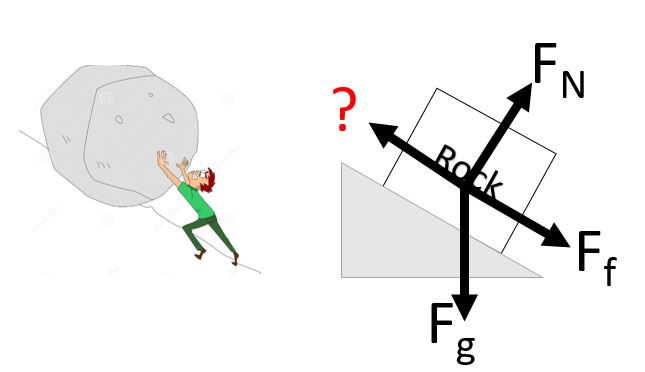
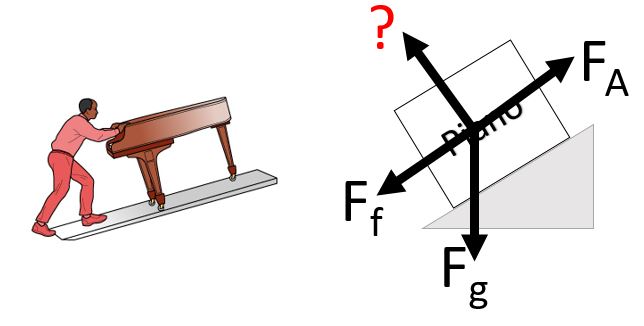
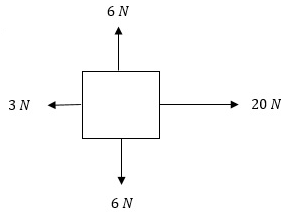
What is the NET FORCE of this diagram?
17 N, right
17 N, left
23 N, right
12 N, up

