
 Worksheets
NC Biology EOC final practice
Total questions: 148
Worksheet time: 5hrs 56mins
Which best summarizes the role of DNA in the production of proteins?
DNA moves to the cytoplasm to build proteins
DNA transports amino acids to the ribosomes to make proteins
DNA contains the instructions used to make proteins
DNA breaks hydrogen bonds between amino acids
A student noticed that the freshwater plant, Elodea, produced bubbles when placed in direct light. What could the student most likely conclude?
Bubbles of carbon dioxide were produced as a result of photosynthesis.
Bubbles of oxygen were produced as a result of photosynthesis.
Bubbles of carbon dioxide were produced as a result of cellular respiration
Bubbles of oxygen were produced as a a result of cellular respiration
Plant cells are able to produce their own food. This process happens in which structure?
cell wall
chloroplast
mitochondrion
vacuole

These diagrams show a variety of cells from the same organism. How can cells from the same organism have such different shapes and functions?
As each cell differentiates, the DNA changes so that each type of cell has different DNA once it reaches maturity.
Mutations in the cells' nuclei lead to new combinations of DNA, resulting in different shapes and functions in the different types of cells.
During differentiation, different parts of the DNA in each type of cell are activated, resulting in the different structure and function of the cells.
During differentiation, different types of cells produce proteins which destroy the nonactive DNA, leading to cell specialization.
Which statement best explains how sweating during exercise maintains homeostasis?
It regulates mineral concentrations in cells.
It regulates body temperature.
It maintains water balance.
It maintains sugar balance in cells.
The chemical colchicine disrupts cell division. Which cell process would most likely stop if colchicine were added to a culture of human liver cells?
mitosis
meiosis
crossing over
active transport
Which statement best explains why animals are considered heterotrophic?
They are able to produce food through the process of photosynthesis.
They are able to produce food through the process of respiration.
They are able to obtain nutrients by decomposing plant and animal tissue.
They are able to obtain nutrients by consuming other organisms or their products.
Which effect could a mutation in mRNA have on the production of proteins?
The protein produced will have a different identity.
The protein produced will have a coiled shape.
The protein produced will produce excess nitrogen.
The protein produced will produce excess water.
What carries the instructions for making amino acids in a protein?
the nitrogen base on the tRNA
the hydrogen bonding between nitrogen bases
the sequence of nitrogen bases on the mRNA
the nitrogen base bonding on the DNA molecule
How mitosis and meiosis similar?
both have two cell divisions
both require DNA replication
both produce gametes
both involve crossing over
Which word equation best represents the process of cellular respiration?
carbon dioxide + glucose --> oxygen + water
carbon dioxide + water --> glucose + oxygen
glucose + oxygen ---> carbon dioxide + water
oxygen + water ---> carbon dioxide + glucose
Which transgenic organism has been used to clean up oil spills?
bacteria
fungus
jellyfish
paramecia
Multicellular eukaryotic autotrophs belong to which kingdom?
Animalia
Fungi
Plantae
Protista
Salivary amylase is an enzyme in humans that breaks down starches. What substance would humans have difficulty digesting without this enzyme?
lipids
nucleic acids
proteins
carbohydrates
Which best explains why the rate of biochemical reaction decreases at high temperatures?
The activation energy increases
The shape of the enzyme changes
The enzyme-substrate complex forms
The bonds between substrates are broken
What do both prokaryotic and eukaryotic cells contain?
membrane bound organelles
linear chromosomes
cytoplasm
a nucleus
How are mitosis and meiosis similar?
Both have two cell divisions
both require DNA replication
both produce gametes
both involve crossing over
What carries the instructions for making amino acids in a protein?
the nitrogen base on the tRNA
the hydrogen bond between nitrogen bases
the sequence of nitrogen bases on the mRNA
the nitrogen base bonding on the DNA molecule
Which effect could a mutation in mRNA have on the production of proteins?
the protein produced will have a different identity
the protein produced will have a coiled shape
the protein produced will produce excess nitrogen
the protein produced will produce excess water
What would most likely be produced when a cell with eight chromosomes undergoes mitosis?
two cells with four chromosomes each
two cells with eight chromosomes each
four cells with four chromosomes each
four cells with eight chromosomes each
Which adaptation do ferns, gymnosperms and angiosperms have that mosses do not have?
chloroplasts
flowers
stomata
vascular tissue
What activity most contributes to the depletion of the ozone layer?
burning fossil fuels
release of CFC's
deforestation
overuse of fertilizers
The chemical colchicine disrupts cell division. Which cell process would most likely stop if colchicine were added to a culture of liver cells?
mitosis
meiosis
crossing over
active transport
The cell theory is...
All living organisms are composed of at least one cell.
building blocks of life. All cells come from
All of the above
Cells arise only from previously existing cells.
A prokaryotic cell is...
Cells that don't contain a nucleus but do contain other membrane-bound organelles.
Cells that contain a nucleus but no other membrane-bound organelles.
Cells that contain a nucleus and other membrane-bound organelles.
Cells that don't contain a nucleus or any other membrane-bound organelles.
A Eukaryotic cell is...
Cell that has no membrane.
Cell with no membrane-bound organelles.
A cell containing a nucleus and other membrane-bound organelles.
A cell containing a nucleus and other nucleus-bound organelle.
The cell membrane main purpose is...
Selective Permeability
Energy Production
Locomotive
Looking good


True or False: The main function of a lipid is to store energy.
True
False
The units of protein are
Amino acids
Glucose
Fatty acid
Peptides
Which process is used to make mRNA from the DNA in the nucleus?
transcription
translation
replication
Where does transcription take place in EUKARYOTIC cells?
nucleus
cytoplasm
ribosome
ATG GGA ACT CCA
Transcribe the following DNA sequence into RNA:
AAT TAG GGC TCG
AAT TAG GGC TCG
TTA ATC CCG AGC
UUA AUC CCG AGC
TTU UTC CCG UGC
Which RNA carries the message from the DNA molecule out of the nucleus?
mRNA
rRNA
tRNA
How many nucleotides equal make up a codon?
1
2
3
4
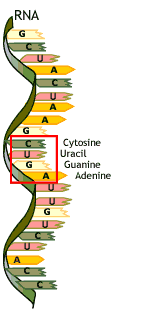
Nucleic acids are the building blocks of...
DNA
RNA
Atoms
Nucleotides
What is composed of several food chains in an ecosystem that intersect and depend on one another?
niche
feeding level
energy pyramid
food web
What is the ultimate source of energy in any food chain?
the sun
producers
consumers
decomposers
Which organisms can be found at the first, or lowest, trophic level?
herbivores
carnivores
heterotrophs
autotrophs
Herbivores eat only meat.
true
false
Which statement describes an autotroph?
It is an organism that makes its own food.
It is an organism that eats other organisms.
It is an organism that eats decaying matter.
None of the above.
Weather (such as rain) and soil conditions are considered to be part of the ____________ factors of an ecosystem.
biotic
antibiotic
abiotic
biomass
All the nonliving things in an environment are called the ________ factors.
abiotic
biotic
ecological
inorganic
What is an example of a biotic factor?
water
grass
soil
Which of these phrases describes the biotic factors of an ecosystem?
the number of individual organisms in each trophic level of an ecosystem
any living part of an environment
an organism that eats only meat
Which of these is most commonly the largest structure inside an animal cell?
endoplasm
nucelus
DNA
ribosomes
How do mitochondria regulate energy in a cell?
Mitochondria transfer energy between cells as energy is needed.
Mitochondria convert energy in nutrients into usable energy.
Mitochondria absorb and convert energy from the sun.
Mitochondria convert energy from the nucleus into usable energy.
Which of these is NOT a unique structure to plant cells?
cell wall
central vacuole
chloroplas
nucleus
All cells need energy (ATP) to function. Which cell organelle is responsible for producing energy in the cell? "The Powerhouse"
chloroplasts
mitochondria
nucleus
vacuoles
Where do new cells come from?
other cells
nucleus
Golgi body
macrophages
Mutations can be negative because
They can cause cancer
They can cause birth defects
They can help an organism thrive in its environment.
They can affect offspring.
Mutations can benefit humans because they can:
Cause illness
Make an organism more suited to live in its environment.
Make organisms live shorter lives
Cause organisms to grow extra limbs.
A mutation is defined as:
A change in the cell's structure
Anything that changes in an embryo
Any change in the physical features of a human
A change in the DNA sequence
A mutation can occur if a base pair is ____________, deleted or substituted for another.
modified
added
transferred
Mutations are random.
True
False

Darwin wrote that organisms with traits that are best suited to the environment will ________________
reproduce
become extinct

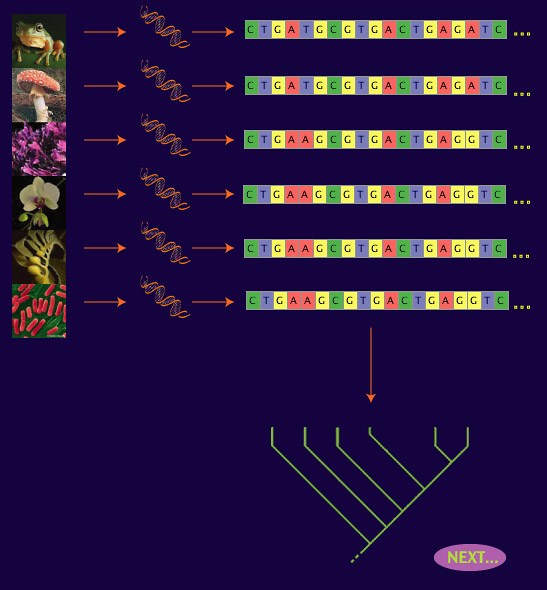
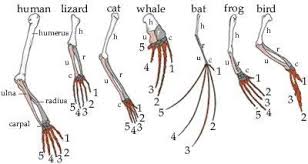

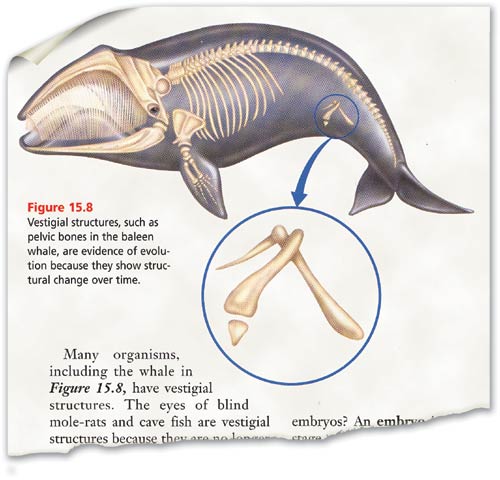
Which of the following is an example of a vestigial structure?
the wings of a red-tailed hawk
the tail of a house cat
the fins of sharks
the wings of a penguin
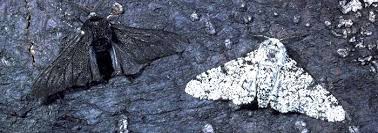
light
dark
they would be 50:50 due to random variation
The _____________ is a gel-like fluid that fills plant and animal cells. It holds the organelles in place and gives each cell its shape.
Cytoplasm
Cell Membrane
Cell Wall
Chloroplast
A student noticed that the freshwater plant, Elodea, produced bubbles when placed in direct light. What could the student most likely conclude?
Bubbles of carbon dioxide were produced as a result of photosynthesis.
Bubbles of oxygen were produced as a result of photosynthesis.
Bubbles of carbon dioxide were produced as a result of cellular respiration
Bubbles of oxygen were produced as a a result of cellular respiration
Which statement best explains how sweating during exercise maintains homeostasis?
It regulates mineral concentrations in cells.
It regulates body temperature.
It maintains water balance.
It maintains sugar balance in cells.
Which statement best explains why animals are considered heterotrophic?
They are able to produce food through the process of photosynthesis.
They are able to produce food through the process of respiration.
They are able to obtain nutrients by decomposing plant and animal tissue.
They are able to obtain nutrients by consuming other organisms or their products.
Which word equation best represents the process of cellular respiration?
carbon dioxide + glucose --> oxygen + water
carbon dioxide + water --> glucose + oxygen
glucose + oxygen ---> carbon dioxide + water
oxygen + water ---> carbon dioxide + glucose
Which best explains why the rate of a biochemical reaction decreases at high temperatures?
The activation energy increases.
The shape of the enzyme changes.
The enzyme-substrate complex forms.
The bonds between substrates are broken.
Which statement best describes the relationship between the products of photosynthesis and the reactants in cellular respiration?
The products of photosynthesis serve as the reactants in cellular respiration to provide chemical energy.
The products of photosynthesis combine with the reactants in cellular respiration to remove ATP from cells.
The products of photosynthesis inhibit the reactants in cellular respiration in the presence of light.
The products of photosynthesis change the structure of the reactants in cellular respiration in the presence of light.
If a cell containing 5% salt is placed into a glass of water with 20% salt, the solution is _______ compared to the cell.
hypertonic
hypotonic
isotonic


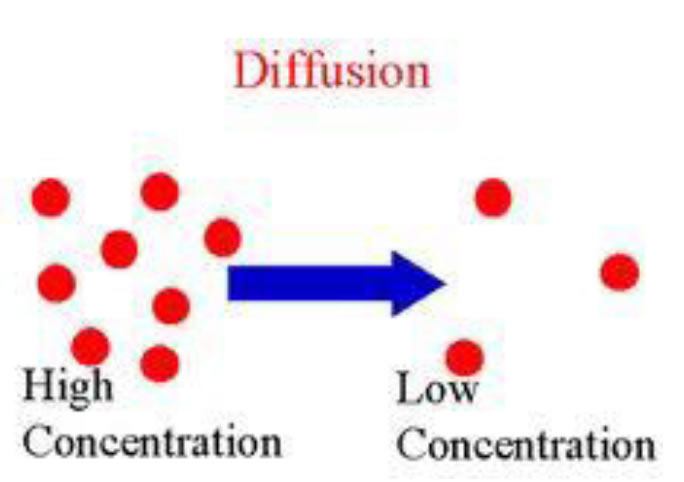
active transport
The chemical formula for glucose is C6H12O6 Which type of molecule is it?
protein
carbohydrate
nucleic acid
Which function is performed by a nucleic acids?
provide energy
function as enzymes
store genetic information
form structural materials like muscles and bones

Four different types of macromolecules and their characteristics are listed below. What type of macromolecule is D?
carbohydrate
lipid
nucleic acid
protein

The effect of temperature on the relative rate of enzyme activity is shown.
Which statement is a valid conclusion based on the information in the graph?
The maximum rate of human respiration occurs at about 57°C.
The maximum rate of human digestion occurs at about 45°C.
Growth can be controlled by the action of an enzyme.
Temperature can influence the action of an enzyme.

A digestive enzyme that is released into the small intestines by the pancreas is used to break down proteins. Data from a chemical reaction with the digestive enzyme are shown in the graph below.
According to the graph, which conclusion can be made about this digestive enzyme?
It functions most efficiently from pH 7.0 to pH 9.0.
It will work best if pH levels increase above pH 10.0.
It breaks down the most proteins between pH 1.0 and pH 5.0.
It is effective at breaking down proteins from pH 1.0 to pH 10.0.
Which of the following is not one of the four major classes of macromolecules?
Lipids
Carbon
Protein
Carbohydrates
Nucleic Acid
Which macromolecule is used as our main source of short-term energy?
Lipids/Fats
Nucleic Acids
Proteins
Carbohydrates
Which macromolecule stores energy long-term?
Carbohydrates
Proteins
Lipids/Fats
Nucleic Acids

Salmon and other types of fish are sources of what 2 macromolecules?
Carbohydrates
Lipids/Fats
Protein
Nucleic Acids
Macromolecules are made up of small repeating subunits which are called ___.
polymers
monomers
enantiomers
carbomers
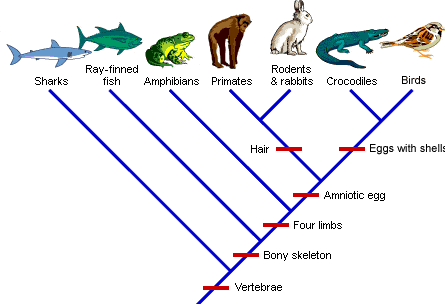


"The modification of characteristics in an organism through the manipulation of genes," describes which term?
Genetic engineering
DNA fingerprinting
Gel electrophoresis
Cloning
When fragments of DNA are connected from different sources, this creates:
A plasmid
A clone
Recombinant DNA
Fragmented DNA

Bacterial DNA that is often circular or in the shape of a ring is called a:
Clone
Plasmid
Fragment
Recombinant DNA
An alternative to genetic engineering is carefully choosing the parent organisms and breeding them to arrive at desired traits in the offspring. This is called:
Genetic engineering
Bacterial Transformation
Cloning
Selective breeding
Organisms that have had DNA from other organisms inserted into their DNA to produce certain traits are called:
Plasmids
Clones
Transgenic organisms
Recombinant organisms
Which of the following is a medical application of genetic engineering?
Inserting human DNA into bacterial DNA for insulin production
Manipulating of DNA to produce glowing monkeys
Engineering crops for greater nutritional content
Modifying genes to achieve a desirable phenotype
Which of the following means of genetic engineering would have the greatest impact on world hunger?
Inserting human DNA into bacterial DNA for insulin production
Manipulating DNA in trees to require less water
Engineering crops for greater nutritional content
Modifying genes to achieve a desirable phenotype

Inserting human DNA into a bacterial plasmid to create insulin-producing bacteria is an example of:
Recombinant DNA
Bacterial Transformation
Cloning
Selective breeding
Crops are often genetically engineered for certain traits such as:
Longer shelf life
Better appearance
Increased crop yield
Shorter growing season
Insect resistance
Crops are often genetically engineered for improved traits. Such crops and organisms are called:
Genetically modified organisms
Clones
Transformed
Nutritionally improved
What was the purpose of the Human Genome Project?
To develop the first human clones
To map out the entire human genome
To create new antibiotics
To improve stem cell research
The engineering of organisms that are genetically identical is known as:
Cloning
Bacterial transformation
Selective breeding
Gene therapy
Using genetic engineering to treat or cure diseases is called:
Bacterial transformation
Selective breeding
Gene therapy
Alternative medicine
Despite the successful cloning of human embryos, much of this research has been halted due to:
National laws prohibiting human cloning
Insufficient funding
Lack of experimental research
Ethical concerns

Crops may be genetically modified for pesticide resistance. Which of the following practices is then unnecessary?
Spraying with pesticides
Irrigating crops
Rotating crops
Harvesting

