Worksheets
Midterm Review
Total questions: 80
Worksheet time: 1hrs 3mins
What are the primary elements found in sugar molecules?
Carbon, Hydrogen, and Nitrogen
Carbon, Hydrogen, and Oxygen
Carbon, Oxygen, and Nitrogen
Hydrogen, Oxygen, and Nitrogen
How do sugar molecules contribute to the formation of amino acids in the body?
Sugar molecules are directly incorporated into protein structures.
Sugar molecules provide the nitrogen and sulfur found in many amino acids.
Some atoms in sugar molecules are used to make amino acids, which are then assembled into proteins.
Sugar molecules act as catalysts in protein synthesis.
A (a) is a long chain of amino acids that makes up (b)
Label the diagram

What is the function of insulin?
diagnose diabetes
turn glucose into energy
help glucose enter the cells of the body
all choices


This is the "genetic material" that is inside of cells.
DNA
Ribosomes
Lysosomes
Vacuole

If the cell is considered to be EUKARYOTIC, what does that mean about its DNA and nucleus?
It DOES have a NUCLEUS, and the DNA is INSIDE the NUCLEUS
It DOES NOT have a NUCLEUS, and the DNA is free floating in the cytoplasm.
This is an organelle that is present in all cells, it is where proteins are synthesized(made).
Plasma Membrane
Ribosomes
Vesicle
Mitochondria

This is the organelle where energy is created in the form of ATP. Also known as the powerhouse of the cell.
Lysosomes
Nucleus
Chloroplasts
Mitochondria

I am an organelle that helps clean up the cell, break down food, break down the cell when it is dead, and is also considered an enzyme.
Nucleolus
Nucleus
Lysosome
Ribososme

I am an organelle that holds the DNA. I am also considered the control center. If I am a prokaryotic cell I don't have one.
Ribosomes
Plasma Membrane
Nucleus
Vesicle

This organelle is only present in plant cells, it helps by capturing sunlight in order to perform photosynthesis.
Mitochondria
Chloroplasts
Cell Wall
Lysosomes

This organelle is in both plant and animal cells. It is a storage place for water, waste, and some food.
Ribosome
Nucleus
Golgi Apparatus
Vacuole
Passive transport (a) require energy because it moves (b) the concentration gradient, from (c) .
Which TWO of the following can be used to identify ACTIVE transport?
Requires energy (ATP!)
Which of the following images show transport that REQUIRES ENERGY? (more than one answer is correct!)


Why is it important to write down your procedure?
So that I can photocopy it for my friends.
To take up more class time.
So that other scientists can repeat it.
So that I don't have to do it later.

A student wants to test the effects of different types of exercise on heart rate. What would be the dependent variable of the experiment?
the measurement of heart rate
Hypertonic
High solute, low water
Low solute, high water
Equal solute & water
Isotonic
High solute, low water
Low solute, high water
Equal solute & water
Hypotonic
High solute, low water
Low solute, high water
Equal solute & water

Describe the tonicity of the solution this cell is in that would cause the water to move the way it is.
Hypertonic
Hypotonic
Isotonic

Describe the tonicity of the solution this cell is in that would cause the water to move the way it is.
Hypertonic
Hypotonic
Isotonic

Describe the tonicity of the solution this cell is in that would cause the water to move the way it is.
Hypertonic
Hypotonic
Isotonic

Name the food test and the type of food that was being tested.
Benedict's test
Glucose
Millon's test
Protein
Iodine test
This solution is change into dark blue when mixes up with the food. Name the solution and the food.
Starch
Iodine
Protein
Millon's reagent
Benedict

What was most likely added to this slide?
Distilled Water
Salt Water
nothing

Cell membranes are said to be selectively permeable. Which statement best explains what selectively permeable means?
The cell membrane prevents any harmful substance from entering the cell.
The cell membrane lets certain substances enter the cell and keeps certain substances out of the cell.
The cell membrane allows only large molecules to diffuse into the cell.
The cell membrane has pores that let only water and glucose into the cell and carbon dioxide out.
Any organism that causes disease like a virus or bacteria is called:
Antibiotics
Antibody
Pathogen
Phagocyte
A molecule that the immune system recognizes either as part of the body or as coming from outside the body:
Antigen
Antibodies
Antibiotics
Antipaths
A protein produced by B cells of the immune system that destroys pathogens is called:
Antigens
Antibodies
T-cells
Lymphocytes
What is a preparation of dead or weakened pathogens that is introduced into the body to cause an immune response?
fungi
vaccine
antigens

Organ transplants will cause an immune response in the body because...
red blood cells will be prevented from carrying oxygen.
antibiotics will be produced that cause blood clotting.
white blood cells will react to the foreign antigens on the organ.
the organ prevents antibodies from being made.

Which structure is made by the human immune system to fight a pathogen?
1--the antibody
2--the antigen
3--the pathogen
Many species of bacteria have become resistant to antibiotics because antibiotics have been so widely used. Now, bacteria that used to be killed by antibiotics are more difficult to treat. What is the best way to proceed in dealing with this public health problem?
Antibiotics should no longer be used.
Antibiotics should be made available to anyone without a prescription.
Antibiotics should only be prescribed to people with bacterial infections.
Anti-viral medications should now be used instead of antibiotics.
The structure responsible for pumping blood throughout the body is
the kidney
the stomach
the brain
the heart

The alternating expansion and relaxation of the artery wall caused by contraction of the left ventricle is
blood pressure
pulse
blood reading
palpitation

What chamber of the heart is identified by the red arrow #1?
left atrium
right atrium
left ventricle
right ventricle

Pulmonary circulation refers to the flow of blood between the heart and the
liver
kidneys
lungs
body
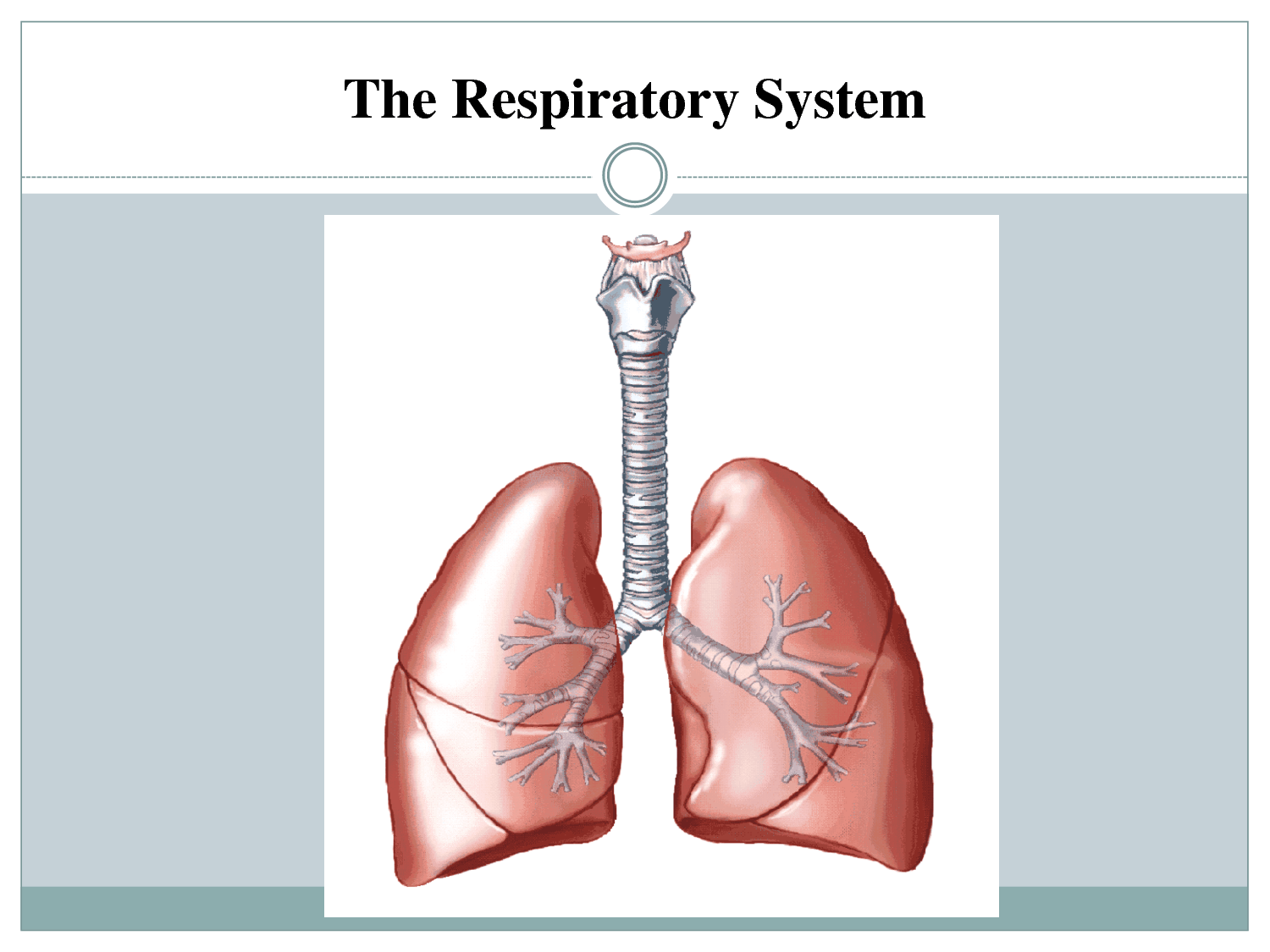
What is the main function of the respiratory system?
to provide oxygen and remove carbon dioxide from the body
o break down food and absorb nutrients
to remove oxygen from the body and deliver carbon dioxide

Flap of tissue that covers the opening to the windpipe during swallowing
Pharynx
Trachea
Epiglottis

What type of cells carry oxygen in the blood?
red blood cells
white blood cells
What is the endocrine system?
A system of vessels that circulates blood around the body.
A group of glands that work together with the nervous system to coordinate all body functions
A group of bones and tissue that provides support and structure for the body.
All of above
If you have diabetes, the gland that helps maintain your sugar levels in equilibrium is your
gut
pancreas
liver
Which three systems work together to move the body?
skeletal, respiratory, digestive
nervous, cardiovascular, skeletal
skeletal, muscular, nervous
cardiovascular, respiratory, digestive
Cells → ______ → ______ → ______ → Organism
Which choice gives the levels of organization in the correct order to fill in the blanks.
Organs, Tissues, Organ Systems
Organelles, Atoms, Tissues
Macromolecules, Organelles, Cells
Tissues, Organs, Organ Systems
What are the reactants in cell respiration?
water, carbon dioxide, light
oxygen, sugar
sugar, water, carbon dioxide
What is the energy that is produced in cell respiration?
ADP
Sugar
ATP
Anaerobic means
with oxygen
without oxygen
to run for a long time

According to the graph, what happens when the temperature increases?
respiration rate decreases
respiration rate increases
respiration rate levels off
respiration rate increases then decreases
What do photosynthesis and cellular respiration have in common?
They both require Sun light.
Both are carried on by heterotrophs
They both create energy for an organism to use.
They both transform energy for an organism to use.
What type of organism makes it's own food?
Autotroph
Heterotroph
Consumer
Omnivore
What type of organism has to consume energy?
Producers
Plant
Autotroph
Heterotroph

Please indicate the correct equation(s) for Cellular Respiration. (2 answers)
Glucose + Oxygen --> Carbon Dioxide + Water + Energy
C6H12O6 + O2 --> CO2 + H2O + ATP
Carbon Dioxide + Water + Energy --> Glucose + Oxygen
C6H12O6 + 6 O2 --> 6 CO2 + 6 H2O + ATP