
NEW
Font size
 Worksheets
Physical Science Semester I Review
Total questions: 50
Worksheet time: 2hrs 32mins


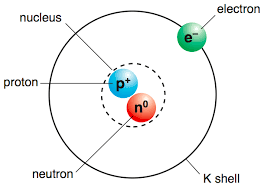


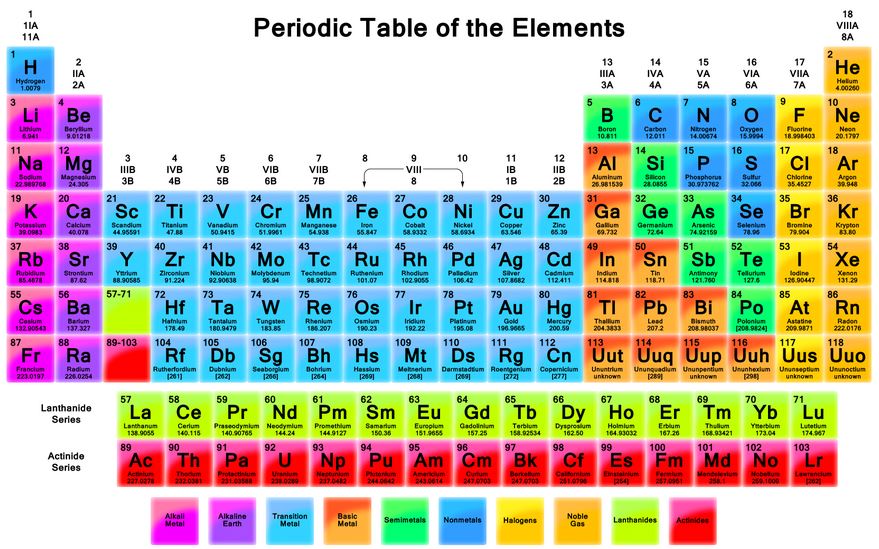
How many neutrons are in Magnesium?
36
12
24
6

How many electrons are in Sulfur?
32
16
48
8

Which would you do to change this Lithium to a new element?
Add a neutron
Add an electron
Add a proton
Add a proton and neutron\
Which atom will have a +1 charge?
3 protons
4 neutrons
3 electrons
3 protons
4 neutrons
4 electrons
3 protons
4 neutrons
2 electrons
3 protons
3 neutrons
3 electrons
Subatomic particles with a negative charge
Electrons
Neutrons
Protons
Quarks
Found orbiting outside the nucleus, this subatomic particle has a negative charge.
Neutron
Proton
Electron
Idontknowatron
The common charge on an atom in group 17 would be....
+1
+7
-7
-1
17
Which of the following reasons explains why there is a decimal for most atomic masses?
The mass of one atom can have a fraction.
Since electrons are very small mass they only add a little bit, usually only a decimals worth.
It is the average mass of all the potential isotopes of an atom.
Neutrons have a mass of 1.1 meaning that fractions are common.
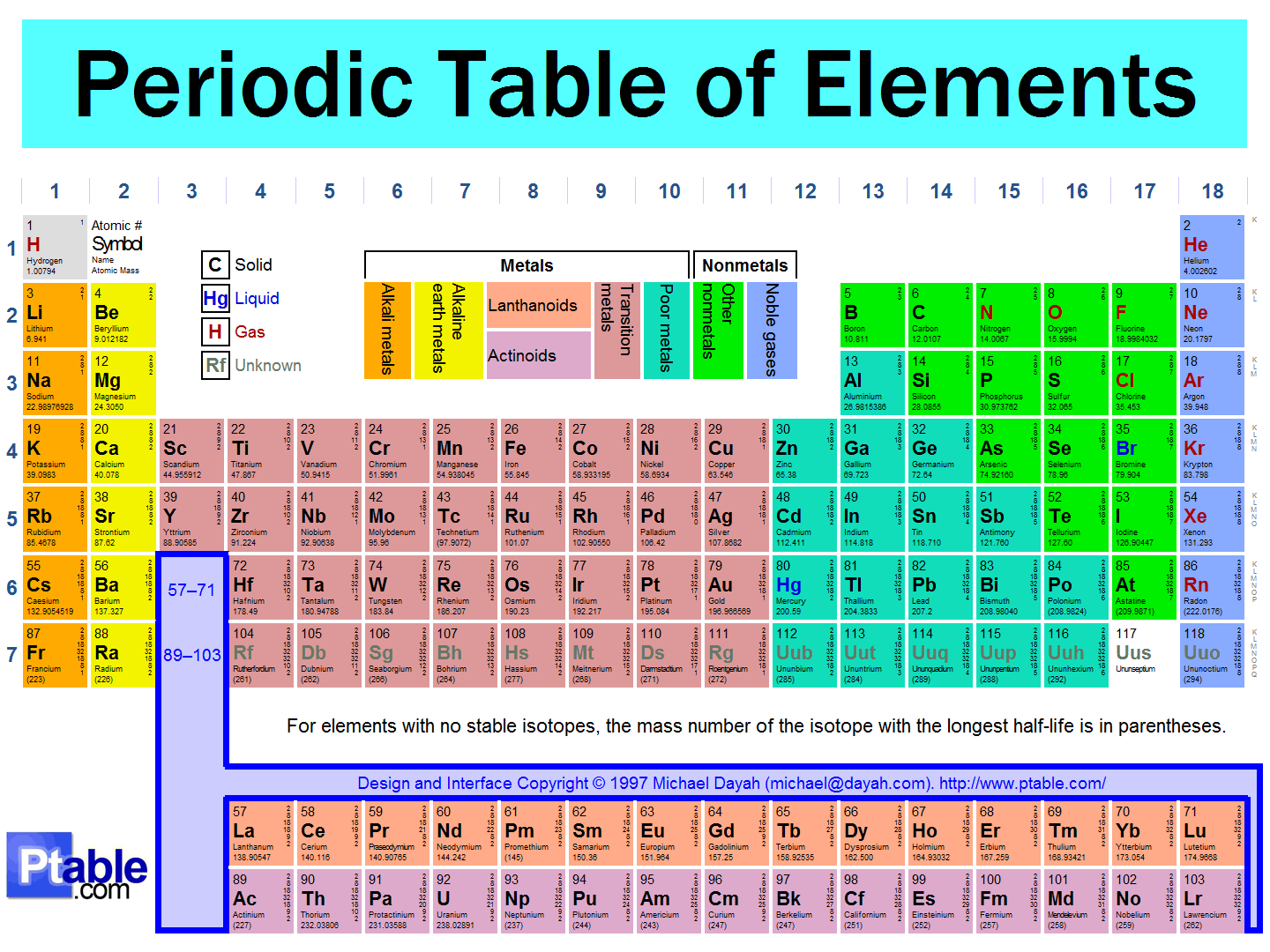
The horizontal (side to side) rows in the Periodic Table are called
groups
families
periods
atomic numbers

How many valence electrons does a carbon atom have?
8
4
2
6
If an element is in group number 15 you know it has _____ valence electrons.
1
2
5
15

Is melting butter for popcorn a chemical or physical change?
chemical
physical

Is this an example of a physical or chemical change?
physical
chemical
The Law of Conservation of Mass States
Energy cannot be created nor destroyed, it can only change form.
Mass cannot be created nor destroyed, it can only change form.
Mass can be created or destroyed, it cannot change form.
Is the following equation balanced?
Al + O2 ---> 2Al2O3
YES
NO
Is the following equation balanced?
2C2H2 + 5O2 ---> 4CO2 + 2H2O
YES
NO
Three types of nuclear radiation are _______ radiation, _________radiation, and _____________ radiation.
alpha, beta, and gamma
theta, beta, and kappa
alpha, beta, positron
After one ____________ of a radioactive element, half of the original radioactive material remains.
half-life
cycle
decay
In a(n) ___________, particles released from one nuclear reaction collide with other particles and cause more nuclear reactions.
nuclear fission reaction
nuclear fusion reaction
In ___ _____reactions, small nuclei combine, producing a large nucleus and releasing large amounts of energy.
nuclear fission
nuclear fusion
What is the final stage in the life cycle of a low-mass star?
supernova
neutron star
white dwarf
black hole

