
 Worksheets
EM Spectrum and Energy
Total questions: 43
Worksheet time: 32mins


Which color has the longest wavelength?
Yellow
Red
Green
Purple

When atoms _____________ energy, their electrons move to higher energy levels. These electrons _____________ energy by emitting light when they return to lower energy levels.
lose, absorb
absorb, lose
lose, lose
absorb, absorb

Emission spectra (bright line spectra) are created when electrons move from ___.
higher to lower energy levels.
lower to higher energy levels.
s orbitals to p orbitals.
one atom to a different atom.
Which type of spectra measures the light that a gas absorbs and produces dark lines?
Absorption spectra
Emission spectra
Continuous spectra

When electrons of an element reach an "excited" state, ___ lines are produced.
dark
emission (bright)
continuous
invisible

Each element on the periodic table can be identified by its
classification as a solid, liquid or gas.
location on the table.
ability to react to form compounds.
unique spectral "fingerprint."

Emission spectra emitted by an element (or compound) will produce ___ through a spectroscope.
bright lines
a continuous rainbow
dark lines
white light
In which state does an electron have the least amount of energy?
Excited state
Ground state
Orbital
Bohr model
The number of waves that pass a given point every second
Frequency
Wavelength
Energy
Electromagnetic Spectrum
Carried in different amounts by all waves
Frequency
Wavelength
Energy
Electromagnetic Spectrum
Broad range of radiation that carries energy as waves
Frequency
Wavelength
Energy
Electromagnetic Spectrum
When two different variables do the opposite thing
Direct Relatinship
Inverse Relationship
When two different variables do the same thing
Direct Relatinship
Inverse Relationship
As wavelength increases: frequency,_____________ and energy ______________.
Increases; decrease
Increases; increases
Decreases; decreases
Decrease; increases
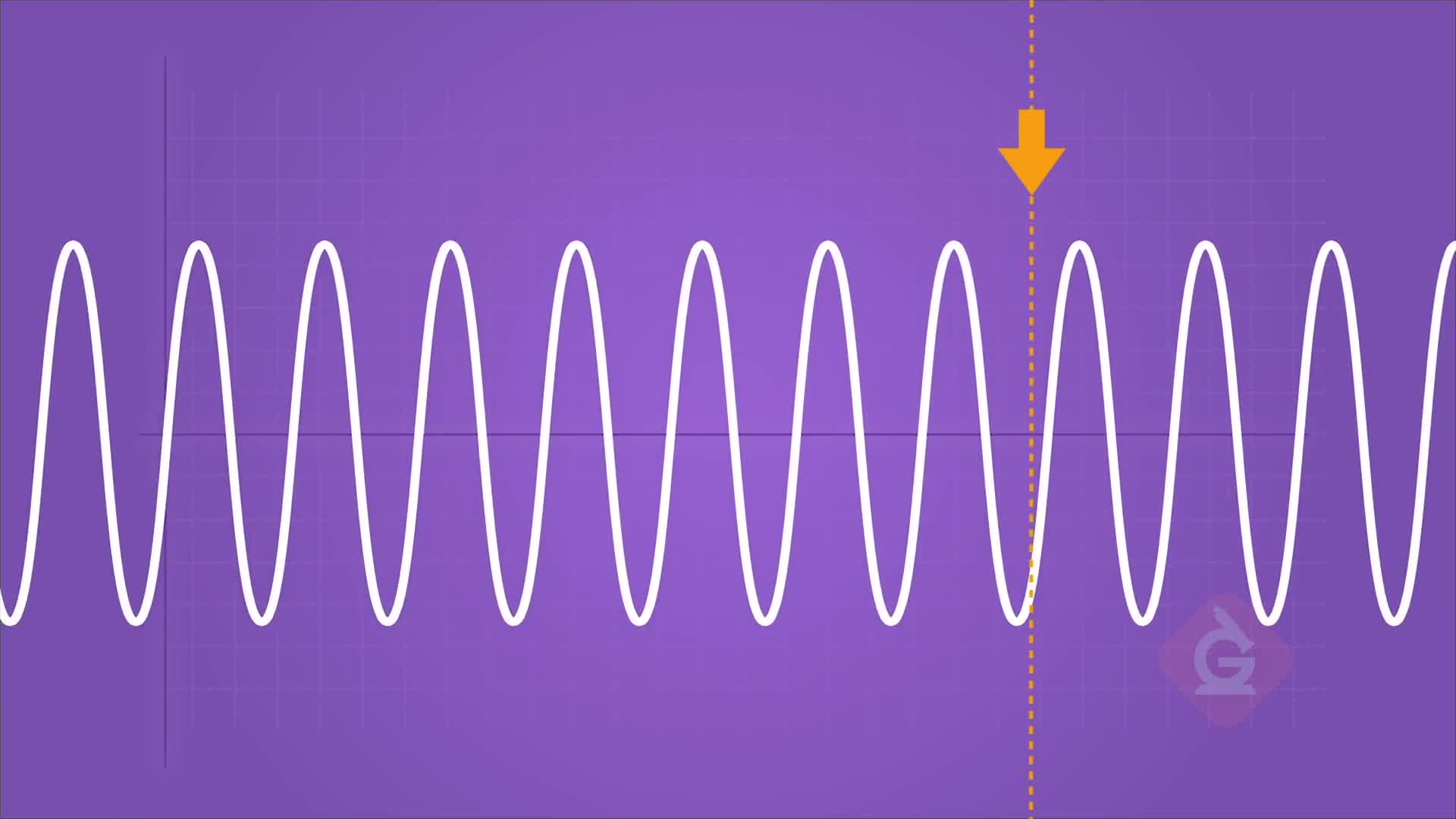

The number of times a wave cycles in one second, measured in Hertz is called
frequency
wavelength
velocity of a wave
displacement from equilibrium
The number of times a wave cycles in one second, measured in Hertz is called
frequency
wavelength
velocity of a wave
displacement from equilibrium
A particle of light is called a...
Photoelectron
Photon
Proton
Electron

The emission of electrons from a metal when light shines on the metal → photoelectric effect
true
false
when a narrow beam of the emitted light was shined through a prism, it was separated into four specific colors of the visible spectrum →line emission spectrum
true
false
all the forms of electromagnetic radiation
electromagnetic spectrum
line emission spectrum
electromagnetic radiation
photoelectric effect


What is the major problem with Rutherford's Model of the atom?
The electrons crash into the nucleus
The electrons repel each other
The nucleus is not positively charged
The nucleus is not negatively charged
What did Niels Bohr find when he passed an electric current through a vacuum tube containing hydrogen gas?
A pink glow
A blue glow
A green glow
No glow
What is the electromagnetic spectrum?
An arrangement of all electromagnetic waves by decreasing wavelength
An arrangement of all electromagnetic waves by increasing wavelength
An arrangement of all electromagnetic waves by decreasing frequency
An arrangement of all electromagnetic waves by increasing frequency
How many electrons does hydrogen have?
One
Two
Three
Four
What is the symbol for wavelength?
Lambda (λ)
Nu (𝝂)
Crest (C)
Trough (T)
In the electromagnetic spectrum, which of the following is true of waves with long wavelengths?
They have high frequencies
They have low frequencies
They have moderate frequencies
They have inconsistent frequencies
Each element on the periodic table can be identified by its
classification as a solid, liquid or gas.
location on the table.
ability to react to form compounds.
unique spectral "fingerprint."


Light is a form of energy and is made of many colors.
True
False

If white light is passed through a prism, it can not be separated into light of different colors.
True
False

