
 Worksheets
Neurosurgery: Primary Board and Certification Review Section 1
Total questions: 100
Worksheet time: 50mins
An 81-year-old female presents with complaints of gradual, painless bilateral vision loss and a visual glare. On physical examination, there is a marked decrease in visual acuity and upon ophthalmoscopy, there is an increased opacity in the pathological structure. The structure causing the symptoms refracts light. Which structure of the eye refracts light?
Lens
Iris
Retina
Conjunctiva
A 59-year-old female presents to the office complaining of left hip pain and aching in the anterior thigh. Further workup ruled out vascular etiology and determined that the pain was radicular in nature. Based on the complaints and physical exam, it is determined that the levels involved contribute to the innervation of the muscles superficial to the lateral femoral cutaneous artery after it has branched from the deep femoral artery. What lumbar spinal levels are most likely to be found to be stenotic on further imaging?
L2-L4
L2-L3
L5-S2
L4-S1
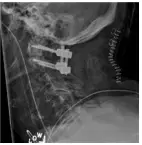
A 58-year-old male who sustained traumatic fractures to the upper cervical spine following a motor vehicle accident. After a detailed evaluation of the fracture characteristics and imaging studies, you recommend posterior instrumentation and fusion from the occiput to C2. The patient asks you how would this affect his range of motion. You should inform him that he would probably experience which one of the following?
A decrease in cervical spine rotation of 50%.
A decrease in cervical spine flexion-extension of 50%.
Decrease of cervical spine rotation of 50% and a decrease of cervical spine flexion-extension of 50%.
Decrease of cervical spine rotation of 50% and a decrease of cervical spine flexion-extension of 10%
A 35-year-old male was involved in a high-speed motor vehicle accident with significant damage to the car and prolonged extrication. After standard ATLS protocol and stabilization, the tertiary survey identifies a fracture that extends through the entire vertebral body of L1. The vertebral body of T12 appears to be translated anteriorly to L1 as well. The patient is neurologically intact and only complains of back pain. No other injuries are identified. What is the best definitive management in a patient who sustains this type of fracture, as described by Denis?
Observation
Physical therapy
TLSO brace
Open reduction, instrumented fusion
A 54-year-old female presents to the ED complaining of an asymmetrical face, slurring of her words, and drooling during breakfast this morning. The patient is suspected of suffering a stroke and during the neurologic examination, the patient complains that she can not feel the left side of her face. Which of the following is responsible for her not being able to feel the left side of her face?
A lesion of the right nucleus cuneatus
A lesion of the left medial lemniscus
A lesion of the right ascending ventral trigeminothalamic tract
A lesion of the right medial lemniscus
The anatomy of the optic nerve is thought to play a role in both the development of papilledema and the response to optic nerve sheath fenestration (ONSF). Which of the following is a proposed mechanism for the variable response to ONSF based on anatomic variations of the optic nerve?
Closure of the fenestration site causing a reaccumulation of perioptic cerebrospinal fluid (CSF)
Variations in the anatomic configuration of the vascular supply of the optic nerve and extraocular muscles
The variable architecture of the subarachnoid space of the optic nerve in its different segments
The variable meshwork and organization of the orbital septae
A 10-year-old female complains of low back pain for the last three weeks. She does gymnastics in high school since childhood. The pain is located in the lower back, non-radiating, and exacerbates with activity. What is the most likely diagnosis?
Vertebral fracture
Spondylolysis
Muscular strain
Disc herniation
A 75-year-old man presents to the emergency department due to persistent left-sided numbness that started about an hour ago. Significant medical history includes type 2 diabetes mellitus, essential hypertension, prostate cancer, cataracts, and two prior myocardial infarctions five and eight years ago. He has smoked two packs of cigarettes daily for the past 40 years. He takes metformin, atorvastatin, lisinopril, tamsulosin, and undergoes radiation therapy every two weeks. He has been compliant with his medications and follow-up visits. His vital signs are temperature 38 C (100.4 F), blood pressure 140/85 mmHg, respiratory rate 12/minute, and 92% oxygen saturation on room air. The patient is alert and oriented to person, place, and time. He can draw a clock fully with the time. The neurologic exam is significant for decreased sensation to crude touch, pinprick, and fine touch in his left face, arm, and leg. No visual field defects are noted. Strength is 5/5 throughout, and reflexes are 1+ bilaterally in his upper and lower extremities. Cardiac examination demonstrates a 1/6 systolic murmur at the right upper sternal border, and pulmonary examination demonstrates increased inspiratory and expiratory effort with bilateral expiratory wheezes in all lung fields. Chest x-ray shows a flattened diaphragm and expanded lung fields bilaterally. Head CT scan is negative. Based on this patient's presentation, what is the most likely location of the brain lesion?
Right parietal lobe and middle cerebral artery
Left internal capsule and lenticulostriate artery
Right pons and perforating pontine arteries
Right thalamus and the thalamoperforating arteries
A 22-year-old lacrosse player presents to his primary care provider for a yearly physical. During his visit, he expresses concern over the recent attention that concussions have received in the media. He mentions that he has had several previous concussions and is worried that he may have returned to play too quickly. What is the most appropriate response when he asks about the appropriate amount of time to recover from a concussion?
If a concussion is diagnosed, he may return to play as soon as his coach permits
It does not matter whether or not a concussion is diagnosed. He must sit out at least two weeks
Neuropsychological tests have shown abnormalities in concussed athletes up to 5 weeks following injury. Therefore, it is possible that at least a month may be required before return to play
If he does not have any symptoms immediately following a rapid acceleration-deceleration impact to the head, he may return to play immediately
A patient presented to your clinic for treatment of a low-flow indirect carotid cavernous fistula. You are performing the exposure for a direct cannulation of the superior ophthalmic vein. You have made your superior sulcus incision and opened the orbicularis oculi and orbital septum. You are unable to identify the superior ophthalmic vein, even after tracing back the supraorbital vein. What is the next best operative step?
Discontinue the operation. I will not be possible to cannulate the superior ophthalmic vein in this scenario
Perform a lateral orbitotomy to expose the superior ophthalmic vein in the lateral orbital wall
Continue aggressive dissection within the orbital fat pad to identify the superior ophthalmic vein
Make an additional eyebrow incision to facilitate an orbitofrontal bone flap. The superior ophthalmic vein will be identified running immediately under the superior rectus muscle
A 75-year-old female presents to the emergency department who was in a motor vehicle collision and had a Hangman fracture on CT imaging without any vascular injury on angiography. She is placed in a rigid cervical collar and has no neuro-deficits. The CT demonstrates less than 11 degrees of angulation of the C2 body and greater than 3.5 mm displacement. Which of the following is the next best step in the management of this patient?
No further imaging and rigid cervical collar for 8-14 weeks
Cervical spine flexion and extension x-rays
MRI of the cervical spine
Consent for internal fixation
Following a motor vehicle accident, a 35-year-old male is agitated and has multiple cerebral contusions on CT of the head. Hemodynamic measurements show a heart rate of 85 beats/min and a mean arterial pressure (MAP) of 84 mmHg. An intracranial pressure monitor reveals a pressure of 28 mmHg. What is the most appropriate management regimen?
Hyperventilation to maintain a cerebral PCO2 of 25 to 30 mmHg
Administration of phenylephrine to increase MAP
Administer hypertonic saline
Placement of patient in Trendelenburg position
A 67-year-old female was involved in a motor vehicle accident in which she was the restrained driver of a car that rear-ended the vehicle in front of her that was stopped at a red light. She is rushed to a local trauma center where advanced imaging reveals she has sustained a flexion-distraction injury. What column serves as the axis of rotation in this type of injury, according to the Denis classification system?
Anterior
Middle
Posterior
Superior
A 76-year-old female is undergoing microsurgical clipping of anterior communicating artery (ACOM) aneurysm. Intraoperatively, there is an inadvertent injury to the recurrent artery of Huebner (RAH). However, other perforators are well preserved. The postoperative CT image, however, shows hypodensities involving the caudate head, anterior limb of the internal capsule as well as putamen. What is the most likely cause of the radiological findings?
Diffuse vasospasm
Seizure
Rete communication of RAH with other lenticulostriate vessels from ACA and MCA
Injury to parent ACA vessel
A 15-year-old male hockey player comes off the ice with a mild headache, feeling tired, emotional lability after receiving a hard check into the side boards. He is able to answer all 5 Maddock questions appropriately, is alert and orientated appropriately, with only three errors on balance testing. After a few minutes, his symptoms clear. Should he be allowed to return to play in this game and is he at risk for suffering a second impact syndrome?
Yes, he can return to play and no he is not at risk
No, he cannot return to play and he is not at risk
Yes, he can return to play and he may be at risk
No, he cannot return to play and he is at risk
A 76-year-old female presents today with progressive, severe low back pain. She has a history of osteoarthritis, type 2 diabetes, osteoporosis, hypertension, COPD, and osteoporotic compression fractures. Her last osteoporotic compression fracture was 2 years ago. She has been on alendronate since her last fracture. Pain is described as dull and achy, nine out of 10 in severity, without radiation pain. Her walking is limited due to her back pain. She denies any numbness or tingling into her lower extremities, or bowel or bladder incontinence at this time. On physical exam, there is point tenderness over her lower lumbar spine at the L4-L5 vertebral levels. Muscle strength examination of lower extremities is difficult to perform due to pain. However, plantar flexion and dorsiflexion muscle strength is 5/5 bilaterally, and lower extremity sensation is otherwise intact. Deep tendon reflexes for the L4, S1 are 2/4 bilaterally. Special tests cannot be performed to pain. Pain is elicited immediately upon the patient lying on her back. Kyphoplasty is being considered for the patient. What is the strongest contraindication for vertebral augmentation?
Metastatic vertebral fracture
Complete vertebral body collapse
Vertebral body fracture with a posterior cortical breach
Osteoporotic compression fracture
A 64-year-old Northern Indian man with past medical history of diabetes mellitus and heterozygous MTHFR gene mutation was brought by his son to the emergency department for fever, eye discharge on the right side, painful eye movement on the right side for three days. The patient also reported a headache and vision changes on the right side for two weeks which are unusual for him. He takes only metformin 1000 mg BID and insulin shots with meals. There is no significant family history. Blood pressure is 110/65 mmHg, heart rate 105 bpm, and temperature 38.5 C. He is alert and oriented to person and place but not time, chemosis, periorbital edema and proptosis on the right eye. There is mild restriction of all extraocular movements of the right eye and mild drooping of the right eyelid. There was poor effort during strength exam. The rest of the exam is unremarkable. WBC, ESR, CRP, and D-dimer are mildly elevated. CT head is unremarkable. Lumbar puncture is done with no WBCs but mildly elevated protein of 120 mg/dL. Brain MRI shows an isointense lesion in the right cavernous sinus close to cranial nerve III with a decreased caliber of the intracavernous internal carotid artery on T1 and hypointense mass on T2. The lesion was well enhanced on T1 contrast. MR angiography shows a cavernous sinus mass and occlusion of the intracavernous carotid artery on the right side. What is the most likely diagnosis?
Carotid-cavernous fistula
Cavernous sinus tumors
Cavernous sinus thrombosis
Carotid-cavernous aneurysm
An 87-year-old male is involved in a car accident. A CT scan of the head identifies a lesion in the third ventricle suspected to be a colloid cyst. The patient also has mild hydrocephalus. He has multiple medical issues, including pulmonary hypertension, aortic valve stenosis, chronic kidney disease, hypertension, poorly controlled diabetes mellitus, and chronic obstructive pulmonary disease. The patient is very concerned about the possible risk of the sudden death of with a colloid cyst. Given his medical comorbidities, which of the following treatments has the lowest upfront surgical risk for this patient?
Craniotomy with a transcortical approach
Craniotomy with a transcallosal approach
Endoscopic cyst resection
Stereotactic cyst aspiration
A 12-year-old previously healthy boy is brought to the emergency department (ED) after he was struck on his right side by a motor vehicle while he was running across the street. His upper body was thrown forward, and he bumped his left forehead on the pavement. He was alert and oriented when the paramedics arrived at the scene. They immobilized his entire spine using a pediatric backboard and cervical spine collar before transport. In the ED, he is anxious but fully oriented. He reports pain in his head, abdomen, and legs. His vital signs include a temperature of 37.6 C, heart rate of 89 beats/min, respiratory rate of 19 breaths/min, blood pressure of 100/70 mmHg, and pulse oximetry of 99% (room air). On physical examination, the boy’s airway is clear, he is breathing spontaneously with normal respiratory effort, and his pulses and perfusion are normal. A superficial abrasion over his left forehead is noted. His abdomen is soft and non-distended, but it is tender to palpation in the right upper quadrant. He displays no peritoneal signs. There is tenderness to palpation over his right thigh with swelling and bruising. Imaging is performed which shows a hepatic contusion and a non-displaced skull fracture on the left side. What additional finding in this patient would confirm the diagnosis of Waddell triad?
Left tibia fracture
Right femur fracture
Right humerus fracture
Spinal injury
A 14-year-old male presents with a 9 cm, highly vascular mass centered in the posterior nasal cavity and sphenopalatine foramen invading the infratemporal fossa (ITF), middle cranial fossa, and cavernous sinus. Staged surgical resection is being planned. Which of the following is the best imaging modality to evaluate this patient's vascular anatomy for preoperative planning?
CT angiography (CTA)
MR angiography (MRA)
Angiography
Doppler ultrasound
A 65-year-old female presents with blurred vision. During the interview, she admits that she also has had episodes of feeling the “room spinning," especially when she turns her head. Two days ago, she had an episode of suddenly feeling weak and subsequently dropped to the floor. Which of the following statements is the most appropriate pertaining to the neurological event observed in the patient?
Dysarthria may develop
Balance problems are very rare
Fifty percent of transient ischemic attacks and strokes occur in the vertebrobasilar system
Hemiparesis is the most common symptom
A 27-year old male presents to the emergency department with a penetrating injury. He states that he was at work on a construction site when a sharp object fell on him and led to a penetrating injury on his back. MRI of the spinal cord is immediately done and reveals a cut in the spinal cord on the left side at the level of T9. Which of the following statement regarding the effect of his injury is true?
He will not be able to move his legs at all
He will not be able to move his right hand and right leg properly
He will not be able to move his left leg properly
He will not be able to move his left leg and left arm properly
An adult patient presents with the worst headache of her life. A noncontrast CT of the head is negative. A lumbar puncture produces four bloody tubes, each with RBC counts greater than 100,000/mm3. What is the next step in management?
Repeat a noncontrast head CT the next day
Perform a CT angiogram
Perform a head CT with contrast
Administer mannitol
A 19-year-old male is thrown off his motorbike and brought to the emergency department for evaluation. He has a decreased level of consciousness and is moaning and complaining of pain on the left side of his neck. His vital signs are temperature 99.6 F, heart rate 82 beats/minute, respiratory rate 20 breaths/minute, and blood pressure 120/84 mm Hg. He is alert and awake and following simple commands. His examination reveals bilateral equal and reactive pupils. There is a clear fluid coming out of the left ear. He also has a nosebleed and a large scalp laceration. The remainder of the examination is unremarkable. Which of the following is the most rational approach to confirm the diagnosis of CSF leak suspected in the patient?
Glucose content
Beta-2 transferrin
MRI of the brain
Beta trace protein
The husband of a 73-year-old female calls emergency medical services (EMS) after noticing slurred speech and right-sided weakness in his wife. EMS personnel evaluates the patient and suspects a possible large vessel occlusion stroke using the Los Angeles Motor Scale. The patient’s last known normal was 30 minutes ago. According to the American Heart Association and American Stroke Association ‘Severity-Based Stroke Triage Algorithm for EMS’, to which of the following facilities should the patient be transported?
The closest acute stroke-ready hospital 45 minutes away
The closest primary stroke center 55 minutes away
The closest comprehensive stroke center 60 minutes away
The closest hospital regardless of stroke center certification
A 39-year-old man comes into the emergency department for evaluation of a 2-day history of his "right eyebulging," swelling of the eyelids, and headache. The patient notes that he has had a sinus infection for the past couple of weeks that has not resolved. Vitals reveal a temperature of 100.6 F, heart rate of 112 bpm, respiratory rate of 18 bpm, and blood pressure 130/78 mmHg. Physical exam reveals exophthalmos and periorbital edema of the right eye, tenderness of the face below the eyes, and bilateral purulent discharge from the nares. The remainder of the exam is relatively benign. If his condition were allowed to persist, what other physical exam finding or symptom would be most likely expected?
Left hemiparesis
Nausea and vomiting, particularly in the morning
Inability to look up with the right eye
Inability to abduct the right eye
A geriatric patient falls because of his Parkinson disease. Seven days later, he is brought to the emergency department and found to have altered mental status and weakness of his extremities. A CT of the brain reveals a subdural hematoma and transtentorial herniation. If this patient develops a cerebral infarct due to this herniation, which vessel will be compromised?
Anterior cerebral artery
Posterior cerebral artery
Bridging veins
Middle meningeal artery
A 12-year-old male presents to the emergency department with a new-onset headache and blurry vision for 6 hours. The patient denies a history of prior seizures. Past medical history includes a right-hand corrective surgery for polydactyly at eight months of age. The neurological examination reveals no abnormalities. CT head without contrast shows a mass in the suprasellar region. MRI of the brain further confirms the presence of a hypothalamic hamartoma. A rare genetic disorder is suspected. Which of the following best describes the patient's clinical syndrome?
Pallister-Hall syndrome
Greig cephalopolysyndactyly syndrome
Oral-facial-digital syndrome
Acrocallosal syndrome
A 67-year-old female presents with upper back pain and progressive weakness over the past 15 days. History revealed a multilevel spine surgery for vertebral compression fractures six months ago. Previous laboratory and radiological evaluations revealed the diagnosis of multiple myeloma. Computed tomography (CT) and magnetic resonance imaging (MRI) showed lytic lesions and multiple pathological fractures involving T5, T6, and T9 vertebrae along with an epidural mass compressing the spinal cord at the T5 level. On evaluation, her lower extremity strength is grade 4 bilaterally. High-dose corticosteroids and radiotherapy are performed. Three-month follow-up radiological examination revealed complete resolution of cord compression and epidural mass. One year later she presented with worsening back pain and right facial numbness. MRI revealed leptomeningeal enhancement involving the right cavernous sinus, and trigeminal nerve extending to involve the thoracolumbar spine. Cerebrospinal fluid obtained from lumbar puncture showed a large number of atypical mononuclear cells. Flow cytometry confirmed plasma cells with kappa light chain restriction. What is the most likely cause of her presentation at this time?
Post radiotherapy changes
Infection
Pathological fractures
Meningeal myelomatosis
A 65-year-old man with a history of depression and generalized anxiety disorder presents complaining of pain in his lumbar region. He has a history of spinal stenosis, which has undergone two previous lumbar decompression surgeries without success. Three months ago, his pain was exacerbated when he was involved in a car accident for which he is currently involved in litigation against the other driver. He reports numbness in his pubic region and says that he has had difficulty starting urination over the past day. Which of the following is the next best step in managing this case?
Referral for spinal cord stimulator implant
Emergent surgery
MRI
Prescribe ibuprofen
A 48-year-old female patient in the intensive care unit recovering from brain surgery presents with multiple small lesions on her legs. She has multiple 1 mm non-blanching lesions throughout her legs, with the majority concentrated on her shins. The patient has a past medical history significant for hypertension, diabetes insipidus, and glioblastoma. She has not regained consciousness since her surgery two days ago. Her family states that the patient has had these lesions before, but they are not sure of what precipitated them in the past. The patient is currently receiving lisinopril, hydrochlorothiazide, and desmopressin. She is also receiving nitrofurantoin for a urinary tract infection she developed in the hospital. Which of the following is the most likely cause of this patient's symptoms?
Desmopressin
Hydrochlorothiazide
Nitrofurantoin
Lisinopril
A young girl presents to the hospital with a history of weakness of both upper and lower limbs following a trivial fall injury. An MRI of her head shows a high riding odontoid tip well above the foramen magnum and compressing upon the brain stem. Which of the following best describes the commonly accepted pathophysiology of the condition in the child?
Genetic abnormality
C1-C2 facetal joint instability
Embryological dysgenesis
Viral infection
A 33-year-old male construction worker presents with three months of chronic diffuse low back pain, which is worse at the end of the day. Upright plain film x-rays and flexion and extension x-rays of the lumbar region are unremarkable. An MRI of the lumbar spine shows a T2 hyperintensity of the lumbar 3-4 disc space eccentric to the right in the posterolateral region. What is the most appropriate initial treatment for this patient?
Right lumbar 3-4 laminotomy and foraminotomy
Right lumbar 3-4 transforaminal corticosteroid injection
Non-steroidal anti-inflammatory medication
Continue to watch expectantly
A 17-year-old female presents with a fever and a headache. She has no significant past medical history. Her temperature is measured to be 39 C (102.2 F) while her blood pressure is 102/74 mmHg. Physical examination shows petechiae on her legs. Neck stiffness is present as well. Lumbar puncture is performed after which appropriate antibiotics and fluids are started. The next day, she develops severe back pain, perineal anesthesia, and is unable to urinate. Magnetic resonance imaging (MRI) confirms spinal cord compression. Which of the following is the most likely cause of the spinal compression in this patient?
Spinal abscess
Epidural hematoma
Disc herniation
Tumor
A 65-year-old male with a history of stage 4 prostate cancer with multiple bony metastases presents to the emergency department after a bicycle accident complaining only of neck pain and multiple excoriations to his body. He was placed is in a rigid cervical collar upon presentation. He reports he fell over the front of his bicycle when he hit a pothole. He remembers landing on his hands and chin. He is neurologically intact. A CT is performed, and a bilateral C2 pars interarticularis fracture with disruption of the C2 to C3 disc with greater than 4 mm subluxation of C2 on C3 is noted. Which additional structure is most at risk of being injured?
V2 segment of the vertebral artery
Superior cervical ganglion
V3 segment of the vertebral artery
Cervical segment of the internal carotid artery
A mother brings her 10-year-old son to the emergency room for evaluation. He has a history of spina bifida requiring repair at birth and subsequent shunt placement. The child complains of increased pain in the legs, disturbed gait, and increased scoliosis. Which of the following clinic feature can also be associated with the neurological complication this child is experiencing?
Worsening bowel and bladder function
Hypotonia
Facial weakness
Neck rigidity
A 31-year-old woman presents to the emergency department after a motor vehicle collision. She has no acute complaints other than soreness and bruising. Her vital signs are stable. On exam, she has many superficial cuts and abrasions. Exam findings also include difficulty swallowing food, decreased right sided gag reflex, and no taste sensation on the right posterior 1/3rd of the tongue. An MRI reveals a lesion on the brainstem. Which of the following portions of the brainstem is most likely affected?
The superior half of the pons
The inferior half of the pons
The superior half of the medulla oblongata
The midbrain
A patient presents to the office with a three-month history of severe low back pain secondary to an osteoporotic compression fracture. The patient has been unresponsive to all conservative management. He underwent kyphoplasty but failed to have adequate pain relief longer than one month post-procedure. What is the best next step in the management of this patient?
Bracing
Facet joint injections
Vertebral fusion
Disc dissection
An 8-year old child is brought to the emergency department after being struck by a car while crossing the street. He is not alert. He required immediate intubation at the scene by emergency management services. His Glasgow coma scale is 8. He appears to have a significant laceration of his scalp on the left side, but there are no skeletal fractures. The initial chest x-ray reveals a right-side pneumothorax. A chest tube was inserted. His hematocrit is 30%, and his hemoglobin is 10.6 g/dL. Heart rate is 100 bpm, blood pressure 100/60 mmHg, and respirations 20/minute. What is the next step in management?
CT of the head, thorax, and abdomen
Repeat chest x-ray
Repeat blood work
MRI of the head and neck
A 70-year-old male patient with a history of dementia presents to the spine clinic following repeated fall incidents at home. X-ray spine showed features of type III odontoid fracture. A full history cannot be obtained, and a physical exam is unreliable. What is the best imaging modality to accurately predict the acuteness of the fracture observed in the patient?
MRI spine
CT spine
Dynamic X-ray spine
USG spine
A 70-year-old female with a history of osteoporosis, osteoarthritis, and type 2 diabetes presents to the clinic with a oneday history of sudden, worsening low back pain, and progressive lower extremity weakness. The pain is described as burning and stinging in nature, radiating down her posterior thighs bilaterally. She also reports a history of osteoporotic compression fractures in her back. She denies any recent trauma or illness, but does report numbness or tingling between her leg and being unable to control her bladder as of this morning. She has also had trouble walking over the last six hours. On physical exam, there is no point tenderness over her lower lumbar spine, hip flexion, knee flexion, knee extension are 5/5 bilaterally, while plantar flexion and dorsiflexion muscle strength are 2/5 bilaterally. Lower extremity sensation is diminished in an S1 distribution. Deep tendon reflexes for L4 are 2/4 bilaterally, while S1 deep tendon reflexes are 1/4 bilaterally. Straight leg raise elicits pain on the left. FABER test is negative bilaterally. Hypertonicity of the paraspinal muscles is not appreciated on exam. She is concerned about her back pain, and it has never been this bad before. What is the next best step in the management of this patient?
Direct admission to the hospital, urgent spinal surgery consultation
Recommend lumbar X-ray, and close outpatient follow up
Recommend the patient go to the emergency department for urgent imaging
Recommend conservative management, NSAID trial
A 36-year-old female who works as a gym instructor presents to clinic with complaints of having burned her fingers on multiple occasions on touching hot things due to an inability to feel the heat. She also gives a history of an occipital headache and neck pain which increases with Valsalva maneuver. On examination, there are burn scars on the fingertips and loss of pain and temperature sensation on fingers of both hands. On asking the patient to look down-and-out, there is an upward drift of gaze followed by corrective downward saccade. Family history is negative. They is no history of loss of weight, vomiting, or visual blurring. The patient does not drink alcohol or use drugs. Magnetic Resonance imaging of brain and spine confirmed the diagnosis. Which of the following features would also be most likely present in this patient?
Exophthalmos
Loss of abduction-adduction of fingers
Triad of incontinence, gait instability, and dementia
Resting tremor
A 55-year-old woman presents to the clinic with the complaint of increasingly blurry vision over the past several weeks. Besides, she notes a persistent headache that is worst in the morning and occasionally awakens her from sleep. On physical exam, extraocular movements are impaired. The patient is unable to intort and extort her eye. It is also noted that there is a diminished pupillary light reflex. MRI reveals an intracranial mass. Which of the following locations is most likely affected?
Trochlear nucleus
Trochlear nerve
Cavernous sinus
Below the inferior colliculus
A 17-year-old male athlete presents to the clinic with complaints of low back pain. The pain started one month ago when he was training for a high school competition. After an extensive evaluation, he is diagnosed with a pars interarticularis injury. Which of the following is this patient's most important prognostic factor of bone healing?
The patient’s age and sex
The level of the injury
The stage of the injury
The patient’s race
A male who was involved in a serious head injury is about to be discharged for long term rehabilitation. His family wants to know his prognosis. which of the following is most predictive of his cognitive recovery in the future?
The need for neurosurgery during admission
The 24 hour Glasgow coma scale score
Development and duration of fever during admission
Pupillary function before and after resuscitation
A 55-year-old female presents to the emergency department with a progressively worsening headache. Her headache has lasted approximately 2 weeks. She also reports a recent onset of fever and chills and vomited twice this morning. The patient also states that she has had some weakness, but cannot identify when this started. She denies any vision changes, seizures, loss of consciousness, or loss of sensation. On physical exam, the patient’s right side appears weak, but she displays no other neurologic deficits. A CT is ordered and reveals that the patient has a cerebral abscess on the left side of her brain. In which of the following situations would be an appropriate time to use hyperbaric oxygen therapy in this patient?
If the patient’s blood cultures are positive for an infectious organism
If the patient is actively displaying neurologic deficits
Patient’s has a surgical history of transplant and is receiving immunosuppressive therapy
Patient’s WBC is 15,000
A 27-year-old attorney with a history of epilepsy is being evaluated for surgical intervention. She has been experiencing focal seizures with impaired awareness for the past seven years. The patient has been managed pharmacologically with both carbamazepine and lamotrigine for the past year; although the patient received ictal control during the first 4 months of dual antiepileptic drug therapy, ictal episodes have been recurring every week. The patient describes an “intense feeling of fear” and “a rising sensation in her abdomen,” followed by a loss of consciousness during these events. A previously conducted 24-hour videoelectroencephalography revealed an ictal episode with oral automatisms and dystonic posturing with an interictal waveform suggestive of temporal lobe epilepsy. In addition, the patient reports concern over subjective lapses in short-term memory and difficulty with word recall, which has had a negative impact on the patient’s profession, and overall quality of living. The patient’s health care provider administers a Montreal cognitive assessment (MoCA) revealing a score of 21 indicating mild cognitive impairment, with deficits in delayed recall, attention, and language predominantly. She is scheduled to undergo neuroimaging via T2 FLAIR magnetic resonance imaging. Which of the following findings are the most likely to be seen?
Diffuse hyperintensity of temporal lobe with hemorrhagic components
Diffuse hyperintensity of temporal lobe with hemorrhagic components
Bilateral cortical and subcortical tubers with subependymal hamartomas
Global cortical atrophy
A 68-year-old male with a history of prostate cancer presented with new-onset back pain. X-ray of the spine showed a mass in the bilateral T12 pedicles and vertebral body. He has a normal neurological examination. What is the appropriate next step in the management of this patient condition?
Pain medication and send home with follow up the primary care provider
Metastatic workup and spine surgery consultation
Biopsy of the T12 vertebral body mass
Surgical intervention to stabilize the spine
A 72-year-old male with metastatic prostate cancer was referred to the interventional pain provider by the oncologist because of intractable low back pain. His pain is 10/10 on a high dose of fentanyl patch and oral extended-release morphine. His life expectancy is less than one year. Lumbosacral subarachnoid neurolysis was planned. Which of the following is the most appropriate statement pertaining to the intervention being planned for the patient?
Phenol is very painful on injection
3 ml of 80% alcohol should be injected at each lumbar level
3 ml of 80% alcohol should be injected at each lumbar level 3. The patient is not a candidate for neurolytic therapy since his life expectancy is less than 1 year
Phenol is hyperbaric relative to cerebrospinal fluid, and if using 7% phenol, the painful side should be dependent
A 56-year-old female is in the hospital 3 days after an aneurysmal subarachnoid hemorrhage. She has hyponatremia with serum sodium of 130 meq/L with decreased skin turgor and elevated hematocrit. Her urine sodium is elevated. Her vital signs are unremarkable and chloride is within the reference range. The patient is conscious, alert, and well oriented to time, place, and person. What is the most rational initial step in the management of the patient presenting with such clinical characteristics?
Fluid supplementation with isotonic saline
Fluid restriction
Nimodipine
Hypertonic saline
A 55-year-old man presented to the emergency department with a chief complaint of headache, nausea, vomiting, and feeling like the world is spinning around him. Further assessment, shows left facial paresis, decreased sensation on the left side and an ataxic gait. An MRI of the brain shows an aneurysm located in the cerebellopontine angle. From which artery did this aneurysm originate?
Posterior cerebellar artery (PCA)
Posterior inferior cerebella artery (PICA)
Anterior inferior cerebellar artery (AICA)
Anterior spinal artery (ASA)
A 52-year-old female presents with low back and right-sided radicular leg pain that has been present for three weeks. She undergoes a trial of anti-inflammatory medication and physical therapy, but her pain worsens to limit her ability to work significantly. Four months later, she begins to describe occasional numbness in the first web space of the right foot. An MRI confirms the diagnosis, and she opts to undergo a lumbar discectomy. One year later, she develops similar symptoms. If considering revision discectomy, what is the most appropriate counseling to provide to the patient?
Revision surgery should be expected to have a higher likelihood of improving leg pain, though a lower likelihood of improving postoperative functional status as compared to primary surgery
Revision surgery should be expected to have a lower likelihood of improving back pain and postoperative functional status as compared to primary surgery
Revision surgery should be expected to have a higher likelihood of improving back pain and postoperative functional status as compared to primary surgery
Revision surgery should be expected to have an equal likelihood of improving radicular pain and postoperative functional status as compared to primary surgery
A 55-year-old man is being managed with external ventricular drain placement for obstructive hydrocephalus. The patient later develops ventriculitis and is treated with a prolonged period of intraventricular instillation of antibiotics. Now the patient is being planned for cerebral spinal fluid (CSF) diversion procedure. Which of the following is the most appropriate method of the procedure in this patient?
Ventriculopleural shunt
Ventriculoatrial shunt
Endoscopic third ventriculostomy
Antibiotic impregnated shunt
A 58-year-old man presents with a five-month history of progressive lower extremity weakness and urinary incontinence. His condition acutely worsened yesterday after running 3 miles on a treadmill. MRI shows multiple dilated vascular flow voids along the surface of the spinal cord along with increased signal intensity on T2 weighted imaging. Which of the following is the most likely cause of this patient’s presentation?
Cervical hemangioblastoma
Cauda equina syndrome
Spinal dural arteriovenous fistula
Degenerative disc disease
An 8-year-old child with Down syndrome presents to the emergency department with decreased neck movements three days following an adenoidectomy and tonsillectomy. On examination, he is not in distress. He is afebrile and able to speak normally. His oral intake has been limited to small amounts of clear liquids. He is uncooperative, and so Kernig and Brudzinski signs cannot be assessed. What is the most likely diagnosis?
Eagle syndrome
Atlanto-axial subluxation
Velopharyngeal insufficiency
Meningitis
A 65-year-old male patient undergoes craniotomy and clipping of an anterior communicating artery aneurysm. He was fully conscious and oriented on postoperative day 1. But the next day onwards, he starts refusing food, prefers to sleep throughout the day, and is not responding nicely to questions asked. A magnetic resonance imaging scan of the brain is ordered. An infarct in which of the following regions is the most likely cause of his behavioral problem?
Anterior cingulate cortex
Medial premotor area
Supplementary motor area
Bilateral frontal lobes
A 43-year-old female presents to the clinic with chronic headaches worsening over the past three months. Imaging identifies a colloid cyst in the third ventricle. Which of the following findings best indicates a transcortical open craniotomy for treatment of the colloid cyst compared to other possible treatment modalities?
4 mm colloid cyst with small lateral ventricles
4 mm colloid cyst with large lateral ventricles
24 mm colloid cyst with small lateral ventricles
24 mm colloid cyst with large lateral ventricles
A 31-year-old male with previously diagnosed betathalassemia with a history of multiple blood transfusions presents to the emergency department with ten days of urinary and bowel incontinence. Vitals signs are within normal limits. The neurological exam is normal except for hypoesthesia in the S1-S5 dermatomes bilaterally. Laboratory studies are only remarkable for hemoglobin of 7 g/dL and a platelet count of 90,000/microL. MRI of the lumbar spine was obtained which showed multiple enhancing lesions in the epidural space between L5-S1 with compression of the cauda equina. Which of the following is the most likely cause of the patient's clinical picture?
Herniating disc
Epidural abscess
Tumor
Extramedullary hematopoiesis
Extramedullary hematopoiesis occurs in patients with thalassemia and chronic hemolytic anemias as a compensatory mechanism. It typically occurs in sites such as the spleen, liver and adrenal glands. It has been reported to occur in the spinal canal, causing compression of the spinal cord and its associated structures. A high index of suspicion must be kept for cauda equina and conus medullaris syndromes (CES/CMS) in patients presenting with urinary or bowel retention or incontinence, as these can be the only presenting complaints. Laminectomy with evacuation of the hematopoietic tissue would be the appropriate treatment to decompress the cauda equina in this case. Fungal abscesses have also been reported as rare causes of CES/CMS.
26%
72%
97%
100%
A 44-year-old man has suffered from complex partial seizures for many years. He has been managed with valproic acid and levetiracetam for two years, but despite this, he still experiences about three seizures per month. A previously conducted EEG revealed multiple epileptic foci localized to the left temporal lobe, and an MRI was suggestive of unilateral left mesial temporal sclerosis. A procedure known as an amygdalohippocampectomy is discussed with the patient, in an attempt to improve seizure control. Which of the following are functions of the neuro-anatomical components surgically removed in this procedure?
The consolidation of memory, and the procession of emotional responses
Regulation of the circadian cycle
The relay of information from the superior part of the visual field to the occipital cortex
Language recognition
A 5-year-old male with a history of chronic otitis media developed acute onset weakness. A brain MRI showed a 6- centimeter x 6-centimeter ring-enhancing lesion in the temporal lobe. The abscess is drained and is foul-smelling. While awaiting culture results, what is the best treatment?
IV piperacillin/tazobactam
IV clindamycin and gentamicin
Oral amoxicillin/clavulanate
IV metronidazole and cefepime
With any infection, the appropriate antibiotic choice is based on the most likely organism implicated in the infection, bioavailability, and tissue penetration. Chronic otitis media can be caused by Pseudomonas aeruginosa or anaerobes. Of the choices listed, only metronidazole has adequate penetration into the cerebrospinal fluid and it covers penicillinresistant anaerobes. Cefepime or ceftazidime is administered to treat for P. aeruginosa. Brain abscess is a serious infection and requires parenteral administration. The concentration of metronidazole in the cerebrospinal fluid is similar to that in plasma. Common side effects including headache, metallic taste, nausea, vomiting, and diarrhea. Uncommon side effects include peripheral neuropathy or a disulfiram-like reaction with alcohol.
Intravenous antibiotics
Drainage of the abscess the next day
Immediate incision and drainage and spinal decompression
Lumbar puncture
A 3-year-old male is brought in for frequent falls. His mother reports that he began to walk at the age of 15 months. She also reports that an uncle had a disorder in which he was in a wheelchair at 13 years of age and died of a "heart problem" in his twenties. Which of the following would be least likely during an evaluation of this child?
Increased creatine kinase levels
Hypertrophy of his calves
Decreased nerve conduction velocities on electromyography
Increased aspartate aminotransferase levels
A patient was admitted to the intensive care unit 12 hours ago with cerebellar hemorrhage. The patient is now unresponsive with extremely elevated blood pressure, slow heart rate, and irregular respirations. It is decided that the patient has a complication from his cerebellar hemorrhage. The operating room is not currently available for decompressive surgery, so it is decided to initiate therapy to decrease the intracranial pressure. Which of the following would be the most appropriate intervention?
Hypertonic saline
Decadron
Hypoventilation
Ventriculostomy
A 39-year-old woman without any history of systemic illnesses attended the otolaryngology outpatient department with a short history of new-onset left-sided pulsatile tinnitus and mild hearing loss. Upon otoscopic examination, a red mass medial to the inferior tympanic membrane on the left side was noted. The patient’s right ear otoscopic exam was normal, and no cranial nerve deficit was present. There were no other neurological or otological findings. Blood pressure is 141/86 mm Hg, and heart rate is 90 beats per minute. Which of the following is the next best step in the diagnosis and management of this patient?
Brain magnetic resonance venography (MRV)
Brain magnetic resonance imaging (MRI) with and without intravenous enhanced gadolinium contrast
Head computed tomography (CT)
Brain magnetic resonance angiography (MRA)
A 75-year-old male with a 35 pack-year history of smoking, spondylosis, hypertension, hyperlipidemia, presents with bilateral buttock pain, bilateral paresthesias, and low ambulating endurance for the past 6 months. Pain is exacerbated when walking downhill without assitive devices. Pain is alleviated with leaning forward on his rolling walker and prolonged periods of rest. During the physical exam, the patient has strong, palpable pulses and no skin discolorations. Patient denies saddle anesthesia, acute sensory, motor, bowel, and bladder changes. On radiologic exam, the patient has hypertrophy of the ligamentum flavum. What is the most likely diagnosis?
Central canal stenosis-lumbar
Lateral stenosis-lumbar
Foraminal stenosis-lumbar
Cauda equina syndrome
A 45-year-old female with multiple sclerosis has slowly progressive spastic diplegia. She is ambulatory with a rolling walker and has a few beats of clonus in bilateral ankles. Consultation is requested to initiate a treatment plan for this patient. What should be the first recommendation?
Phenol block of the sciatic nerve
Use of static ankle splints
Stretching hamstrings, adductors, and gastrocnemius
Start baclofen 20 mg TID
A 53-year-old male, who had been previously diagnosed with liver cirrhosis, presents to the clinic with persistent back pain. He undergoes imaging studies and is diagnosed with thoracolumbar tuberculosis. He is planned for anti-TB therapy (ATT). Which of the following is most accurate regarding anti-TB medications in a patient with liver disease?
The insult to the liver caused by anti-TB treatment is self-limiting and therefore, there is no need to modify the dosage
The dosage of ATT in patients with liver cirrhosis is modified on the basis of underlying liver function (Child-Turcotte-Pugh score)
All the anti-TB drugs have a similar mechanism of liver insult
Patients of all ages have a similar propensity for liver damage secondary to ATT
A 24-year-old female with a history of IV drug use and multiple sexual partners presents to the clinic complaining of changes in her vision. The healthcare worker shines a bright light in the patient's left eye, and the patient reflexively closes both his eyes simultaneously. Which brainstem nuclei is responsible for this reflex?
The mesencephalic nucleus and chief sensory nucleus
Nucleus ambiguus and chief sensory nucleus
Only the motor trigeminal nucleus
The spinal trigeminal nucleus, chief sensory nucleus, and facial nerve nucleus
A 33-year-old female presents to the emergency department with complaints of a headache. She describes a severe headache with an abrupt onset with an immediate maximal intensity while weightlifting two hours ago. As part of her medical history, the patient discloses that she has suffered from regular mild headaches in the past, chronic fatigue, orthostatic intolerance, generalized hypermobile joints, and pregnancy complicated by cervical incompetence. She reveals that currently, she is being evaluated by a geneticist as a recommendation by her primary care provider for a definitive diagnosis as her symptoms are believed to be linked. What is the most likely cause of this headache?
Cluster headache
Subarachnoid hemorrhage
Cerebral vasculitis
Cerebral vascular thrombosis
A 67-year-old female presented with memory loss, confusion, and personality changes. The neurologist found mild cognitive dysfunction during the examination. The neurological history and physical examination are unremarkable. A CT scan of the brain is normal. An MRI of the brain revealed hyperintense lesions in the medial temporal cortex. Which of the following should be the next step in management?
Repeat CT scan
Consult an oncologist
Prescribe aspirin
Order a PET scan
A 16-year-old male gymnast who sustained a fall during vaulting complains of pain in the nape of his neck and radiating to the back of his head. The patient has no neurological deficits. CT spine revealed traumatic C1-C2 subluxation. He is advised for mechanical traction. Which of the following traction angle and loads are most appropriate for this patient?
20-degree, 10 lb (4.5 kg)
20-degree, 40 lb (18 kg)
0-degree, 10 lb (4.5 kg)
0-degree, 40 lb (18 kg)
A 65-year-old female develops slurred speech and mild right arm weakness. Her husband calls emergency medical services, and the patient is transported to a nearby Primary Stroke Center as a stroke alert. Her last known normal was 2 hours ago. In accordance with the hospital’s stroke alert protocol, the patient undergoes non-contrast head CT and CT angiography, which demonstrate an area of suspected ischemia in the territory of a small branching vessel of the left middle cerebral artery. There is no evidence of hemorrhage or large vessel occlusion. The patient has no contraindication to intravenous (IV) tPA if indicated. Which of the following are the most appropriate treatment and disposition?
Administer IV tPA and admit the patient to the hospital’s stroke unit
Initiate IV tPA and transfer to a Comprehensive Stroke Center for admission
Initiate IV tPA and transfer to a Comprehensive Stroke Center for mechanical thrombectomy
Transfer the patient to a Comprehensive Stroke Center immediately without starting IV tPA
A 30-year-old businessman has cervical region pain radiating to the whole head since last five years. Medical and behavioral treatment has failed. Botulinum toxin injection given at suboccipital region on both sides lead to a greater than 75% reduction of pain lasting for eight weeks. What is the further line of management?
Occipital neurolysis
Continuing botulinum toxin injection lifelong
Cervical lateral mass fixation
Counseling only
A 50-year-old woman presents to the clinic for follow-up after having undergone a unilateral cordotomy. The patient currently works as a chef and has a history of metastatic breast cancer. Her vital signs are all within normal reference ranges. The patient states that while her somatic pain has improved, she has noticed other side effects of the procedure. Which of the following is the most appropriate precaution the patient must take given the interventional target of this procedure?
The patient must be extra cautious when working near an open flame or hot objects
The patient must be extra careful when utilizing sharp knives
The patient must carefully handle raw seafood and other common sources of Vibrio cholerae
The patient must be extra cautious when lifting boxes heavier than 10 pounds (4.5 kg)
A 55 years old retired boxer was brought to the clinic following the recent onset of forgetfulness. He was avoiding hanging out even with his close friends and had recurrent episodes of disinhibition and aggressiveness before this symptom. The provider analyzed his progression of symptoms and found it to be similar to that of chronic traumatic encephalopathy (CTE). The progression of CTE is closely related to the involvement of which tract in the brain?
Corpus callosum
Reticular activating system
Papez circuit
Hypothalamic-pituitary axis
Midway through surgery, a patient's somatosensory evoked potentials (SEPs) have been stable and consistent. However, over the course of a few minutes, the amplitude drops to 40% of baseline, and the latency increases by 15%. Which of the following measures is the most important to first address and ideally reverse these changes?
Flood the surgical field with warmed normal saline
Ask the surgeon to pause and release any retractors that are in place
Ensure the patient's mean arterial pressure (MAP) is at or above 65 mmHg
Discontinue or decrease any volatile anesthetic agents
Releasing the retractors in place is the first step that should be taken when such SEP changes are noted; If surgical dissection, use of electrocautery, or retraction is causing these changes, this should be identified as soon as possible to avoid irreversible injury to the involved neurologic structure. Many surgical factors can alter SEPs, though the most timesensitive of these are ischemia, surgical manipulation of structures, cautery, and dissection. Ischemia could be caused by pressure, retraction, clipped vessels, etc. Manipulating structures and dissecting in certain areas may compromise neurologic structures and/or tracts, leading to a loss or distortion of evoked potential signals that, if not corrected, could result in permanent neurologic deficits. Cautery, if used too liberally, could compromise blood flow and/or directly injure a nerve or spinal tract. Changes in temperature, namely hypothermia, can increase the latency of SEPs, though this is not the first step that should be taken if such changes were noted on SEPs intraoperatively. Drops in MAP that compromise perfusion pressure to the involved sensory pathways can lead to the listed changes in SEPs. Ensuring the MAP is adequate is a critical step in addressing SEP changes, but it is arguably less important than notifying the surgeon and asking that they momentarily pause while attempts are made to return the SEPs to baseline. Volatile agents can affect the SEP waveform and complicate the picture when trying to identify the cause of changes. Discontinuing or decreasing a volatile agent is a reasonable thing to do, but should not be the first step in addressing these changes.
Pulmonary embolism
Cement extravasation
Bone erosion
Repeat spinal fracture
A 35-year-old patient had undergone a decompressive hemicraniectomy following traumatic acute subdural hematoma and multiple contusions. He was planned for cranioplasty. His CT head revealed the presence of a prominent ipsilateral lateral ventricle with mild ballooning of the third ventricle. The patient, however, had no features of raised intracranial pressure. What would be the ideal plan for managing this patient?
Place the external ventricular drain (EVD) and monitor the intracranial pressure (ICP)
Plan for cranioplasty and ventriculoperitoneal (VP) shunting in the same setting
Plan for cranioplasty and then monitor for the progression of hydrocephalus
Plan for VP shunt first and then cranioplasty
A 55-year-old female with obesity presents for a right breast mass removal. She is considered for an erector spinae plane block that could potentially reduce her pain during and after surgery. The block is technically difficult to perform due to the patient's body habitus, but the proceduralist finally able to successfully place an ESP catheter. Which adverse effect is most likely to occur in this patient as a result of the ESP catheter placement?
Shortness of breath
Muscle rigidity
Severe hoarseness
Horner syndrome
An 84-year-old female patient goes to the audiologist as she noted difficulty with word recognition. On the exam, she is found to have a moderate loss in the right ear but normal in the left. Speech discrimination is 50% on the right. As the findings were asymmetrical, she was ordered a brain magnetic resonance imaging. The MRI showed a 1.1 cm mass at the right jugular foramen with some erosion of the middle ear. There is no tinnitus or facial palsy. Which is the best treatment modality for her?
Observation
Radiosurgery
Subtotal resection
Onyx embolization
A 67-year-old patient with rheumatoid arthritis develops vertigo, occipital pain, tinnitus, and dysphagia. Which of the following may be the cause?
Cerebrovascular accident
Atlantoaxial instability
Vestibular neuritis
Acoustic neuroma
A 28-year-old male was admitted last week for cerebral vein thrombosis. His brother has a history of massive pulmonary embolism and left iliofemoral deep vein thrombosis at 31 years of age. The workup during hospitalization revealed a factor V Leiden heterozygous mutation. His only medications are rivaroxaban and as needed acetaminophen. Today at the clinic he reports feeling good. His vital signs are normal, and the physical examination is unremarkable. How long should he continue anticoagulant therapy?
3 months
6 months
12 months
Indefinite anticoagulation
A 53-year-old male had a left acoustic neuroma resected 5 months ago and has had severe, throbbing left-sided headaches that began the week of the resection. He rarely had headaches before surgery. His headaches are without associated symptoms and are not positional. The only relief he gets is from opioid analgesics. What is the next best step in management?
Psychiatric referral
Physical examination
Change to a different opioid analgesic
MRI of the brain with contrast
A 7-year-old child was recently diagnosed with a tectal glioma after presenting with increased cranial pressure headaches and visual problems. A shunt was surgically placed to allow drainage of cerebrospinal fluid. Symptoms receded following this surgical treatment. Which of the following is the next best step in the management of this patient?
Frequent MRI scans as a follow-up
Chemotherapy
Surgical removal of the tumor
Radiation therapy
A 65-year-old female with a history of osteoporosis, osteoarthritis, chronic kidney disease stage 3, and type two diabetes mellitus presents with a seven-week history of persistent low back pain. The pain is described as burning and stinging, and radiating down her posterior thigh bilaterally. She reports working outside seven weeks ago, and the pain starting suddenly afterward. She denies recent trauma or illness, numbness or tingling, and bowel or bladder incontinence. She has been trying conservative management over the last seven weeks, but her pain has persisted. She has failed acetaminophen, NSAIDs, and short-acting opioid therapy. The initial lumbar spine x-ray was negative. On physical exam, there is no point tenderness over her lower lumbar spine. Hip flexion, knee flexion, knee extension, plantar flexion, and dorsiflexion demonstrate 5/5 muscle strength bilaterally. Lower extremity sensation is diminished along the posterior thigh bilaterally. Deep tendon reflex for S1 is 3/4 on the left and 2/4 on the right, and deep tendon reflex for L4 vertebrae is 2/4 bilaterally. Straight leg raise elicits pain on the left. The FABER test is negative bilaterally. Hypertonicity of the paraspinal muscles is not appreciated on examination. Her creatinine is 1.0 mg/dL. What is the best diagnostic test for further evaluation of this patient?
CT myelogram of the lumbar spine
MRI lumbar spine without contrast
CT lumbar spine with contrast
Repeat lumbar spine x-ray
A 38-year-old man with metastatic colon cancer has undergone a bilateral cordotomy for refractory opioid-resistant pain. The patient has no other significant prior medical conditions, and a percutaneous cervical approach for the procedure was chosen. In the clinic, his vital signs are within normal reference ranges. He reports improvement to his somatic pain. However, he describes a new "annoyance" with eating and drinking. Regarding the risk to surrounding structures, given the anatomic location most commonly targeted with this procedure, what deficit is most expected as leading to his new complaint regarding oral intake?
A severe tremor in his upper extremities
Intractable nausea with oral intake
Difficulty with initiating deglutition
Ageusia leading to anorexia
A 67-year-old female presents with severe, progressive lumbar back pain, worsening over the last month. She has a history of metastatic multiple myeloma, osteoarthritis, type 2 diabetes, osteoporosis, and previous osteoporotic compression fractures of her lumbar spine. Her previous osteoporotic compression fracture was two years ago. She has been on alendronate since her previous fracture. She is currently undergoing chemoradiation for the underlying metastatic multiple myeloma. Her pain is described as sharp, achy, nine out of 10 in severity, without radiation of the pain. She is not able to walk because of the pain. She denies any numbness or tingling into her lower extremities, or bowel or bladder incontinence at this time. On physical exam, there is point tenderness over her lower lumbar spine L4-L5 vertebrae. A muscle strength examination of lower extremities cannot be completed due to the patient's pain. However, her plantar flexion and dorsiflexion muscle strength is 5/5 bilaterally; her lower extremity sensation is otherwise intact. Deep tendon reflexes for L4, S1 are 2/4 bilaterally. Special tests cannot be performed due to pain. Pain is elicited immediately upon the patient lying on her back. Kyphoplasty is considered for the patient. Which diagnosis is the strongest indication for vertebral augmentation in this patient?
Degenerative osteoarthritis of the spine
Osteoporotic compression fracture
Metastatic compression fracture
Traumatic fracture of the lumbar spine
A 30-year-old female presents for evaluation of chronic low back pain, with secondary complaints of neck pain, headaches, dorsalgia, hip pain, polyarthralgia, polymyalgias, and regional sensory disturbances. Her daily pain is 10/10, and she points to a widespread area from the T4 level down to the coccyx and on both sides of the midline. Aggravating and relieving factors are unclear. She has a past medical history of seizures, irritable bowel disorder, temporomandibular joint disorder, major depressive disorder, and post-traumatic stress disorder. Social history is pertinent for smoking, unemployment, and childhood sexual abuse. There are multiple somatic complaints on the review of systems. Oswestry Disability Index score is 40 points (80% = severe disability), and her pain diagram is nonspecific. Medications include oxycodone extended-release 40 mg three times daily, carisoprodol, and diazepam. Examination yields a flat affect, kinesiophobia, widespread tenderness, and effort-dependent strength testing. MRI of the lumbar spine demonstrates disc bulges at L3 to L5 and a small midline protrusion at L5 to S1. She has had several procedures by another pain clinic which "did not help for more than 1 to 2 weeks". She states she was informed she would "need a discogram to figure out what is going on at this point," and requests that it be performed. Which of the following is true?
Because this patient has chronic severe lower back pain that has not improved despite several interventions, lumbar provocative discography is indicated
If the decision were made to proceed to lumbar provocative discography, this patient is at a high risk for a false positive result
If the decision were made to proceed to lumbar provocative discography, the use of a radiographically normal control disc is unnecessary in this patient as it only increases the risk of an adverse event without adding value to the test
Rather than performing lumbar provocative discography, offering to repeat a less risky diagnostic procedure is reasonable in this case
A 30-year-old woman presents for her 1 month follow up after bilateral optic nerve sheath fenestration for malignant pseudotumor cerebri syndrome. Her incisions are healing well, and her orbital edema is resolving, and her eye movements are full. However, her visual fields appear to be worsening despite the apparent improvement of her optic nerve edema clinically and by optical coherence tomography. She continues on 500 mg of PO acetazolamide twice a day but continues to have headaches with pulsatile tinnitus. What is the most likely cause of her symptoms despite the improvement of her edema?
Residual orbital edema that can be observed for now
Development of orbital pseudomeningoceles requiring refenestration of the nerves to relieve pressure
Continued intracranial pressure elevation causing optic nerve compression and axonal loss producing optic atrophy
Functional vision loss from stress related her recent diagnosis and surgery
A patient presents two days post motor vehicular collision. The patient is an 18-year-old male who is complaining of severe right-sided neck pain, headache, vision issues, and righthand issues. The patient states he did not go to the emergency department or file an accident report. He reports he was just messing around on his dirt bike; he lost control at about 25 miles per hour and landed on his arm with it positioned above his head. During the physical examination, there is ptosis and miosis of the right eye. His fingers are flexed in a "claw-like" appearance. He has normal brachioradialis, brachialis, and tricep reflex. He has decreased vibration and soft touch sensation of the medial hand and forearm. There is also has decreased finger abduction strength. It is very painful for him to perform left lateral flexion. All other vital signs are within normal limits. What are the primary diagnosis and appropriate next step?
Klumpke palsy with associated Horner syndrome, refer out for CT myelography and surgical consult
C5 segmental dysfunction with associated Horner syndrome, spinal manipulation, and ice
Ulnar neuropathy with associated Horner syndrome, nerve glide treatment
Erb palsy with associated Horner syndrome, refer out for MRI and surgical consult
Following surgical intervention with an anterior cervical discectomy and fusion, a 56-year-old female notices drooping of her right eyelid, dry skin, and a smaller right pupil compared to her left eye. What is the most likely cause of this condition?
Injury to the right recurrent laryngeal nerve
Post-operative retropharyngeal hematoma
Injury to the left C-5 nerve root
Injury to the right stellate ganglion
A physician diagnoses a 67-year-old patient with the beginning stages of Alzheimer's disease. The patient's neurologic exam is otherwise intact. A treatment plan of deep brain stimulation to minimize the rate of brain deterioration is created. Where should the surgeon place the stimulator within the brain?
Near the fornix
Within the thalamus
Within frontal cortex
Within the midbrain
An 18-year-old male presents three weeks after a motor vehicle accident. He was thrown from his motorcycle after a sideswipe collision at approximately 15 miles per hour during the accident. He remembers falling on his right arm fully stretched out above his head. He was taken to the hospital and examined. The physician cleared him two hours later and sent him home with painkillers and an ice pack. Over the last few days, he has noticed some weakness in his hand and pain that starts at his neck and travels down the inside of his arm. During the physical examination, when asked to extend his fingers, his digits remained somewhat flexed. His brachioradialis, brachialis, and tricep reflexes are present, but he exhibits weak finger abduction. He also has a decreased sensation over the hypothenar and medial antebrachium. The remainder of his physical examination is unremarkable. What condition is your primary consideration and what is the next best step?
Erb palsy and follow up with cervical MRI
Klumpke palsy and follow up with nerve conduction velocity
Erb Palsy and follow up with nerve conduction velocity
Klumpke palsy and follow up with cervical MRI
A 55-year-old man presents with a painless burn along with his outer 5th digit and extending proximally to the wrist, which he says happened from touching a hot stove. He has a previous diagnosis of syringomyelia, with an MRI demonstrating a syringe cavity from T2-T8 on MRI 3 years ago. Which of the following is most likely to be found on further evaluation of this patient?
Hypertrophy of the intrinsic muscles of the ipsilateral hand
Dilated pupil on the contralateral eye
Tinel's sign at the volar wrist
Ptosis of the ipsilateral eye
A 40-year-old male complains of severe neck pain and bilateral upper extremity numbness after a car accident 5 hours ago. A flexion-extension mechanism is suspected. His medical history is positive for a rare cervical anomaly called os odontoideum. Which of the following best describes the underlying diagnosis?
Subaxial cervical fracture-dislocation
C1-C2 instability
Atlas fracture (Jefferson fracture)
Isolated spinous process fracture
A 70-year-old lady presents to the hospital with what appears to be "raccoon eyes." There is no history of trauma. The patient has no headaches. There was an M peak in the gamma fraction of the serum protein electrophoresis. What is the most likely etiology in the patient?
Acute subarachnoid hemorrhage
Amyloid light-chain amyloidosis
Sarcoidosis
Sweet syndrome
A 30-year-old female is experiencing severe migraine attacks over the left frontotemporal region since last one year. She is under treatment of a neurologist who has tried medical and behavioral treatment with no benefit. The patient has been advised to have injection at left frontal and temporal regions. What is the rationale of botulinum toxin injection in her management?
Definitive treatment
Temporary relief and screening tool
Cosmetic purposes
It is irrational to use botulinum toxin
A 56-year-old woman presents with low back pain radiating to her right lower limb. She denies bladder-related symptoms. The patient complains of pain in the buttock at 80 degrees of elevation during a straight leg raise test. What is the most appropriate interpretation of this finding?
The clinical method is wrong
The patient most likely has a herniated nucleus pulposus
The patient is unlikely to have a herniated nucleus pulposus
The patient is malingering
A 50-year-old man is seen in the trauma bay after a suicide attempt by hanging. CT shows fractures of his second and third cervical vertebrae with extension of the fracture at the third vertebrae through the transverse foramen. CT with angiography suggests a grade I vertebral artery injury at the fracture site. What is the most appropriate treatment?
Observation
Full-strength aspirin therapy
Heparin drip and when therapeutic, oral warfarin
Endovascular stenting

