
 Worksheets
ESS3.1/2 - Remediation Practice
Total questions: 50
Worksheet time: 3hrs 31mins


What is one example of Biomass?
Electricity
Trees
Wind
Water
Which example is NOT a renewable resource?
Trees
Wind
Solar
Uranium (Nuclear)
What is one disadvantage of coal?
Coal produces air pollution.
There isn't a lot of coal left which makes it expensive.
The world isn't using a lot of coal which makes it an undesirable job.
You can only use it to roast hot dogs and cook hamburgers.
All are examples of Nonrenewable energy sources EXCEPT...
Coal
Petroleum
Hydropower
Uranium (Nuclear)
What is one disadvantage of renewable energy?
Electricity and power could become much cheaper.
Third world countries could have affordable energy.
Many people could become energy independent.
Most sources are expensive to get started.
How is geothermal energy harvested? (How do we get it?)
solar panels collect the sunlight.
The heat from the earth boils water to create steam.
We pump it from the earth and refine it into gasoline.
We drill for it and burn it like coal or wood.
What is one disadvantage of using hydropower?
Hydropower is a renewable energy resource. There are no disadvantages.
The power is used as electricity to power large buildings instead of homes.
Building dams can damage natural wildlife and water systems like lakes and rivers.
Most of the time there isn't enough water power to create electricity.
What can you infer about fossil fuels from their name?
They emit harmful gases when burned.
They've been buried in the earth's crust for millions of years.
They're the most abundant energy source on the planet.
They're used to make gasoline.
Which of the following is a true statement about fossil fuels?
Burning them creates air pollution
There is an infinite supply of them within the earth's crust
They are very difficult to refine into usable fuel
They are not carbon-based
.Which of these is an example of biomass energy?
A coal-burning generator
A wood-burning stove
A gasoline-burning automobile
An automobile that operates on fuel cells
Which of these is an advantage of fossil fuels?
You can extract them without complicated machinery.
They are relatively inexpensive to produce.
Burning them does not have any negative side effects.
There is an unlimited supply of them.
Crude oil must be refined before it can be used as fuel. What does "refined" mean?
Taxed
Created
Purified
Burned
What can you infer about the word "geothermal?"
It's derived from words meaning "heat" and "earth."
It's derived from words meaning "fossil" and "fuel."
It's derived from words meaning "power" and "energy."
It's derived from words meaning "sun" and "energy.
Which of these energy sources will run out first?
Flowing water
Natural gas
Sunlight
Wind
Which of these is an example of renewable energy being used?
Water heated by solar panels
Food cooked over natural gas
Electricity produced from coal
An engine powered by gasoline
Choose the types of renewable energy resources. (Check all that apply)
Water
Wind
Solar
Gas
Oil
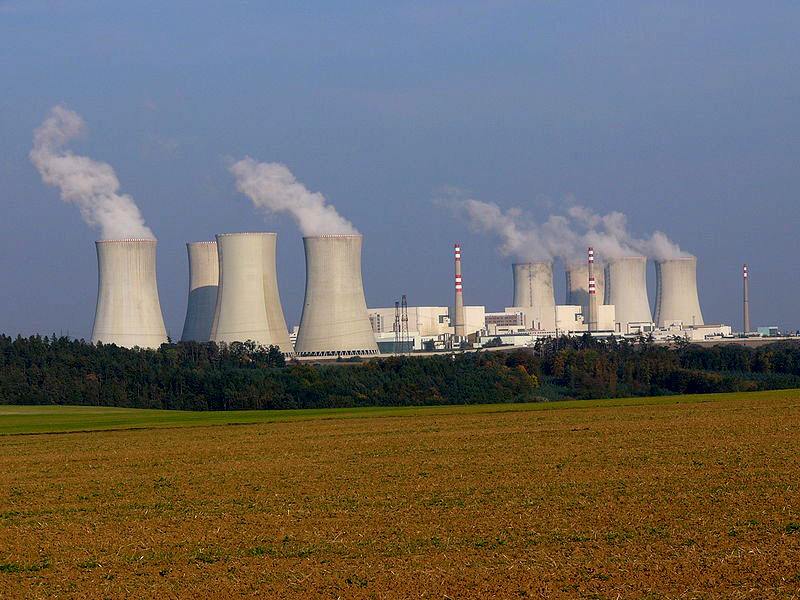
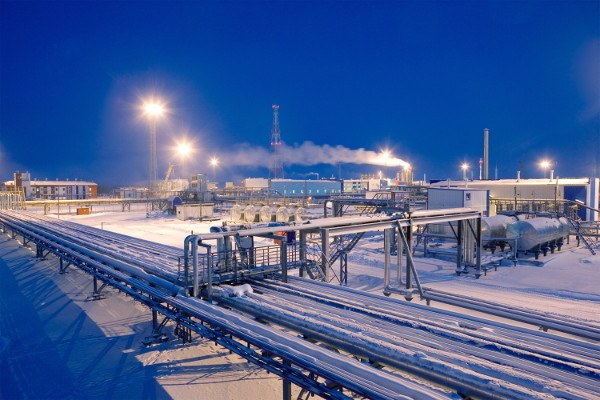
Our main reasons for using fossil fuels are
Cheap
Expensive
Convenient
Clean
Inconvenient
Our main reason to use renewable resources are
Cheap
Expensive
Convenient
Clean
Limitless supply

All of the following are effects of Nonrenewable resources on the environment EXCEPT:
Pollution
Climate Change
Increase in Natural Disasters
Increase in Biodiversity
Species Extinction

All of the following are examples of some harmful effects of Renewable resources on the environment EXCEPT:
Solar power land use resulting in habitat loss
Hydropower dams changing water flow affecting aquatic ecosystems
Burning biomass releasing greenhouse gases into the atmosphere
Fertilizer tripling the growth of shrubs and trees
Which of the following parts of clothing is made from a nonrenewable resource?
A shirt made from cotton
shoes made from leather
plastic buttons made from oil
A scarf made from wood
We can conserve energy by
leaving lights and appliances on at all times.
opening windows and doors to let in outside air.
using non-renewable energy sources.
using energy-efficient appliances, insulating homes, and using renewable energy sources.
Compared to non-renewable energy sources,
renewable energy sources are less efficient.
renewable energy sources are generally more expensive.
renewable energy sources produce more pollution.
renewable energy sources can be refilled naturally and are not used up over time.
Which form of energy does most of our renewable energy come from?
Chemical
Solar
Sound
Light
Which of the following is NOT a fossil fuel?
Coal
Natural Gas
Nuclear
Petroleum
What is the main disadvantage of using fossil fuels for energy production?
Fossil fuels are difficult to find
Fossil fuels are expensive
Fossil fuels, when burned, release harmful pollutants into the atmosphere
Fossil fuels produce less energy
What is solar energy?
Energy derived from the sun's radiation
Energy derived from wind turbines
Energy derived from burning fossil fuels
Energy derived from nuclear power plants
What are fossil fuels?
Rocks and minerals found in nature
Natural fuels formed from the remains of living organisms
Man-made materials used for energy production
Synthetic substances created in a laboratory
Name two examples of fossil fuels.
Natural gas and wind
Coal and oil
Biomass and geothermal
Solar and hydroelectric
Which of the following is a non-renewable resource?
Wind energy
Geothermal energy
Coal
Hydroelectric power
What is sustainable development?
Meeting the needs of the present without compromising the ability of future generations to meet their own needs
Ignoring the needs of future generations
Using up all resources as quickly as possible
Focusing only on short-term benefits
What is the principle of 'Reduce, Reuse, Recycle' in the context of sustainable development?
It is a strategy to manage waste and pollution
It is a strategy to increase the use of fossil fuels
It is a strategy to ignore the needs of future generations
It is a strategy to exploit resources to the maximum extent
Which of the following lists contains only renewable resources?
Coal, oil, and natural gas are examples of renewable resources.
Nuclear, coal, and oil are examples of renewable resources.
Hydroelectric, natural gas, and coal are examples of renewable resources.
Wind, solar, and hydroelectric are examples of renewable resources.
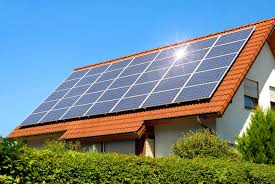
Why are not American's roofs crammed with more solar panels? (a)
(a) energy comes from underground pockets of hot water.
Solar, wind, and hydroelectric power all share this same benefit.
zero carbon emissions/air pollution
habitat loss
cheap to use
nonrenewable

