Worksheets
Y9 Unit 5 Revision
Total questions: 57
Worksheet time: 57mins
Based on the reactivity series, will this reaction occur?
Au (s) + HCl (aq) →
Yes
No
Which metal is more reactive than calcium?
magnesium
potassium
silver
aluminum
The starting materials in a chemical reaction
A substance that is formed as the result of a chemical reaction
Which one of the following combinations result in a displacement reaction?
Iron with magnesium chloride
magnesium with iron chloride
Iron with Zinc Sulphate
gold with silver nitrate
What will the products of this reaction be?
calcium + zinc nitrate --------->
Calcium + zinc nitrate
Zinc + calcium nitrate
there will be no reaction
Zinc + calcium chloride
What are the products when magnesium reacts with hydrochloric acid?
magnesium nitrate and hydrogen gas
magnesium sulfate and hydrogen gas
magnesium oxide and oxygen gas
magnesium chloride and hydrogen gas

In this reactivity series, which of the following is the most reactive element?
Gold
Calcium
Zinc
Potassium

True or False:
Magnesium is more reactive than silver.
True
False
In a displacement reaction, it is the ____________ reactive metal that is displaced from a compound.
Heaviest
Least
Most
Worst
In the following reaction, which metal has been displaced?
copper sulfate + magnesium → magnesium sulfate + copper
magnesium
copper
sulfate
Complete the word equation:
lithium + silver nitrate →
lithium + silver nitrate
lithium + silver nitrite
silver + lithium nitrate
silver + lithium nitrite
Use the following observations to select the correct reactivity series (highest to lowest).
calcium + water: slow
sodium + water: fast
calcium + dilute acid: very fast
gold + dilute acid: no reaction
aluminium + dilute acid: fast
calcium, sodium, aluminium, gold
sodium, calcium, aluminium, gold
sodium, aluminium, calcium, gold
gold, aluminium, calcium, sodium
Name the products formed when zinc reacts with hydrochloric acid?
zinc oxide and water
zinc oxide and water
zinc chloride and hydrogen gas
zinc hydroxide and hydrogen gas
Aluminium carbonate + Sulfuric acid —> _______________ + __________________ + water
Aluminium sulfide + Oxygen
Aluminium sulfate + Hydrogen
Aluminium sulfate + Carbon dioxide
Aluminium sulfide + Carbon dioxide
Which of the following reaction would be possible ?
Zinc + Copper sulphate
Copper + Zinc sulphate
Silver + Zinc chloride
Lead + Iron nitrate

Which extraction method would be used for Zinc?
Electrolysis
Reduction with carbon
None - it is a native metal
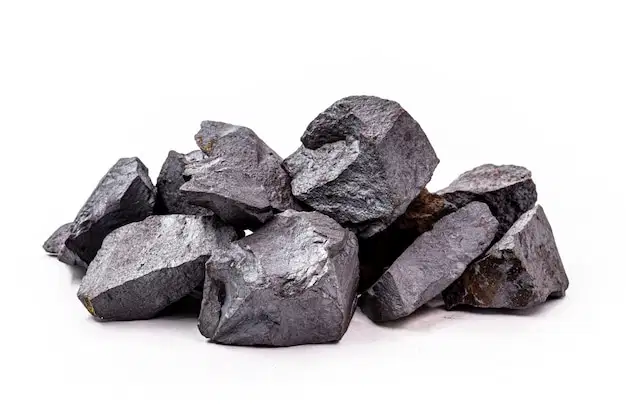
Select the two correct steps for extracting iron from is ore.
Seperate iron oxide from the compounds it is mixed with -> Use chemical reactions to extract iron from iron oxide
Seperate iron oxide from the compounds it is mixed with -> Use chemical reactions to extract iron oxide from the iron.
Use chemical reactions to extract iron from iron oxide
-> Seperate iron oxide from the compounds it is mixed with
Use chemical reactions to extract iron oxide from iron
-> Seperate iron oxide from the compounds it is mixed with
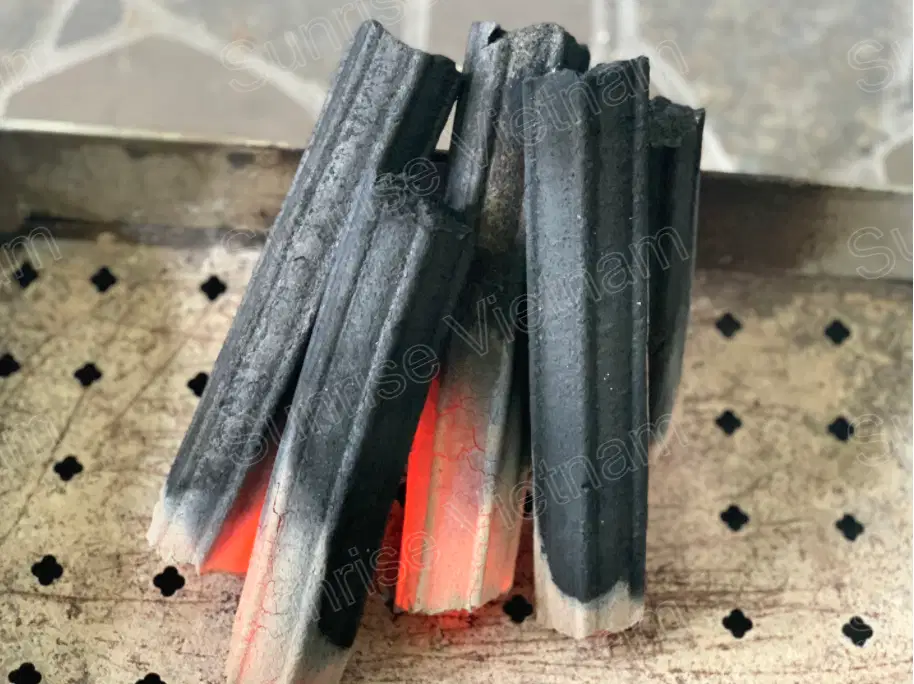
Iron can be removed from iron oxide by heating with charcoal. Select the non-metal charcoal is made of.
Hydrogen
Oxygen
Sulfur
Carbon

Select the true statement.
Any metal that is below carbon in the reactivity series can be displaced from its compounds by carbon.
Any metal that is above carbon in the reactivity series can be displaced from its compounds by carbon.
Any metal that is below carbon in the reactivity series can not be displaced from its compounds by carbon.
Some metals, such as aluminium, are extracted from their ores using electrolysis.
Why are some metals extracted using electrolysis?
They are native metals
They are more reactive than carbon
They have low melting points
They conduct electricity
Metal + Acid yields _____________________
Salt + Hydrogen
Salt + Water + Carbon Dioxide
Salt + Water
Salt + Alkali
Acid + Carbonate yields _____________________
Salt + Hydrogen
Salt + Water + Carbon Dioxide
Salt + Water
Salt + Alkali
Which Salt is form with the following acid- Hydrochloric Acid
Chloride
Sulfate
Nitrate
Which Salt is form with the following acid- Sulfuric Acid
Chloride
Sulfate
Nitrate
Which Salt is form with the following acid- Nitric Acid
Chloride
Sulfate
Nitrate
What is the chemical formulae for Hydrochloric acid?
H2SO4
HNO3
HCl
What is the chemical formulae for Nitric acid?
H2SO4
HNO3
HCl
What is the chemical formulae for Sulfuric acid?
H2SO4
HNO3
HCl
What is the word equation for Neutralization?
Acid + Alkali ---> Salt + Water
Acid + Carbonate ---> Salt + Water + Carbon Dioxide
Acid + Alkali ---> Salt + Water + Carbon Dioxide
Acid + Carbonate ---> Salt + Water
What are the two products of Neutralization?
Salt + Water
Salt + Water + Carbon Dioxide
Salt + Water + Hydrogen
Which is a way Salt can be formed?
Acid + Alkali
Neutralization
Metal + Acid
All of the above
When producing a soluble salt in a reaction between an acid and an alkali, how can you prepare dry solid crystals from the solution?
Filtration
Neutralisation
Condensation
Evaporation/crystallisation
Which salt would be formed by reacting cobalt carbonate and hydrochloric acid?
Cobalt sulfate
Cobalt chloride
Cobalt hydroxide
Cobalt sulfide

How do you separate an excess insoluble reactant from a solution?
Filtration
Precipitation
Crystalisation
Evaporation
Why do you add excess of the insoluble reactant when making a soluble salt?
To make sure all the acid is used up
To separate the solid from the solution
To make sure a reaction occurs
To have the reaction happen faster
When a soluble salt is formed from an acid and an insoluble base, how do you know when an excess of a base has been added?
When bubbles of gas appear
When the reactant all dissolves
When some of the reactant is left unreacted/undissolved
When a colour change happens
_________________ + nitric acid --> calcium nitrate + water
calcium sulfate
calcium oxide
calcium carbonate
calcium

Alkali could also be known as
Acid
Weak acid
Base
Maze
The Law of Conservation of Mass says that matter can neither be __________ or __________.
created; destroyed
recycled; renewed
subtracted; added
joined; separated
According to the Law of Conservation of Mass, what happens to the wood and oxygen when it is burned?
The wood disappears.
It stays the same chemically.
The atoms in the wood and oxygen rearrange and form smoke and ash.
Nothing.
What happens to atoms in a chemical reaction?
they are destroyed
they are created
they are rearranged
Ar-Jew places some baking soda and a jar of lemon juice in a plastic bag and seals the bag. He weighs the bag and everything in it. He shakes the bag so that the lemon juice spills out of the jar and mixes with the baking soda inside the bag. He observes that bubbles form and the bag expands. If Ar-Jew weighs the bag and everything in it after the bubbling stops and compares the final weight to the starting weight, what will they find out?
The final weight will be greater than the starting weight because new atoms are produced during the experiment.
The final weight will be less than the starting weight because some of the atoms are destroyed during the experiment.
The final weight will be the same as the starting weight because the number of each kind of atom does not change during the experiment.
The final weight will be the same as the starting weight because some atoms are destroyed, but new ones are created during the experiment.
____ reactions usually feel cold.
endothermic
exothermic
In an endothermic reaction, energy is _________.
absorbed
released
_____ reactions usually feel hot!
endothermic
exothermic