wayground logo

Free Printable Worksheets

Font size

S
M
L
XL
Worksheets

Earth's Spheres

Total questions: 52

Worksheet time: 39mins
Name
Class
Date
1.
This sphere includes the continents, the ocean floor, all the rocks on the surface, and all of the sand in the deserts. 
a)
Hydrosphere 
b)
Biosphere 
c)
Atmosphere 
d)
Geosphere 
2.
Composed of all the water on or near the earth
a)
Hydrosphere 
b)
Biosphere 
c)
Atmosphere 
d)
Geosphere 
3.
This sphere is composed of all the living things 
a)
Hydrosphere 
b)
Biosphere 
c)
Atmosphere 
d)
Geosphere 
4.
Body of air surrounding our planet. 
a)
Hydrosphere 
b)
Biosphere 
c)
Atmosphere 
d)
Geosphere 
5.
Water evaporating from the surface of a lake moves from the...
a)
Atmosphere to the geosphere 
b)
Geosphere to the hydrosphere 
c)
Hydrosphere to the atmosphere 
d)
Atmosphere to the hydrosphere 
6.
When dead plants decompose and nitrogen is returned to the soil, the interaction is between which two spheres? 
a)
The biosphere and atmosphere 
b)
The atmosphere and geosphere 
c)
The geosphere and atmosphere 
d)
The biosphere and geosphere 
7.
When carbon dioxide dissolves from the air into the ocean- the interaction is between...
a)
The atmosphere and geosphere 
b)
The atmosphere and hydrosphere 
c)
The atmosphere and biosphere 
d)
The atmosphere and atmosphere 
8.
When a plants takes carbon dioxide from the air which two spheres are interacting? 
a)
Biosphere and atmosphere 
b)
Geosphere and atmosphere 
c)
Hydrosphere and atmosphere 
d)
Atmosphere and atmosphere 
9.
When volcanoes erupt, dust and ash particles spread through much of the air blocking the sun.  Which two spheres are interacting? 
a)
Hydrosphere and atmosphere 
b)
Geosphere and atmosphere 
c)
Biosphere and atmosphere 
d)
Atmosphere and atmosphere 
10.

The prefix "bio" comes from a Greek word that means what?

a)

Life

b)

Water

c)

Earth

d)

Ground

11.
Geo = 
a)
Earth
b)
Sphere
c)
Life
d)
Water
12.

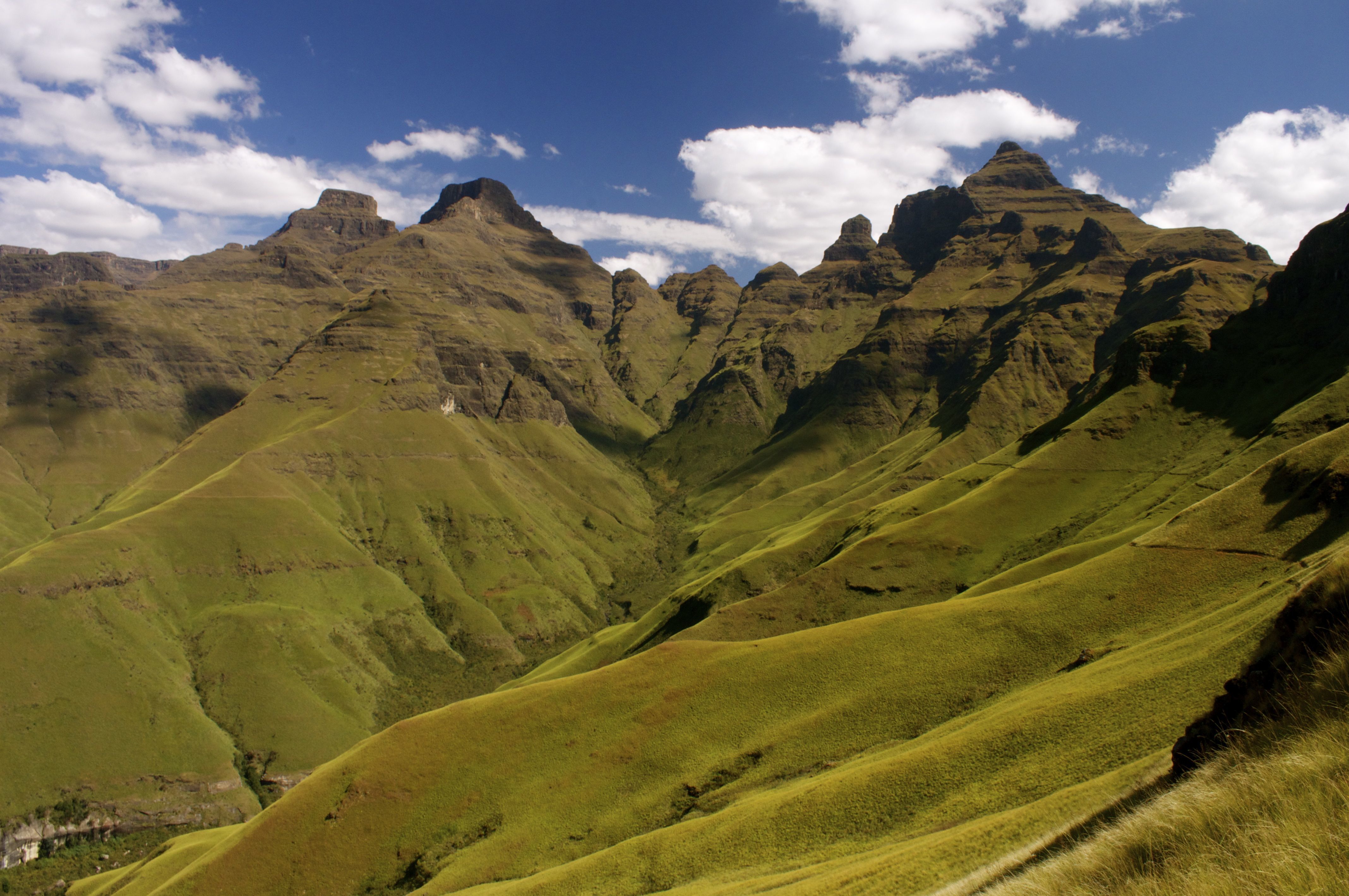
This is part of the....

a)

Geosphere

b)

Atmosphere

c)

Hydrosphere

d)

Biosphere

13.

This is part of the....

a)

Hydrosphere and Atmosphere

b)

Biosphere

c)

Biosphere and Geosphere

d)

Geosphere & Atmosphere

14.

Which of the following is found in the earths Geosphere

a)

Soil

b)

Rocks

c)

Minerals

d)

All of the Above

15.
This sphere is composed of all the living things 
a)
Hydrosphere 
b)
Biosphere 
c)
Atmosphere 
d)
Geosphere 
16.

Plants (__________) draw water (___________) and nutrients from the soil (___________) and release water vapor into the atmosphere.

a)

biosphere; hydrosphere; geosphere

b)

hydrosphere; biosphere; geosphere

c)

biosphere; atmosphere; hydrosphere

d)

cryosphere; biosphere; hydrosphere

17.
Which of these human actions can have a positive impact on all of Earth's spheres?
a)
burning fossil fuels
b)
recycling plastic
c)
piling up landfills
d)
dumping waste
18.
Hydro = 
a)
Sphere
b)
Earth
c)
Life
d)
Water
19.

Almost 99% of Earth's atmosphere is made up of two gases. What are the two gases and the percents of each?

a)

21% oxygen and 78% nitrogen

b)

21% water vapor and 78% oxygen

c)

21% nitrogen and 78% oxygen

d)

21% carbon dioxide and 78% oxygen

20.

This gas makes up a majority of our atmosphere.

a)

Nitrogen

b)

Oxygen

c)

Argon

d)

Hydrogen

21.

Which of the following is found in the earths Geosphere

a)

Soil

b)

Rocks

c)

Minerals

d)

All of the Above

22.
This sphere includes the continents, the ocean floor, all the rocks on the surface, and all of the sand in the deserts. 
a)
Hydrosphere 
b)
Biosphere 
c)
Atmosphere 
d)
Geosphere 
23.

When a river deposits sediment, which 2 spheres are interacting? (choose 2)

a)

Geosphere

b)

Hydrosphere

c)

Atmosphere

d)

Biosphere

24.

When ocean water evaporates into the air, which 2 spheres are interacting? (choose 2)

a)

Geosphere

b)

Hydrosphere

c)

Atmosphere

d)

Biosphere

25.

When a river current erodes the banks of the river, the interaction is between the __________ and the _____________.

a)

atmosphere and hydrosphere

b)

biosphere and geosphere

c)

hydrosphere and geosphere

d)

atmosphere and biosphere

26.

When an animal or human breathes air, the interaction is between the __________ and the _____________.

a)

atmosphere and hydrosphere

b)

biosphere and geosphere

c)

hydrosphere and biosphere

d)

atmosphere and biosphere

27.
What is the correct order (starting from the surface) of Earth's layers?
a)
crust, mantle, inner core, outer core
b)
mantle, outer core, inner core, crust
c)
inner core, outer core, mantle, crust
d)
crust, mantle, outer core, inner core
28.
Earth's inner core is
a)
a layer of hot rock
b)
a solid ball of iron and nickel
c)
a layer of liquid iron and nickel
d)
a layer of rock that forms Earth's outer skin
29.
Which layer of the earth is a pure liquid?
a)
crust
b)
mantle
c)
outer core
d)
inner core
30.
How does temperature change as you move from the crust to the core?
a)
it gets cooler
b)
it gets hotter
c)
it stays the same
d)
the core is frozen
31.
What layer is shown by letter A?
a)
Crust
b)
Mantle
c)
Outer core
d)
Inner core
32.
What layer is shown by letter B?
a)
Crust
b)
Mantle
c)
Outer core
d)
Inner core
33.
What layer is shown by letter C?
a)
Crust
b)
Mantle
c)
Outer core
d)
Inner core
34.
What layer is shown by letter D?
a)
Crust
b)
Mantle
c)
Outer core
d)
Inner core
35.
Which layer of Earth is located above the outer core?
a)
crust
b)
inner core
c)
mantle
d)
lithosphere
36.
Which layer is made up of iron and nickel?
a)
Crust
b)
Mantle
c)
Inner Core
d)
Lithosphere
37.

This layer is 66% of Earth's mass.

a)

Mantle

b)

Asthenosphere

c)

Oceanic Crust

d)

Mesosphere

38.

Which layer is the densest?

a)

Z

b)

X

c)

W

d)

V

39.
Which layer has the coolest temperatures?
a)
outer core
b)
inner core
c)
mantle
d)
crust
40.
This layer contains most of Earth's mass.
a)
Inner Core
b)
Mantle
c)
Outer Core
d)
Crust
41.

Which layer of Earth is in the liquid state of matter?

a)

Crust

b)

Inner Core

c)

Lithosphere

d)

Outer Core

42.

Which of the following best describes a change one would observe in moving from Earth’s crust downward to the outer core?

a)

Pressure would change from very high to none.

b)

Density would change from least to most dense.

c)

Plasticity would change from flexible to rigid.

d)

Heat would change from relatively hot to cool.

43.

According to scientific data, which layer of Earth is the thickest?

a)

Crust

b)

Inner core

c)

Mantle

d)

Outer Core

44.

What layer of the earth is composed of material of the highest density?

a)

Outer core

b)

Inner core

c)

Crust

d)

Mantle

45.

Oceans, and other bodies of water, are found on which layer of Earth?

a)

Outer core

b)

Mantle

c)

Inner core

d)

Crust

46.

Which of the following would be an accurate feature to include in a model of Earth?

a)

A crust that is the thickest layer

b)

An inner core that contains oceans

c)

A thin mantle in the center of the model

d)

A liquid outer core below the mantle

47.

To make the most accurate model, which of the materials would best represent Earth's Layers

a)

Modeling clay

b)

Ping pong ball

c)

Ball bearing

d)

Water

48.

Which of Earth’s layers has the lowest density?

a)

Crust

b)

Inner core

c)

Mantle

d)

Outer core

49.

Which of the following best describes the position of the layer of the earth known as the crust?

a)

Above the mantle, which is above the core

b)

Above the core, and below the mantle

c)

Between the inner core and the outer core

d)

Below all other layers, including the mantle and core

50.

Which layer is composed mostly of iron?

a)

Z

b)

Y

c)

V

d)

X

51.

Which layer of Earth do scientists believe is most likely made of solid matter?

a)

Crust

b)

Mantle

c)

Outer Core

d)

Inner Core

52.

A diagram of Earth's layers is provided. Which letter in the diagram identifies the layer scientists believe to be in a liquid state?

a)

Location A

b)

Location B

c)

Location C

d)

Location D