wayground logo

Free Printable Worksheets

Font size

S
M
L
XL
Worksheets

Environmental Science Midterm Review

Total questions: 148

Worksheet time: 1hrs 16mins

Name
Class
Date
1.
Ocean water _____ than fresh water
a)
freezes at a higher temperature
b)
contains more salts
c)
supports fewer fish
d)
is less abundant
2.
Deep ocean currents flow along the
a)
ocean floor.
b)
ocean surface.
c)
thermocline.
d)
halocline.
3.
The ocean's surface currents circulate in different directions, depending on the _____ in which they occur.
a)
hemisphere
b)
troposphere
c)
hydrosphere
d)
biosphere
4.
Which of the following is the layer of the ocean extending from the base of the thermocline to the bottom of the ocean?
a)
surface layer
b)
thermocline
c)
deep zone
d)
bottom zone
5.
Currents at the surface of the ocean are driven by
a)
tectonic plates.
b)
gravity.
c)
salinity.
d)
wind.
6.
Which of the following is NOT an ocean?
a)
Atlantic
b)
Pacific
c)
Indian
d)
Asian 
7.
Fresh water can be found
a)
frozen in ice caps
b)
in rivers and lakes
c)
in underground aquifers
d)
in ice caps, rivers, lakes, and underground aquifers
8.
In areas with underground aquifers the majority of drinking water comes from
a)
fresh surface water
b)
saline surface water
c)
groundwater, aquifers
d)
a source other than surface water or aquifers
9.
A river system is
a)
an area of land and rivers in which water drains into a single river.
b)
a rock layer that stores and allows the flow of groundwater.
c)
stream-like movements of water that flow along the ocean floor.
d)
water with sodium and chlorine dissolved in it.
10.
Which of the following is NOT a factor as to why life exists in the biosphere?
a)
moderate temperatures
b)
tectonic plates move
c)
liquid water is available
d)
energy available
11.
Underground formation containing groundwater
a)
watershed
b)
aquifer
c)
river system
d)
groundwater
12.
Flowing network of surface water
a)
watershed
b)
aquifer
c)
river system
d)
groundwater
13.
Area of Earth's surface where water percolates down into the aquifer
a)
watershed
b)
aquifer
c)
recharge zone
d)
groundwater
14.
Area of land drained by a river
a)
watershed
b)
aquifer
c)
recharge zone
d)
groundwater
15.
Water stored under Earth's surface
a)
watershed
b)
aquifer
c)
recharge zone
d)
groundwater
16.
How much of Earth's water is freshwater?
a)
1%
b)
3%
c)
77%
d)
97%
17.
Which of the following does not make up part of Earth's surface water
a)
wetlands
b)
rivers
c)
aquifers
d)
lakes
18.
Which of the following statements helps to explain why fresh water is a limited resource?
a)
most of Earth's water is salt water.
b)
About 71% of Earth's surface is covered by water
c)
Most of Earth's freshwater is not liquid water usable by humans
d)
the Earth's water is mostly salt water and the water that isn't salt water is frozen and not usable by humans
19.
Surface water becomes groundwater when it
a)
moves below the water table
b)
condenses to form drops of liquid water
c)
percolates into the recharge zone
d)
flows down hill
20.
A rock's ability to allow the flow of water through it is called
a)
permeability
b)
porosity
c)
recharge
d)
distribution
21.
The process of removing salt from salt water is known as
a)
desalination
b)
potable
c)
pathogen
d)
reservoir
22.
A disease-causing organism is called
a)
desalination
b)
potable
c)
pathogen
d)
reservoir
23.
Safe drinking water is called
a)
desalination
b)
potable
c)
pathogen
d)
reservoir
24.
The method of providing water to plants other than by precipitation is called
a)
desalination
b)
irrigation
c)
pathogen
d)
reservoir
25.
An artificial lake is called
a)
desalination
b)
irrigation
c)
pathogen
d)
reservoir
26.
Which of the following activities accounts for the greatest percentage of freshwater used worldwide?
a)
residential
b)
drinking
c)
manufacturing
d)
agriculture
27.
Water treatment involves
a)
adding pathogens.
b)
adding mercury.
c)
adding chlorine.
d)
all of the choices are steps in water treatment
28.
Water diversion projects may involve the movement of water to dry regions using
a)
canals.
b)
dams.
c)
reservoirs.
d)
none of these methods are ways to move water into dry regions.
29.
Which of the following would be the best way for a desert farmer to reduce water loss from evaporation and seepage and thus conserve water?
a)
dig deeper wells
b)
recycle cooling water and waste water
c)
install low-flow toilets
d)
install a drip irrigation system
30.
Industrial water use includes which of the following activities?
a)
irrigation
b)
producing electricity
c)
drinking
d)
All of the choices are industrial uses for water.
31.
Results in an increase of water temperature.
a)
thermal pollution
b)
wastewater
c)
biomagnification
d)
artificial eutrophication
32.
Water that contains waste from industry or homes.
a)
thermal pollution
b)
wastewater
c)
biomagnification
d)
artificial eutrophication
33.
Accelerated build-up of nutrients caused by humans
a)
thermal pollution
b)
wastewater
c)
biomagnification
d)
artificial eutrophication
34.
Accumulation of pollutants at successive levels of the food chain
a)
biomagnification 
b)
wastewater
c)
water pollution
d)
artificial eutrophication
35.
Which act was designed to make all surface water in the United States healthy enough for fishing and swimming.
a)
Federal Water Pollution Control Act - 1972
b)
Clean Water Act - 1972
c)
Water Quality Act - 1987
d)
Oceans Act - 2000
36.
Sources of ocean pollution include
a)
oil spills.
b)
direct dumping of waste-water.
c)
activities on land.
d)
all of the choices
37.
One reason polluted groundwater pollution is difficult to clean is that:
a)
groundwater is deep in the ground and dispersed through large areas of rock
b)
pollutants cling to the materials that make up aquifers.
c)
the recycling process of groundwater can take hundreds or thousands of years.
d)
all of the choices
38.
Fertilizers are classified as which kind of water pollutant?
a)
inorganic chemicals
b)
point sources pollution
c)
heavy metals
d)
non-point source pollution
39.
Results from chemical reactions involving sunlight, air, exhaust, and ozone.
a)
Primary pollution
b)
Temperature inversion
c)
Smog
d)
None of the choices
40.
Scrubbers and electrostatic precipitators help industries meet the requirements of this
a)
Clean air act
b)
Clean water act
c)
Paris agreement
d)
None of the choices
41.
Put directly into the air by human activity
a)
Natural gas
b)
Smog
c)
Primary pollution
d)
Secondary pollution
42.
A source of air pollution before modern times
a)
Natural gas
b)
Smog
c)
Sea-coal
d)
None of the choices
43.
Atmospheric condition that traps pollution near the ground
a)
Primary pollution
b)
Sea-coal
c)
Smog
d)
Temperature inversion
44.
Which of the following is a secondary air pollutant?
a)
hydrocarbon emissions in car exhaust
b)
sulfur dioxide emitted when electrical power is generated
c)
VOCs released by dry cleaners
d)
smog formed in the presence of sunlight
45.
Volatile organic compounds
a)
are tiny particles of liquid or solid matter.
b)
are produced by chemical interactions between sulfur and oxygen.
c)
are odorless, colorless, poisonous gasses
d)
are organic chemicals that form toxic fumes.
46.
Which device helps clean car exhaust?
a)
electrostatic precipitator
b)
scrubber
c)
catalytic converter
d)
zero emissions vehicle
47.
which pair are the two main sources of air pollution in urban areas?
a)
vehicles & volcanoes
b)
vehicles & industries
c)
industries & agriculture
d)
industries and &volcanoes
48.
This causes stress, high blood pressure, and hearing loss
a)
indoor air pollution
b)
light pollution
c)
noise pollution
d)
sick-building syndrome
49.
Solutions to this include shielding, time controls, and low-pressure sodium sources
a)
indoor air pollution
b)
light pollution
c)
noise pollution
d)
sick-building syndrome
50.
Emphysema, lung cancer, heart disease
a)
indoor air pollution
b)
long-term effects of air pollution
c)
short-term effects of air pollution
d)
sick-building syndrome
51.
Can occur in modern tightly sealed buildings
a)
indoor air pollution
b)
long-term effects of air pollution
c)
short-term effects of air pollution
d)
sick-building syndrome
52.
Sources include plastics, carpets, cleaning fluids, radon and asbestos
a)
indoor air pollution
b)
long-term effects of air pollution
c)
short-term effects of air pollution
d)
sick-building syndrome
53.
Headache, eye irritation, coughing, and bronchitis
a)
indoor air pollution
b)
long-term effects of air pollution
c)
short-term effects of air pollution
d)
sick-building syndrome
54.
Which is a natural indoor air pollutant and second leading cause of lung cancer in the United States
a)
carbon monoxide
b)
formaldehyde
c)
nitrogen oxides
d)
radon
55.
Which is NOT part of correcting sick-building syndrome?
a)
removing sources of indoor air pollution
b)
stopping air from getting into the building
c)
improving ventilation
d)
cleaning air ducts so air can flow
56.
Which is true of air pollution and human health?
a)
years of research link air pollution to lung diseases
b)
air pollution is commonly listed as a cause of death
c)
none of the health effects of air pollution are reversible
d)
healthy adults are most affected by air pollution
57.
which air pollutant scars the lungs?
a)
asbestos
b)
radon
c)
fungi
d)
ozone
58.
Measure of how acidic or basic a substance is
a)
acid precipitation
b)
pH
c)
acid shock
d)
acidification
59.
An effect of acid precipitation on soil and water
a)
acid precipitation
b)
pH
c)
acid shock
d)
acidification
60.
caused by gases from fossil fuels
a)
acid precipitation
b)
pH
c)
acid shock
d)
acidification
61.
Which has NOT been linked to acid precipitation?
a)
toxic metal poisoning
b)
lower blood pH
c)
respiratory problems
d)
damaged monuments
62.
Precipitation is considered acid precipitation of its pH is
a)
above 7.0
b)
above 5.0
c)
below 5.0
d)
below 5.6
63.
These have no emissions from tailpipes or gasoline
a)
Hybrid vehicles
b)
Zero emissions vehicles
c)
Internal combustion vehicles
d)
All have emissions
64.

Which community would have the most people?

a)

Suburban

b)

Rural

c)

Urban

65.
What term describes the positive benefits that wildlife or ecosystems provides to people?
a)
ecosystem services
b)
ecosystem
c)
biodiversity
66.
The most effective way to protect biodiversity is through...
a)
habitat fragmentation
b)
habitat destruction
c)
habitat preservation
67.
Land developers plant grasses on steep slopes to stop erosion of topsoil. This is an example of what?
a)
biodiversity
b)
conservation strategies
c)
habitat preservation
68.
Which of the following is an example of an ecosystem service?
a)
water filtration
b)
food 
c)
oxygen
d)
they all are!
69.

Water, fuel, food, and raw materials are examples of what?

a)

natural resources

b)

cultural services

c)

regulating services

d)

cycling of matter and energy

70.
As biodiversity increases, 
a)
ecosystem services decrease
b)
ecosystem services increase
71.

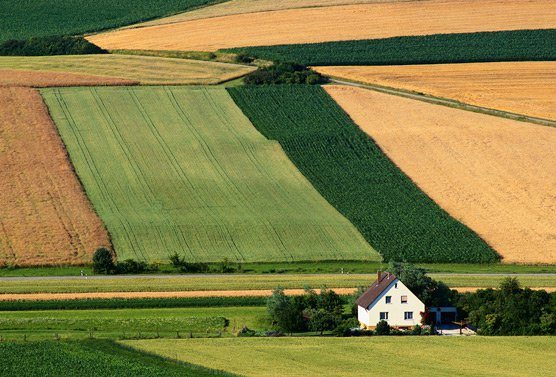
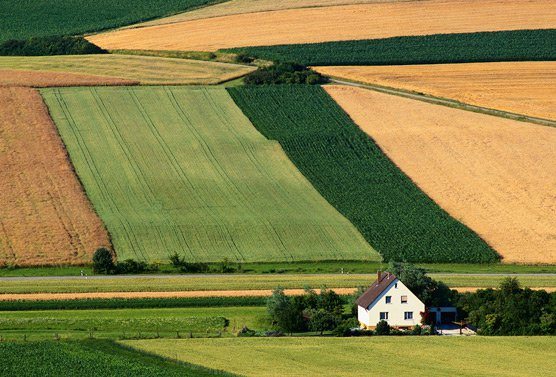
Find the picture that shows a rural community.
a)
b)
c)
72.

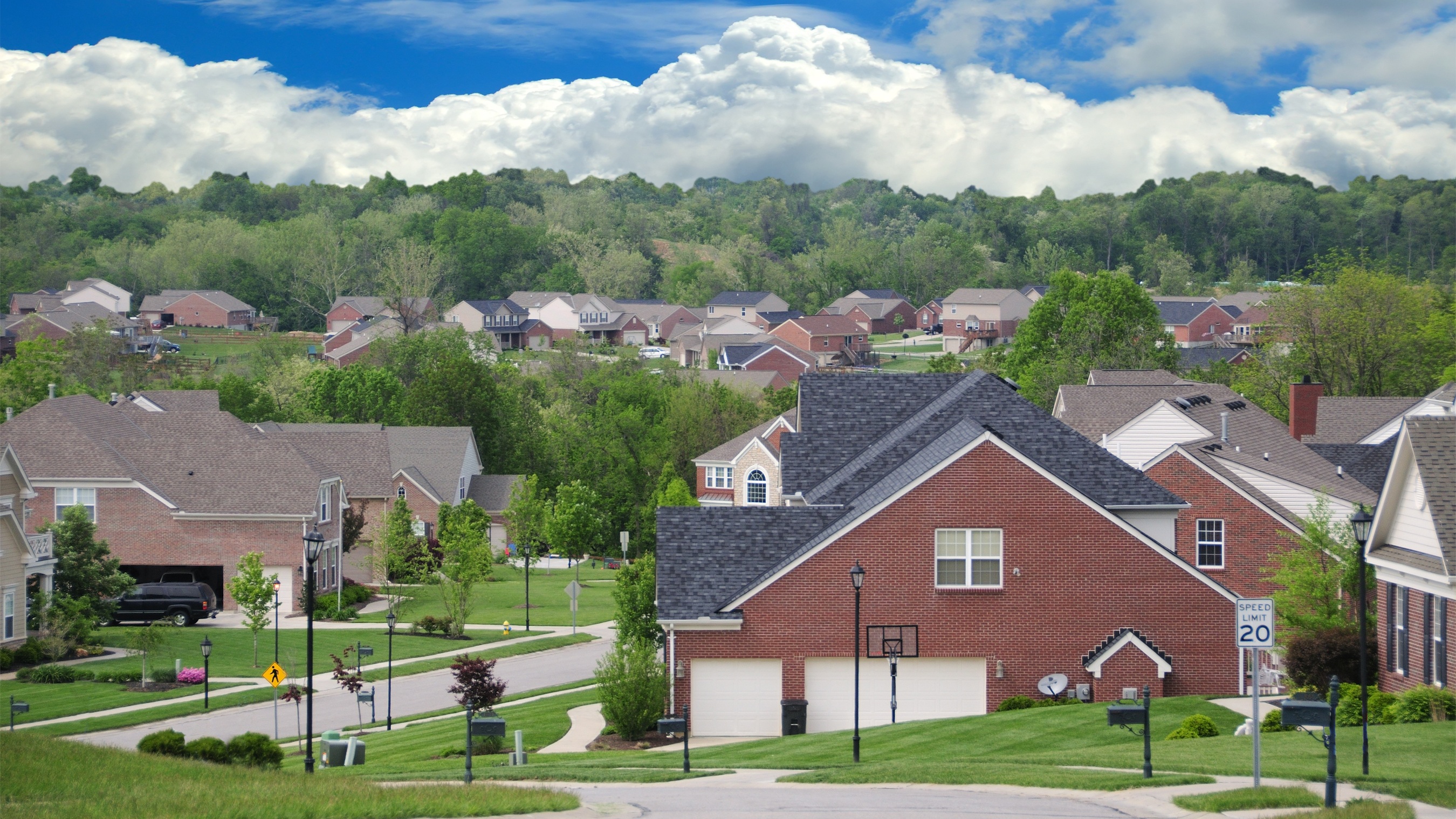
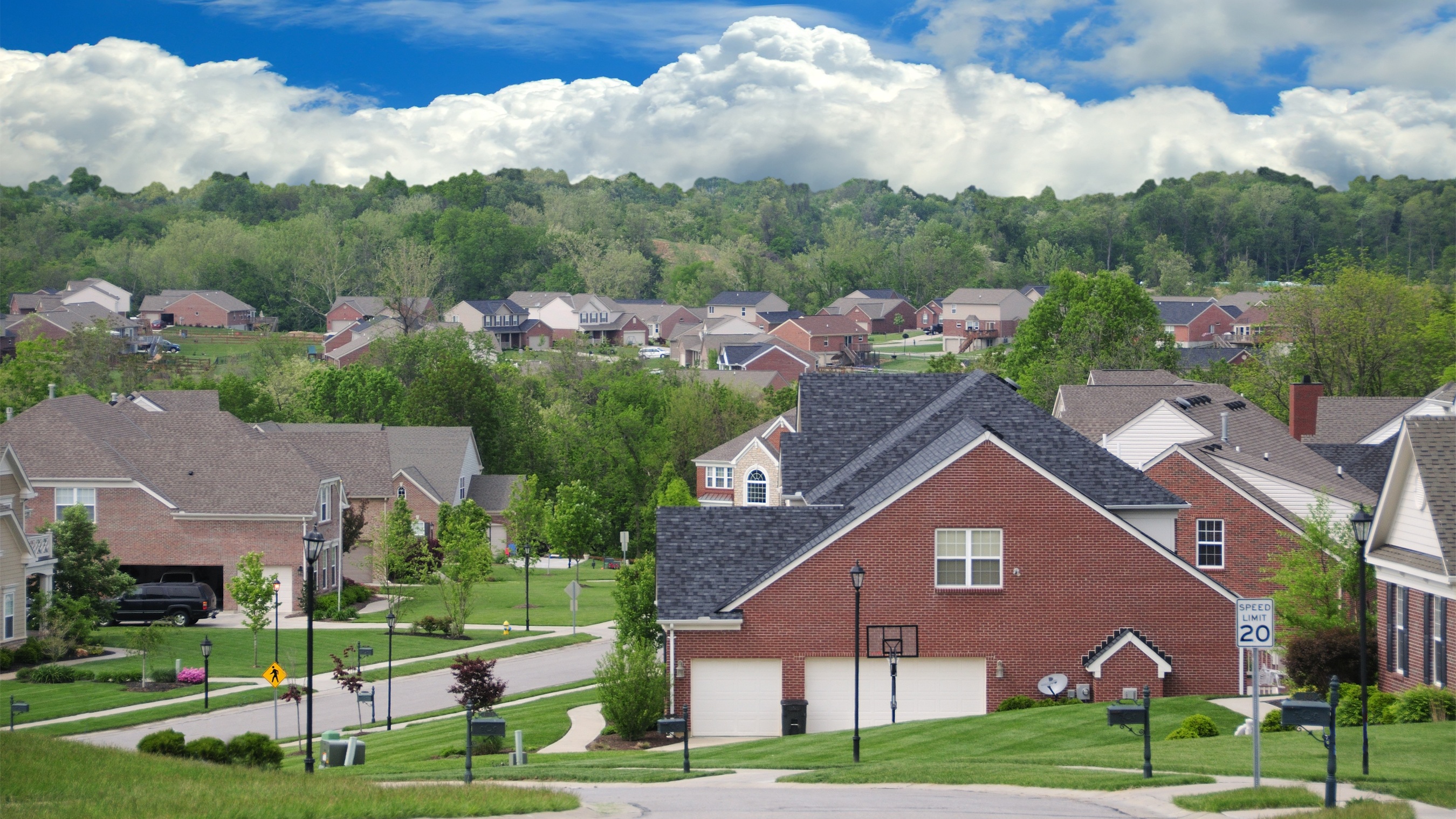
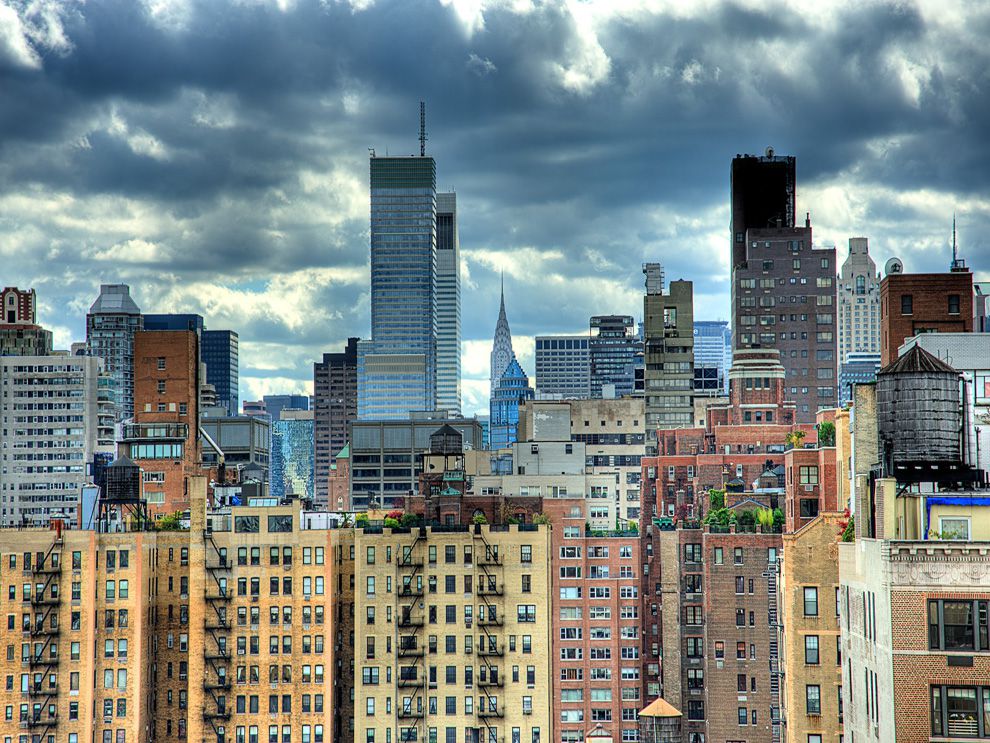
Find the picture that shows a suburban community.
a)
b)
c)
73.

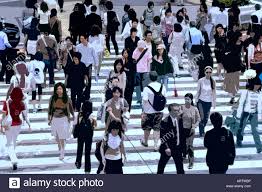
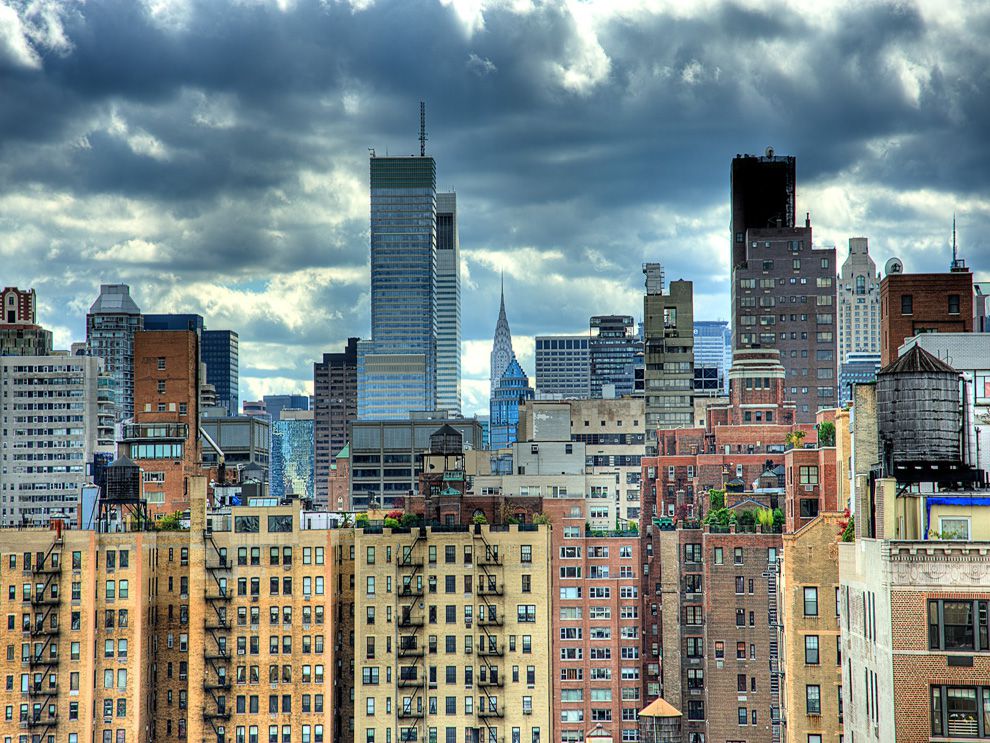
Find the picture that shows an urban community.
a)
b)
c)
74.

A heavily populated urban area characterized by substandard housing and squalor

a)

Threshold

b)

Urbanization

c)

Hinterland

d)

Slum

75.

The process by which the population of cities grow

a)

Counterurbanization

b)

Ghetto

c)

Urbanization

d)

Slum

76.

What was the main cause of the rise of urban areas in the 18th and 19th centuries?

a)

Agricultural Revolution

b)

Industrial Revolution

c)

American Revolution

d)

Green Revolution

77.
What mode of transportation allowed city workers to live in far away suburbs and commute to their jobs?
a)
A. streetcars
b)
B. horses
c)
C. cars
d)
D. trains
78.

Infrastructure is not an important part of the city.

a)

True

b)

False

79.

Which of the below is part of the Infrastructure system:

a)

Residential Buildings

b)

Population growth

c)

Transportation system

d)

Social Organization

80.

City Planning is:

a)

The study of population characteristics

b)

The process for guiding the development of cities

c)

The study of natural land features only

d)

Developing the trade system in a city

81.

Which of the following is a side effect of heat islands?

a)

drought

b)

lower temperatures

c)

lower temperatures and drought

d)

increased precipitation

82.

The U.S. Census Bureau defines an urban area as an area that contains more than

a)

250 people

b)

2,500 people

c)

25,000 people

d)

250,000 people.

83.

Heat islands affect local

a)

traffic patterns

b)

water levels.

c)

weather patterns

d)

harvest patterns.

84.
What is an ecosystem?
a)
communities of organisms 
b)
abiotic factors within a community
c)
communities of organisms and their abiotic environment
d)
populations of organisms
85.
In order for an ecosystem to survive what does it need?
a)
energy
b)
mineral nutrients
c)
water and oxygen
d)
all of the choices
86.
Where does most of the energy from an ecosystem come from?
a)
plants
b)
protists
c)
the sun
d)
animals
87.
The following is an example of a biotic factor in the environment
a)
a tree stump
b)
water
c)
air
d)
dirt/soil
88.
The following is an example of an abiotic factor in the environment
a)
feces
b)
trees
c)
rocks
d)
moss
89.
What must be true for an organism to be considered a unique species?
a)
They can mate
b)
They can produce viable offspring
c)
They live in unique environments
d)
They live in the same environment
90.
What are populations?
a)
Organisms that produce viable offspring
b)
A single species living in a specific area
c)
Various species living in a specific area
d)
The location in which organisms live
91.
What are communities?
a)
Organisms that produce viable offspring
b)
A single species living in a specific area
c)
Various species living in a specific area
d)
The location in which organisms live
92.
Who observed that organisms in a population differ slightly from each other in form, function and behavior?
a)
Mendel
b)
Watson
c)
Darwin
d)
Crick
93.
What is the process by which individuals that have favorable variations survive and reproduce more successfully than less well adapted individuals?
a)
DNA Replication
b)
Natural Selection
c)
Evolution
d)
Adaptation
94.
An anatomical, physiological, or behavioral change that improves a population's ability to survive.
a)
DNA Replication
b)
Natural Selection
c)
Evolution
d)
Adaptation
95.
The Hawaiian honeycreeper is an example of what process?
a)
Coevolution
b)
Artificial Selection
c)
Darwinism 
d)
Predator Prey Relationships
96.
What is the term for the selective breading of organisms, by humans, for specific desirable characteristics?
a)
Coevolution
b)
Artificial Selection
c)
Darwinism
d)
Natural Selection
97.
What is the term that describes the ability of an organism to tolerate a chemical or disease-causing agent.
a)
Coevolution
b)
Chemosynthesis 
c)
Natural Selection
d)
Resistance
98.
How many domains do scientists classify organisms into?
a)
2
b)
3
c)
4
d)
5
99.
How many kingdoms are in the domain Eukarya
a)
2
b)
3
c)
4
d)
5
100.
E. Coli and Samonella are examples of organisms from what Domain?
a)
Bacteria
b)
Archea
c)
Eukarya
d)
Plantae
101.
Methanogens and extreme thermophiles are examples of organisms from what Domain?
a)
Bacteria
b)
Archea
c)
Eukarya
d)
Plantae
102.
This kingdom of eukarya are autotrophs. 
a)
Protista
b)
Fungi
c)
Eubacteria
d)
Animalia
103.
Paramecia and algae are examples of organisms in this kingdom of eukarya
a)
Protista
b)
Fungi
c)
Plantae
d)
Animalia
104.
Yeast and mold are examples of organisms in this kingdom of eukarya
a)
Protista
b)
Fungi
c)
Plantae
d)
Animalia
105.
Flowering plants are known as ______.
a)
Protista
b)
Fungi
c)
Gymnosperms
d)
Angiosperm
106.
What kingdom of the domain eukarya are autotrophs with cell walls?
a)
Protista
b)
Fungi
c)
Plantae
d)
Animalia
107.
What kingdom of the domain eukarya are multi-cellular heterotrophs with no cell wall?
a)
Protista
b)
Fungi
c)
Plantae
d)
Animalia
108.
What two groups of organisms are decomposes?
a)
Bacteria & Protists
b)
Plants & Animals
c)
Protists & Fungi
d)
Fungi & Bacteria
109.
What is a product of photosynthesis?
a)
Carbon Dioxide
b)
Water
c)
Oxygen
d)
Solar Energy
110.
What is NOT a term for an organism that can make organic molecules from inorganic molecules?
a)
producer
b)
consumer
c)
autotroph
d)
self-feeder
111.
What do deep ocean producers (bacteria) use as an energy source?
a)
hydrogen sulfide
b)
oxygen
c)
carbon dioxide
d)
solar energy
112.
What is NOT a term for an organism that eats other organisms or organic matter instead of obtaining nutrients from inorganic sources.
a)
Consumer
b)
Producer
c)
Heterotroph
d)
Other-feeder
113.
Which is NOT a type of consumer?
a)
Herbivore
b)
Omnivore
c)
Autotroph 
d)
Decomposer
114.
Which organism is an example of an omnivore?
a)
Human
b)
Cow
c)
Mushroom
d)
Lion
115.
What is a product of cellular respiration?
a)
Oxygen
b)
Simple Sugars
c)
Carbon Dioxide
d)
Solar Energy
116.
In what direction do the arrows point in food webs or food chains?
a)
Towards the producer
b)
Where the energy is going
c)
Towards the prey
d)
Down
117.
Where is there the least amount of available energy in an "energy pyramid"?
a)
Top
b)
Bottom
c)
Middle
d)
It remains the same throughout.
118.
Why are there limits to the number of trophic levels in an ecosystem?
a)
Decreasing amounts of energy per level
b)
Top consumers eat more
c)
There are no limits
d)
Food webs would get too complicated
119.
Where does carbon exist in an ecosystem?
a)
air
b)
water
c)
plants
d)
all of the choices
120.
How does carbon get moved from the atmosphere into carbohydrates?
a)
cellular respiration
b)
photosynthesis
c)
carbon sinks
d)
consumption
121.
How does humans burning fossil fuels effect the carbon cycle?
a)
It doesn't
b)
It releases carbon into the atmosphere
c)
It traps carbon dioxide
d)
It forms deposits of coal, oil, & natural gas.
122.
What percentage of the atmosphere is nitrogen?
a)
0.04%
b)
50%
c)
78%
d)
93%
123.
What does nitrogen-fixing bacteria do?
a)
Repair nitrogen
b)
make carbohydrates out of atmospheric nitrogen
c)
make ammonia out of atmospheric nitrogen
d)
release nitrogen into the atmosphere
124.

Decomposers break down decaying plants and animals (and their waste) and do what with nitrogen?

a)

return it to the soil

b)

return it to the atmosphere

c)

return it to both the soil and the atmosphere

d)

return it to the water

125.
What element of an ecosystem does the phosphorus cycle NOT take part in?
a)
water
b)
soil
c)
living organisms
d)
air
126.
What could excess fertilizers cause in an ecosystem?
a)
acid rain
b)
air pollution 
c)
rapid growth of algae
d)
nothing
127.
Which of the following is an example of primary succession?
a)
Most common type of succession
b)
Begins where soil is already available
c)
Occurs after a flood
d)
Lichens and mosses help break down rocks.
128.
Which of the following is an example of secondary succession?
a)
Occurs in areas that have been disturbed by a flood.
b)
Lichens and mosses help break down the rocks.
c)
Occurs on bare rock.
d)
Takes hundreds or more years to create new soil.
129.
What is the term for the final, stable community in equilibrium with the environment?
a)
climax community
b)
pioneer species
c)
secondary succession
d)
primary succession
130.
Which of the following is an example of a pioneer species?
a)
oak tree
b)
pine tree
c)
moss
d)
bush
131.

An ecosystem is a community of animals and plants interacting with their ____________.

a)

habitat

b)

climate

c)

environment

d)

community

132.

Which is an example of a biotic factor in a desert?

a)

Sun

b)

soil

c)

snake

d)

minerals

133.

Which words below describe amounts of living things in an ecosystem?

a)

biotic, abiotic

b)

producer, consumer, decomposer

c)

individual, population, community

d)

environment, ecosystem, habitat

134.

One plant or animal is a ___________.

a)

Population

b)

Ecosystem

c)

Community

d)

Individual

135.
An organism's _________ is defined as the environment in which it lives.
a)
habitat
b)
niche
c)
social structure
d)
ecosystem
136.

Shows one path of energy in an ecosystem.

a)

primary succession

b)

consumers

c)

photosynthesis

d)

food chain

e)

trophic levels

137.

This type of succession begins on bare rock or sand.

a)

primary succession

b)

consumers

c)

photosynthesis

d)

food chain

e)

trophic levels

138.

These organisms get energy by feeding on other organisms.

a)

primary succession

b)

consumers

c)

photosynthesis

d)

food chain

e)

trophic levels

139.

Shows the position an organism occupies in a food chain.

a)

primary succession

b)

consumers

c)

photosynthesis

d)

food chain

e)

trophic levels

140.

Uses light energy to make their own food.

a)

food web

b)

climax community

c)

secondary succession

d)

producers

e)

cellular respiration

141.

The process by which living things convert oxygen and glucose to carbon dioxide and water, thereby yielding energy.

a)

food web

b)

climax community

c)

secondary succession

d)

producers

e)

cellular respiration

142.

When a community undergoes a disturbance and succession occurs again.

a)

food web

b)

climax community

c)

secondary succession

d)

producers

e)

cellular respiration

143.

Gets energy by eating only consumers.

a)

Herbivore

b)

Carnivore

c)

Omnivore

144.

Gets energy by eating consumers and producers.

a)

Herbivore

b)

Carnivore

c)

Omnivore

145.

Gets energy by eating only producers.

a)

Herbivore

b)

Carnivore

c)

Omnivore

146.

The replacement of one community by another over time is called

a)

succession

b)

niche

c)

community

d)

population

147.
a)
photosynthesis
b)
cellular respiration
c)
decomposition
d)
synthesis
148.

The following are products of cellular respiration

a)

carbon dioxide, glucose

b)

oxygen, glucose, energy

c)

carbon dioxide, water, energy

d)

oxygen, energy