
Font size
 Worksheets
GPN RECAP NOV-DEC SL
Total questions: 90
Worksheet time: 56mins

What is the smallest type of settlement in the hierarchy of settlements?
Othello
Hamlet
Macbeth
Coriolanus

A city with more than 10 million residents is called a ______.
A) Millionaire city
B) Megacity
C) Conurbation
D) Kilocity
Fill in the blank: The concept that explains why there are fewer big settlements and more small settlements is known as the ______.
Sphere of influence
Prism of influence
Cylinder of influence
Cube of influence
What type of goods require a large sphere of influence according to the document?
(SELECT TWO)
Convenience goods
Low order goods
High order goods
Comparison goods
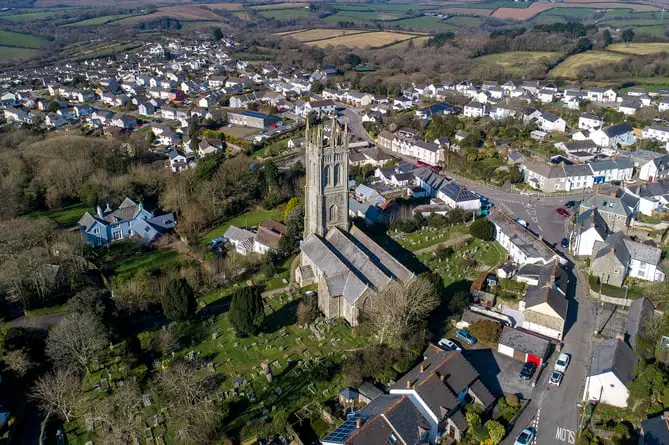
A smaller settlement with low-order services such as a newsagents, bus stop and primary school.
Hamlet
Village
Town
City
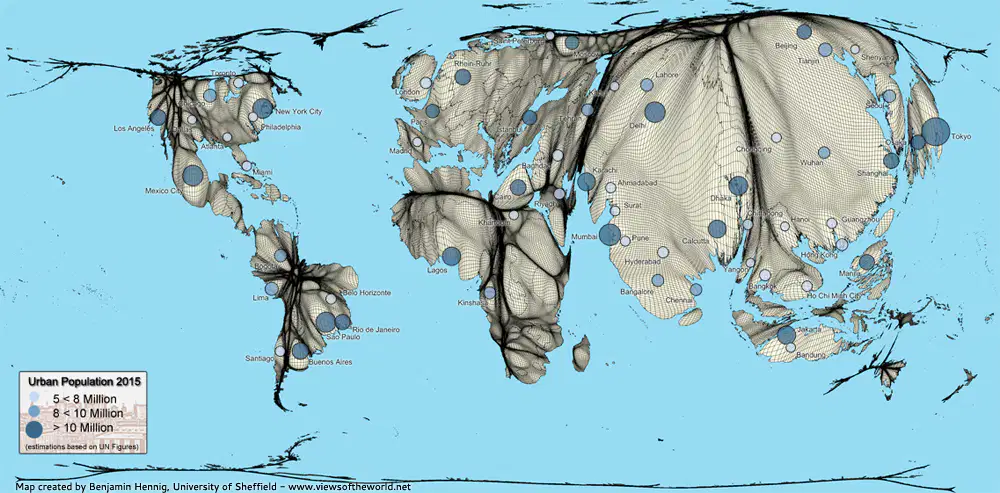
Which of the following IS a megacity?
London
Kuala Lumpur
Seoul
Sydney
Fill in the blank: The opposite of high order goods are ______ goods.
Convenience
Luxury
Comparative
Rare
Two settlements which have sprawled and merged together are called a...
Conurbanisation
Inter-urbanisation
Uni-urbanisation
Polyurbanisation
The number of people required to keep a service or retail outlet profitable (T P)
(a)

Which of these is a higher order service?
Nursery
Primary school
Secondary school
University
What is 'Bright Light Syndrome'?
Attraction to rural areas due to the starviewing
Attraction to big cities due to their glamour
Only leaving the house in daylight
Wanting to be in the spotlight on stage
Bright Light Syndrome often leads people to think of big cities as more ________ than they actually are.
Dangerous
Glamorous
Boring
Expensive
The movement of young, qualified individuals to big cities can lead to a ___ dependency ratio in their home regions
Low
High
Money sent home to families from members who move to cities for work is known as...
(Hint R)
(a)
What is a potential negative effect of high remittance rates?
TNCs control development funding
Government do not have control over direction of development funding
Increased urban poverty
Increased rural poverty
The brain drain is the loss of education and skills to the ________.
Economic core
Rural areas
Semi-periphery
What demographic is considered prime for Bright Light Syndrome?
Elderly retired people
Young, well-educated individuals
Middle-aged professionals
Children with primary schooling
The idea of big cities being more glamorous is often influenced by ________.
Personal experience
Media and descriptions in music
Rural traditions
Historical events
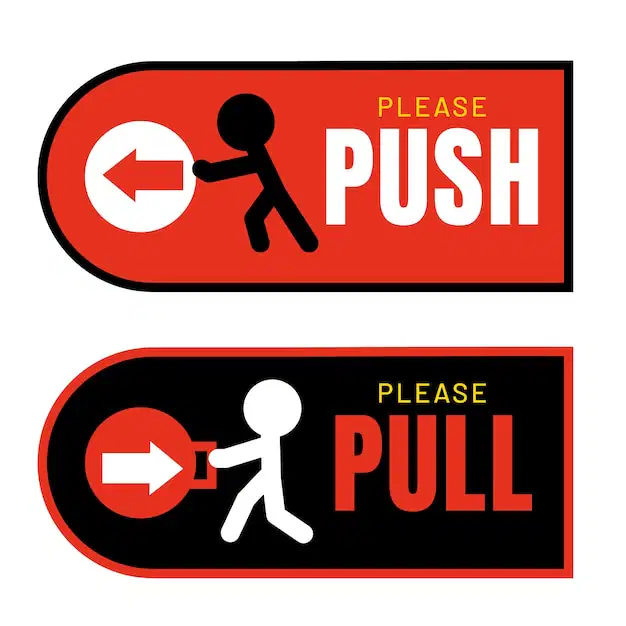
Sort the reasons for urbanisation into push and pull factors
Lack of healthcare in remote areas
Access to secondary schooling for children
Greater variety of jobs
Limited lifestyle options due to respect for traditions
Lack of food security due to droughts

Which areas experience brain drain as part of the core-periphery model?
Urban
Rural
What does Bid-Rent Theory explain about land use in the CBD?
It demonstrates why ethnic ghettoisation occurs
It predicts which areas are likely to become derelict
It explains why footfall is high in the CBD
It focuses on land-use function (e.g. retail, tertiary services)
According to the diagram, which type of land use can afford high land values of the CBD?
Commercial and tertiary services
Secondary manufacturing industries
Residential
Greenfield
Why is land in the CBD really expensive?
Because it is far from the city center.
Because it is close to the city center.
Because it is used for agriculture.
Because it is used for parks.
What is important for shops to make a profit in the city center?
High land prices
Footfall
Potential for vertical development
Proximity to parks
What is a key factor for secondary industry location according to the text?
Proximity to parks
Being near roads or transport methods
Being in the city center
Being in residential areas
Single family housing can only afford ______ land values.
high
medium
low
What is the impact of work-from-home predicted to be on city centre land values?
More of the CBD spaces will become retail units
There will be less pressure on CBD land use.
Land will be converted to parks.
Industrial areas will disappear.
What is a reason for secondary industry to be located near transport hubs?
To reduce noise
To increase land prices
To ensure goods can be taken to market
To be closer to parks
Which factor is most important for industry?
Proximity to CBD
Proximity to transport links
Proximity to residential housing
Proximity to parkland
Which land-use function is there little of in the CBD?
Transport infrastructure
Retail
Tertiary services
Residential
What does PLVI stand for?
Peak Land Value Index
Primary Land Value Index
Public Land Value Index
Private Land Value Index
Which of the following factors can skew the decrease in land value?
Access to a main road
Proximity to a park
Number of schools
Availability of public transport
In the context of PLVI, what does CBD stand for?
Central Business District
Central Building District
Commercial Business District
Core Business District
LIC cities tend to have the industry and the ring roads FURTHER from the CBD. True or False?
True
False
Name for a manmade river (hint: C) which is no longer used as a main transport method but explain the pattern of PLVI in some older cities.
(a)
Name for phenomenon which was increased by covid and is why many companies no longer need so much CBD office space. (Hint: WFH)
(a)
Chains are more likely to afford the PLVI costs associated with prime footfall locations because they have ______.
Economies of scale
More employees
Better marketing
Larger buildings
Non-chain, locally-owned businesses tend to be a little further out where it is ______.
Cheaper
Busier
Quieter
Closer to transport hubs
Where is the PLVI usually?
Expensive suburbs
Areas of the CBD close to transport hubs
Wharfs and docklands near manufacturing industries
Areas on the rural-urban fringe near greenfield sites
If there is more than one peak area for land value, the smaller peaks are called...
Partial peak value land
Secondary peak value land
Additional peak value land
Subsidary peak value land
A positive feedback loop where lack of opportunities leads to more lack of opportunities
(a)
Which of the following is NOT one of the 7 UK Domains of Deprivation?
Income
Employment
Education
Transportation
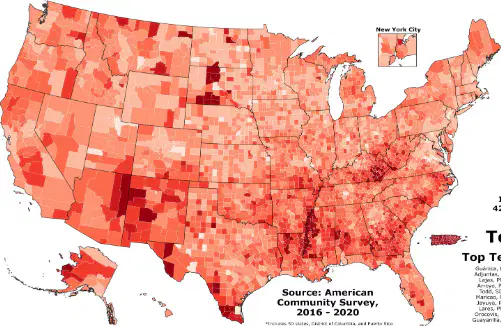
The map shows that in the USA (2016-2020), the total percentage of the population below the poverty line (darker red) was ____.
A) 0.3%
B) 90.3%
C) 50.3%
D) 20.3%
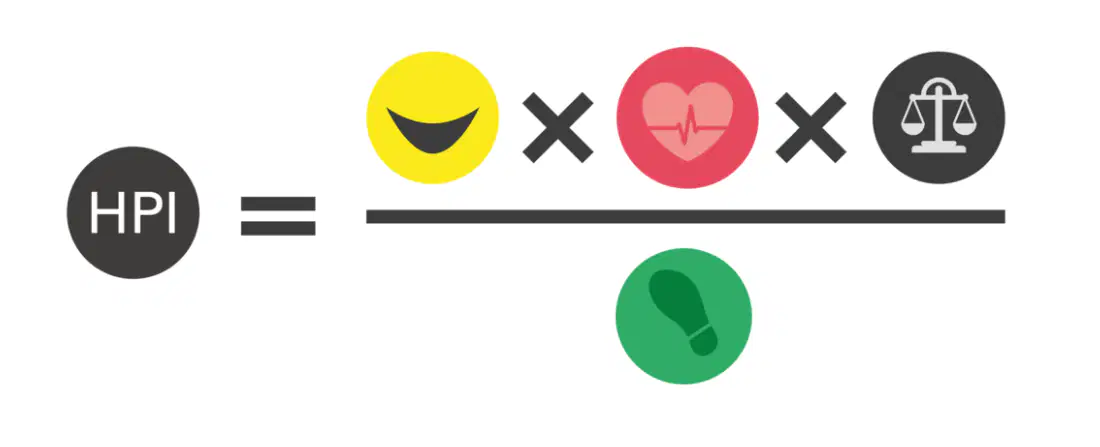
Which truth is shown by the Happy Planet Index?
The poorest countries are the happiest
Countries with fewer disparities have happier populations
Countries with the highest spending on military rank highest for happiness.
There is a direct correlation between literacy rate and happiness.
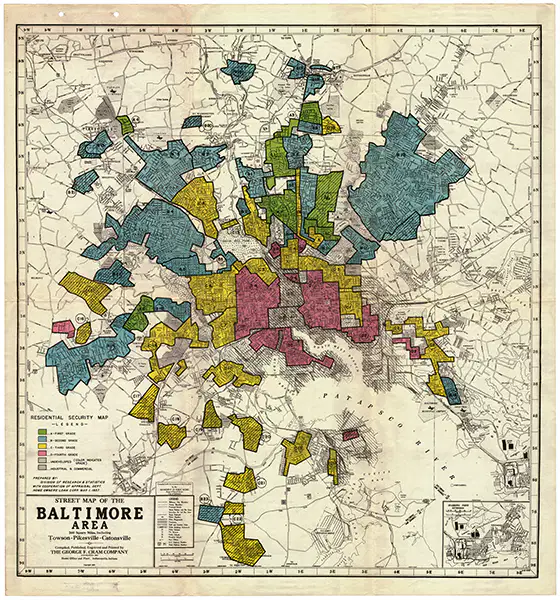
Racism which is embedded in societal policies, traditions, beliefs and urban planning, rather than being the result of an individual's actions is called structural or...
Hint: S
(a)

Which SDG is 'reduced inequalities'?
6
8
10
12
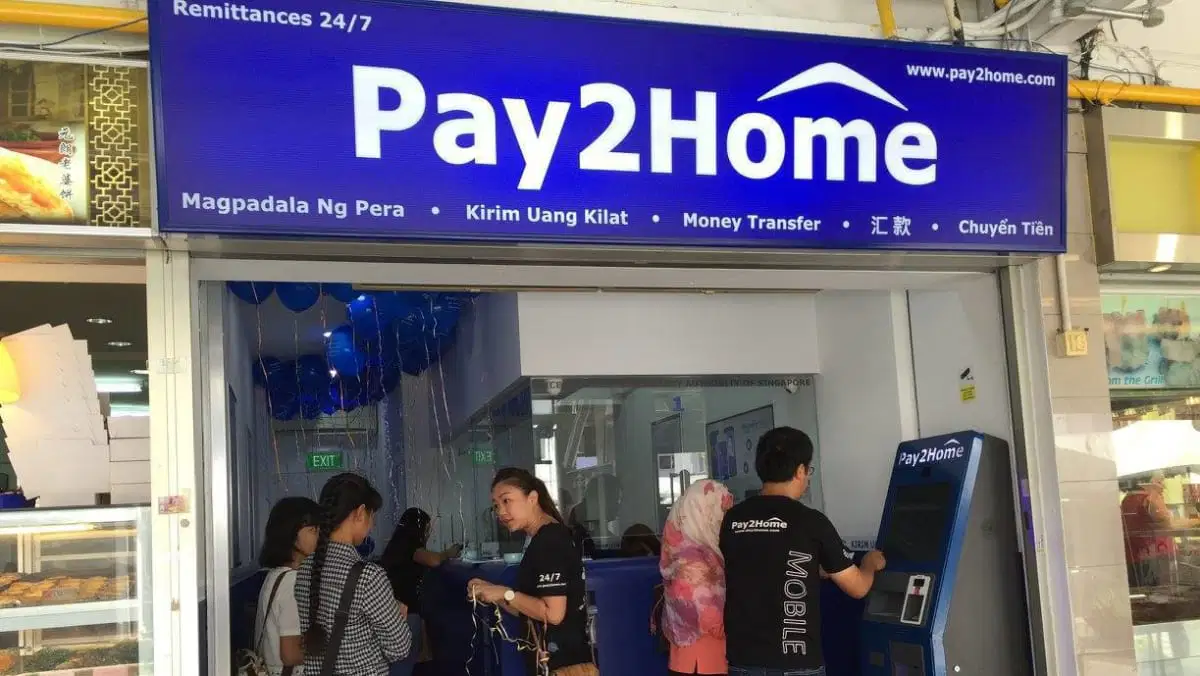
Name for flow of money home from migrants, which can help raise individual families out of the cycle of poverty
(a)
What is the significance of the 'Lorenz curves' mentioned in the text?
To measure technological advancement
To map disparities
To assess military strength
To calculate GDP
How do you spell the word which means 'severe relative lack of access to resources'?
Deprivation
Deprevation
Diprivation
Diprevation

What does the green bubble represent on the Happy Planet Index?
Carbon footprint
Water footprint
Ecological footprint
Air quality
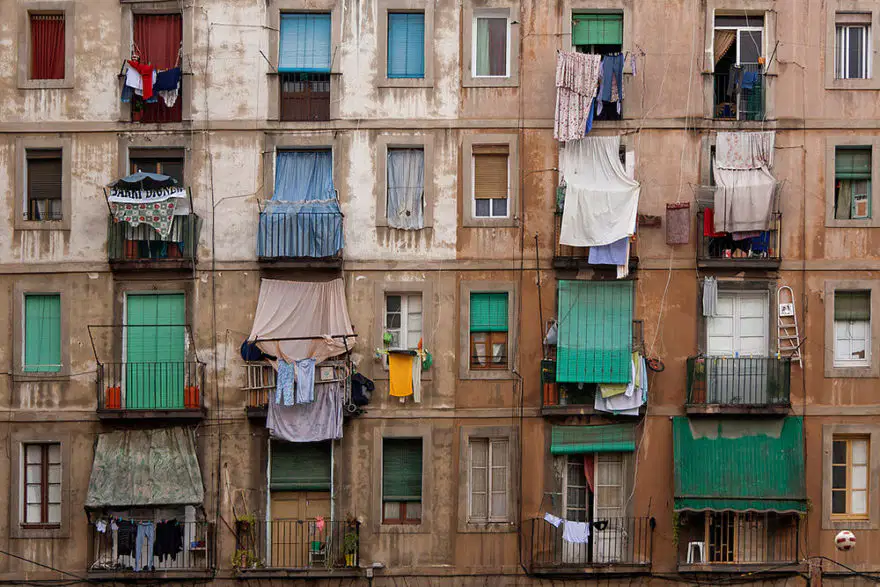
In which city has the inner city area of El Raval been gentrified?
New York
London
Barcelona
Paris
What is a common consequence of gentrification on original inhabitants?
They receive financial benefits
They are often displaced
They gain more influence
They become wealthier.
Gentrification can lead to a loss of ______ in the area.
community spirit
economic growth
new businesses
public transport
Who are usually the first to gentrify an area?
Wealthy investors
Young couples
Retired individuals
Large corporations
What role do chain stores play in gentrification?
They decrease property values
They attract more footfall
They make areas less safe
They discourage new businesses.

Towns which feel very similar and could be anywhere are known as...? (Hint: I)
(a)
Name for stakeholders who hold decision-making power
(a)

Which diffusion pattern does gentrification usually follow?
Expansion
Hierarchical
Network
Relocation
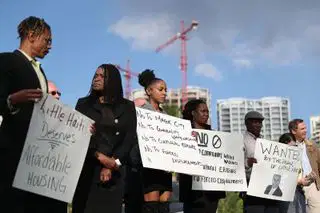
Term starting with S---- D------------ which means the original residents may have to move out of the area as they can no longer afford the rising rents
(a)
Who typically triggers organic gentrification processes?
TNCs
Incoming residents
Long-term residents
National governments
What is the main focus of the Family Lifecycle Model discussed in the document?
Transportation needs
Housing needs
Educational needs
Healthcare needs
Which age group are most likely to be moving into cities?
Young adults
Young families
Pensioners
Older adults whose children are leaving home
Why do young families move out of the inner city towards suburbs?
Land is cheaper further from the CBD so they can afford bigger accomodation
There are too many flights of stairs in CBD transport
Landlords will not rent to families in the inner city
The suburbs have more musems, cafes and toddler groups
Increase in divorce rates, people staying single and in pensioners living for longer independently has resulted in a need for more ____ housing units
luxury
smaller
bigger
A lack of supply in starter homes and affordable small apartments means _____ young adults are living with their parents into their 30s
More
Fewer
What does the document suggest about the housing needs of a young couple about to have their first child?
They need a smaller apartment
They require a larger home
They should move to the city
They need to rent a flat.
Name for people who use demographic data to predict housing needs
Urban planners
Residential forecasters
Estate actuaries
Housing auditors
Which does the model predict is least important to young adults
Living space
Transport connections
Proximity to leisure and entertainment
Rental prices
Categorise the reasons the elderly may move out of cities to suburbs and smaller towns
Less noise pollution
Access to family for care support
Need to downsize costs due to loss of professional income
Downsizing frees up funds for social care
Flatter land and fewer stairs means more independence
Smaller cities often have lower traffic volumes which makes road crossings safer
Perception of lower crime rates
Which is NOT a reason recent migrants tend to settle in inner city areas
Proximity to labour markets in the CBD
Support from established diaspora communities and migration services there
Cheaper land values than the suburbs
A lack of knowledge about the local area and smaller settlements
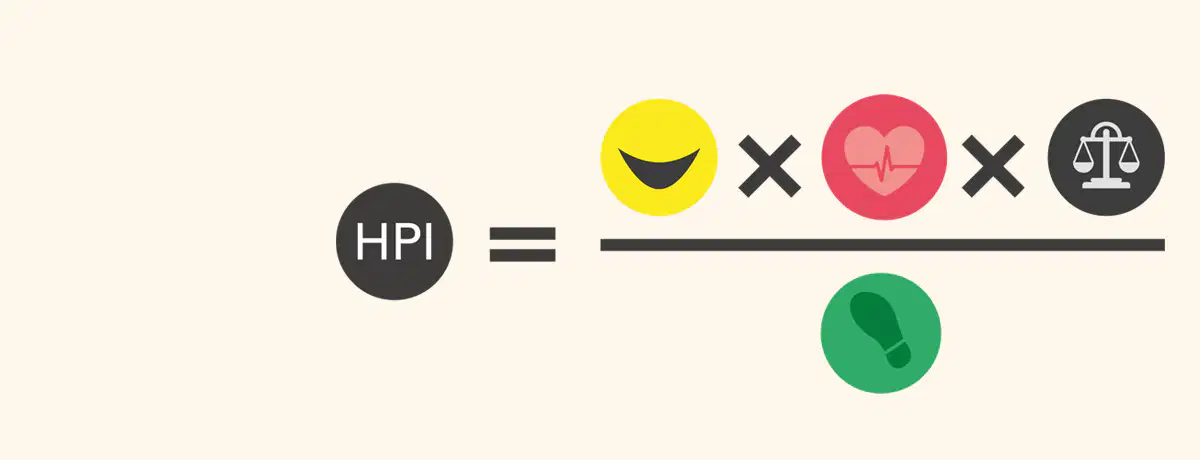
What does HPI stand for in the context of measuring happiness?
Happy People Index
Happy Planet Index
Human Prosperity Index
Health and Prosperity Index
Which of the following is NOT a factor in calculating the Happy Planet Index?
A) Life Expectancy
B) Degree of Income Equality
C) Ecological Footprint
D) Gross National Income
The Happy Planet Index is calculated by combining wellbeing with life expectancy and with degree of income equality, and dividing the total by the ________.
A) Gross National Income
B) Ecological Footprint
C) Population Density
D) Happiness Survey

Which country came out as the happiest in the 2019 data according to the Happy Planet Index?
Switzerland
Costa Rica
Vanuatu
Colombia
According to the Happy Planet Index, which country was the worst performing in 2019?
Mongolia
Qatar
Zimbabwe
Central African Republic

Which of the following countries is NOT in the top 5 happiest countries according to the 2019 Happy Planet Index?
Vanuatu
Switzerland
Ecuador
Singapore
Because their ecological footprint is so large, the USA would need to achieve universal 100% happiness on the wellbeing ladder and a life expectancy of ________ to be number 1 on the Happy Planet Index.
439
576
321
645
Which survey is used to measure the wellbeing aspect of the index?
World Happiness Report
Ladder of Life
Global Wellbeing Survey
Good vibes holistic charter
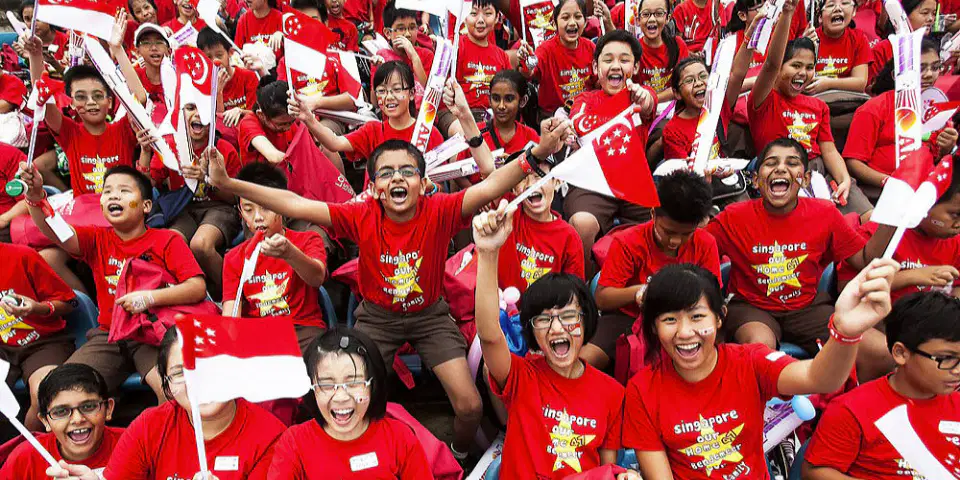
Fill in the blank: Singapore was ranked ________ in the 2019 Happy Planet Index, just below Chile and Liberia.
50th
68th
121st
37th
What is the name for this type of indicator, which includes more than one variable? (Hint: C)
(a)
What is a microclimate?
A large-scale climate pattern
A distinctive set of highly localized climatic characteristics
A type of weather phenomenon
A seasonal climate change.
Which of the following is a significant factor in urban microclimates?
Smog
Ocean currents
Mountain ranges
Desertification
Fill in the blank: Urban areas can be up to ___ warmer at night due to buildings retaining heat.
0.5°C
1.5°C
2.5°C
3.5°C
What effect does increased CO2 levels have in urban areas?
Decreases temperature
Increases short-wave radiation scattering
Reduces smog
Enhances wind speed

Fill in the blank: The temperature peak in urban areas is often found in the ___.
Rural fringe
Suburban
CBD
Inner city

By 2050, ___% of the world's population is predicted to live in urban areas.
50%
68%
75%
80%
What is the effect of urban canyons on air movement?
Slows down air
Speeds up air
Has no effect
Changes air direction
Which season shows a 5-10% thicker cloud cover globally?
Winter
Spring
Summer
Autumn
What is the main reason for the urban heat island effect?
Increased vegetation
Building materials absorbing radiation
Ocean proximity
High altitude
Fill in the blank: Urban areas tend to have more ___ air.
Calm
Turbulent
Dry
Cold

