
 Worksheets
Homeostasis & Diffusion Practice
Total questions: 76
Worksheet time: 56mins
Diffusion & Facilitated Diffusion are both __________ transport.
Passive
Active
Easy
Free
Passive Transport is the movement of particles across the membrane from an area of [ ___ ] to an area of [ ___ ]
high to low
low to high
low to low
high to high
Passive Transport uses ____ energy
no
a lot of
a little bit of
some
_____________ is the free movement of particles across the membrane with the concentration gradient
diffusion
facilitated diffusion
active transport
fusion
Passive Transport is the movement of particles _________ the concentration gradient.
with
against
opposing
throughout
An example of diffusion is
CO2 and O2 exchange in the lungs
Glucose transport
Na+ / K+ Pumps
Exocytosis
What is the movement of particles with the concentration gradient using protein "helpers"?
diffusion
facilitated diffusion
active transport
enzymatic reactions
What is a difference between diffusion and facilitated diffusion?
movement of particles from [high] to [low]
a protein "helper"
movement of particles from [low] to [high]
energy
The general name for movement of substances across cell membranes without need of energy input
passive transport
active transport
The condition in which all acting influences are balanced.
equilibrium
dynamic equilibrium
net movement
The number of molecules moving one direction minus the number of molecules moving in the other direction.
equilibrium
dynamic equilibrium
net movement
occurs when the concentration of particles is higher in one area than another.
concentration gradient
concentration
[high] --> [low]
The relative amount of a given substance contained within a solution or in a particular volume of space; the amount of solute per unit volume of solution. The higher the concentration, the more solute is present.
concentration gradient
concentration
[high] --> [low]
Way to display that molecules are moving from an area of high concentration to an area of low concentration.
concentration gradient
concentration
[high] --> [low]
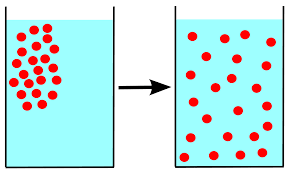


What is DIFFUSION?


What happened to the CELL WALL and the CELL MEMBRANE in these plant cells?
Both the CELL WALL and CELL MEMBRANE shrunk
Only the CELL WALL shrunk, the CELL MEMBRANE stayed the same
The CELL WALL stayed the same, only the CELL MEMBRANE shrunk
Both the CELL WALL and CELL MEMBRANE stayed the same
Active transport requires cellular energy and moves substances from area of ________________ concentration to ______________ concentration.
low, low
low, high
high, low
high, high
Cellular energy required for active transport comes directly in the form of _________.
glucose
lipids
ATP
NADPH

Positive Feedback loop
decreases the stimulus
increases the stimulus
Negative feedback returns BACK to the set point
False
True
Negative Feedback loop
decreases the stimulus
increases the stimulus

This graph shows an example of...
Blood sugar regulation
Homeostasis
Negative feedback
Positive feedback
A response is
your body's reaction to change
The change in the environment
what happens

According to the model, what is a normal blood glucose (sugar) level?
270 mg/100mL
180 mg/100 mL
45 mg/100 mL
90 mg/100 mL
According to the model, what is the response to HIGH blood glucose (sugar)?
Pancreas releases insulin into blood
Pancreas releases glucagon into blood
According to the model, what is the response to LOW blood glucose (sugar)?
Pancreas releases insulin into blood
Pancreas releases glucagon into blood
The ability to maintain body temperature within a certain range is ...
thermodynamics
thermoregulation
thermostat
thermometer
How does the body respond when more oxygen is required?
Decreasing heart rate
Increasing heart rate
Decreasing blood pressure
Increasing blood pressure
Identify the STIMULUS.
Scenario: A person begins to exercise which causes their body temperature to increase. The temperature change is noticed and the person begins to sweat and their body temperature decreases.
temperature change is noticed
person begins to sweat
body temperature decreases
person begins to exercise
Identify the RESPONSE.
Scenario: A person begins to exercise which causes their body temperature to increase. The temperature change is noticed and the person begins to sweat and their body temperature decreases.
temperature change is noticed
body temperature increases so the person begins to sweat
body temperature decreases
person begins to exercise
is the maintenance of a relatively stable internal environment
is the maintenance of a relatively stable external environment
increases or speeds up original change
negative feedback
positive feedback
endotherm
ectotherm
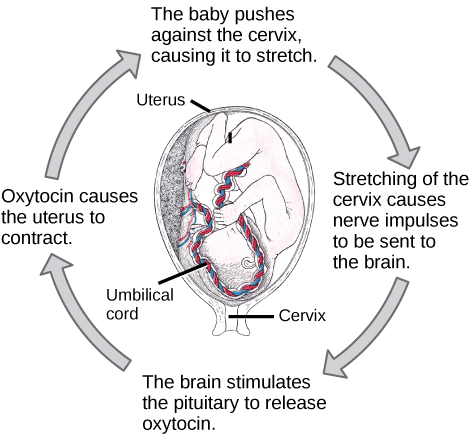
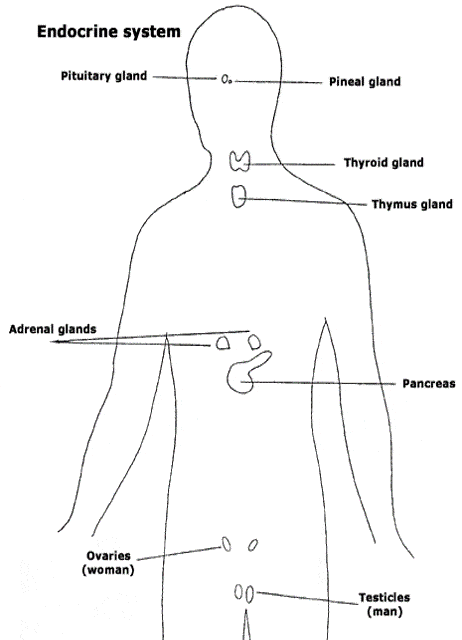

According to the feedback loop, what does high blood sugar promote?
Insulin Release
Glucagon Release
Insulin Uptake
Glycogen Uptake
Which is an example of a stimulus?
Pancreas detecting an increase in blood glucose.
Drop in blood oxygen.
Salivary glands increasing their release of saliva.
Regulating blood pressure when you go from laying down to standing.
Which of the following statements are true about negative feedback?
Most processes in the body are controlled by negative feedback.
Negative in this case means the opposite direction of the stimulus.
Negative in this case means something bad or problematic.
Goal is to return immediately to homeostasis.
Amplifies the change.
Ectothermics are this.
warm-blooded
cold-blooded
Endothermics are this.
cold-blooded
warm-blooded

Is this picture abiotic or biotic?
Abiotic
Biotic

Is this picture abiotic or biotic?
Abiotic
Biotic
Abiotic can be defined as?
An organism that is alive
Non-living parts of the environment
Living Parts of the environment
A new kind of Pokemon that lives with Pikachu
Biotic can be defined as
the living parts of an environment
non-living parts of an environment
rocks and water
snakes and water


John takes the subway to work every morning. He enjoys drinking his coffee and talking to people that sit near him. The other people on the subway are an example of what type of factor?
Abiotic
Biotic
Which of the following examples is a biotic factor?
Soil
Lava
Fungus
Clouds

A collection of living organisms that belong to different populations but all live in the same area and interact with one another is a...
Population
Ecosystem
Community
Ecosphere
During osmosis
water moves from high to low concentration
large or oddly shaped molecules move across a cell membrane
water moves when energy is used
proteins are built
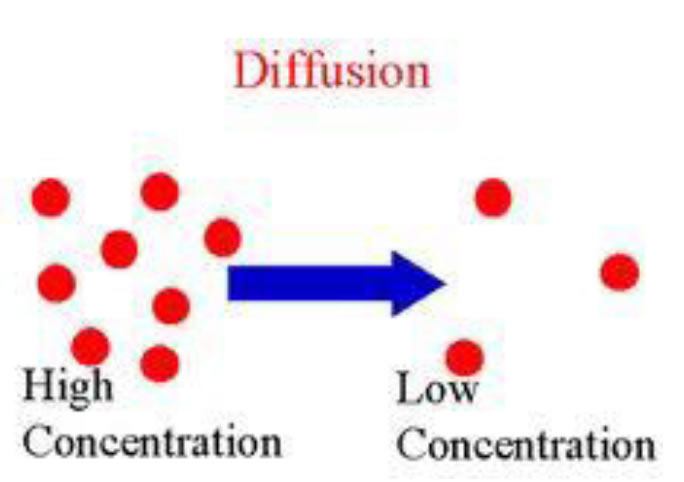


when some molecules can cross the membrane while others cannot.
In an isotonic solution which way will the water flow
it will not flow at all
it will flow into the cell
it will flow both ways at equal rates
out of the cell

Hypotonic solutions
make cells shrink
make cells swell
Which molecule in the cell membrane is involved in transporting large molecules across the cell membrane
Cholesterol
Protein
Carbohydrates
Sugars

