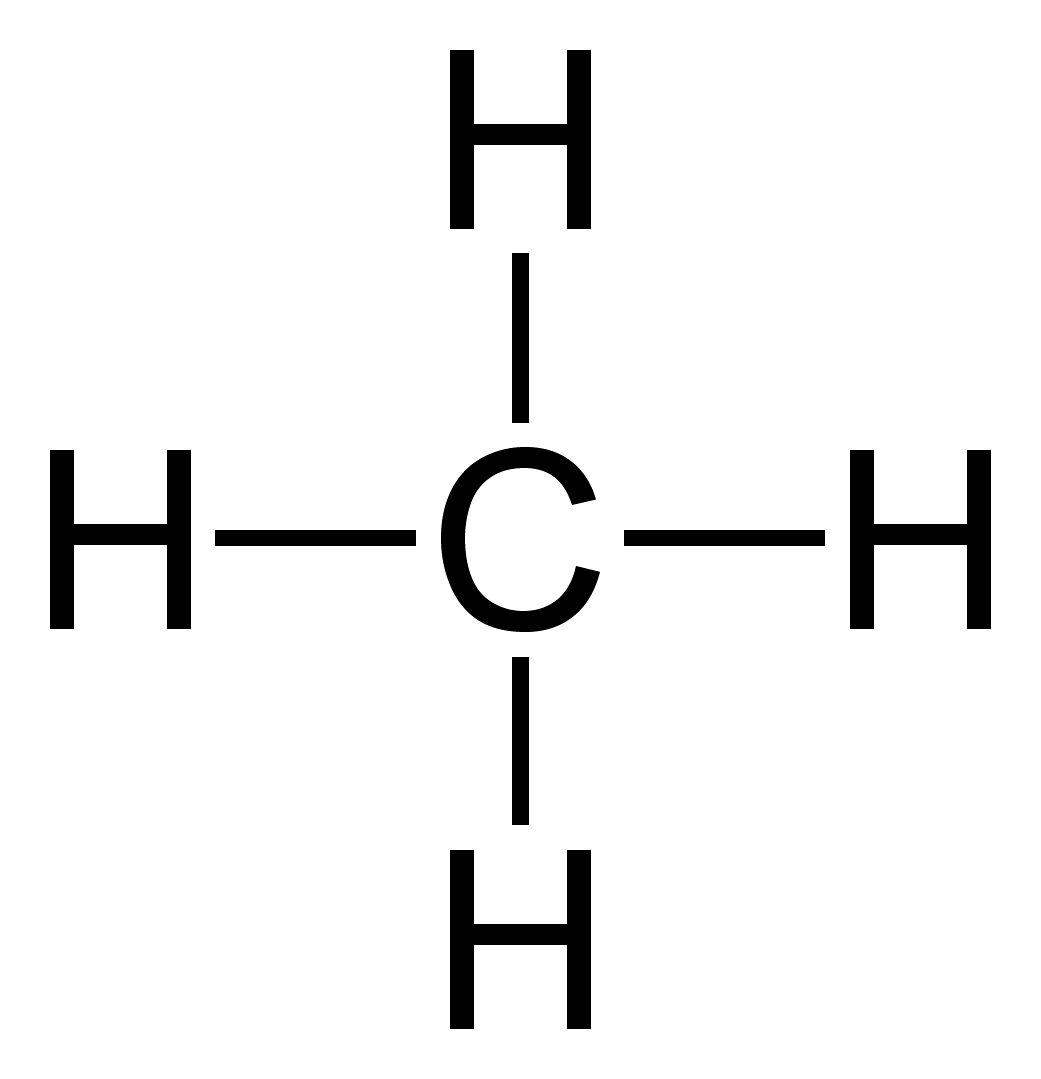
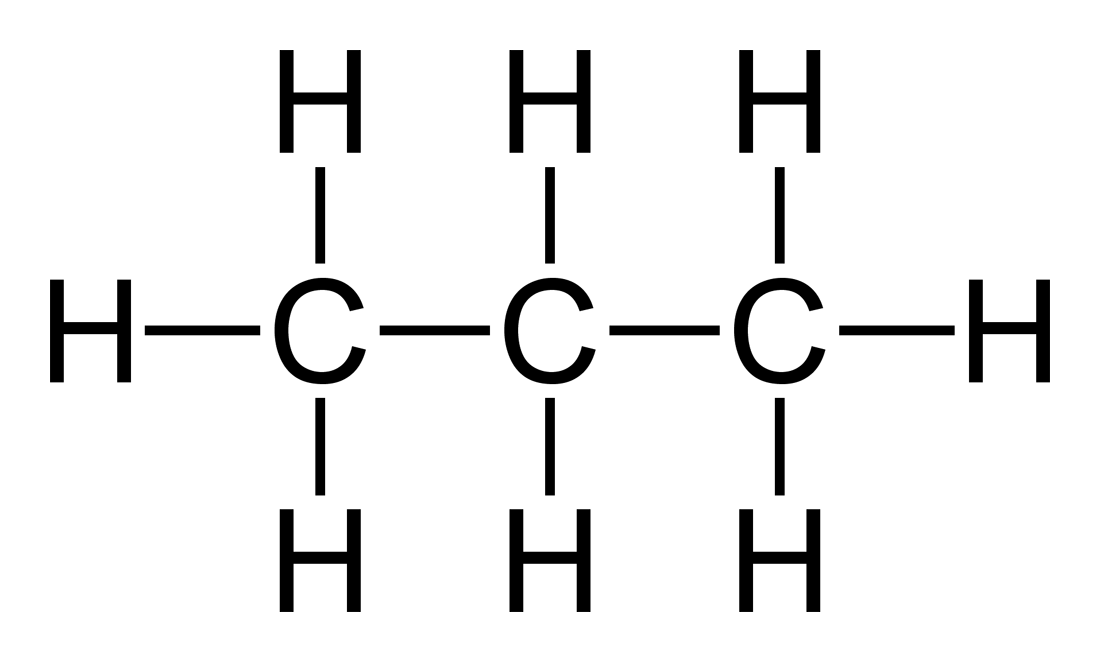
Worksheets
Organic Chemistry CH
Total questions: 53
Worksheet time: 41mins
the name of this compaund C4H10
METHANE
HEXENE
BUTANOIC ACID
BUTANE
which compound is made up of carbons and hydrogen
hydrocarbons
aldehytes
condensed structure
alcohols
Which homolgous series contains only C-C single bonds?
alkanes
alkenes
alcohols
carboxylic acids
Which homolgous series contains a C=C double bond?
alkanes
alkenes
alcohols
carboxylic acids
name the group that has a single bond
alkenes
alcohols
alkanes
ethers
What Elements do Hydrocarbons Contain?
Hydrogen
Carbon
Oxygen
What is the general formula for Alkanes?
CnH2n+2
CnH2n
Which Hydrocarbon has a Higher Viscosity?
Longer Hydrocarbon Chain
Shorter Hydrocarbon Chain
What is the general formula for Alkanes?
CnH2n+2
CnH2n
Which Hydrocarbon has a Higher Viscosity?
Longer Hydrocarbon Chain
Shorter Hydrocarbon Chain
Which Hydrocarbon is More Flammable?
Longer Hydrocarbon Chain
Shorter Hydrocarbon Chain
What are the products of the Complete combustion of Hydrocarbons?
Carbon Dioxide
Water
Carbon Monoxide
Which one is an Alkane?
Has a C--C Single Bond
Has a C==C Double Bond
Which substances can be produced from crude oil?
Metal alloys and glass
Glass and concrete
Limestone and steel
Kerosene and polymers
What happens to carbon and hydrogen during combustion reactions?
They are reduced
They are oxidised
They are cracked
They are distilled
A substance has the formula C7H16. The name of this substance is:
Hexane
Heptane
Hexene
Heptene
Alkanes and alkenes are each a part of a different (a) series. As the number of (b) atoms in each series increases, the (c) get bigger, leading to compounds with higher (d) , (e) and flammability.
The process of separating crude oil into its component compounds is called:
Hydrogenation
Combustion
Fractional distillation
Cracking
Alkanes are mostly used as (a) while alkenes are primarily used as (b) or basic ingredients in the plastic industry.
The word equation for the combustion of any Hydrocarbon is:
Hydrocarbon + (a) (g) → (b) (g) + (c) (l)
Hint: use the state symbols to help order your answers
Alkanes are good fuels because their combustion reaction is highly:
reactive
exothermic
inert
endothermic
(a) is the process of taking a long-chain alkane and breaking it into shorter-molecule (b) . The process requires either (c) at 600oC, or a (d) such as (e) and a lower temperature of 350oC.
When we burn a fossil we create multiple products that are bad for the environment.
One such problem is that (a) is a product of the combustion, and this is a (b) meaning that it contributes to (c) .
The test for a double bond, such as in an alkene, is:
insert a glowing splint - it will relight
bubble through limewater - it will go milky
bubble through bromine water - it will change from brown to colourless
insert a lighted splint - you will hear a squeaky pop
Place these fractions in order, from the BOTTOM of the column to the top
Bitumen (tar)
Heavy fuel oil
Diesel
Kerosene (aviation fuel)
Octane (petrol)

In this image the black balls represent Carbon atoms, and the white balls Hydrogen atoms.
What is this compound?
(a)
The general formula for an alkane is (a) . The general formula for an alkene is (b)
CnH2n+2
CnH2n
CnH2n−2
CO2
CH4
CH2
C2H4
the name of this compaund C4H10
METHANE
HEXENE
BUTANOIC ACID
BUTANE
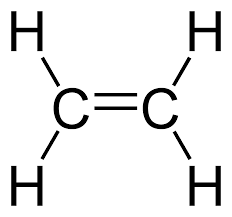

Classify the compound based on the functional group present.
alkane
alkene
alkyne
aromatic
Which homolgous series contains a C=C double bond?
alkanes
alkenes
alcohols
carboxylic acids
Which homolgous series contains only C-C single bonds?
alkanes
alkenes
alcohols
carboxylic acids

What is fractional distillation?
a process used to separate crude oil
a process used to burn up fuels
a way to make different products
how oil is extracted from the ground
Fractional distillation separates crude oil based on the different __________ of the molecules in the mixture
melting point
boiling point
freezing point
chemical reactivity
A fraction of crude oil is made up of:
Hydrocarbons of similar chain lengths
Numbers
Large hydrocarbons
Alkenes only
Crude oil is made up of:
Ethane
Butane
A mixture of different hydrocarbons
Extremely large hydrocarbons which are broken up once extracted
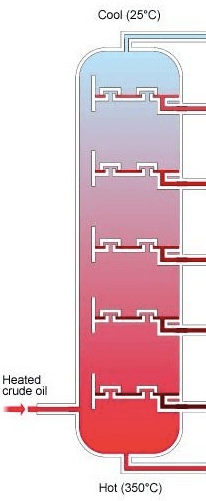
What process happens at each level in the fractionating column?
Evaporation
Condensation
Combustion
What process happens as the crude oil enters the fractionating column?
Evaporation
Condensation
Combustion

Where do short chain hydrocarbons collect?
At the top
In the middle
At the bottom

Where do long chain hydrocarbons collect?
At the top
In the middle
At the bottom
Shorter hydrocarbons have:
Higher boiling points
Lower boiling points
Alkene
Carbon- Carbon triple bond
None
Carbon-Carbon double bond
Carbon-Carbon Single bond
What will happen when bromine is added to ethene? (as long as the ethene is present in excess)
reddish brown colour of bromine decolourised
reddish brown colour of bromine remain unchanged


C3H8