
 Worksheets
chapter 7 jh2
Total questions: 46
Worksheet time: 25mins

In which structure is most glucose absorbed into the blood?
A
B
C
D

Which dietary component is unlikely to be deficient in a meat-free diet?
A
B
C
D

In which organs does the digestion of proteins take place?
A
B
C
D

Which organ produces amylase?
A
B
C
D
What are the five processes in human nutrition (in order)?
ingestion,digestion,egestion,absorption,assimilation
ingestion,digestion,absorption,egestion,assimilation
ingestion,digestion,absorption,assimilation,egestion
absorption,ingestion,digestion,egestion,assimilation
Where does ingestion begin?
duodenum
stomach
mouth
colon
Chewing cuts food into smaller pieces which is a form of chemical digestion
True
False
Salivary amylase digests starch into glucose
True
False
Which of the following enzymes digests proteins?
Trypsin
Lipase
Peptidases
Amylase
Peristalsis mixes food with gastric juice in the stomach
True
False
Bile is produced by ____, stored in ____, released by _____
liver; duodenum; bile duct
liver; gall bladder; bile duct
gall bladder; liver; bile duct
gall bladder; duodenum; bile duct
You can find protein in...
dairy products.
fruit.
oil.
Oils and butter are rich in...
proteins.
fats.
carbohydrates.

The correct order of parts labelled 2,3,7,8
Oesophagus,stomach,pancreas,liver
Oesophagus,stomach,liver,pancreas
Oesophagus,pancreas,stomach,liver
Oesophagus,pancreas,liver,stomach
Where does most of the digestive process take place?
Small intestine
Stomach
Large intestine

What is the function of the gall bladder?
absorption of fat
digestion of fat
production of bile
storage of bile

The diagram shows the human alimentary canal.
Which of the organs are related to digestion of carbohydrates?
R and T only
P and Q only
S and T only
Q, R, S, and T
In which part of the digestive system are most of the nutrients absorbed into the bloodstream?
Stomach
Oesophagus
Small Intestine
Large Intestine
What is the function of dietary fibre in the human body?
Provides energy
Fights infection and disease
Keeps the digestive system healthy
Promotes healthy hair and nails
Maltose is digested into glucose by maltase
True
False
Absorption of digested food molecules occur at the villi
True
False

What is the best source of carbohydrates from the list?
steak
pasta
butter
lucozade
Carbohydrates are made from the elements carbon, hydrogen, oxygen and nitrogen
true
false
(a) are the simplest carbohydrate
galactose is an example of...
a cow
a sugar
a disaccharide
a monosaccharide
Carbohydrates help to build muscle
true
false
(a) are the building blocks of protein
Why do we need protein in our diet?
For energy
To grow taller
For growth and repair of muscles
For strong bones and teeth
What is a balanced diet?
A diet that contains only carbohydrates
A diet that contains all the needed nutrients in correct amounts
A diet that contains only proteins
A diet that contains only fats
What is the effect of too little food?
Starvation
Coronary heart disease
Obesity
Constipation
What is the effect of too much saturated/animal fat in the diet?
Starvation
Coronary heart disease
Obesity
Constipation
What is the effect of too much food or large amounts of foods that are high in fat or sugar?
Starvation
Coronary heart disease
Obesity
Constipation
What is the condition of the digestive system where an individual has hard faeces that are difficult to be excreted?
Starvation
Coronary heart disease
Obesity
Constipation
What is the deficiency disease caused by lack of Vitamin C?
Scurvy
Rickets
Anaemia
Kwashiorkor
A gastric juice found in the stomach
acidic fluid
pepsin
rennin
alkaline fluid
which of the following is not type of teeth
canines
molarity
molar
incisor
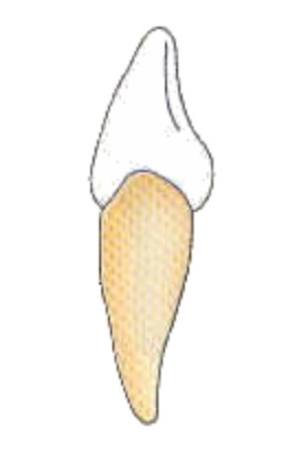
name the teeth
incisor
molar
premolar
canine
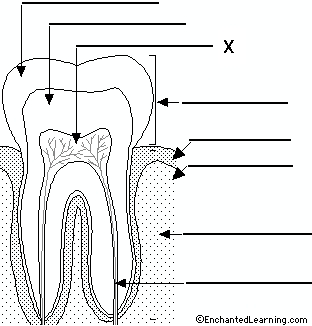
what is X
pulp cavity
gum
dentine
enamel

