
 Worksheets
8th Grade SOL Review - Unit 1-6
Total questions: 40
Worksheet time: 56mins
Match the definition, unit, and tool to each vocab word

Amount of matter in an object
Measured in Grams (g) or (kg)
Use a balance / scale to measure it

Amount of gravity pulling down
Measured in Newtons (N)
Use a spring scale to measure it

Amount of space an object takes up
Measured in Liters (mL) or (L)
Use a graduated cylinder to measure it
Organize these options into the right categories
Observation with your senses
Blue, round, and rough
Describes how the object will react
A change that does not alter the identity
Ripping a paper, melting ice cream, and dissolving salt in water
A reaction that results in a new substance
The acid and base reacted to form salt
New compounds are formed

Melting point

Can form bubbles and can react with water

Magnetism


Density - Sinks or floats

Shiny

Can form bubbles

Rust forming on iron

Burning wood to ash
pH level, conductivity, and flammability

Chopping vegetables
Organize these options into the right categories


Slow / vibrate in place
Close together
medium speed
medium distance
Fast atoms
Far apart
particles slide past one another
definite shape and volume

Ice

Water

Steam / Vapor
Match the following

Solid turning into a liquid

Liquid turning into a gas

Liquid turning into a solid
Organize these options into the right categories
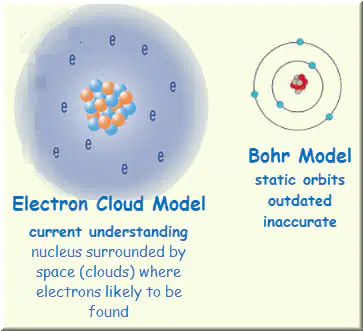
What is incorrect about the Bohr model of the atom?
Electrons do NOT travel along defined paths. Electrons travel randomly in the cloud.
Protons are NOT found in the nucleus of the atom. Instead they are in the orbit.
Match the following
Hypothesis
Testable prediction
Theory
An explanation of why or how
Law
Describes observed pattern / mathematics
Organize these options into the right categories
Positively charged
Found in the Nucleus with Neutrons
Found in the Nucleus with protons
Neutrally charged
The same size as a proton
Found in the cloud / outside of the nucleus
Negatively charged
Smaller than a proton


With protons, make up the mass of the atom
0 amu (mass)
1 amu (mass) just like the neutron
Organize these options into the right categories
One type of atom
2 or more types of atoms BONDED together
Chemically combine and separate through a chemical reaction
Physically combine and separate
2 or more elements or compounds physically MIXED together


Can be separated by physical properties
Hydrogen (H)
Water (H2O)
Saltwater H2O AND NaCl mixed and separated by boiling
Determine what each container contains

Nitrogen is in (a) group
Nitrogen is in (a) period
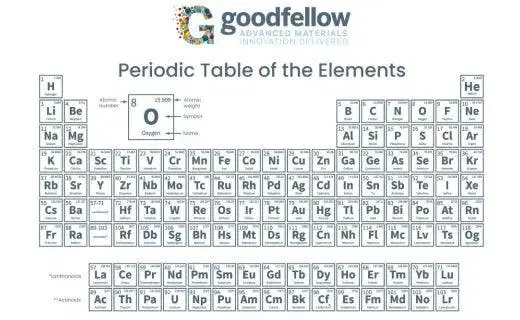
What element has 4 protons?
Oxygen (O)
Be (Berrylium)
Hydrogen (H)
Ar (Argon)
Organize these options into the right categories
Shiny
Good conductor of heat and electricity
Most are solids
Most are gases
Bad conductor of heat and electricity
Dull
Semi-conductor
Okay at conducting heat and electricity
Wire used to transport electrons
Plastic coating around wire, so you don't get shocked when you touch it
Used in technology, so you don't burn your hands, but it lets electrons move


Can be dull or shiny
Ductile and malleable
Brittle
Can be ductile or brittle
Gold, Silver, and Aluminum
Chlorine and Neon
Match the following
Ion
Atom with a charge + or -
Isotope
Same element different # of neutrons
Mass of an atom
Protons (1 amu) plus Neutrons
(1 amu)
Elements in the same ____ have similar properties
Period
Group
Elements in the same ____ share the same number of energy levels (number of orbits)
Period
Group
Label the element square
What is the mass of the atom with the atomic number of 6, 6 neutrons and 6 electrons?
12
(Protons + Neutrons)
18
(Protons + Neutrons + Electrons)
6
(Neutrons only)
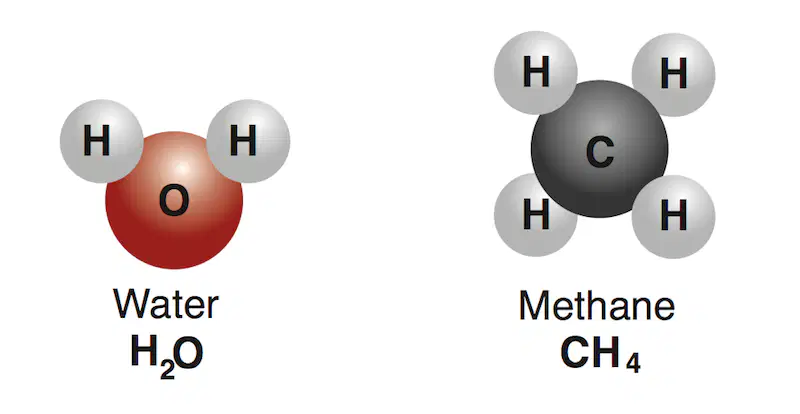
Describe Methane gas
1 Hydrogen and 4 Carbon
1 Carbon and 4 Hydrogen
2 Oxygen and 1 Hydrogen
Label the periodic table
Which is the balanced equation?
3H2 + O2 -> 2H2O2
2H2 + 2O2 -> H2O2
H2 + O2 -> H2O
2H2 + O2 -> 2H2O
A reaction occurred and the substances are hot, increasing in temperature and releasing heat.
Exothermic
Endothermic
Organize these options into the right categories
Between a metal and nonmetal
Electrons are transferred
Between ions (atoms with a charge)
Between 2 nonmetals (or metalloid and nonmetal)
Electrons are shared
The stronger type of bond


Why atoms bond
To become chemically stable
To become isotopes
Label the sides of the chemical equation
What happens to the mass during a chemical reaction?
Mass stays the same because the same amount of each element is present, just in a different compound
Mass changes because a chemical reaction makes something entirely new out of nowhere
Organize these options into the right categories
Chemical Energy
Radiant Energy

Electrical Energy

Nuclear Energy

Mechanical Energy
Organize these options into the right categories
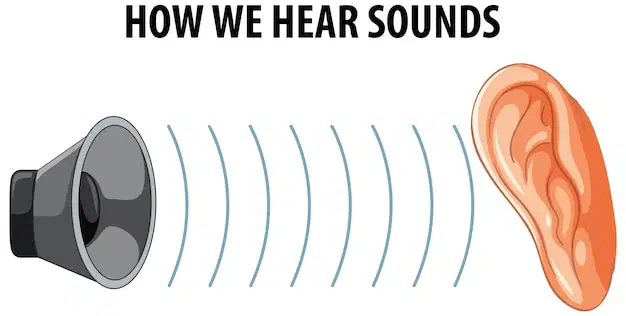
Mechanical Energy
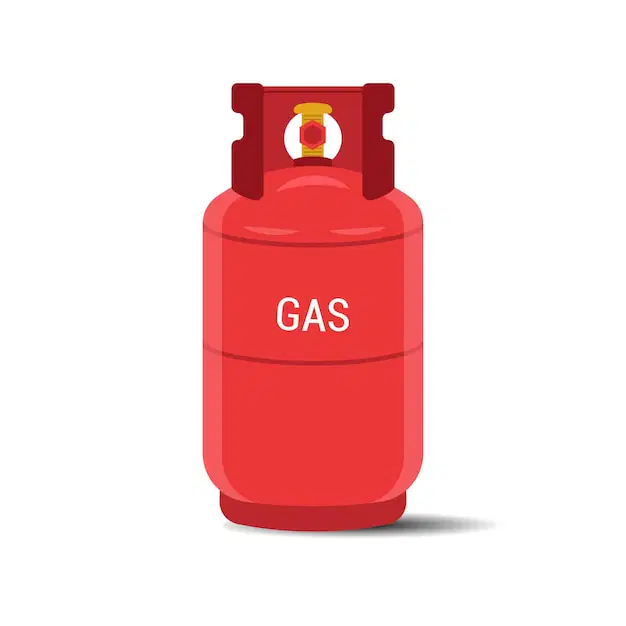
Chemical Energy
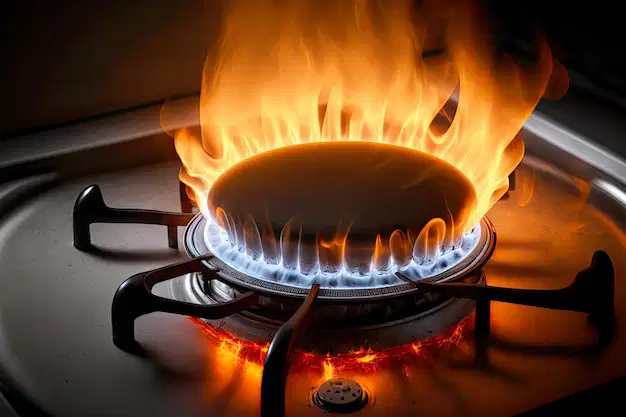
Thermal Energy
Match the following
Absolute Zero
Lowest possible temperature
Kelvin Scale
0o is at absolute zero
Celsius
Water melts at 0o and boils at 100o

What is the energy transformation?
Light --> Moving fans --> Hot
Radiant --> Mechanical --> Thermal
Nuclear --> Chemical --> Electrical
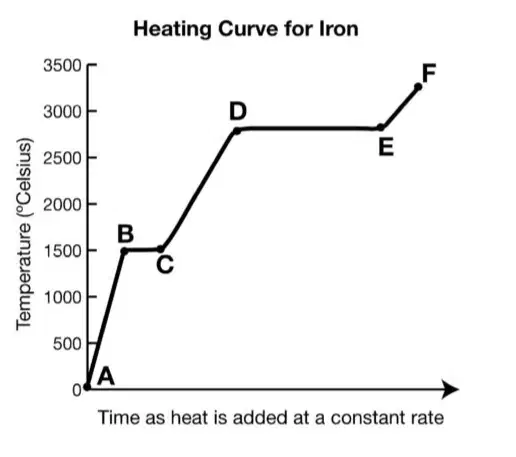
Observe the heating curve of iron to answer match the tiles
Melting point of iron
1500 oC
Boiling point of iron
2800 oC
Temperature during a phase change
Stays the same
Match the following
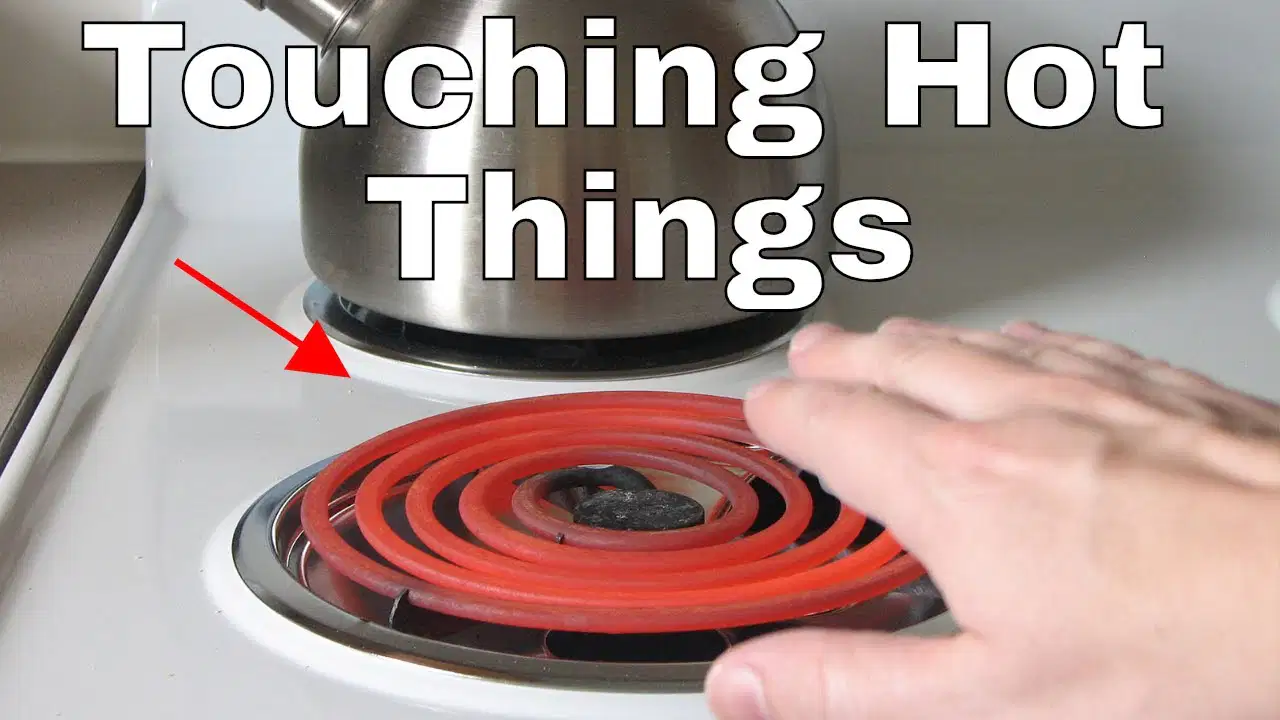
Conduction

Convection

Radiation
Which is nonrenewable?
Solar
Wind
Natural Gas
Hydropower
Nuclear waste is bad because it creates _____ and is a _____ resource.
Nuclear waste is good because only a few powerplants make _____.
Organize these options into the right categories

Acceleration

Constant speed
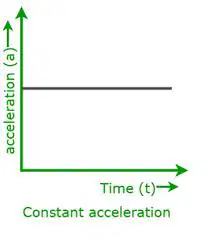
Not moving
How is speed and velocity different?
Velocity has a direction
Speed is always constant
Why does an object eventually come to rest?
Friction
Not enough power
Match the following images to Newton's Laws of Motion
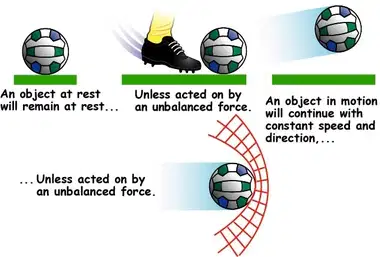
1st Law
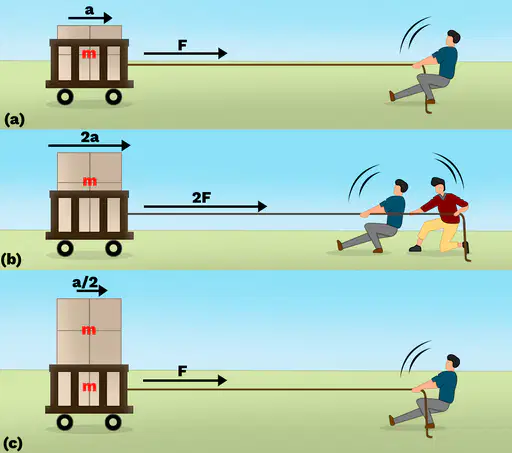
2nd Law

3rd Law
Solve the acceleration problem.
Acceleration = (Final Velocity - Initial Velocity) / Time
Final velocity = 50 m/s south
Initial velocity = 10 m/s south
Time = 4 s
100 m/s2
10 m/s2
40 m/s2

