
 Worksheets
MT: Unit 8-10 Exam Review
Total questions: 20
Worksheet time: 10mins
Pertaining to below the tongue
Sublingual
Submandibular
Lingual
Buccal
Order of the small intestine from most anterior to posterior
Ileum, Jejunum, Duodenum
Duodenum, Jejunum, Ileum
Jejunum, Duodenum, Ileum
Duodenum, Ileum, Jejunum
Determines skin pigmentation
Melanin
Hemoglobin
Carotene
Cholesterol
Skeletal muscle contractions are voluntary and stimulated by the central nervous system
True
False
Involuntary
Stimulated by the peripheral nervous system
Recommended treatment for squamous cell carcinoma on the ear
Chemotherapy
Radiation therapy
Surgery
Immunotherapy
Disease NOT a chronic condition of the integumentary system
Melanoma
Psoriasis
Eczema
Dermatitis
The area of the pharynx connecting to the esophagus, used for both breathing and digestion.
Oropharynx
Nasopharynx
Laryngopharynx
Hypopharynx
Composition of hair
Living cells
Dead, keratinized cells
Water and minerals
Fatty tissues
Responsible for producing melanin
Keratinocytes
Melanocytes
Fibroblasts
Langerhans cells
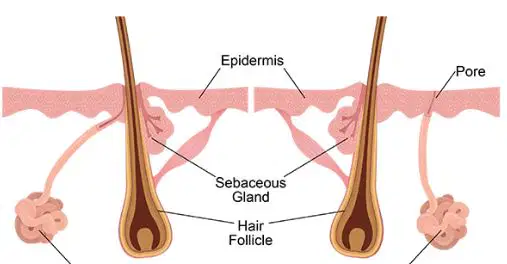
Types of sweat glands:
Sebaceous gland and Apocrine gland
Apocrine gland and Eccrine gland
Eccrine gland and Ceruminous gland
Apocrine gland and Mammary gland
Loss of muscle tissue due to aging
Sarcopenia
Osteoporosis
Arthritis
Myopathy
Prefix that means "under"
Hyper-
Hypo-
Sub-
Infra-
Layer of the skin also referred to as the subcutaneous layer
Epidermis
Dermis
Hypodermis
Stratum Corneum
Dermis
The outermost layer of skin that provides a barrier to the environment.
The middle layer of skin, containing connective tissue, hair follicles, and sweat glands.
The layer of skin responsible for producing melanin and determining skin color.
The deepest layer of skin that contains fat and helps insulate the body.
Function not describing a sebaceous gland
Helps the body maintain temperature homeostasis
Produces sebum to lubricate the skin
Secretes sweat to cool the body
Provides a barrier against pathogens
Correct meaning for the suffix in "glycogenesis"
Create
Produce
Destroy
Transform
Specialized cells which contain many nerve endings
Merkel cells
Fibroblasts
Chondrocytes
Osteocytes
The area of space between the abdominal wall and the internal organs is known as the peritoneal cavity.
A potential space that contains serous fluid.
A region filled with air and blood.
A cavity that stores digestive enzymes.
A space that is completely empty.
Feature of the small intestine that does NOT increase absorptive surface area.
Intestinal bacteria
Villi
Microvilli
Plicae circulares
Hair bulb location in the skin
Epidermis
Dermis
Hypodermis
Subcutaneous layer

