
 Worksheets
Respiratory System and Circulatory System
Total questions: 76
Worksheet time: 49mins
What is the primary function of the respiratory system?
To circulate blood throughout the body
To exchange oxygen and carbon dioxide between the body and the environment
To break down food into nutrients for energy
To transport oxygen directly to cells without using the blood
Which of the following structures filters out dust and large particles from the air before it enters the lungs?
Alveoli
Epiglottis
Cilia and nose hairs
Bronchioles
What is the role of the epiglottis in the respiratory system?
It helps filter out harmful substances from the air
It prevents food particles from entering the respiratory tubes
It absorbs oxygen from the air
It pumps air in and out of the lungs
What happens during external respiration?
Oxygen is exchanged between the blood and body cells
Carbon dioxide is released from body cells into the blood
Oxygen diffuses from the alveoli into the blood, and carbon dioxide moves from the blood into the alveoli
The diaphragm contracts to move air out of the lungs
Where does gas exchange primarily occur in the lungs?
Bronchi
Alveoli
Trachea
Pharynx
Which structure transports air from the larynx to the bronchi?
Pharynx
Bronchioles
Trachea
Alveoli
What process describes the exchange of gases between the blood and body cells?
External respiration
Internal respiration
Breathing
Cellular respiration
What is the purpose of mucus in the nasal passages?
To break down oxygen for easier absorption
To absorb carbon dioxide from the air
To warm, moisten, and trap foreign materials from the air
To assist in the production of ATP
What is the correct order of airflow through the respiratory system?
Nose → pharynx → larynx → trachea → bronchi → alveoli
Nose → larynx → pharynx → trachea → bronchioles → alveoli
Nose → trachea → epiglottis → larynx → alveoli
Nose → bronchi → pharynx → larynx → trachea
Which of the following describes cellular respiration?
The mechanical movement of air in and out of the lungs
The exchange of gases between the atmosphere and the blood
The process where oxygen and glucose are used to produce ATP, releasing carbon dioxide and water
The absorption of oxygen into the nasal passages
Microscopic sacs where gas exchange takes place; are called:
alveoli
bronchi
villi
Which part of the Respiratory System collects air from the environment & heats/moistens the air before entering the body?
lungs
nose
heart
mouth
Which is not a job of the respiratory system?
taking in oxygen
taking in carbon dioxide
moisten air
transport glucose
Which system shares the pharynx with the respiratory system?
circulatory
digestive
excretory
skeletal
A small flap of tissue that covers the trachea when swallowing is called the
bronchi
larynx
pharynx
epiglottis
When you exhale, the diaphragm
moves upwards
moves downwards
flattens
none of the above

What is labeled at E?
bronchi
trachea
pharynx
none of the above

1. larynx
2. nasal cavity
3. pharynx
4. trachea
Which of the following is the correct order that air would flow during inhalation.
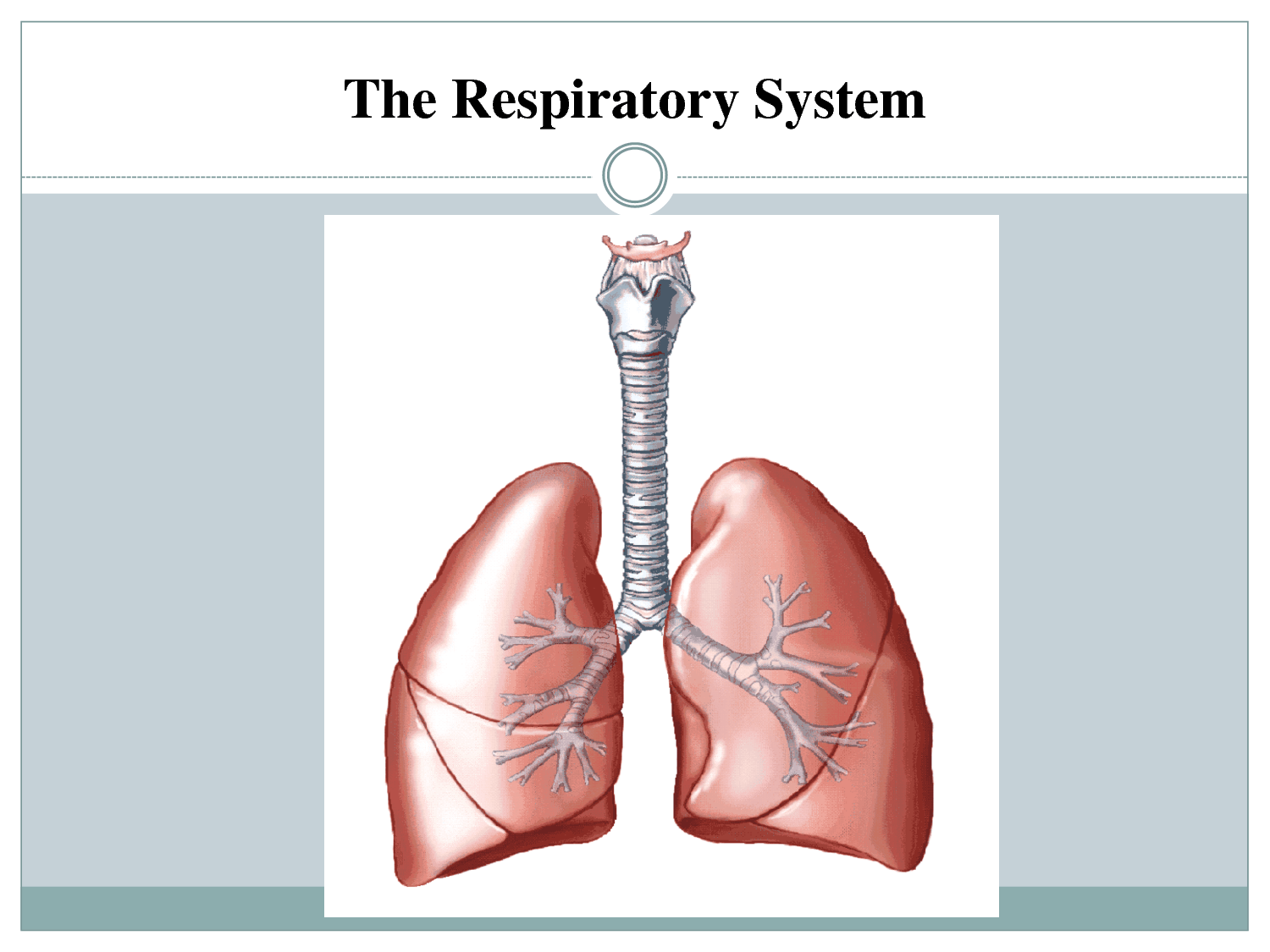
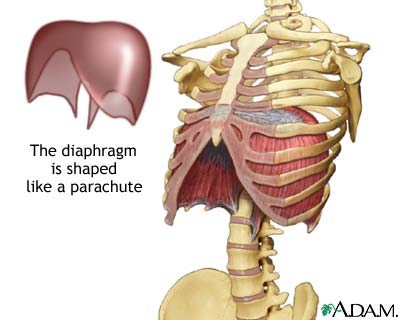
What is function of the dome-shaped diaphragm muscle?
This is where gas exchange happens.
Air passes through the diaphragm on the way to the lungs.
It attaches to the lungs and contracts and relaxes to help in breathing.
Which of the following is not a blood vessel?
arteries
lymph vessels
veins
capillaries
Deoxygenated blood flows from body parts to ______ of the heart.
Left atrium
Right atrium
Left ventricle
Right ventricle
Check all that is correct for the arteries.
they start from the heart and goes to the body parts
they have thick muscular walls
they have small lumen
they have valves
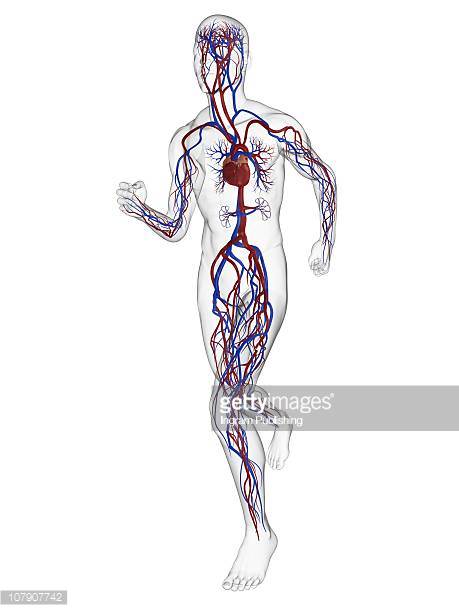
What is the main organ of the circulatory system?
small intestine
bone
lungs
heart
Arteries carry oxygen rich blood away from the heart.
True
False
Veins carry oxygen poor blood back to the heart.
False
True
The job of the heart is to . . .
pump blood around the body.
send food to the small intestines.
break down food.
give energy to the body.
The FREQUENCY of heart contractions is...
heart rate
blood pressure
respiratory rate
voluntary muscle contraction
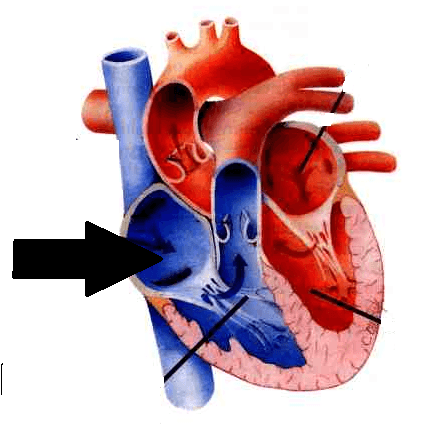
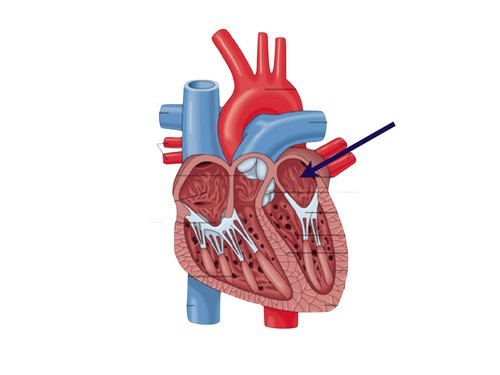
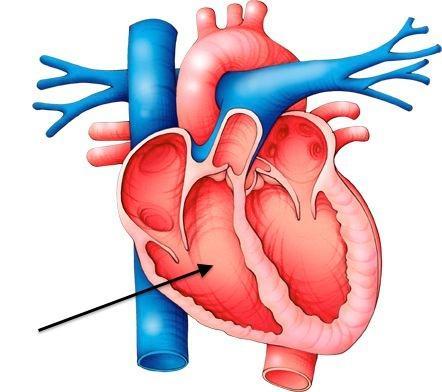
This chamber of the heart RECEIVES low oxygen blood returning from the body
This chamber of the heart RECEIVES oxygen rich blood back from the lungs
Right Atrium
Left Atrium
Right Ventricle
Left Ventricle
This chamber of the heart pumps the blood from the heart to the lungs through the pulmonary artery
Right Atrium
Left Atrium
Right Ventricle
Left Ventricle
This chamber of the heart pumps the blood back out to the body cells through the Aorta
Right Atrium
Left Atrium
Right Ventricle
Left Ventricle
The type of blood vessel that normally carries de-oxygenated blood back to the heart from body cells?
arteries
capillaries
veins
The type of blood vessel that normally carries oxygenated blood from the heart to the body cells?
arteries
capillaries
veins
The type of blood vessel where exchange of gases, nutrients, and wastes occurs?
arteries
capillaries
veins

Which type of blood vessel carries blood TO the heart?
arteries
veins
capillaries
Deoxygenated blood means that the blood is low in...
Oxygen
Carbon dioxide
As the blood reaches the lungs, what is removed from the blood?
Oxygen
Carbon dioxide
Red blood cells
White blood cells
The part of the blood that carries oxygen is called
Red blood cells
White blood cells
The type of blood vessel that normally carries de-oxygenated blood back to the heart from body cells
arteries
veins
capillaries
The type of blood vessel that normally carries oxygenated blood from the heart to the body cells?
arteries
veins
capillaries
White blood cells
(a) .

(a) is the liquid part of blood.
(a) help form clots to stop bleeding.
The system that sends electrical signals to the heart that tell it to beat.
respiratory
lymphatic
nervous
digestive
Oxygenated means the blood has a lot of....
Oxygen
Carbon Dioxide
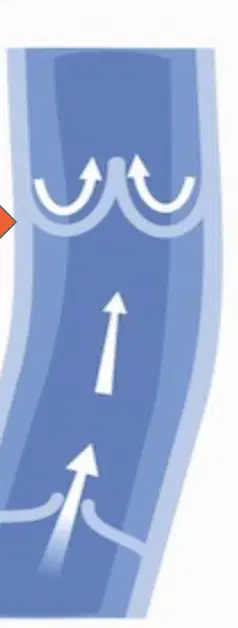
What is the purpose of valves in the veins?
keep blood from flowing in the wrong direction
keep blood pure
transport nutrients and oxygen in the blood
maintain pulse rate
The circulation system is the body's system.
(a)
Arteries are thick-walled because they
need to carry heavy nutrients throughout the body
need to protect the blood from invaders
need to withstand the pressure of the heart pumping blood into them
need to withstand the pressure of oxygen bubbling up
When you (a) you increase your rate of (b) so your (c) may dilate, which means (d) , to bring more (e) and take away more waste products.
Capillaries have thin walls. This allows them to
fit into small spaces in the heart
have valves to keep the blood from flowing in the wrong direction
withstand the pressure of the heart pumping
easily diffuse gases, nutrients, solutes, etc. across the membrane
Blood flow is weaker in the veins than it is in the arteries
true
false
The condition of varicose veins
usually means valves in the veins have been damaged
only happens to women
is because oxygen is too plentiful in the blod
usually means the patient has low blood pressure
Blood comes into veins from (a) , so it is not entering with much (b) . Blood moves in the veins because of (c) and (d) .
Every heartbeat has two contractions. The first is when the (a) contract and the second is when the (b) contract.
The two loops blood makes in the body are (choose 2):
heart through body and back to heart
brain to organs and back to brain
heart to lungs and back to heart
spinal cord to body and back through veins to spinal cord
heart to lungs to body and then back to heart
Air in the lungs has (a) O2 and blood coming from the body has (b) O2, so O2 diffuses from the (c) into the (d) through the (e)
red blood cells
carry oxygen
white blood cells
the body's disease fighters
platelets
rush to the site of a wound
white blood cells
there are different kinds of these that do different things
platelets
produce fibrin
red blood cells
are made of mostly hemoglobin
Which blood type can RECEIVE from the most donors?
A
B
AB
O
Which blood type can DONATE to the most recipients?
A
B
AB
O

