
 Worksheets
Drive and prop shafts Quiz
Total questions: 20
Worksheet time: 10mins
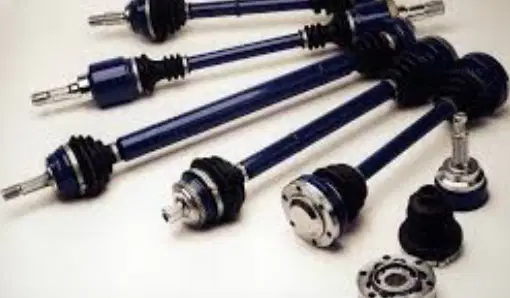
What is the purpose of shafts and couplings in a vehicle?
To transfer power from the engine to the wheels
To increase the speed of the vehicle
To cool down the engine
To provide fuel to the engine
Through which component does the power from the engine pass before reaching the wheels?
Gearbox
Radiator
Fuel tank
Exhaust
What are the two most common types of CV joints?
Ball-type and tripod-type
Roller-type and gear-type
Pin-type and socket-type
Chain-type and belt-type
What components typically make up a CV joint?
Gears, chains, and belts
Cages, bearings, and a housing
Springs, levers, and pulleys
Rods, wheels, and axles
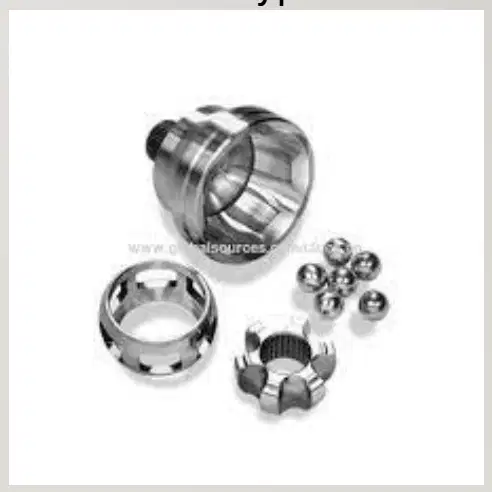
How does a ball-type CV joint maintain constant velocity?
By using a series of ball bearings
By using a series of gears
By using a series of pulleys
By using a series of chains
What motion do CV joints accommodate in vehicles?
Side-to-side motion of the wheels
Up-and-down motion of the suspension
Forward motion of the vehicle
Backward motion of the vehicle
In which type of vehicles are CV joints commonly used?
Rear-wheel-drive vehicles
Front-wheel-drive vehicles
All-wheel-drive vehicles
Two-wheel-drive vehicles
What is the role of CV joints in power transmission?
To increase power output
To ensure smooth power transmission from the engine to the wheels
To decrease power consumption
To store power for later use
Why are CV joints packed with grease and protected by a rubber boot?
To increase the vehicle's speed
To prevent dirt and moisture from entering
To enhance the vehicle's color
To reduce the vehicle's weight
What is the consequence of grease leakage in CV joints?
Increased fuel efficiency
Joint wear and eventual failure
Enhanced vehicle speed
Improved braking performance
What can cause a CV joint to wear out and eventually fail?
Proper maintenance
Damage to the protective boot
Regular use
High-quality materials
What is the effect of a damaged CV joint on a vehicle?
Increased fuel efficiency
Joint wear and eventual failure
Enhanced vehicle speed
Improved braking performance
What is the purpose of the propeller shaft in a vehicle?
To connect the gearbox to the engine
To connect the gearbox to the diff
To connect the wheels to the brakes
To connect the engine to the exhaust
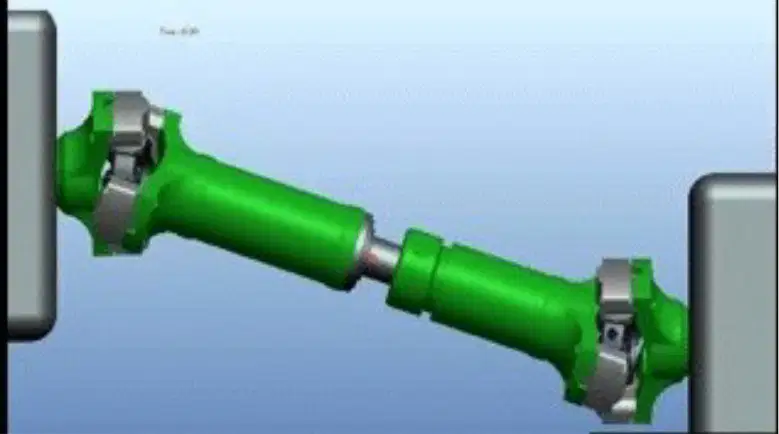
What is the primary function of a propeller shaft in vehicles?
To transmit mechanical power, torque, and rotation from the engine to the wheels.
To increase the speed of the vehicle.
To provide fuel efficiency.
To enhance the vehicle's aerodynamics.
In which types of vehicles is a propeller shaft especially crucial?
Electric vehicles
Rear-wheel drive, four-wheel drive, and some front-wheel drive systems
Two-wheel drive motorcycles
Bicycles
Why is the tube of a propeller shaft often hollow?
To increase weight.
To save weight.
To store fuel.
To enhance the vehicle's color.
What ensures that the prop shaft can handle changes in angle and length?
Gearbox
Differential
Universal joints and slip yoke
Protective boots
What should be checked during the maintenance of the prop shaft?
Engine oil level
U-joints and protective boots
Brake fluid
Tire pressure
What does the prop shaft transmit power to?
Engine
Wheels
Differential
Gearbox
What is the role of the universal joints in the prop shaft?
To increase speed
To handle changes in angle and length
To reduce fuel consumption
To enhance braking

