
 Worksheets
KS3 BCP 8 SYI
Total questions: 90
Worksheet time: 2hrs 55mins


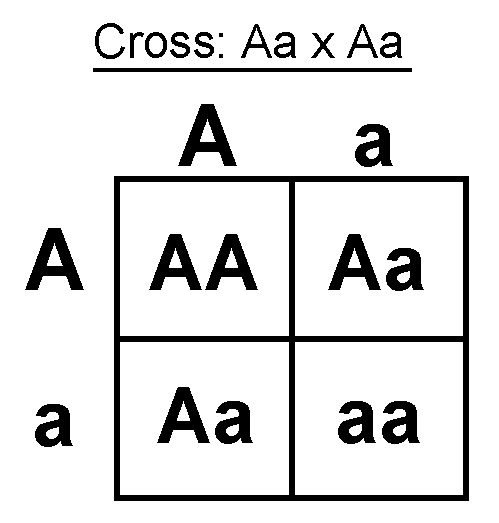
What percent of offspring will have the recessive phenotype?
25
50
75
100
In guinea pigs, the allele for short hair (H) is dominant and the allele for long hair (h) is recessive. When a dominant homozygous male and a heterozygous female are bred together, what is the predicted phenotype ratio for the offspring?
1:1 short hair to long hair
All have short hair
1:3 short hair to long hair
1:3 long hair to short hair
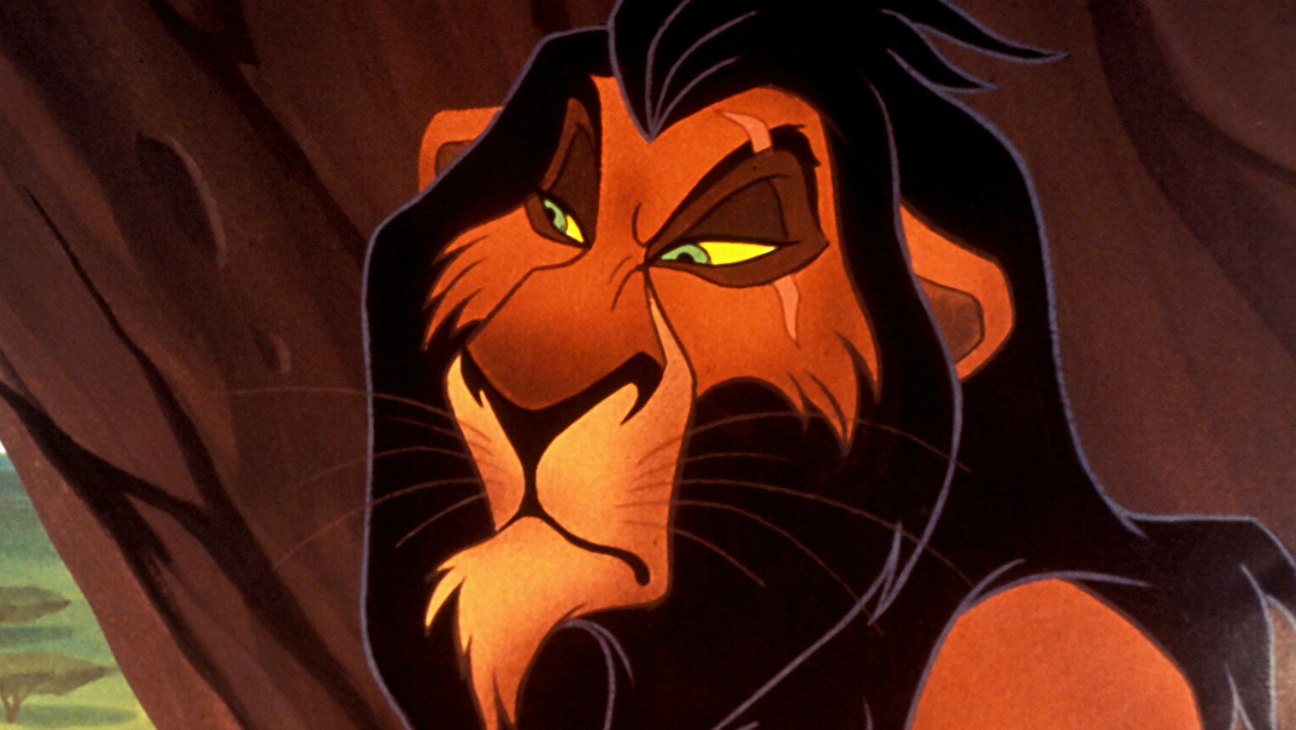
Why does Scar have a scar but his brother Mufasa does not?
Mufasa did not inherit it
The scar gene skipped a generation
The scar is an environmental trait
Mufasa is not his brother

In the punnett square below, what belongs in the missing square

Which of the following are responsible for the traits which a person inherits?
Nucleus
Genes
Cell
Molecule

A complete Punnett square here shows a cross between two mice with different fur color, agouti (A) and black (a). What is the probability of the recessive phenotype being expressed?
25%
50%
75%
100%
An example of an inherited characteristic is:
eye colour
a tattoo
a scar
weight
Selective breeding is...
a process to create an organism with desired traits from parents with those desired traits
natural method of producing offspring with desired traits
creating a new species
making organisms reproduce during times of stress
Which of these is the first step in selective breeding flowers.
Repeat the process only with the offspring with the desired traits
watch the seeds grow
Choose plants that have the desired trait to pollinate
chose which trait is desirable
Suggest a characteristic that would be useful in a new breed of sheep.
leaner meat, quicker growing, greater yield, disease resistance,
fattier meat, slower growing, less wool
disease resistance, less wool, smaller yield
better quality wool, leaner meat, less disease resistance

Genetic manipulation
What is an example of a trait that might be selected for in cows?
High milk production
Small size
Low milk production
Short lifespan
Which of the following is NOT a reason for selective breeding?
To make plants grow slower
To create crops resistant to diseases
To breed friendly pets
To produce cows that give more milk
What is the name of the process in which genes from one organism are transferred into the genome of another organism?
Genetic Engineering
Selective breeding
Artificial selection
Survival of the fittest
Mum is to parent as daughter is to

Selective breeding is where _____________ decides which traits should be passed on.
nature
a human
traits
evolution

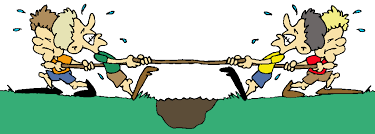

Which two of these forces act on parachutes?
Air Resistance
Gravity
Thrust
Kinetic Energy
What causes an object to fall faster?
Smaller surface area
Larger surface area
If it has a parachute
If it is softer

The more streamlined an object is, the...
More air resistance
Less air resistance
Slower air resistance
Faster air resistance
When a falling object stops accelerating and falls at a constant speed, it is
fluency
constant velocity
acceleration
terminal velocity

Air resistance is a force caused by...
Water pushing against moving objects
Air pushing against moving objects
Gravity pushing against moving objects
Normal force pushing against moving objects
What happens to the direction of an object as an unbalanced force acts on it?
It moves in the same direction as the force.
It doesn’t change direction at all.
It moves in the opposite direction of the force.
Its speed changes.
What happens to the position of an object as an unbalanced force acts on it?
It causes no reaction.
It causes gravity.
It causes movement.
It becomes balanced.
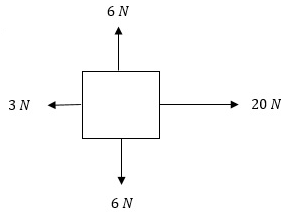
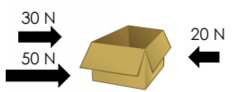
What is the NET FORCE of this diagram?
17 N, right
17 N, left
23 N, right
12 N, up

What are the units of pressure?
N m2
N / m
N m
N / m2

A Force of 200N acts on an area of 50cm2. What pressure does this cause?
4 N/cm2
1000 N/cm2
150 N/cm2
250 N/cm2

What is the purpose of adding iron ore?
As a source of iron
To remove impurities
To react with coke to form carbon monoxide
To reduce iron oxide to iron

Which gas reduces iron ore?
CO
CO2
O2
C
When is electrolysis used?
To extract metals more reactive than carbon
To extract metals less reactive than carbon

Which diagrams A, B, C or D represent elements?
A
B
C
D

Which diagram A, B, C or D represents a compound?
A
B
C
D
Which of the options below is the correct definition of an compound?
One type of atom on its own
Atoms that have bonded between them
Two or more types of atom chemically bonded
Two or more types of atom not chemically bonded

The diagram shows an element because...
(a)
How would you extract iron from haematite (iron ore)?
reduction with carbon
electrolysis
decomposition
oxidation
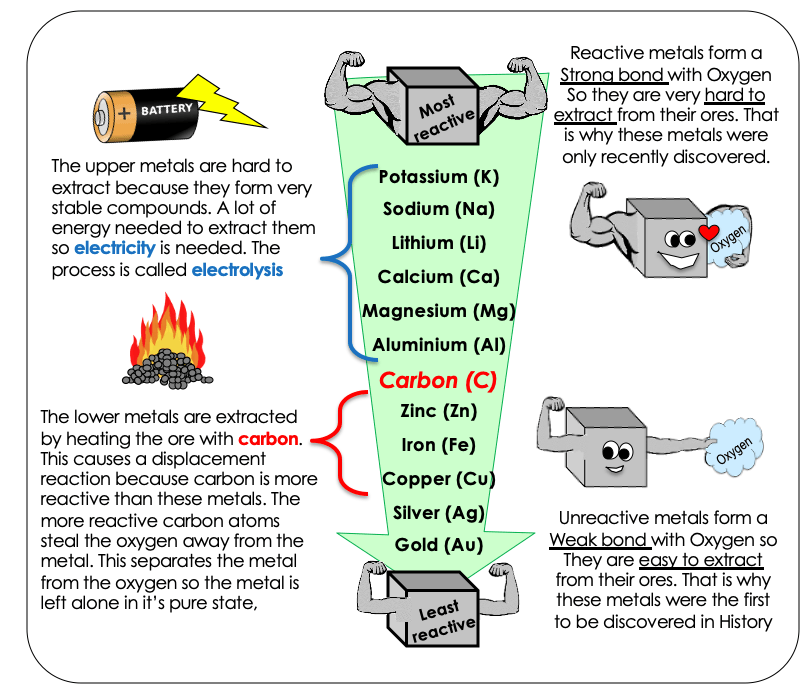
Which element cannot be extracted from its ore by reduction with carbon?
iron
aluminium
copper
zinc
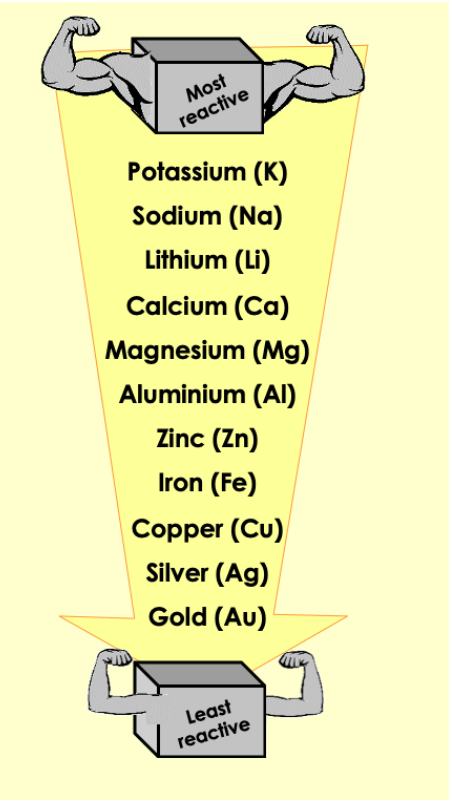
Name a metal that could be extracted from its metal oxide by heating with carbon.
iron
aluminium
gold
magnesium
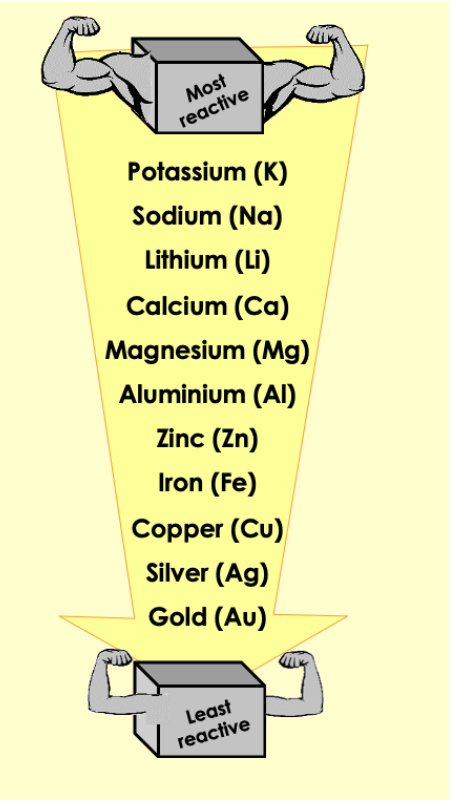
A method of extracting the most reactive metals, like potassium or aluminium.
carbon extraction
fractional distillation
electrolysis
cracking
Copper
CU
Cp
Cu
Cr
Iron
Ir
In
Fe
FE
Potassium
P
K
Pt
k
Gold
Go
Gl
AU
Au

The turning effect of a force is called a
moment
momentum
rotation
pivot

The point at which a lever or see-saw
balances or rotates.
Pivot
Moment
Momentum
Centre

Where is the pivot on a crowbar?
Point A
Point B

Where is the pivot on the wheelbarrow shown?
Point A
Point B

The turning effect of force can make an object to turn in a ________________ and ___________ direction
Clockwise and Anti-clockwise
Up and Down
Right and Left

What TWO things does the
size of a moment depend on?
the force applied
the distance from the pivot
the length of the object
Moment (Nm) =
_______ (N) x __________(m)
Force and perpendicular distance
Energy and perpendicular distance
Momentum and perpendicular distance
Speed and time
What is moment measured in?
Newton metres (Nm)
Newtons (N)
Kilograms (kg)

How could you increase the turning effect of a spanner?
Select TWO answers.
hold the spanner closer to the pivot
hold the spanner further away from the pivot
use less force to turn the spanner
use more force to turn the spanner

A force of 5 N acts on a lever 2 m from the pivot. What is the size of the moment?
10 Nm
7 Nm
3 Nm
2.5 Nm

A force of 12 N acts on a lever 3 m from the pivot. What is the size of the moment?
36 Nm
15 Nm
9 Nm
4 Nm

What is the moment acting on the seesaw?
IF YOU ARE CONFUSED, LOOK BACK IN YOUR BOOK!
1.6 Nm anticlockwise
15 Nm anticlockwise
4 Nm clockwise
16 N clockwise

What is the moment produced by the 15 N?
CONVERT cm into m
1.5 Nm (anti-clockwise)
15 Nm (clockwise)
150 Nm (anti-clockwise)
0.15 Nm (clockwise)
When an object is in equilibrium, the sum of clockwise moments is equal to the sum of the anticlockwise moments. Which law states this?
Law of moments
Newton' law of motion
Law of conservation of energy
Law of conservation of momentum

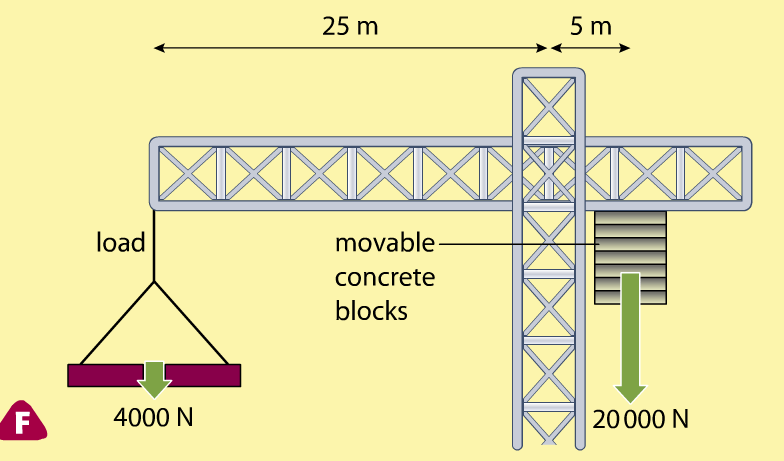
Calculate the weight of the father!
IF YOU ARE CONFUSED, LOOK BACK IN YOUR BOOK!
600 N
800 N
700 N
500 N
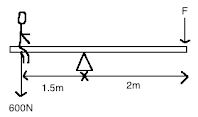
A boy of weight 600N sits on the see-saw as shown at a distance of 1.5m from the pivot. What is the force F required at the other end to balance the see-saw?
450 N
350 N
4.5 N
200 N
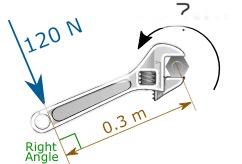
What is the size of the moment shown by the black arrow?
30 Nm
36 Nm
40 Nm
60 Nm


A cube of 200N has a base area of 25cm2 and is resting on a table. What is the Pressure exerted by the cube on the table.
0.8 Pa
8 Pa
0.8 N/cm2
8 N/cm2
A cube of 200N has a base area of 25cm2. What is the volume of the cube?
25cm3
125cm3
250cm3
2500cm3
What is the pressure exerted by a 500N object on a surface area of 50cm2?
50 N/cm2
1 N/cm2
100 N/cm2
10 N/cm2

