
Font size
 Worksheets
6.12C Competition for Biotic & Abiotic Factors
Total questions: 70
Worksheet time: 7hrs 37mins

Termites are tiny insects that can cause severe damage to homes and other structures that consist of wood. Termites are an example of what type of factor.
Biotic
Abiotic

The Sun is the source of all energy within an ecosystem. Plants depend on light from the sun in order to perform the process of photosynthesis. Sunlight is an example of what type of factor?
Biotic
Abiotic

Water is a compound that consists of 2 hydrogen atoms and 1 oxygen atom. Up to 60% of an adult human is made up of water. Water is an example of what type of factor?
Biotic
Abiotic

Air is a mixture of colorless gases. The air that makes up the Earth's atmosphere consists primarily of nitrogen and oxygen. Air is an example of which type of factor?
Biotic
Abiotic

An arctic blast pushed its way through several of the Northern state in the United State. The temperatures dropped below freezing for several days. Temperature is an example of which type of factor?
Biotic
Abiotic

An angler fish has a fleshy growth on its head that gives off light. This part acts as a lure to help the angler fish catch its prey. An anglerfish is an example of which type of factor?
Biotic
Abiotic

All living things or organisms in an ecosystem are
None
biotic factors
abiotic factors

Is a deer an abiotic or biotic factor?
abiotic
biotic

Is a rose an abiotic or biotic factor?
abiotic
biotic

Is a tree considered abiotic or biotic?
Biotic
Abiotic
Neither

Is a rock considered abiotic or biotic?
Abiotic
biotic
neither
What is the difference between the biotic and abiotic factors?
Biotic factors are living things and abiotic factors are nonliving things.
Biotic factors are nonliving things and abiotic factors are living things.
Which is an example of an abiotic factor in a pond environment?
The water
A frog
A grasshopper
A snake
Which is an example of a biotic factor in the environment?
The climate in the region
Carnivores that consume other animals
Amount of helium gas in the air
Flow of water in a river
Which of the following shows an abiotic factor interacting with a biotic factor in the environment?
Lamprey eels survive by attaching themselves to trout.
Water temperature affects its oxygen level.
Low light intensity affects the growth of forest pine trees.
Gypsy moth caterpillars eat the leaves of apple tree.
Which is an example of a seasonal change to a biotic factor?
Temperatures get cooler in the fall.
Hours of sunlight increase the summer.
Birds fly south for the winter.
Rainfall increases in the spring.
A hollow, sealed glass sphere contains sand, water, air, algae, and tiny brine shrimp. The sphere is a model ecosystem. Which of these is a biotic factor of this ecosystem?
air
algae
sand
water
Which of these is a biotic factor in a river ecosystem?
the types of microorganisms that live in the river water
the amount of soil and other particles carried by the river
the speed at which the river water flows toward the ocean
the amount of rain that flows off the land and into the river
In many desert ecosystems, days are hot and nights are cold. Water is scarce, so animals seek water wherever possible. The spines of a cactus are actually leaves adapted to conserve water. The cactus plants have also adapted to live in thin, sandy soil. Which of the following is a biotic component of a desert ecosystem?
the thin, sandy soil
the wide temperature range
the scarcity of water
the spiny cactus leaves
Which of the following is a biotic factor in an ocean ecosystem?
the salt content of the water
the temperature of the water
the fish in the water
the oxygen in the water
Abiotic can be defined as?
An organism that is alive
Non-living parts of the environment
Living Parts of the environment
A new kind of Pokemon that lives with Pikachu
Biotic can be defined as
the living parts of an environment
non-living parts of an environment
rocks and water
snakes and water
Soil is an example of a
Biotic factor
Abiotic factor
competition
herbivorous

Is wind a biotic or abiotic factor?
biotic
abiotic

Is water a biotic or abiotic factor?
biotic
abiotic

Are rocks biotic or abiotic factors?
biotic
abiotic
Which of these is NOT an abiotic factor?
water
temperature
grass
soil
Which of the following is an abiotic factor that plants depend on?
seed-eating birds
insect pollinators
ants building their nests in trees
nutrients in the soil
What makes up an environment?
only biotic factors
only abiotic factors
both biotic and abiotic factors
neither biotic nor abiotic factors
Is a deer an abiotic or biotic factor?
abiotic
biotic
What is the difference between the biotic and abiotic factors?
Biotic factors are living things and abiotic factors are nonliving things.
Biotic factors are nonliving things and abiotic factors are living things.
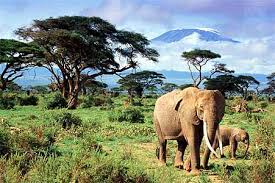
Termites are tiny insects that can cause severe damage to homes and other structures that consist of wood. Termites are an example of what type of factor.
Biotic
Abiotic

A skeleton
Biotic
Abiotic

Sand
Abiotic
Biotic

Fox
Abiotic
Biotic

Mushroom
Biotic
Abiotic

water bottle
Biotic
Abiotic
The Sun is the source of all energy within an ecosystem. Plants depend on light from the sun in order to perform the process of photosynthesis. Sunlight is an example of what type of factor?
Biotic
Abiotic
Abiotic means
living
nonliving
What is the difference between the biotic and abiotic factors?
Biotic factors are living things and abiotic factors are nonliving things.
Biotic factors are nonliving things and abiotic factors are living things.
What is a example of a abiotic factor?
Panda
Bacteria
Butterfly
Weather
Temperature is an example of what kind of factor?
biotic
abiotic
dead
living
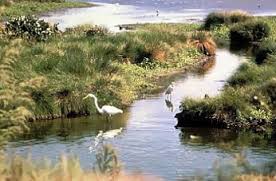
What are the abiotic factors in this image?
water, sunlight, dirt, air
birds, trees, and sunlight
water, trees, and birds
Which of the following is a biotic factor?
sun
temperature
soil
grass
Which of the following is an abiotic factor?
mushroom
air
elephant
coyote
What is an example of a biotic factor?
bear
rocks
soil
water
An organisms in an environment is a
abiotic factor
biotic factor
Lizards and cacti are biotic factors in a desert ecosystem that would rely on which abiotic factors?
insects and sun
water and insects
snakes and temperature
water and soil
Nonliving elements in an ecosystem are called _______________.
biotic factor
abiotic factor
limiting factor
fear factor
Which is an example of an abiotic factor in a pond environment?
The water
A frog
A grasshopper
A snake
Which is an example of a biotic factor in the environment?
The climate in the region
Carnivores that consume other animals
Amount of helium gas in the air
Flow of water in a river
Which of the following shows an abiotic factor interacting with a biotic factor in the environment?
Lamprey eels survive by attaching themselves to trout.
Water temperature affects its oxygen level.
Low light intensity affects the growth of forest pine trees.
Gypsy moth caterpillars eat the leaves of apple tree.
Which of the following is an abioitic factor that could affect biotic factors?
Population of rabbits.
Length of daylight.
Presence of harmful bacteria.
Number of herbivores.
Which is an example of a seasonal change to a biotic factor?
Temperatures get cooler in the fall.
Hours of sunlight increase the summer.
Birds fly south for the winter.
Rainfall increases in the spring.
Select the abiotic factors

Match the following terms with the best description.
Some abiotic factors in an ecosystem
Rock, water, sun, wind
Some biotic factors in an ecosystem
Plants, animals, microbes
Breaks down waste and dead organisms
decomposers
Every food chain begins with this
sun
Makes their own food
producer
Which factors are abiotic in this image?
Which factors are biotic in this image?
Pick the non-living parts of the ecosystem.

Match the following
anything that can meet the need of an organism
resource
the struggle between living things trying to use the same thing to survive
competition
creates its own food
producer
must eat a plant or animal for food
consumer

The living and nonliving things in an environment and all the interactions
population
food chain
ecosystem
community

Two organisms fighting for the same limited resource is called (a)
Ecosystems are made up of....
abiotic factors only
biotic and abiotic factors
air and nutrients only
Non-living things only

