Wayground logo

Free Printable Worksheets

Font size

S
M
L
XL
Worksheets

Identifying Organelles

Total questions: 63

Worksheet time: 2hrs 39mins

Name
Class
Date
1.

Identify the colored organelle

a)

cell wall

b)

cytoplasm

c)

ribosome

2.

Identify the colored organelle

a)

golgi apparatus

b)

ribosome

c)

chloroplast

3.

Identify the colored organelle

a)

chloroplast

b)

nucleus

c)

cytoplasm

4.

Identify the colored organelle

a)

vacuole

b)

nucleus

c)

cell membrane

5.

Identify the colored organelle

a)

cell wall

b)

centriole

c)

mitochondria

6.

a)

nucleolus

b)

chloroplast

c)

golgi apparatus

7.

Identify the colored organelle

a)

cytoplasm

b)

ribosomes

c)

endoplasmic reticulum

8.

Identify the colored organelle

a)

genetic material

b)

nucleolus

c)

cell membrane

9.

Identify the colored organelle

a)

mitochondria

b)

ribosome

c)

nucleus

10.

a)

cell membrane

b)

lysosome

c)

ribosome

11.

Identify the colored organelle

a)

vacuole

b)

chloroplast

c)

nucleolus

12.

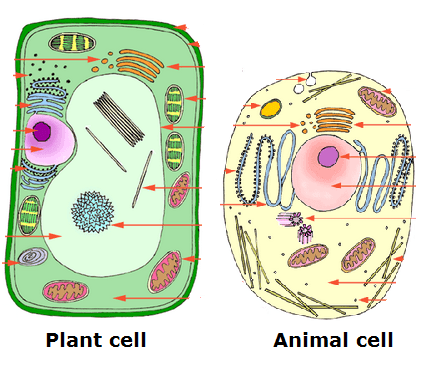
Explain how you know this is a plant cell. What organelles are present or different in the plant and which animal organelles are not present.

4 lines
13.
Directs all cell activities through the DNA located there.
a)
Lysosomes
b)
Nucleus
c)
ribosomes
d)
Mitochondria
14.
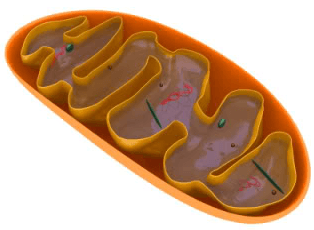
What is the name of the structure shown in the diagram where cellular respiration takes place?
a)
Chloroplast
b)
Mitochondrion
c)
Nucleus
d)
Vacuole
15.
I am a protein packaging and shipping machine! Who am I?
a)
vacuole
b)
ribosome
c)
endoplasmic reticulum
d)
golgi apparatus
16.
What is the name of the genetic material that is inside the nucleus?
a)
ER
b)
ATP
c)
YOLO
d)
DNA
17.
I store water in both plant and animal cells. What am I?
a)
cytoplasm
b)
ribosomes
c)
vacuole
d)
lysosomes
18.
What type of cell is seen in the image?
a)
Animal Cell
b)
Plant Cell
c)
Bacteria Cell
d)
Prokaryotic Cell
19.
What are tiny organelles that convert glucose into ATP?
a)
Ribosomes
b)
Vesicles
c)
Cytoskeleton
d)
Mitochondria
20.
A rigid layer that lies outside the cell's  membrane is...
a)
Cytoskeleton
b)
Cilia
c)
Cell Wall
d)
Flagella
21.
What cell part is NOT found in all cells?
a)
Cell Wall
b)
Cell Membrane
c)
Cytoplasm
d)
Genetic Material
22.
What is the difference between rough and smooth ER?
a)
There is no difference.
b)
Plants have rough ER, animals have smooth ER.
c)
What type of injuries the Doctors treat.
d)
Rough has ribosomes, smooth does not.
23.
I make proteins for the cell. What am I?
a)
ribosome
b)
mitochondria
c)
chloroplast
d)
lysosome
24.
I am one of the structures found only in the plant cell.  What is in the picture?
a)
cell wall
b)
mitochondria
c)
cytoplasm
d)
chloroplast
25.
I am the outer most layer of an animal cell, controlling what enters and leaves the cell. What am I?
a)
cell wall
b)
nucleus
c)
cell membrane 
d)
cell skin
26.

Which organelle is labeled C, and stores DNA?

a)

cytoplasm

b)

cell membrane

c)

cell wall

d)

nucleus

27.
Looks like a maze of passageways. This organelle produces many substances and is always found surrounding the nucleus. The rough parts of this organelle ribosomes stick to.
a)
Golgi Apparatus
b)
Mitochondria
c)
Endoplasmic reticulum
d)
Cell Wall
28.
Most of the cell consists of a thick, clear, gel like fluid that the cell's organelles are suspended in. 
a)
Nucleus
b)
Cell Wall
c)
Ribosomes
d)
Cytoplasm
29.

Only found in Plants, these organelles are filled with a green pigment called chlorophyll.

a)

Cell wall

b)

Chloroplasts

c)

Vacuole

d)

Lysosomes

30.
Only Found in Plants, this organelle has a rigid layer that surrounds cells of plants. Helps protect and support the cell  
a)
Cell Wall
b)
Chloroplasts
c)
Cytoplasm
d)
Cell membrane
31.

Small grain-size organelles.

a)

Lysosomes

b)

Ribosomes

c)

Vacuole

d)

Nucleus

32.

What distinguishes a plant cell from an animal cell? (How do you tell them apart) Hint: There's 3 ways (Check all 3)

a)

Larger Vacuole

b)

Mitochondria

c)

Cell Wall

d)

Ribosomes

e)

Chloroplasts

33.

The clear, jelly-like material in a cell.

a)

Cytoplasm

b)

Cell Membrane

c)

Nucleus

d)

Mitochondria

34.
This organelle is a rigid outer layer that protects plant cells.
a)
Cell Membrane
b)
Cell Wall
c)
Nucleus
d)
Chloroplast 
35.

What organelle can only be found in plant cells?

a)

Cell membrane

b)

Vacuole

c)

Chloroplast

d)

Mitochondria

36.
Cell membranes are found in
a)
Only animal cells
b)
Only plant cells
c)
Some plant and animal cells
d)
All plant and animal cells
37.
True or False: Plant cells have one large vacuole.
a)
True
b)
False
38.

True or False: Animals cells have cell walls and chloroplasts.

a)

True

b)

False

39.

Which organelle is the labeled "1" in this picture?

a)

Nucleus

b)

Cell Wall

c)

Chloroplast

d)

Mitochondria

40.

Which organelle is the labeled "4" in this picture?

a)

Nucleus

b)

Cell Wall

c)

Cytoplasm

d)

Cell Membrane

41.

Which organelle is the labeled "2" in this picture?

a)

Chloroplast

b)

Cell Wall

c)

Cytoplasm

d)

Cell Membrane

42.
Using this image, what organelle is C?
a)
Cell Wall
b)
Mitochondria
c)
Large Cell Vacuole
d)
Chloroplast
43.

I am a flattened collection of tubes or sacs.

a)

vacuole

b)

ribosome

c)

endoplasmic reticulum

d)

golgi bodies

44.
What is the name of the structure shown in the diagram where cellular respiration takes place?
a)
Chloroplast
b)
Mitochondrion
c)
Nucleus
d)
Vacuole
45.

firm, fairly rigid structure found on the outside of

plant cells for support

a)

cell membrane

b)

cell wall

c)

golgi apparatus

d)

chloroplast

46.
Gives the cell a rigid, box-like shape; outside of the cell membrane; in plants.
a)
cytoplasm
b)
chromatin
c)
cell wall
d)
cell membrane
47.
I am the outer most layer of an animal cell. What am I?
a)
cell wall
b)
nucleus
c)
cell membrane 
d)
cell skin
48.

What is the name of this organelle?

a)

mitochondria

b)

golgi bodies

c)

chloroplast

d)

endoplasmic reticulum

49.
What is the picture
a)
ribosome
b)
nucleus
c)
cell wall
d)
mitochondrion
50.

What organelle is this rod shaped structure?

a)

Ribosomes

b)

Vesicles

c)

Cytoskeleton

d)

Mitochondria

51.

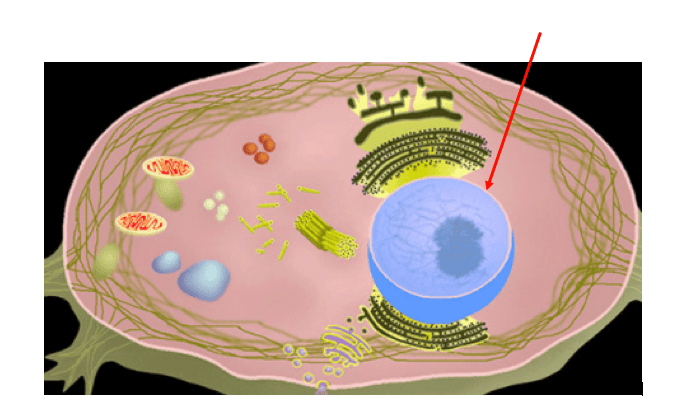
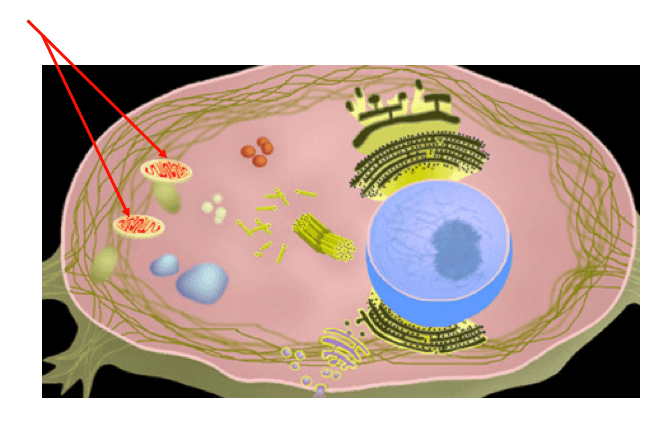
Identify the structure at the end of the arrow.

a)

Mitochondria

b)

Nucleus

c)

Ribosome

d)

Endoplasmic Reticulum

52.

Identify the structures at the bottom of the arrows.

a)

Ribosomes

b)

Golgi Bodies

c)

Mitochondria

d)

Chloroplasts

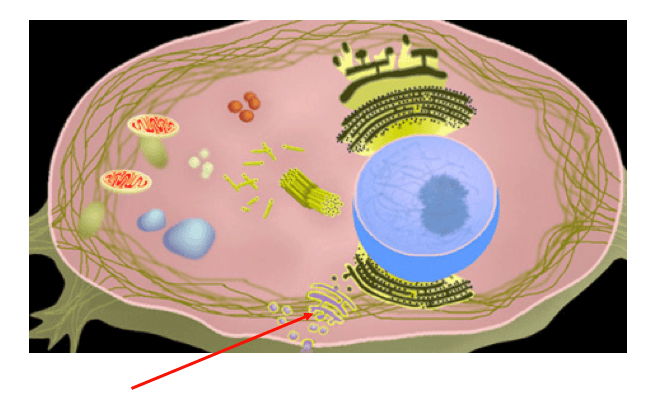
53.

Identify the structure that the arrow is pointing to.

a)

Endoplasmic Reticulum

b)

Golgi Body

c)

Ribosome

d)

Mitochondria

54.

This is an image of a(n)

a)

plant cell

b)

animal cell

55.

What organelle is this?

a)

mitochondria

b)

vacuole

c)

nucleus

d)

cell wall

56.

This is a picture of a(n)

a)

animal cell

b)

plant cell

57.

Which organelle is larger in plants than in animals?

a)

Vacuole

b)

Mitochondria

c)

Chloroplast

d)

Nucleus

58.

Which organelle is colored purple in this photo?

a)

Vacuole

b)

Mitochondria

c)

Nucleus

d)

Ribosome

59.

Which organelle is colored blue in this photo?

a)

Nucleus

b)

Cell membrane

c)

Cell wall

d)

Vacuole

60.

Looking in a microscope, you see cells that have rectangular shapes and a green color. What type of cells are you probably viewing?

a)

plant cells

b)

animals cells

c)

muscle cells

d)

blood cells

61.

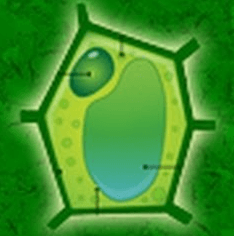
Identify the structure that is indicated by the arrow in the image.

a)

cell wall

b)

central vacuole

c)

chloroplast

d)

cell membrane

62.

The arrow is showing the fluid inside the cell that surrounds the cell organelles . What is the arrow pointing to in the cell?

a)

cytoplasm

b)

mitochondria

c)

ribosomes

d)

nucleus

63.

The tiny cell structures that carry out a specific function within the cell

a)

mitochondria

b)

ribosome

c)

organelle

d)

endoplasmic reticulum