
 Worksheets
COLD BIOMES TEST REVIEW S25
Total questions: 67
Worksheet time: 2hrs 5mins
Biomes are mainly determined by _____ and ____.
temperature
weather
precipitation
soil
rocks
Terrestrial biomes are defined by their...
climate, plants & animals
climate only
animals & plants only
none of these
Which of the following is true of the taiga but NOT the tundra?
The tundra has many species of reptiles.
Elk and caribou often migrate to the tundra at different times of the year.
It is often called the coniferous forest because of the conical trees there.
The subsoil is referred to as permafrost because it is frozen solid all year.

Which of these plant(s) will be found in the Tundra?
Bromeliads
reindeer lichen
artic willow
Saguaro

The weather in a tundra is...
wet
cold/dry
humid
hot/dry

The frozen layer of ground found in the tundra is called __________
loma prieta
mulch
clay
Most tundra plants are __________.
______ do not grow in the tundra.
bushes
lichen
The tundra biome is found:
in northern parts of America, Europe, and Asia
in thick forests of the South
in hot deserts
near the equator

What is the longest season in the northern tundra?
Spring
Summer
Fall
Winter

Which countries are in the Arctic Circle?
U.S
Mexico
Canada
Greenland
What makes a tundra food chain?
grass, arctic hare and wolf
seaweed, fish and pelicans
hamburger, pizza and chips
Where are Tundras located?
Africa, Australia, and South America
Canada, Russia, and near the North Pole
Canada, Australia, And near the North Pole
Africa, Russia, and near the South Pole
Where are Tundras located?
Africa, Australia, and South America
Canada, Russia, and near the North Pole
Canada, Australia, And near the North Pole
Africa, Russia, and near the South Pole

What biome would the animals pictured live in?
Tundra
desret
forest
grasslands
Where is the Arctic located?
The northern most point of the world
The southern most point of the world
The western most point of the world
The eastern most point of the world
How do polar bears catch seals?
They drag them up from their air holes onto the ice.
They dive into the ocean and eat them underwater.
They push them into the water and eat them.
They chase them on the ice.
What can polar bears do very well even though they are the largest land predator in the world?
swim
run
climb
dig in the snow

What happens to ice during global warming?
it freezes
it melts
nothing happens
Which continent is on South Pole?
Antarctica
Arctic
Australia
Asia
At which Pole can you find wolves, foxes, and polar bears?
North Pole
South Pole
What kinds of plants grow at the South Pole?
Mostly mosses
Herbs
Shrubs
climbers

Why are Krill important?
They reflect the sun
Only whales eat them
They are at the bottom of the food chain
They cover the sea floor

What continent is on the map?
Antacta
Antarica
Antartica
Anttartica

Walruses have great eyesight out of water.
False
True
What country is the South Pole located near?
Chile
Colombia
Brazil
Suriname

How long is the wingspan of a wandering albatross?
3.5 meters
6 meters
10 meters
4.5 meters

Elephant seals are the _____________ seal in the world.
largest
smallest
cutest
darkest
Biomes are mainly determined by _____ and ____.
temperature
weather
precipitation
soil
rocks
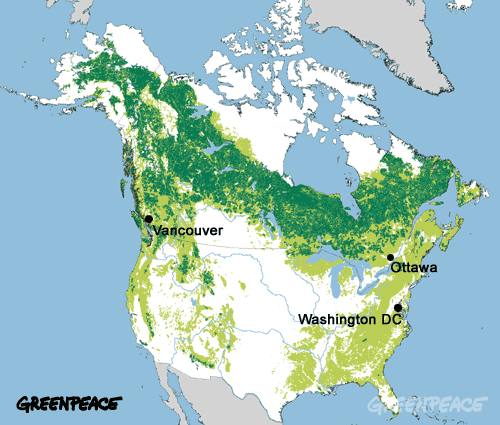

Which of these animal(s) can be found in the taiga forest ?
bald eagle
scorpion
Reindeer
kangaroo rat
chimpanzee

Match the following
when a plant or animal changes physical or behavioral characteristics over many generations to better survive in their environment
adaptation
animals or birds that move depending on the season
migratory
the long-term temperature, humidity, precipitation, wind, etc in an area
climate
have similar ecosystems, climates, vegetation, and wildlife
biome
The weather in a tundra is...
wet
cold/dry
humid
hot/dry

Northern biome with many coniferous trees; very cold temperatures in the winter months.
Taiga (Boreal Forest)
Savanna
Desert
Temperate Rainforest
Types of terrain that you would find in the chaparral would include __________.
Rocky hills
Mountianous slopes
Flat Plains
All of the above
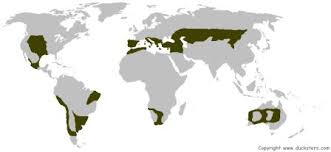
Which map represents Taiga (Coniferous Forest)?
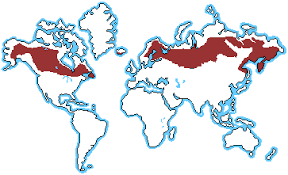
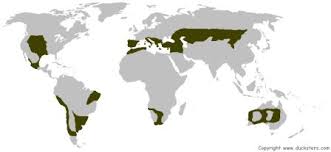
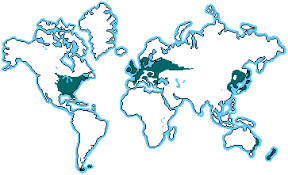
What is the thickness of the ice in the center of Antarctica?
3 kilometers
4 kilometers
5 kilometers
2 kilometers
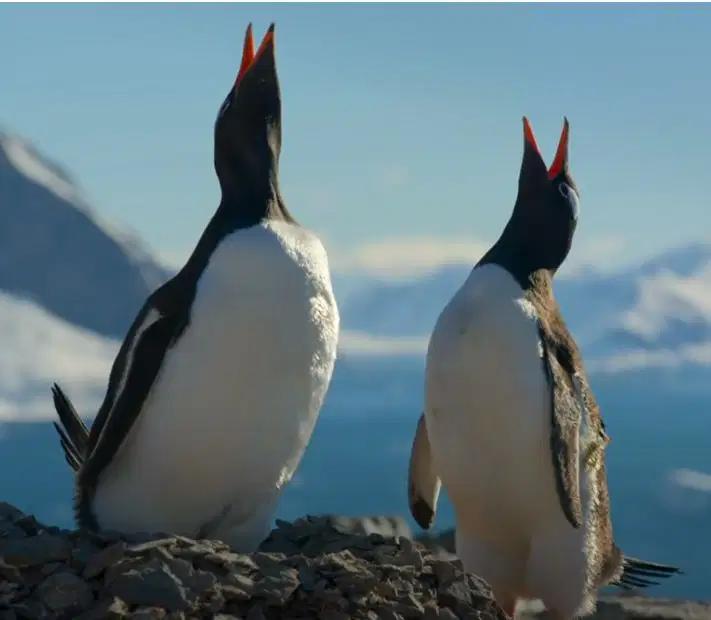
What is the main reason for the increase in the number of Gentoo penguins in Antarctica?
Reduction in predators
Improved nesting conditions
Rise in ocean temperature
Decrease in sea ice

What is the primary food source for humpback whales in the southern hemisphere?
Plankton
Small fish
Squid
Krill
What is the main concern for the future of South Georgia's wildlife?
Rising sea levels
Decrease in kelp population
Increase in land predators
Decline in krill stocks
What is the predicted impact of climate change on the Arctic by 2040?
Complete disappearance of sea ice
No change in the Arctic climate
50% reduction in sea ice cover
Increase in polar bear population
What is the reason for the mass gatherings of walrus on the beaches of Russia?
Lack of space on sea ice
Avoiding predators
Mating season
Hunting for food
What is the main consequence of the retreat of sea ice for the creatures in the Arctic?
Decrease in food supply
Increase in hunting opportunities
Improved breeding conditions
Expansion of habitat
What is the primary food source for blue whales in the Southern Ocean around Antarctica?
seaweed
Small fish
Squid
Krill
What is the predicted impact of global warming on the Antarctic by 2050?
Complete disappearance of sea ice
No change in the Antarctic climate
50% reduction in sea ice cover
Increase in penguin population

What is the main reason for the decrease in the number of polar bears in the Arctic?
Reduction in food supply
Increased hunting by humans
Rise in ocean temperature
Decrease in sea ice
MATCH THE ANIMAL TO WHERE IT LIVES

ARCTIC

ANTARCTIC

ARCTIC
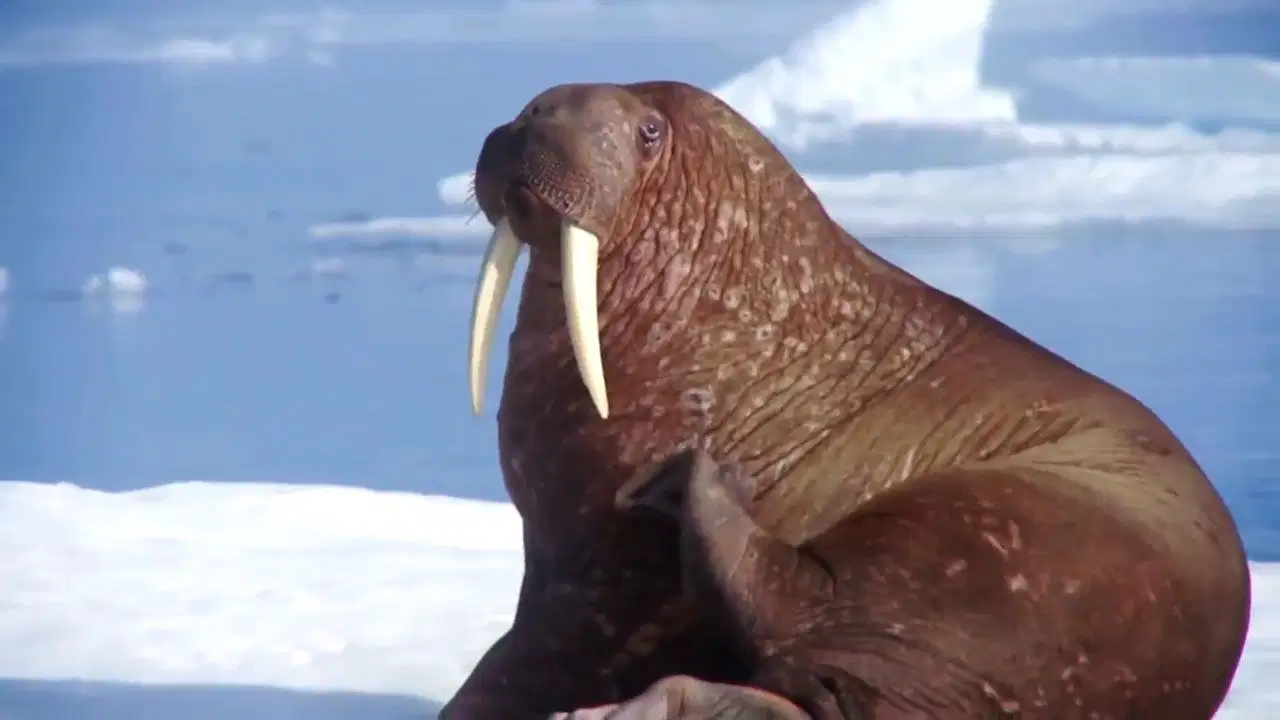
ARCTIC

ANTARCTIC
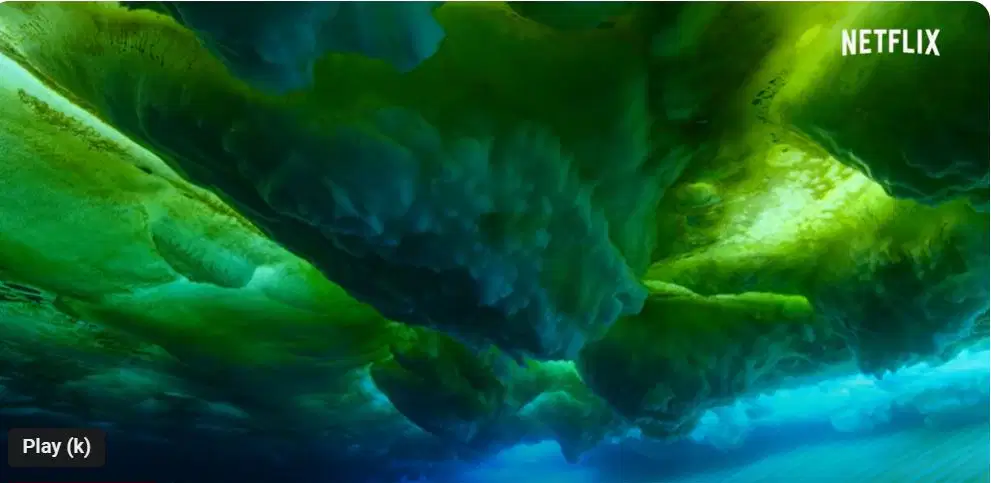
When the ice sheets thin out for the Antarctic spring, they allow light through. This creates a place for _____ to grow which is the foundation of the Antarctic foodweb
kelp
algae
sea grass
moss
Which predator hunts for baby seals within the Arctic Circle?
walrus
albatross
narwhal
polar bear
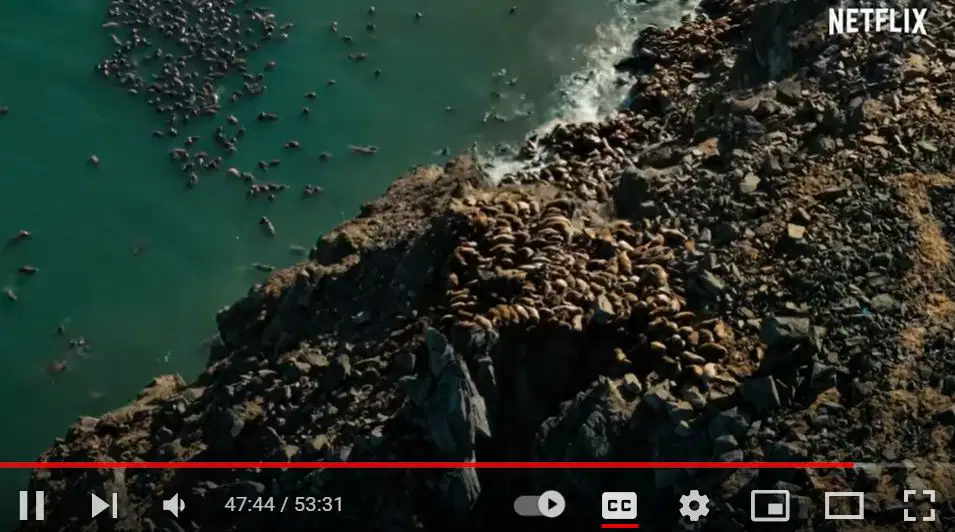
Why did the walruses climb up to the top of this cliff?
they were looking for mates
there is not room for them to rest because the sea ice has melted away
they were migrating
that's how they launch themselves into the water to go hunting

