
 Worksheets
Current Electricity Unit review
Total questions: 65
Worksheet time: 57mins
A 4000-Ω resistor is connected across a 220-V power source. What current will flow through the resistor?
0.055 A
1.8 A
5.5 A
18 A
What potential difference is required across an 8.0-Ω resistor to cause 2.0 A to flow through it?
4.0 V
16 V
8.0 V
32 V

Which unit is used to measure electric current?
Volt
Ohm
Ampere
Watt
If a circuit has a voltage of 9 volts and a resistance of 3 ohms, what is the current flowing through the circuit?
3 amperes
27 amperes
0.33 amperes
12 amperes
If a lightbulb has 1.0 A flowing through it, how many electrons will pass through the filament in 1.0 s?
6.242 x 10^18 electrons
8.75 x 10^18 electrons
12.75 x 10^18 electrons
10.5 x 10^18 electrons
What specifically does resistance reduce the flow of?
Current
Voltage
Electricity
Which of these correctly shows Ohm's law?
V = IR
V = I ÷ R
V = CR
If a current of 10 amperes flows through a 230 volt lamp, what is its resistance?
2300 ohms
23 ohms
23 ohms


What do the arrows in the circuit represents?
conventional current
eletromotive force
electron flow
voltage

the following factors affect resistance of conductor. which one does not
temperature
length of the conductor
diameter of the wire
surface area of the conductor
1 metre of 1 mm diameter wire
0.5 metre of 1 mm diameter wire
0.5 metre of 0.5 mm diameter wire
1 metre of 0.5 mm diameter wire

If the battery produced 12.6 Volts what would be the current flow for a 6 Ohm resistor?
2.1 Amps
2.4 Amps
1.71 Amps
15 Amps
What is the power consumed by a lamp whose current is 6.0 A and the lamp has a resistance of 4.0 ohms?
144 W
120 W
24 W
1.5 W
According to Ohm's Law, what is the relationship between current and potential difference?
No Relationship
Directly Proportional
Exponential Relationship
Inversely Proportional
What is the flow of electric charges called?
Voltage
Resistance
Electric Current
Power
Which type of circuit has more than one pathway?
Calculate total current in a parallel circuit with an 18 V battery, a 200 ohm resistor and a 350 ohm resistor.
0.14 A
0.0079 A
127.24 A
0.033 A
If resistors are parallel they have the same_______?
current
resistance
voltage
nothing
If resistors are in series they have the same_______?
current
resistance
voltage
nothing

Calculate the total resistance of the circuit.
13 kilo-ohms
0.625 kilo-ohms
1.6 kilo-ohms
0.077 kilo-ohms
What is the same at all points in series?
Current
Voltage
Resistance
Power
What is the same at all points in a Parallel Circuit?
Current
Voltage
Resistance
Power
What is this formula used for? R1+R2+R3...=Rt
Finding total resistance in parallel
Finding total current in series
Finding total resistance in series
Finding total voltage in parallel
What is this formula used for?
R1XR2/R1+R2=Rt
Finding total resistance in any parallel circuit
Finding total resistance in a parallel circuit with only two resistors
Finding total resistance in a parallel circuit when all of the resistors are the same value
Finding total resistance in a series circuit
What does I stand for
Voltage
Current
Resistance
Power
What is the total resistance if 1/R = 1/10 + 1/5?
2 ohms
3.33 ohms
15 ohms
5 ohms
If a series circuit of three bulbs is rearranged into a parallel circuit, what will happen to the brightness of three bulbs
The bulbs will turn off due to an incomplete supply of electricity.
All three bulbs will have the same amount of luminosity once rearranged into a parallel circuit but will be dimmer than in parallel.
All three bulbs will have the same amount of luminosity once rearranged into a parallel circuit but will be brighter than in parallel.
The bulb next to the battery will be brightest and each bulb will be dimmer than the one before.
6.43 ohms
1.85 ohms
0.32 ohms
1.53 ohms
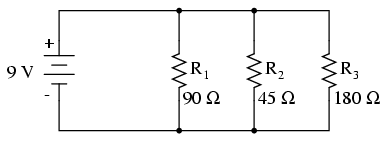
Does this statement best describe a parallel or a series circuit.
When more light bulbs are added they all remain the same brightness.
The unit which resistance is measured is .....
Volts
Amps
Coulombs
Ohms
Potential difference is another name for .......
Current
Resistance
Voltage
Charge
If you increase the length of a wire then the resistance will.....
decrease
increase
stay the same
If you increase the diameter of a wire then the resistance will.....
decrease
increase
stay the same


Solve for the total resistance of the circuit shown
50 V
1970 ohms
705 K ohms
20 Amps
This circuit has only one path for current to flow
series
parallel
combination
split


This electrical symbol represents...
bulb
switch
motor
buzzer
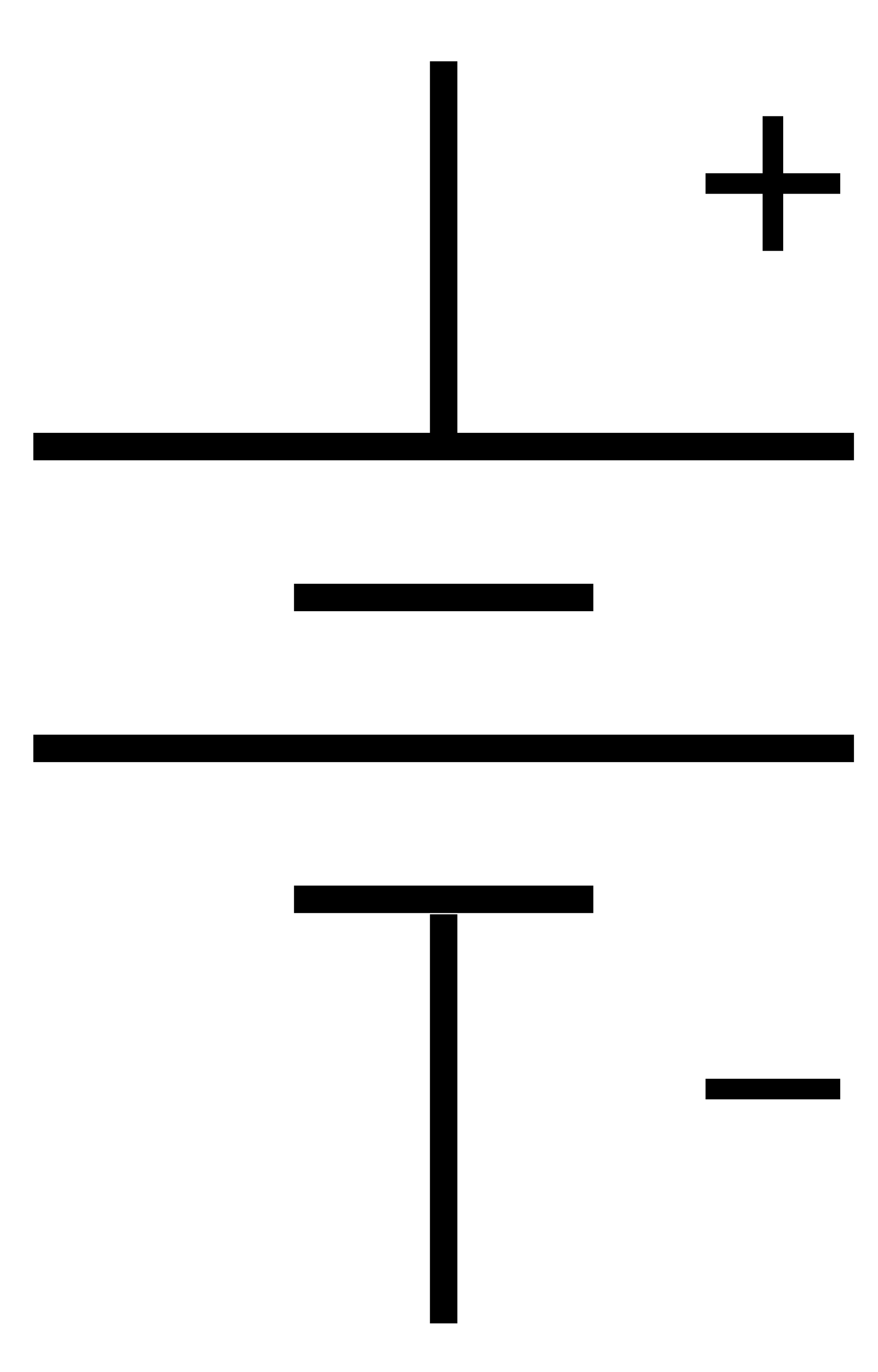


What does this symbol represent?
Battery
Circuit
Load
Resistor
What does an ammeter measure?
Current
Voltage
Resistance
What does a voltmeter measure?
Current
Voltage
Resistance


