
 Worksheets
Ecosystem review
Total questions: 76
Worksheet time: 2hrs 48mins

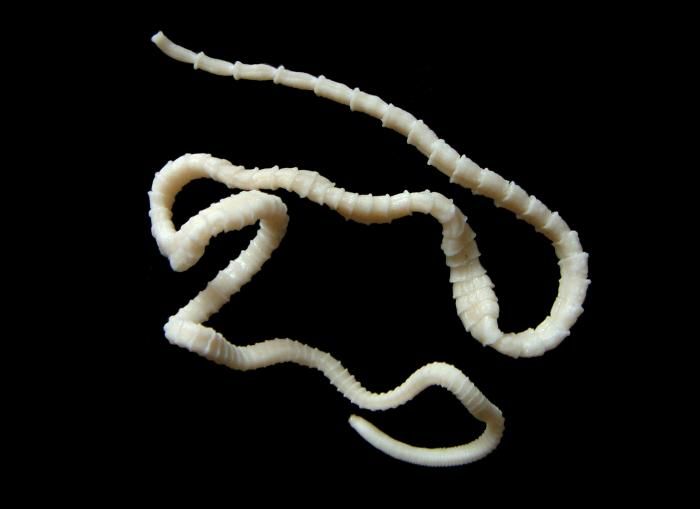
A tapeworm lives in the intestine of a cat absorbing nutrients through its skin. A tapeworm and a cat have this type of relationship.
mutualism
parasitism
commensalism
competition
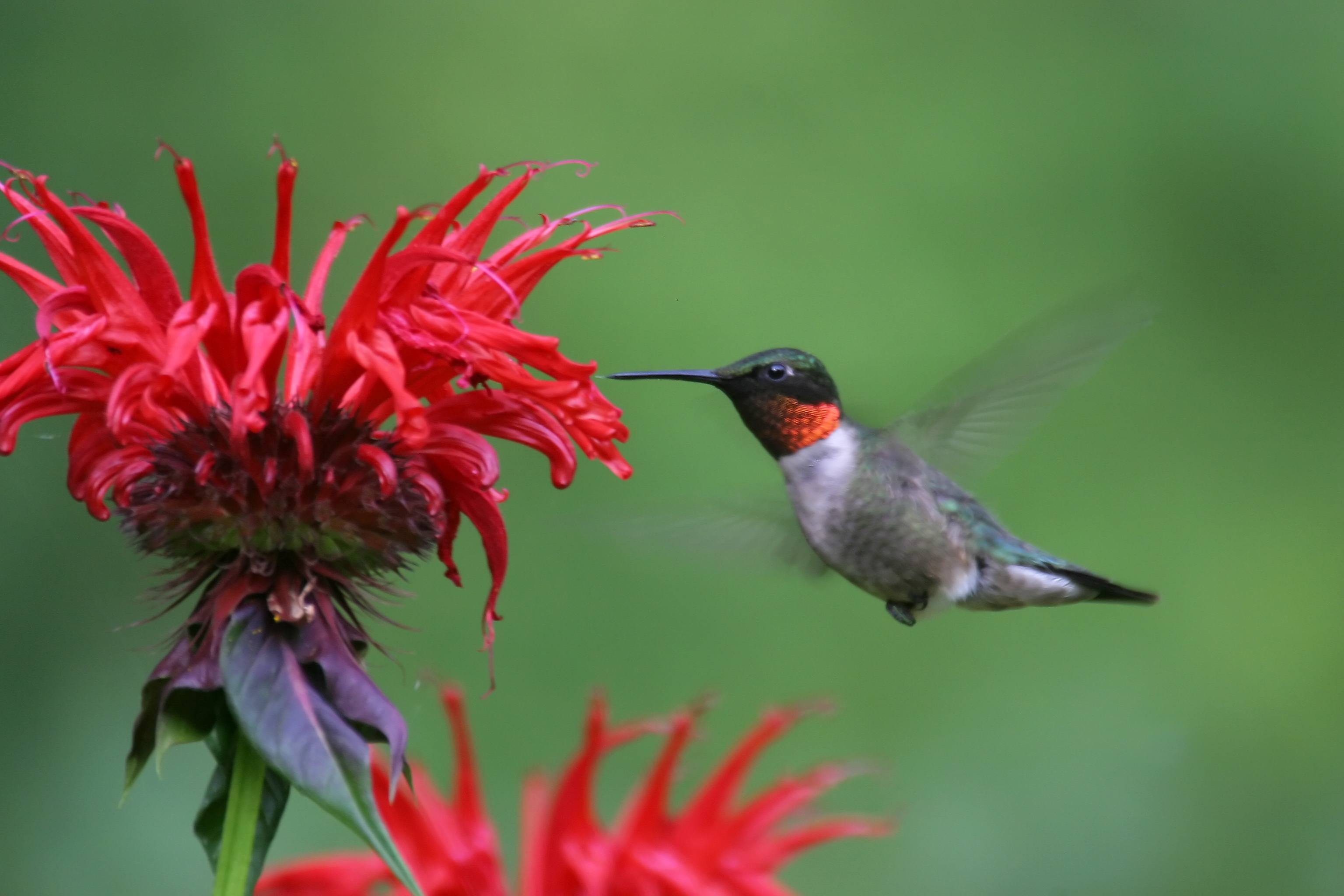
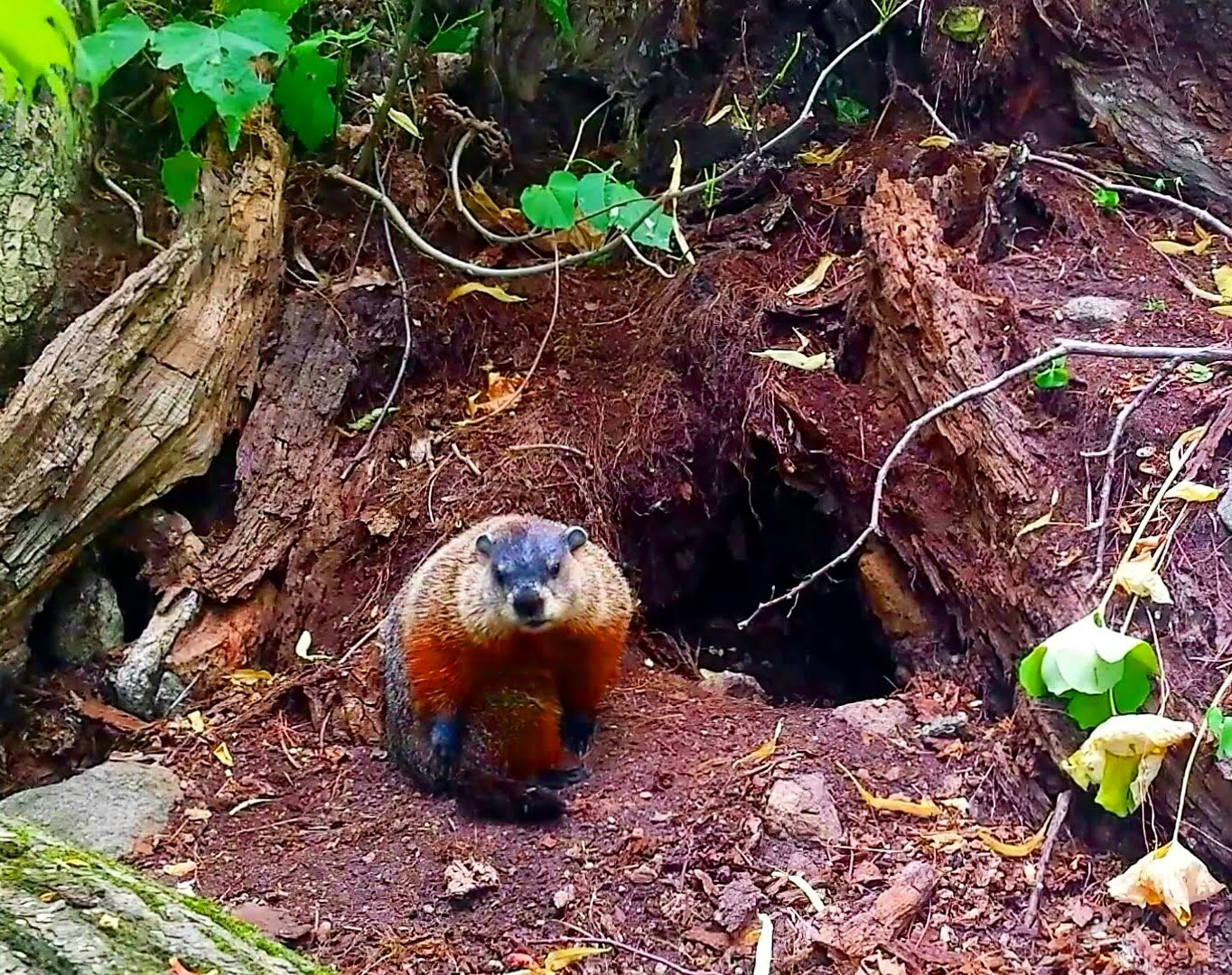
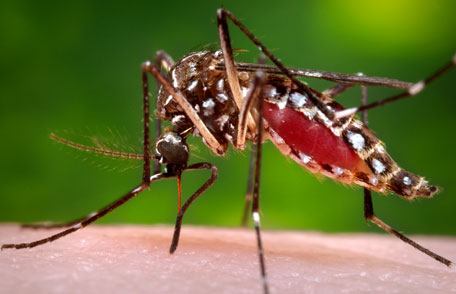

Mockingbirds will push the eggs out of a blue bird's nest and use the nest for it's own babies illustrating...
commensalism
parasitism
mutualism
predation

Clown fish live among anemones, acting as a lure for the sea anemone's prey. The clown fish get protection and shelter from the anemone. This is an example of which type of symbiosis?
Commensalism
Mutualism
Parasitism

A bee and a flower work together to benefit each other. This is an example of a ______. The bee helps the flower by pollinating it and the flower helps the bee by providing it with nectar.
commensalistic relationship
parasitic relationship
mutualistic relationship

What are the living and nonliving things in an environment or area?
predator
producer
ecosystem
abiotic factor
An organism that can make its own food
decomposer
producer
consumer
Breaks down and feeds on the remains of other organisms
decomposer
consumer
producer
Small consumers that are hunted and eaten by larger consumers
producer
prey
predator
Interacting food chains found in an ecosystem
food web
food chain
predator
An animal that hunts and eats other animals for energy
prey
predator
decomposer
These organisms cannot make their own food; they must eat something for energy
decomposer
consumer
producer
NON-living things found in an ecosystem
biotic
abiotc
habitat
LIVING things in an ecosystem
biotic
abiotic
ecosystem
Choose the producer.
rock
tree
cow
bird
Choose the decomposer.
grass
elephant
bacteria
bird
Choose the consumer.
mushroom
horse
tree
grass
Choose the abiotic factor.
sunflower
dog
cat
table
Where does the food chain START?
with consumers that eat grass
with the sun giving energy to producers
with the sun giving energy to consumers
with consumers eating other consumers
A decomposer is also a producer.
True
False
Which of the following are factors that could cause extinction?
Destruction of animals' habitat
Climate change
Pollution
Increased human population (more people)
ALL of the above could cause extinction
What is scarcity and how could it affect an ecosystem?
Too many animals or plants in an area can cause the ecosystem to fail.
Too many animals or plants in an area can cause the animals to be too fat.
Too few animals or plants in an area can cause other animals to go hungry or die.
Too few animals or plants in an area can cause pollution.
Which of these living things is a producer?
horse
cow
fly
grass
Mice and grasshoppers are examples of prey.
True
False
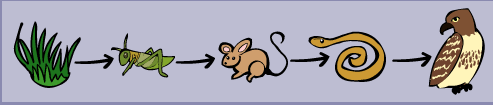
Explain the flow of energy in this food chain (who passes energy to who).
The hawk gives energy to the snake. The snake gives energy to the mouse. The mouse gives energy to the grasshopper who gives energy to the grass.
The mouse gives energy to the hawk. The snake gives energy to the grasshopper. The grass gives energy to the snake.
The grass gives energy to the grasshopper. The grasshopper gives energy to the mouse. The mouse gives energy to the snake who gives energy to the hawk.

Where does the food chain START?
with consumers that eat grass
with the sun giving energy to producers
with the sun giving energy to consumers
with consumers eating other consumers
Which of the following are factors that could cause extinction?
Destruction of animals' habitat
Climate change
Pollution
Increased human population (more people)
ALL of the above could cause extinction
Breaks down and feeds on the remains of other organisms
decomposer
consumer
producer
Which is not an element of biodiversity?
Ecosystem diversity
Species diversity
Genetic diversity
Habitat diversity
An oak tree is a/an...
Producer
Primary Consumer
Secondary Consumer
Decomposer
Biomes have which of the following in common? (You can choose more than one)
Plants
Animals
Climate
Terrain
Which symbiotic relationship is when one organism benefits and the other is not impacted (positively or negatively)?
Predation
Mutualism
Commensalism
Parasitism
Which of the following is not part of the classification community?
Fox
Tree
Sun
Bear

What role do bobcats play in a forest food web?
Bobcats break down dead plants and animals and return nutrients to the soil
Bobcats are consumers of marmots and grouses
Bobcats produce their own energy
Bobcats are predators of grasses and berries

A wetlands food chain is shown, which table show the correct role of each organism?


Which type of organism is missing from this food web?
Decomposer
Predator
Consumer
Producer

How many types of organisms in this food web obtain energy directly from producers?
One
Two
Three
Four

What role do turkeys play in this food web?
Decomposer
Predator
Consumer
Producer

Which table shows the correct role of organisms in the food web?


In this food web, energy is transferred directly between--
mosquitoes and mudskippers
kingfishers and mangrove crabs
prawns and mosquito larvae
kingfishers and mangrove trees

Based on the information in the food web, which of the following food chains shows one way energy flows in this ecosystem?


which statement correctly describes the transfer of energy in a food chain in this ecosystem?
energy is transferred from berries to bears to elk
energy is transferred from grasses to marmots to bobcats
energy is transferred from bobcats to grouses to grasses
energy is transferred from grasses to elk to grouses

Based on the information in the table, which of the following food chains shows one way energy flows in this ecosystem?


Which organisms in this food web only eats producers?
Fruit bats and bandicoots only
insects and fruit bats
rufous owls, bandicoots and pythons only
insects only

Which organisms in this food web eat only consumers?
spider monkey and butterfly only
spider, poison dart frog and butterfly only
jaguar, carcara, spider and poison dart frog only
poison dart frog and jaguar only

Which change would most likely occur if all the producers in this ecosystem were removed?
The populations of consumers would increase
the producers would move to a new location
to populations of consumers would decrease
Pacus would become producers.

Which organisms do not directly consume another organism for energy?
Ravens and Quails
Kangaroo rats and crickets
cacti and seeds
gila monsters and desert tortoises
People are part of food chains. What is the role of people in a food chain?
Carnivore
Consumer
Decomposer
Producer
At each level of an energy pyramid, most of the energy received from the lower level is used for life processes. Only a little is stored and can be passed up to the next level. Which of the following statements is correct?
One snake can feed many hawks
Hawks should eat grass to obtain the most energy
There must be the same number of plants as animals
Producers are the most numerous group of organisms
Which of these is a first level consumer?
A bush
A cat
A deer
A fox
What does a food web show?
How predators catch prey
What food organisms eat
Why organisms find food
When organisms seek food
Which kind of diagram shows how much energy passes along as one organism consumes another?
Carbon Dioxide-Oxygen Cycle
Energy Pyramid
Food Chain
Food Web
Which of these shows the flow of energy in a food chain?
Consumer --> Plants --> Producers
Sun --> Consumers --> Producers
Producers --> Predators --> Consumers
Producers --> Consumers--> Decomposers
Which type of consumer eats only plants?
Producer
Herbivore
Carnivore
Omnivore
Which type of consumer eats only animals?
Producer
Herbivore
Carnivore
Omnivore
Which type of consumer eats both plants and animals?
Producer
Herbivore
Carnivore
Omnivore

