
 Worksheets
Physical Component Fitness
Total questions: 24
Worksheet time: 12mins
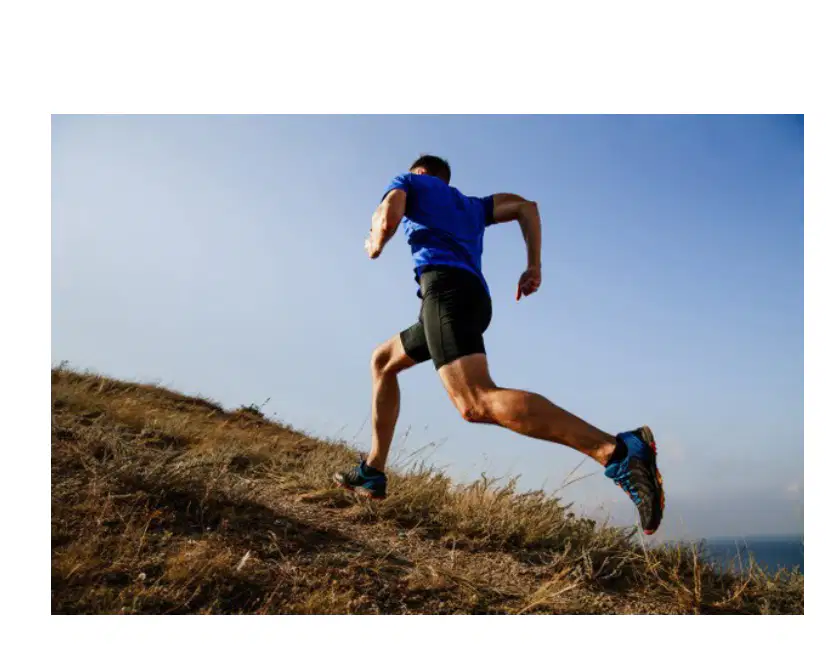
What is aerobic endurance?
The ability to lift heavy weights for a short period.
The ability of the cardiorespiratory system to supply oxygen and nutrients to the muscles to sustain low to medium intensity work to delay fatigue.
The ability to perform high-intensity work for a short duration.
The ability to increase muscle mass quickly.

What would happen in sports like long distance running and team games if you didn’t have good aerobic endurance?
You would excel and outperform others.
You would tire quickly and struggle to maintain performance.
You would have no impact on your performance.
You would become faster over time.

What is muscular endurance?
The ability of the muscular system to contract at high intensity for short periods.
The ability of the muscular system to contract at a light to moderate intensity for long periods.
The ability of the muscular system to relax quickly after contraction.
The ability of the muscular system to contract without any intensity.
What would likely happen in long distance cycling if you didn't have good muscular endurance?
You would finish the race faster.
You would struggle to maintain speed over time.
You would have more energy at the end.
You would find it easier to climb hills.
In rowing, what is a potential consequence of lacking muscular endurance?
Improved stroke technique.
Increased risk of injury due to fatigue.
Faster recovery between races.
Enhanced upper body strength.

How does poor muscular endurance affect swimming performance?
It allows for quicker turns.
It leads to early fatigue and slower times.
It improves breathing efficiency.
It enhances sprinting ability.
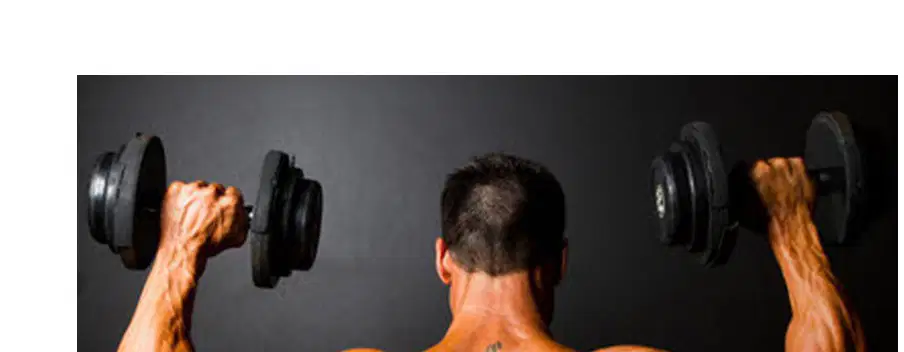
What is muscular strength?
The ability to sustain prolonged physical activity
The maximum force generated by a muscle or muscle group
The flexibility of muscles during movement
The endurance of muscles over time

What would happen in a rugby scrum if you didn’t have good muscular strength?
You would easily push the opposing team back.
You might struggle to maintain your position.
You would be able to lift the ball effortlessly.
You would run faster than other players.
In weightlifting, what is a likely consequence of lacking good muscular strength?
You would lift heavier weights than others.
You might drop the weight or fail to lift it.
You would have better balance.
You would perform more repetitions easily.

What is the formula for calculating speed in the context of sports?
Time divided by distance
Distance divided by time
Distance multiplied by time
Time minus distance
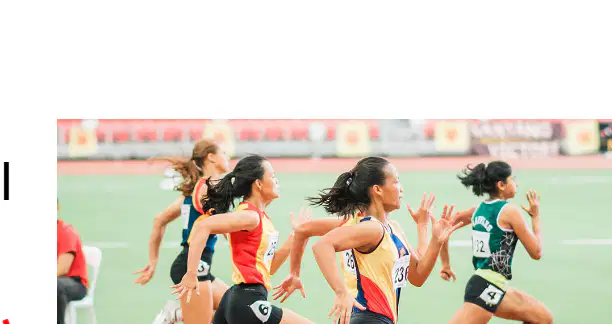
What is a potential consequence in a 100m race if an athlete lacks a good level of speed?
The athlete may finish first.
The athlete may not finish the race.
The athlete may finish last.
The athlete may be disqualified.
In football, what might happen if a player does not have a good level of speed when trying to beat an opponent to the ball?
The player may reach the ball first.
The player may lose possession of the ball.
The player may score a goal.
The player may be awarded a penalty.

What is flexibility in the context of physical education?
The ability to lift heavy weights.
The range of motion possible at a joint to allow improvements in technique.
The speed at which a person can run.
The endurance to perform activities for a long time.
What is a potential consequence in gymnastics if an athlete lacks flexibility?
Improved balance
Increased speed
Difficulty performing splits
Enhanced strength

How might a lack of flexibility affect a goalkeeper in football?
Better ball control
Difficulty reaching high for a cross
Faster running speed
Improved kicking accuracy
Why is flexibility important for performing the splits in gymnastics?
It helps in maintaining balance
It allows for greater range of motion
It increases muscle mass
It improves cardiovascular endurance
What could be a result of poor flexibility in a football goalkeeper?
Enhanced jumping ability
Difficulty in reaching for high balls
Improved reflexes
Better coordination
What role does flexibility play in a gymnast's performance?
It reduces the risk of injury
It decreases agility
It limits movement
It slows down performance
What is the relative ratio of fat mass to fat-free mass in the body known as?
Body Composition
Body Density
Body Flexibility
Body Strength
How does body composition vary?
It varies depending on the sport.
It remains constant regardless of activity.
It changes only with age.
It is the same for everyone.
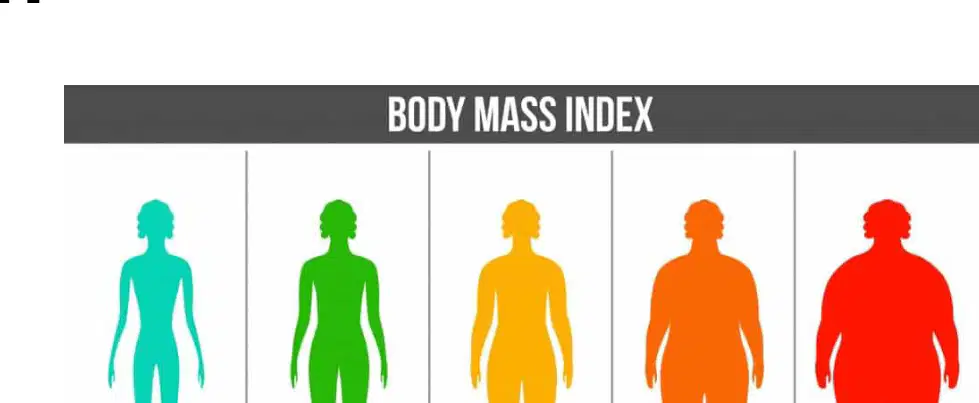
Which of the following is NOT a category in the Body Mass Index diagram?
Underweight
Normal
Athletic
Extremely Obese
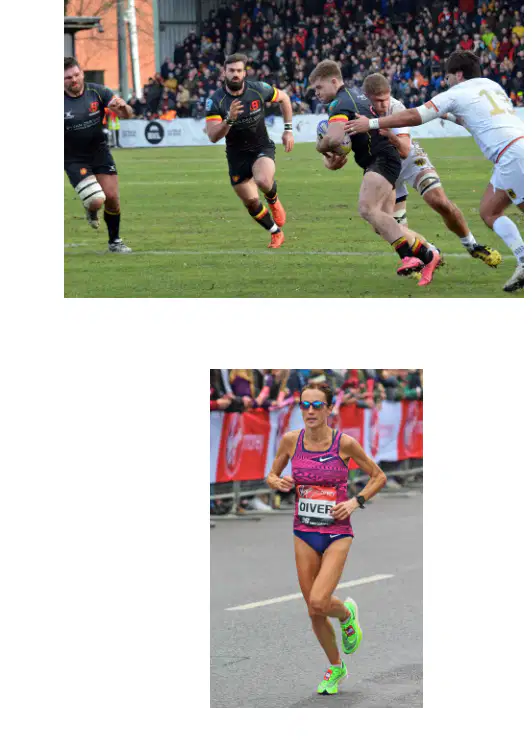
What is the body composition typically associated with a marathon runner?
Endomorph
Mesomorph
Ectomorph
Polymorph
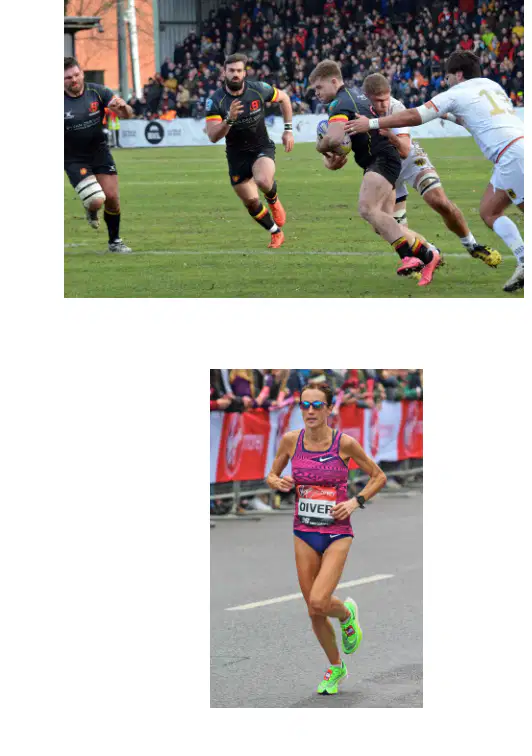
Which body type is most suitable for a rugby player?
Ectomorph
Mesomorph
Endomorph
Amorphous
What could be a potential consequence in sports if an athlete does not have the correct body composition?
Improved performance
Increased risk of injury
Enhanced endurance
Faster recovery

