
 Worksheets
Genetics
Total questions: 47
Worksheet time: 35mins
What is a trait?
A type of organelle found within a cell.
Our talents that make us behave the way we do
Traits are the physical things that make us look the way we do, they may influence how we behave, and also our talents, abilities, and disease risks.
Inheritable talents that are passed on in our families
The passing of inherited traits from parents to offspring
acquired traits
inherited traits
heredity
genetics
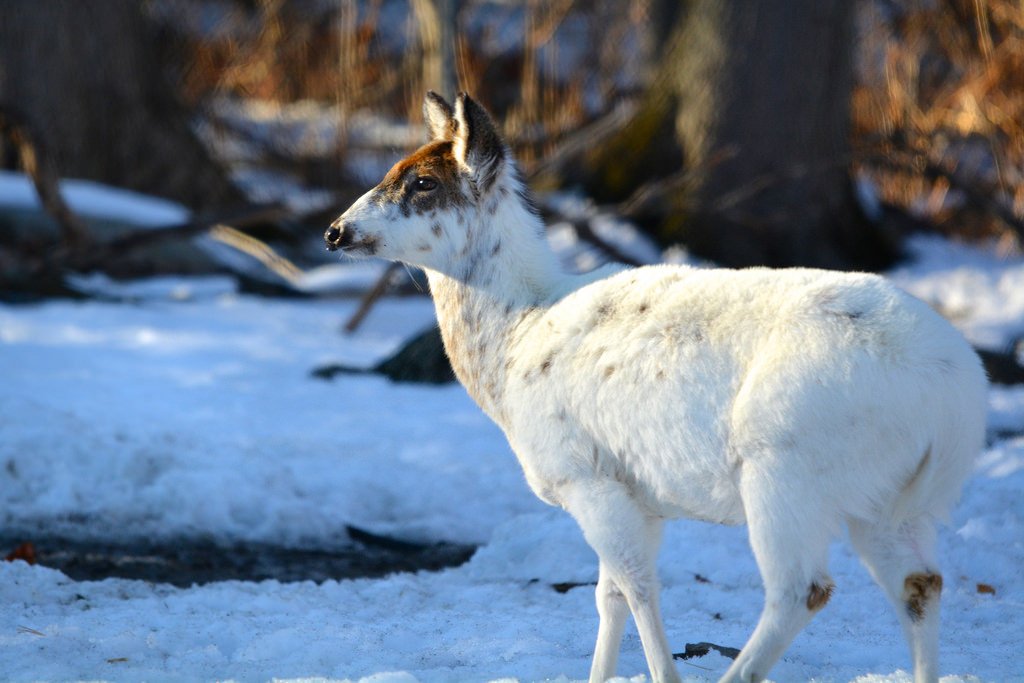
The hidden form of an inherited trait
dominant trait
recessive trait
purebred
hybrid
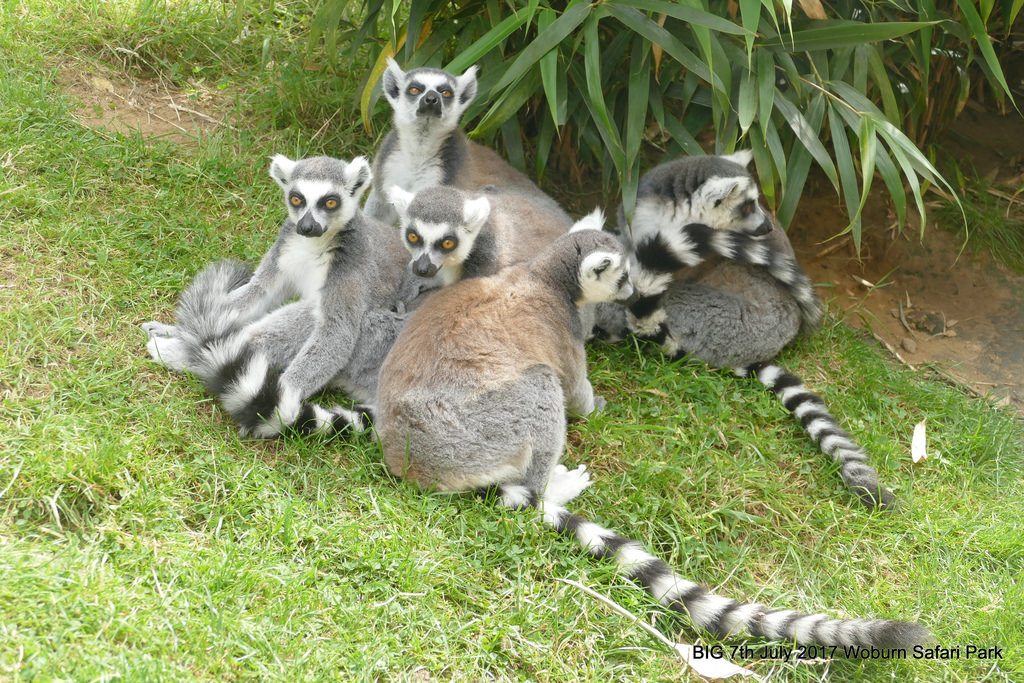
The form of an inherited trait that masks the other form of the same trait.
dominant trait
recessive trait
purebred
hybrid

What is the probability of heterozygous offspring?
0%
100%
50%
25%
Capitol letters of an allele represent?
Dominant
Trait
Recessive
Percentage

Each individual square is worth what percent?
25%
50%
10%
100%

Which genotype below best fits in box 2?
BB
Bb
bb
bB
The different forms of a gene are called
traits
chromosomes
alleles
peas
The genotypes AA and Aa always show up as the __________ phenotype.
dominant
recessive
G = green, g = yellow
The genotype for a yellow plant is...
GG
Gg
gg
all of the choices result in yellow
Heterozygous is when...
the alleles are the same.
the alleles are different.
the alleles are absent.
the alleles are present.
What type of "square" helps us solve genetic problems?
carpenter square
Mendel square
Punnett square
genetic square
TT,tt,PP,pp,SS,ss are examples of alleles that are?
homozygous
heterozygous
different
homologous
What is a trait?
A physical characteristic passed down from your mom
A behavioral characteristic passed down from your dad
A physical or behavioral characteristic passed down from your parents
A behavioral characteristic passed down by your mom
What is a phenotype?
Pair of alleles that determine a trait
Observable physical trait
Different forms of a gene
Heterozygous: Different, Homozygous:_____________
The same
Less Than
Greater Than
4 copies
Who is considered the "father" of modern genetics?
Einstein
Mendel
Disney
Washington
Aa is
homozygous (purebred)
heterozygous (hybrid)
The genetic makeup of a trait. (The letters represent this)
Genes
Phenotype
Genotype
Characteristics
If a trait is homozygous the letters are the
Same
Different
If a trait is heterozygous, the letters (alleles)are
The same
Different
If you are heterozygous, your genotype would be
AA
aa
Aa
Another term for homozygous is
Hybrid
Purebred
Recessive
Dominant
Another term for heterozygous is
Hybrid
Purebred
Dominant
Recessive

David and his mother are both good dancers. Which characteristic did David MOST likely inherit from his mother?
Rhythm
Sense of style
Long legs
Perfect shoes

Big (B) is dominant over small (b). What percent of the offspring will be small?
25%
50%
75%
100%

Green (G) is dominant over yellow (g). What percent of the offspring will be Green?
0%
25%
50%
100%

When two hybrids are crossed, what percent of the offspring will show the weaker recessive trait?
25%
50%
75%
100%
Which is homozygous recessive?
ee
Hh
PP
Vv
Genotype or phenotype: Rr
genotype
phenotype
genotype or phenotype: curly hair
genotype
phenotype
genotype or phenotype: nn
genotype
phenotype
Who was Gregor Mendel?
A famous physicist.
The astronomer who discovered Pluto.
A priest considered the Father of Genetics.
A biologist who discovered viruses.
What did Mendel use for his experiments?
Planets.
Lemon trees.
Pea plants.
Humans.
What was Mendel's big discovery?
Traits are Not passed on to offspring.
Traits can be masked in one generation and show up in a future generation.
Pea plants have flowers.
Pea plants produce peas.
What do we call the specific characteristics of an organism such as hair color, eye color, height, weight, etc?
Traits
Attributes
Features
Qualities
Virtues

the passage of genetic instructions from one generation to the next
genotype
parent
heredity
offspring

the study of heredity
humanity
inheritance
biology
genetics

a characteristic
examples: hair color, eye color, height
phenotype
homozygous
offspring
trait

T - tall and t = short
In the punnett square below, what belongs in the missing square
tt
Tt
Bb
TT

What is the probability of heterozygous offspring?
25%
50%
0%
100%
Which of the following is an example of phenotype?
bb
blue eyes
This trait is hidden whenever the dominant allele is present
dominant allele
codominance
recessive allele
Punnett Square
This trait always shows up in an organism when the allele is present
dominant allele
codominance
probability
recessive allele

B = brown fur b = white fur
In the Punnett square, what is the probability for white fur?
0%
25%
50%
75%
What you see, or the physical appearance.
Genotype
Phenotype
Homozygous
Heterozygous

