
 Worksheets
Cardiovascular System
Total questions: 90
Worksheet time: 49mins
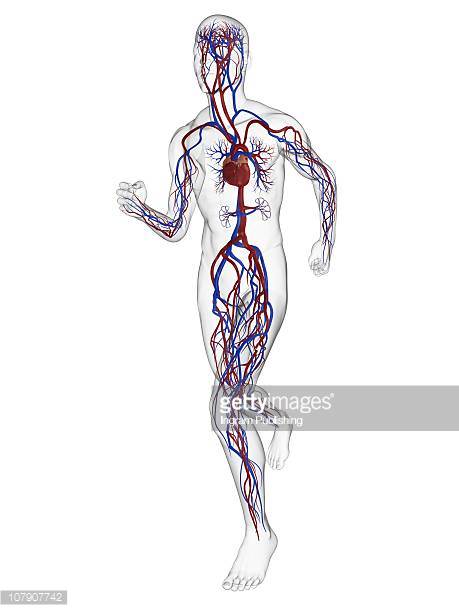
What is the main organ of the circulatory system?
small intestine
bone
lungs
heart
Arteries carry oxygen rich blood away from the heart.
True
False
Veins carry oxygen poor blood back to the heart.
False
True
The job of the heart is to . . .
pump blood around the body.
send food to the small intestines.
break down food.
give energy to the body.
The heart is about the size and shape of your . . .
head
fist
hand
foot
What part of your blood carries oxygen to your cells?
platelets
red blood cells
white blood cells
plasma
What part of your blood carries nutrients, wastes, and hormones, antibodies, and other chemicals?
platelets
red blood cells
white blood cells
plasma
What part of your blood fights infections?
platelets
red blood cells
white blood cells
plasma
What part of your blood helps your blood clot when cut?
platelets
red blood cells
white blood cells
plasma
What type of blood vessel takes blood away from the heart?
arteries
veins
capillaries
What type of blood vessel brings blood back to the heart?
arteries
veins
capillaries
What type of blood vessel has thick, elastic and muscular walls
arteries
veins
capillaries
What type of blood vessel has one-way valves that allow blood to only move in one direction?
arteries
veins
capillaries
What type of blood vessel is so thin that white blood cells can squeeze out of through the blood vessel walls?
arteries
veins
capillaries
What type of blood vessel is where oxygen, nutrients, carbon dioxide, and wastes enter and leave the blood?
arteries
veins
capillaries
What side of the heart are the atrium?
the upper side
the lower side
the right side
the left side
What side of the heart are the ventricle?
the upper side
the lower side
the right side
the left side
What side of the heart receives blood back from the body and sends it to the lungs to be recharged with oxygen?
the upper side
the lower side
the right side
the left side
What side of the heart receives sends oxygen rich blood back to the body
the upper side
the lower side
the right side
the left side

Which letter on the diagram is the left atrium?
A
B
C
D
Which letter on the diagram is the left ventricle?
A
B
C
D
Which letter on the diagram is the right ventricle?
A
B
C
D
Which letter on the diagram is the right atrium?
A
B
C
D
Which letter on the diagram is the aorta?
E
F
G
H
Which letter on the diagram is the vena cava?
E
F
G
H
What is the main organ of the circulatory system?
Lungs
Heart
Capillaries
Veins
Which type of circulation sends blood from the lungs and back?
Pulmonary circulation
Systemic circulation
Arterial circulation
Venous circulation
Where are oxygen and nutrients picked up by the blood?
Arteries
Veins
Capillaries
Alveoli
Which blood vessel carries oxygenated blood to all parts of the body except the lungs?
Aorta
Superior Vena Cava
Inferior Vena Cava
Pulmonary Artery
What is the main function of capillaries?
Deliver oxygen and nutrients to cells
Carry carbon dioxide and waste to the lungs
Return blood from the body to the heart
Pump blood through a network of arteries
Which valves control blood flow from the atria to the ventricles?
Mitral and tricuspid valve
Aortic and pulmonary valve
Superior and Inferior Vena Cava
Capillaries and Alveoli
What is the role of veins in the circulatory system?
Carry oxygenated blood from the lungs to the body's tissues
Carry carbon dioxide and waste towards the heart.
Exchange of nutrients, oxygen, and waste products with tissues
Pump blood through the body
What type of circulation sends blood from the heart to the body and back?
Pulmonary circulation
Systemic circulation
Arterial circulation
Venous circulation
What is the function of the vena cava in the circulatory system?
It carries oxygenated blood from the left ventricle to the body
It carries deoxygenated blood from the body to the right atrium
It carries oxygenated blood from the lungs to the left atrium
It carries deoxygenated blood from the right ventricle to the lungs
What is the function of the heart in the circulatory system?
To pump oxygenated blood to the body's tissues
To carry deoxygenated blood from the body's tissues to the lungs
To exchange nutrients, oxygen, and waste products with tissues
To return blood from the body to the lungs
What is the function of the red blood cells?
Carry oxygen from the lungs to the body's cells
Carry carbon dioxide from the body's cells to the lungs
Both A and B
None of the above
Which blood vessel carries deoxygenated blood from the upper body to the heart?
Aorta
Superior Vena Cava
Inferior Vena Cava
Pulmonary Artery
What is the role of capillaries in the circulatory system?
They carry oxygenated blood from the lungs to the left atrium
They exchange nutrients and oxygen with tissues at the cellular level
They carry deoxygenated blood from the body to the right atrium
They carry oxygenated blood from the left ventricle to the body
Which type of blood vessels carry blood away from the heart?
Veins
Capillaries
Arteries
Venules
What is the function of the inferior vena cava?
Carry deoxygenated blood from the lower body to the right atrium.
Carry oxygenated blood from the lower body to the right atrium.
Carry deoxygenated blood from the upper body to the right atrium.
Carry oxygenated blood from the upper body to the right atrium.
Put the flow of blood through your heart in order. Start with deoxygenated blood coming to the heart.
Right atrium
Right ventricle
lungs
left atrium
left ventricle
__________are small, colourless cell fragments in our blood that form clots and stop or prevent bleeding.
Plasma
Red blood cells
platelets
capillaries
The heart pumps blood throughout the body through a closed system of tubes. These tubes that carry the blood are called blood vessels. There are three types of blood vessels: (a) , veins,and capillaries
What carry blood from the body cells back to the heart. This blood contains waste materials.
Veins
Arteries
Capillaries
Vines
If laid end to end, your blood vessels would stretch out to about _______ km!
(About 4 times the distance around the equator!)
240,000 Km
15,000 Km
161,000 Km
123,450 Km
Blood moves from arteries to veins through tiny blood vessels called ?
Arteries
Capillaries
Nerves
Vena Cava
Most of our blood vessels are?
(a)
At any given time, only about ________ of your body's blood is in your arteries.
10% to 15%
20% to 30%
30% to 40%
40% to 45%
Plasma is 90% _____ and is beige in colour. Plasma contains digested food, chemicals, and waste products.
These substances are carried to and from the cells by the plasma.
Red blood cells
Platelets
Water
Minerals
Red blood cells contain _________ that is red and gives blood its color. It links up with oxygen and carries this oxygen to all parts of the body.
Myoglobin
Red Ferrine
Plasma
Hemoglobin

What percent of blood is liquid?
43%
55%
2%
57%
Which blood cells carry oxygen throughout the body?
Red
White
Plasma
Platelets
Which blood cell fights infection?
RBC
Plasma
WBC
Platelets
Which blood cells that help you stop bleeding if you get a cut?
Red
White
Plasma
Platelets
Platelets are also known as
leukocytes
erthryocytes
thrombocytes
monocytes
White blood cells are also known as
thrombocytes
erthryocytes
monocytes
leukocytes
Which of the following cells are able to leave the bloodstream?
erythrocytes
leukocytes
electrocytes
thrombocytes
Which is the smallest of the 3 blood vessels?
Veins
Arteries
Capillaries

What big blood cells is in the center of picture?
WBC
Platelets
RBC
None
Which blood vessels take blood TO the heart?
Veins
Arteries
Capillaries
Which blood vessels take blood AWAY from the heart?
Veins
Arteries
Capillaries
What are the different blood types?
A
B
AB
O
What antigens are present in blood type A?
A
B
AB
O
What antigens are present in blood type B?
A
B
AB
O
What antigens are present in blood type AB?
A
B
AB
O
What antibodies are present in blood type A?
Anti-A
Anti-B
Anti-AB
None
What antibodies are present in blood type B?
Anti-A
Anti-B
Anti-AB
None
What antibodies are present in blood type O?
Anti-A
Anti-B
Anti-AB
None
Who can donate blood to blood type A?
A
B
AB
O
Who can donate blood to blood type B?
A
B
AB
O
Who can donate blood to blood type AB?
A
B
AB
O
Who can donate blood to blood type O?
A
B
AB
O
What is the universal acceptor blood type?
A
B
AB
O
What is the universal donor blood type?
A
B
AB
O
Irregularly shaped cell fragments that help clot blood
Platelets
Lymph
Plasma
White Blood Cells
Contains hemoglobin, supplies body with oxygen
Plasma
Platelet
White Blood Cell
Red Blood Cell
Fight bacteria and viruses by entering infected tissue, destroying bacteria/viruses and absorb dead blood cells
White Blood Cells
Red Blood Cells
Platelets
Plasma
Select all answers that represent a "Blood Type"
O
AO
BO
AB
A
The liquid part of blood made of mostly water; nutrients, minerals and oxygen are dissolved
Marrow
Plasma
Proteins
Urea
What type of antigens can be found on the surface of RBC's when someone has blood type O?
A
B
AB
none
Which of the following is true about blood type O?
It contains antigen A only.
It contains antigen B only.
It contains both antigen A and antigen B.
It doesn’t contain antigen A or antigen B.
Select all that type B can receive from
A
B
AB
O
Name the proteins on the surface of red blood cells.
Antibodies
Antigens
Plasma
Collagen
Not everyone has the same type of Blood.
True
False

