
 Worksheets
Paper two mock test (by Dannymax)
Total questions: 200
Worksheet time: 2hrs 40mins
Which of the following is a common symptom of increased intracranial pressure (ICP)?
Hypotension
Bradycardia
Tachypnea
Hypoglycemis
Which neurotransmitter is primarily deficient in Parkinson’s disease?
Acetylcholine
Dopamine
Serotonin
Gabapentin
Which condition results from a sudden interruption of blood supply to the brain?
Epilepsy
Stroke
Parkinson’s disease
Meningitis
A positive Brudzinski's sign is indicative of which condition?
Encephalopathy
Meningitis
Parkinsonism
Multiple sclerosis
Which of the following is most associated with Alzheimer’s disease?
Destruction of dopaminergic neurons
Inflammation of the meninges
Formation of neurofibrillary tangles and amyloid plaques
Elevated intracranial pressure
A patient is prescribed 1000 mL of Normal Saline to be infused over 8 hours. What is the flow rate in mL/hr?
175 mL/hr
150 mL/hr
125 mL/hr
100 mL/hr
A doctor orders 500 mL of IV fluid to be given over 5 hours. What is the drip rate in drops per minute if the drop factor is 20 drops/mL?
20 drops/min
50 drops/min
25 drops/Mins
33 drops/min
. A child weighing 10 kg is to be given a drug at 5 mg/kg/day in 2 divided doses. What is the dose per administration?
10 mg
20 mg
25 mg
50 mg
The mitral valve is located between the:
Right atrium and right ventricle
Right ventricle and pulmonary artery
Left atrium and left ventricle
Left ventricle and aorta
The central nervous system includes the:
A. Brain and spinal cord
B. Brain and cranial nerves
C. Spinal cord and peripheral nerves
D. Autonomic and somatic ner
ves
Brain and spinal cord
Brain and cranial nerves
Spinal cord and peripheral nerves
Autonomic and somatic nerves
Which part of the brain controls balance and coordination?
Cerebrum
Brainstem
Cerebellum
Hypothalamus
Which of the following is short key to open a new window in a computer
Ctrl +N
Ctrl z
Ctrl N
Ctrl O
The hormone responsible for stimulating uterine contractions is:
Estrogen
Progesterone
Oxytocin
Prolactin
The main muscle responsible for breathing is the ??
Abdominal muscle
Diaphragm
Intercostal muscle
Pectoralis major
The thickest layer of the heart wall is the:
Endocardium
Pericardium
Epicardium
Myocardium
All of the above
Which vitamin is essential for calcium absorption?
Vitamin A
Vitamin C
Vitamin D
Vitamin k
Which artery supplies the heart muscle with oxygenated blood?
Carotid artery
Pulmonary artery
Coronary artery
Aorta
Which cranial nerve is responsible for vision?
(CN II
(CN III
CN Iv
CN V
Which structure produces cerebrospinal fluid (CSF)?
Pituitary gland
Cerebellum
Corpus callosum
Choroid plexus
Which diagnostic test confirms myocardial infarction?
Cba
X-ray
Tropornin level
Ecg
Signs of hypoglycemia include:
Fruity breath
Increased thirst
Sweating and tremors
Slow heart rate
A patient with renal failure will most likely have:
Decreased BUN and creatinine
Increased urine output
Metabolic acidosis
Respiratory alkalosis
Which of the following is a complication of hypertension?
Glaucoma
Stroke
Appendicitis
Fracture
What is the best time to administer insulin?
Immediately after meals
With bedtime snack
Before meals
Only when blood sugar is high
When is patient discharge planned
Before admission
After admission
During admission
On Review
. A nurse is caring for a burn patient. Which fluid is preferred in the first 24 hours?
Dextrose 5%
Normal saline
Lactated Ringer’s
Half normal saline
A hallmark symptom of chronic obstructive pulmonary disease (COPD) is:
Wheezing and chronic cough
Chest pain and fever
Vomiting and diarrhea
Muscle weakness
When administering digoxin, the nurse must monitor:
Blood sugar
Respiration rate
Heart rate
Temperature
The primary sign of hypovolemic shock is:
Hypertension
Bradycardia
Vomit
Tachycardia
The Glasgow Coma Scale assesses:
Pupil reaction
Seizure frequency
Level of consciousness
Level of anxiety
Which of these medications can cause ototoxicity?
Acetaminophen
Ibuprofen
Furosemide
Amoxicillin
When caring for a patient on a nasogastric tube, the best position is:
Supine
Trendelenburg
High Fowlers
Left lateral
The purpose of incentive spirometry post-op is to:
Relieve pain
Clear secretions
Prevent pneumonia
Improve appetite
Which condition presents with a butterfly rash on the face?
Psoriasis
Lupus erythematosus
Eczema
Acne
A major complication of uncontrolled diabetes is:
Asthma
Retinopathy
Appendicitis
Scurvy
Which symptom is expected in hyperthyroidism?
Weight gain
Bradycardia
Cold intolerance
Heat intolerance
A priority nursing action for a patient with active TB is:
Start antibiotics
Provide oxygen
Isolate the patient
Obtain blood cultures
A common cause of peptic ulcer disease is:
Streptococcus
H. pylori
Staphylococcus
Candida
Which lab test indicates renal function?
ALT
Creatinine
Platelet count
Hematocrit
When caring for a patient with ascites, the nurse should monitor:
Abdominal girth
Calf circumference
Lung sounds
Fingerstick glucose
During a transfusion reaction, the first action is to:
Call the physician
Stop the transfusion
Administer epinephrine
Check vitals
The most common cause of death in burns is:
Pain
Infection
Hypothermia
Hypovolemic
The primary goal of mental health nursing is to:
Cure mental illness
Promote self-care and coping
Enforce medication compliance
Avoid hospitalization
A patient who hears voices that others do not hear is experiencing:
Delusion
Hallucination
Illusion
Obsession
A fixed, false belief that cannot be changed by logic is called a:
Phobia
Illusion
Hallucination
Delusion
The drug of choice for schizophrenia is:
Diazepam
Haloperidol
Amitriptyline
Lithium
. A patient says, “I’m worthless and a failure.” This indicates:
Mania
Anxiety
Depression
Paranoia
. The best nursing intervention for a patient with auditory hallucinations is:
Ignore the hallucinations
Tell the patient the voices are not real
Ask what the voices are saying
Increase the medication dose
ECT (Electroconvulsive Therapy) is most commonly used for:
Schizophrenia
Mania
Severe depression
Anxiety disorder
. A patient with PTSD often experiences:
Hallucinations
Flashbacks and nightmares
Mood swings
Memory loss
A phobia is best described as:
A false belief
. A type of obsession
A conversion disorder
A persistent, irrational fear
Which neurotransmitter is decreased in depression?
Dopamine
Serotonin
Acetylcholine
Gabapentin
A patient who states, “I am God, I cannot die,” is expressing:
Grandiose delusion
Religious hallucination
Paranoid thought
Magical thinking
The hormone responsible for ovulation is:
Estrogen
Progesterone
Luteinizing hormone
Follicle stimulating hormone
The normal duration of a menstrual cycle is:
14 days
21–35 days
28–40 days
35days
The primary function of progesterone is ??
Induce ovulation
Develop secondary sex characteristics
Maintain endometrial lining
Stimulate lactation
Which of the following is a danger sign in pregnancy?
Morning sickness
Frequent urination
Vaginal bleeding
Breast tenderness
Quickening in pregnancy refers to:
First fetal heartbeat
Fetal descent
. Cervical softening
First fetal movement felt by the mother
Chadwick’s sign in pregnancy refers to:
A. Bluish discoloration of the cervix
Bluish discoloration of the cervix
Softening of the cervix
Uterine contraction
Breast enlargement
. The ideal time to perform a breast self-examination is:
During menstruation
On the first day of menstruation
During ovulation
7 days after menstruation
. A woman who has never been pregnant is termed:
Nulliparous
Primigravida
Nulligravida
Multipara
Which method of contraception provides protection against STIs?
Oral contraceptive pills
Condoms
IUD
Injectable contraceptives
Postpartum hemorrhage is defined as blood loss of more than:
250 mL
350ml
1,000mL
500ml
. The most common site of ectopic pregnancy is:
Ovary
Cervix
Peritoneum
Fallopian tube
A Pap smear is used to detect:
Uterine fibrosis
Cervical cancer
Vaginitis
Breast cancer
. Which condition is characterized by high blood pressure, proteinuria, and edema in pregnancy?
Placenta previa
Eclampsia
Pre-eclampsia
Abruptio placentae
The drug of choice for preventing seizures in pre-eclampsia is:
Oxytocin
Methyldopa
Nifedipine
Magnesium sulfate
The most effective time to administer oxytocin is:
During pregnancy
After delivery of the placenta
Before delivery
first stage of labor
The Apgar score is used to assess:
Mother’s recovery
Labor progress
Newborn’s physical condition
Placenta condition
The fetal heart rate is normally:
60–100 bpm
100–120 bpm
120–160 bpm
160–200 bpm
The normal duration of pregnancy is:
36weeks
38 weeks
40 weeks
45weeks
The first immunization given to a newborn is:
BCG
Polio
Hepatitis B
Vitamin k
Which is the best indicator of true labor?
Irregular contractions
Cervical dilation
Abdominal pain
Fetal descent
The leading cause of maternal mortality in developing countries is:
Sepsis
Hemorrhage
Obstructed labor
Hypertension
Lochia rubra is seen in which period?
First 24 hours postpartum
Days 1–3 postpartum
Day 7 postpartum
Third week postpartum
Which term describes the number of pregnancies carried beyond 20 weeks?
Gravida
Parity
Abortion
Nulliparity
The most reliable sign of pregnancy is:
Missed period
Fetal heartbeat
Morning sickness
Breast changes
The safest contraceptive method for a lactating mother is:
Combined oral contraceptives
Copper T
Progesterone-only pill
Diaphragm
Which of the following is a sign of ovulation?
Decrease in body temperature
Mittelschmerz (mid-cycle pain)
Breast engorgement
Cervical mucus becomes thick
What is the range of the following number
25,40,30,10,90,200,100
247.5
190
190.5
495
Colostrum is rich in:
Carbohydrates
Immunoglobulins
Water
Calcium
The primary purpose of nursing research is to:
Generate income for hospitals
Improve patient care
Replace nursing theories
Publish in journals
In research, a hypothesis is:
A proven fact
. A question to be answered
. A prediction to be tested
A variable
A variable that is manipulated by the researcher is called:
Dependent variable
Independent variable
Extraneous variable
Confounding variable
The final step in the research process is:
Data collection
Data analysis
Problem identification
Dissemination of findings
The “population” in research refers to ??
Only the patients in a hospital
The group from which data is collected
. All citizens of a country
The number of researchers
. A Likert scale is used to:
Measure weight
Test blood pressure
Assess attitudes or opinions
Rank patients by age
Which research design studies cause-and-effect relationships?
Descriptive
Historical
Experimental
Case study
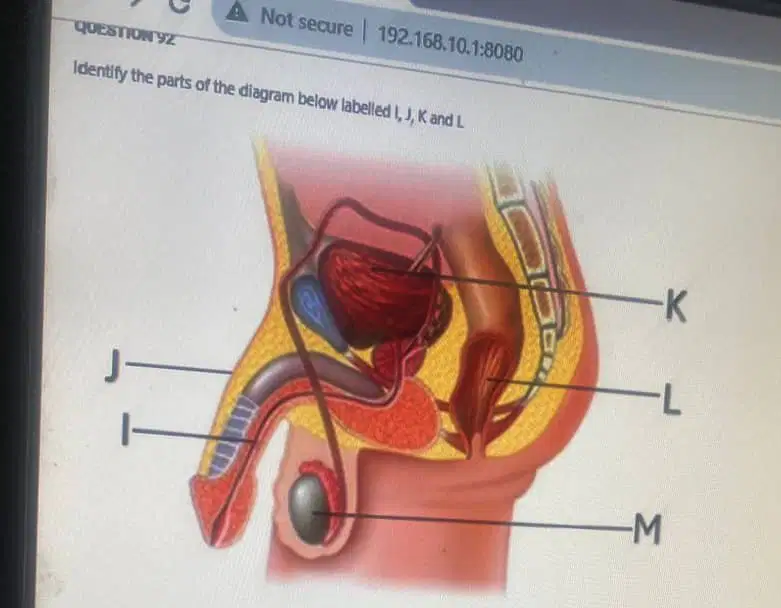
Urethra,penial muscle and the retum
Urethra,penis bladder and rectum
Penis , penial muscle, prostate,and lower intestine
Ureter, penis, testis and large intestine

The cervix which let sperm in and menstrual blood out
The vagina which receive the pain during intercourse
The vagina which connect the vulva to the cervix
The uterus ans it holds the fetus

Ground theories
Conceptual models
Paradigms
Theories and concept

Cost minimization
Quality adjusted life years
Cost utility analysis
Profit maximization

Impotence
Cryptorchidism
Castration
Paedogenesis

Gerald McGregor
David motley
Harold butcher
Moorhead sup
The following are current trend of entrepreneurship practice except
Internship
Innovation
Organic and natural
Partnership
Which of the following is a qualitative research method?
Survey
Randomized control trial
Case study
Experimental design
A research problem is:
An opinion
An unanswered question
A known fact
Always complex
Reliability in research refers to:
Accuracy of results
Consistency of results
Validity of tools
Ease of analysis
Data that can be counted or measured is called:
Qualitative data
Subjective data
Numerical data
Quantitative data
Validity refers to:
Ability to replicate findings
Precision of data entry
Accuracy of measurement
Honesty of the researcher
The branch of statistics that deals with health-related data is called:
Economics
Epidemiology
Biostatistics
Sociology
Which of the following is a measure of central tendency?
Range
Median
Standard deviation
Variance
. The mean of the values 4, 6, 8, 10, 12 is:
8
10
9
6
The concept of “anonymity” means:
Participants are named
Participants can be traced
Participants cannot be identified
Researchers are anonymous
. Which scale of measurement classifies data into categories with no order?
Nominal
Ordinal
Interval
Ratio
A p-value less than 0.05 in hypothesis testing means:
Results are invalid
Null hypothesis is accepted
Result is statistically significant
Study should be repeated
Which of the following is a continuous variable?
Gender
Age
Religion
Marital status
When data are ranked or ordered, it is:
Nominal scale
Ordinal scale
Interval scale
Ratio scale
Which of the following is a parametric test?
Chi-square test
Mann-Whitney U test
t-test
Kruskal-Wallis test
. The color code for immediate care in triage is:
Red
Yellow
Green
Black
The first step in performing CPR is to:
Begin compressions
Check responsiveness
Give breaths
Call for help
Disaster nursing includes all EXCEPT:
Triage
Psychological support
Personal safety
Long-term treatment planning
Which organ is most sensitive to hypoxia?
Liver
Brain
Kidney
Skin
. What is the first priority in emergency care?
Blood pressure monitoring
Temperature check
Maintaining airway
Administering oxygen
A nurse suspects spinal injury in a trauma victim. The first action is to:
Move the patient to comfort
Immobilize the neck
Give oral fluids
Apply heat
Which level of disaster can be managed by local resources?
Level I
Level II
Level III
Level IV
. Emergency nurses must be skilled in:
Entertainment
Public health lectures
Critical decision-making
Political lobbying
Nurses can influence policy by:
Avoiding politics
Voting and advocacy
Being passive observers
Focusing only on patient
The most effective way nurses contribute to policy development is through:
Isolation
Writing anonymously
Collective professional action
Avoiding unionism
The policymaking process begins with:
Evaluation
Implementation
Budget allocation
Problem identification
example of a health-related public policy is:
Minimum wage bill
Child Right Act
National Health Insurance Authority Act
Electoral Act
Data analytics in healthcare primarily aims to:
Reduce patient complaints
Analyze large amounts of data for improved decision-making
Limit access to healthcare systems
Improve healthcare administration only
A patient with chronic obstructive pulmonary disease (COPD) is experiencing shortness of breath. Which of the following interventions should the nurse prioritize?
Administering a bronchodilator as prescribed
Increasing the oxygen flow rate immediately
Encouraging the patient to cough and clear secretions
Instructing the patient to lie flat to facilitate breathing
A patient with a history of diabetes is scheduled for surgery. Which of the following actions should the nurse take to manage the patient’s blood glucose levels during the perioperative period?
Discontinue insulin therapy for 24 hours prior to surgery
Administer insulin as prescribed, monitoring blood glucose levels closely
Encourage the patient to eat a high-carb meal before surgery
Restrict fluid intake to prevent hyperglycemia
A nurse is teaching a patient about the proper use of crutches following a leg injury. Which statement by the patient indicates that further teaching is needed?
I will bear weight on my hands, not my armpits, when using crutches.”
I should use the crutches to help me balance when walking.”
“I will keep the crutches under my arms to avoid falling.
I should make sure the crutches are adjusted to the proper height.”
126 Drug used in status asthmaticus refractory to inhaled bronchodilators:
Ipratropium alone as first line? But IV magnesium sulfate is used as adjunct in severe status asthmaticus
Oral beta blockers
Warfarin
Atenolol
A patient with MRSA skin infection — an appropriate oral antibiotic option is:
Penicillin V
Amoxicillin
Doxycycline
only
Vancomycin oral (not for systemic), but oral options include clindamycin or TMP-SMX depending on susceptibility
A patient receiving warfarin starts rifampicin likely effect on INR:
No change
Increase INR
Decrease INR (rifampicin induces hepatic enzymes → reduces warfarin effect)
Cause hyperkalemia
A patient on warfarin needs H. pylori eradication which antibiotic potentiates warfarin effect?
Nitrofurantoin
Amoxicillin (safe)
Clarithromycin (increases warfarin levels)
Doxycycline
Heparin-induced thrombocytopenia (HIT) is suspected when platelet count falls by >50% after heparin next step:
Give warfarin right away
Stop heparin and start direct thrombin inhibitor (e.g., argatroban) or fondaparinux
Continue heparin and observe
Give platelet transfusion immediately
Overnutrition results when:
Calorie intake exceeds body needs
Calorie intake is low
Water is excess
Food lacks minerals
The normal BMI range for adults is:
30
18.5–24.9
10–20
2
Which of these is a macronutrient?
Iron
Protein
Iodine
Zinc
The richest source of Vitamin A is:
Bread
Rice
Yam
Palm oil
The energy yielding nutrients are;
Carbohydrate, protein, fat
Vitamin, fat, water
Mineral, protein, water
Water, fat , mineral
The best substitute for breast milk is:
Cow milk
Infant formula
Water
Tea
The main function of Vitamin E is:
Antioxidant protection
Bone formation
Blood clotting
Vision
. A balanced diet includes how many classes of food?
Four
Seven
Six
Eight
The diet given immediately after surgery is:
Soft diet
Clear fluid diet
Normal diet
Solid diet
The nurse’s role in diet therapy includes:
Avoiding food discussions
Planning and supervising patient meals
Administering drugs only
Ignoring patient diet
During vomiting, the nurse should:
Keep patient flat
Turn patient to side
Raise legs
Hold mouth closed
The first step in CPR is:
Check pulse immediately
Start chest compression
. Assess responsiveness and call for help
Give rescue breath
The normal body temperature in Celsius is:
. 35–37°C
37-38°C
36.5-37.5 ⁰C
38–39°C
Before any nursing procedure, the nurse should do first ;
Explain procedure to patient
Wash hands
Record
Get equipment ready
The best way to prevent pressure ulcers is:
Changing linen daily
Use of ointments
Frequent turning of patient
Feeding well
The first action when a patient falls from bed is to:
Shout for help
Report to doctor immediately
Check for injury and vital signs
Record in the file
The key characteristic of a holistic nurse is:
Administering injections only
Working only in wards
Focusing on disease alone
Caring for body, mind, and spirit
The professional body regulating nursing in Nigeria is:
NANNM
WHO
NMA
NMCN
) A nurse’s responsibility when a doctor makes an error in prescription is to:
Keep quiet
Correct the doctor
Clarify before administration
Administer as written
Confidentiality in nursing refers to:
Discussing patient issues openly
Writing all data on the board
Informing relatives without permission
Keeping patient information private
The nurse patient relationship should be:
Social
Casual
Therapeutic
Intimate
The most important characteristic of a professional nurse is:
Obedience
Appearance
Humor
Empathy
A nursing diagnosis is made to:
Record laboratory results
Identify the patient’s disease
State the medical condition
Identify patient’s response to health problems
The nursing process is best described as:
A doctor’s order list
A documentation format
A scientific problem solving approach
A patient care manual
The primary goal of nursing is to:
Cure diseases
Assist doctors in treatment
Promote health and prevent illness
Administer drugs
Referral system in PHC ensures:
Patient transfer to village
Continuity of care
Dismissal of clients
Stopping treatment
Safe water supply and sanitation prevent:
Tuberculosis
Typhoid and cholera
Measles
Malaria only
Which is a permanent method of family planning?
Condom
Vasectomy
Pill
Withdrawal
Condoms prevent:
STIs and pregnancy
Typhoid
Malaria
Measles
The best method of natural family planning is:
Condom
Calendar method
IUCD
Injection
Colostrum is rich in:
Sugar
Starch
Antibodies
Fat
Exclusive breastfeeding should last for:
3 months
6 months
4 months
9 months
Kwashiorkor results from deficiency of:
Protein
Carbohydrate
Vitamin C
Fat
Which committee supports PHC at ward level?
Hospital board
Village Council
Ward Development Committee
State Assembly
Community diagnosis helps to:
Prevent research
Identify community health needs
Collect hospital data
Cure diseases
The smallest unit of PHC delivery is the:
Local government
Ward
Village
Household
. Health education messages must be:
Culturally acceptable
Complex
Scientific only
Foreign
The success of a PHC programme depends mainly on:
Government funding only
Foreign aid
Doctors’ interest
Adequate community involvement
Community participation means:
Doctors direct the people
Nurses work alone
Government decides alone
. People involved in their health decisions
The most important person in PHC is the:
Nurse
Community member
Doctor
Health officer
The most important sign to monitor in a patient with increased intracranial pressure (ICP) is:
Urine output
Level of consciousness
Bowel sounds
Skin color
. A patient with deep vein thrombosis (DVT) complains of sudden chest pain and dyspnea. This likely indicate ;
Myocardial infarction
Pneumonia
Pulmonary embolism
Asthma attack
The priority nursing action when giving blood transfusion is to monitor for:
Fever and chills
Polyuria
Constipation
Skin rash only
The best position for a patient after thyroidectomy to prevent complications is:
Supine with neck extended
High Fowler’s with neck in neutral position
Trendelenburg
Prone
The biggest complication of uncontrolled long-term hypertension is:
Oral thrush
Kidney failure and stroke
Peptic ulcer
Appendicitis
The priority nursing action for a patient experiencing chest pain suspected to be myocardial infarction is:
Give oral fluids
Administer sublingual nitroglycerin
Allow the patient to walk around
Encourage deep breathing exercises
A patient with COPD is admitted with severe dyspnea. The best position to place this patient is:
Trendelenburg
Supine
Lying on left lateral side
High Fowler’s position
The classic sign of left-sided heart failure is:
Peripheral edema
Jugular vein distention
Pulmonary crackles and dyspnea
Ascites
A patient on warfarin therapy should be monitored primarily for:
Serum potassium
INR / PT
Blood sugar
Liver enzymes
The most important intervention in preventing complications in a bedridden postoperative patient is:
Giving more IV fluids
Turning and repositioning frequently
Increasing carbohydrate diet
Giving sleeping pills at night
A patient with acute hemorrhagic shock will most likely have:
Hypertension and flushed skin
Bradycardia and bounding pulses
Polyuria
Hypotension, tachycardia, cold clammy skin, and decreased urine output
. A postoperative patient has a wound evisceration. The nurse should first:
Cover the wound with sterile saline-moistened gauze and notify surgeon immediately
Apply dry sterile dressing and call family
Ambulate the patient
Push the organs back in and suture the wound at bedside
For a patient with acute pancreatitis, the nurse should:
Administer laxatives to reduce pain
Encourage oral intake of clear fluids immediately
Keep patient NPO and provide IV fluids and pain control
. Start a high-fat diet to stimulate pancreatic enzymes
For a patient with Guillain-Barré syndrome, the nurse should monitor for:
Progressive ascending weakness and respiratory compromise monitor vital capacity and be ready for ventilatory support
Only sensory changes without motor involvement
Localized rash only
Immediate full recovery within 24 hours
Which finding suggests myocardial ischemia on ECG?
Tall P waves only
Prolonged QT only
ST-segment elevation indicates transmural infarction; ST depression or T-wave inversion may indicate ischemia
Low-voltage QRS only
Which condition leads to increased PaCO₂?
Hyperventilation
Fever
Anxiety
Hypoventilation
What is the expected ABG change in a patient with asthma attack and CO₂ retention?
pH increases, PaCO₂ decreases
pH decreases, PaCO₂ increases
pH normal, HCO₃⁻ decreases
pH increases, PaCO₂ increases
Which condition commonly causes respiratory alkalosis?
Anxiety or hyperventilation
COPD
Renal failure
Diarrhea
ABG: pH 7.60, PaCO₂ 40 mmHg, HCO₃⁻ 36 mEq/L is:
Respiratory acidosis
Metabolic alkalosis
Respiratory alkalosis
Mixed acidosis
A patient’s ABG result shows: pH 7.30, PaCO₂ 50 mmHg, HCO₃⁻ 24 mEq/L. What is the interpretation?
Respiratory acidosis
Metabolic acidosis
Metabolic alkalosis
Respiratory alkalosis
ABG values: pH 7.18, PaCO₂ 28 mmHg, HCO₃⁻ 12 mEq/L. This shows:
Uncompensated metabolic acidosis
Compensated respiratory acidosis
Metabolic alkalosis
Compensated metabolic alkalosis
An IV infusion of 1000 mL normal saline is to run over 8 hours. The drop factor is 20 gtt/mL. What is the drip rate in gtt/min?
20 gtt/min
30 gtt/min
40 gtt/min
50 gtt/min
A patient is prescribed 600 mg of a drug. The vial available is labeled 250 mg/mL. How many mL will the nurse administer?
2.5mL
1.5 mL
2.4mL
2 mL
A child weighing 15 kg should receive paracetamol (acetaminophen) 15 mg/kg per dose. Available concentration: 120 mg/5 mL. How many mL should be given?
6.25 mL
9.4 mL
8.0 mL
12.5 mL
An IV antibiotic bag 250 mL is to be infused over 30 minutes. What is the infusion rate in mL/hr?
A. 250 mL/hr
B. 375 mL/hr
C. 500 mL/hr
D. 750 mL/hr
250 mL/hr
375 mL/hr
500 mL/hr
750 mL/hr
Enteral feed: 500 mL to run over 10 hours via gravity set (drop factor 15 gtt/mL). What is drip rate in gtt/min (rounded to nearest whole number)?
8 gtt/min
12 gtt/min
20 gtt/min
13 gtt/min
The most specific blood test for diagnosis of acute myocardial infarction is:
CK-MB
Troponin I/T
LDH
Myoglobin
The drug of choice for acute chest pain due to angina is:
Digoxin
Furosemide
Nitroglycerin
Atropine
Which ECG change is commonly seen in myocardial ischemia?
ST elevation
Tall peaked P waves
Inverted T waves
Widened QRS
A newborn presents with a continuous “machinery-like” murmur and bounding pulses. The most likely congenital heart defect is:
Tetralogy of Fallot
Patent ductus arteriosus
Atrial septal defect
Coarctation of aorta

