
 Worksheets
LS CH09 Flowers Test
Total questions: 65
Worksheet time: 44mins
What is the primary reason for using flowers in landscape design?
To attract wildlife
To provide shade
To reduce noise
To fulfill a desire
How do flowers impact a landscape when used in large numbers?
They require less maintenance
They attract more pests
They create a strong visual impact
They become less noticeable
What is a common challenge when using flowers in landscape design?
They are too fragrant
They grow too quickly
They can be overused or misplaced
They are too colorful
Which of the following is a characteristic of annual flowers?
They are always fragrant
They complete their life cycle in one year
They bloom multiple times a year
They are resistant to frost
What is a benefit of using bedding plants over direct seeding?
They are more susceptible to weather
They provide immediate color
They are less expensive
They require more maintenance
Which of the following is an example of a perennial flower?
Daffodil
Marigold
Zinnia
Petunia
What is a biennial flower?
A flower that blooms every year
A flower that is always in bloom
A flower that completes its life cycle in two years
A flower that blooms only in spring
Why might flowers be considered fragile in a landscape?
They are always in bloom
They have a limited time of effectiveness
They require no maintenance
They are resistant to pests
What is a potential downside of using flowers as focal points?
They can attract too many birds
They may detract from the intended focal point
They are too expensive
They require no planning
Which of the following is a method to obtain annuals?
Direct seeding
Grafting
Planting bulbs
Using cuttings
What is a characteristic of hardy bulbs?
They must be removed in autumn
They survive winter outside
They are always tender
They bloom in winter
What is a common use of flowers in residential landscapes?
To provide shade
To attract tenants
To attract birds to the backyard
To reduce noise
What is a challenge of direct seeding annuals?
They are more expensive
They require thinning
They bloom immediately
They are always fragrant
Which flower is an example of a tender bulb?
Hyacinth
Daffodil
Gladiolus
Tulip
What is a benefit of using perennial flowers?
They die at the end of the season
They live to bloom again the following year
They require annual replanting
They bloom once and die
What is a potential issue with flowers attracting bees?
Bees can be troublesome for children and pets
Bees are not attracted to flowers
Bees reduce the fragrance of flowers
Bees make flowers less attractive
What is a common feature of hardy bulb perennials?
They survive winter as dormant structures
They require annual replanting
They are always tender
They bloom multiple times a year
What is a characteristic of biennial flowers?
They produce leaves in the first year and flowers in the second
They are always fragrant
They require no maintenance
They bloom every year
What is a potential maintenance challenge with perennials?
They bloom only once
They may cover a larger area than intended
They require annual replanting
They never propagate
What is a common limitation of direct seeding?
It is difficult to create definite patterns
It requires no maintenance
It is the most expensive method
It provides immediate color
What is a benefit of using flowers in landscape design?
They reduce the need for other plants
They are always in bloom
They require no planning
They create strong focal points
What is a characteristic of tender bulbs?
They bloom in spring
They must be taken up each fall and replanted in the spring
They survive harsh winters
They are always hardy
An _____ flower is one that completes its life cycle in one year.
biennial
biannual
perennial
A _____ flower is one that does not die at the end of its first growing season.
annual
centennial
millennial
When a plant is _____, it is experiencing a period of rest in which it continues to live, but has little or no growth.
diseased
deceased
dead
Because they do not die at the end of the growing season, most perennials reproduce themselves and may eventually cover a _____ area of the garden than was originally intended.
smaller
_____ bulbs are perennials that are able to survive the winter outside and therefore do not require removal from the soil in the autumn.
Tender
Tough
Light
_____ bulbs are perennials that cannot survive northern or harsh winters and must be taken up each fall and set out each spring after the frost is gone.
Hardy
Tenacious
Hot
Flowers known as _____ complete their life cycles in two years.
biannuals
perennials
annuals
What is a flower bed?
A planting that includes only woody plants
A planting that is always placed against a wall
A freestanding planting made entirely of flowers
A planting that includes shrubs and flowers
Why are flower beds seldom planted in the public area of a residential landscape?
They do not bloom all year round
They are too expensive to maintain
They attract more attention than the entry to the home
They require too much maintenance
What is a flower border?
A freestanding planting made entirely of flowers
A planting that is placed in front of a larger planting of woody shrubs
A planting that is always circular in shape
A planting that includes only annual flowers
Why are flower borders more commonly used than flower beds?
They require less sunlight
They are easier to design and control
They bloom all year round
They are cheaper to maintain
Which type of flower form has the strongest eye appeal?
Tubular blossoms
Spike-form flowers
Flat flower forms
Round flower forms
What is the weakest eye attractant among flower forms?
Spike-form flowers
Round flower forms
Tubular blossoms
Flat flower forms
How should flowers be used in a landscape to ensure the best return on investment?
In side yards
In high-profile locations
Beneath windows
In shaded areas
What is a key consideration for designing an all-season flower planting?
Using only annuals
Ensuring a vibrantly colored, spike-form species is always blooming
Using only perennials
Ensuring all flowers bloom at the same time
What is a characteristic of naturalized bulb plantings?
They can overwinter in the ground and reproduce freely
They are only suitable for shaded areas
They need to be replanted every year
They require formal beds
What should be done to achieve a naturalized bulb planting effect?
Use only spike-form flowers
Plant bulbs in shaded areas
Toss bulbs gently onto a sunny slope and plant where they land
Plant bulbs in neat rows
Why should the foliage of bulbous flowers be left uncut after blooming?
To allow the bulb to gain strength for the next year
To prevent pests
To improve soil quality
To attract more wildlife
What is a potential downside of using dark, vibrant colors in flower plantings?
They attract too much attention
They are more expensive
They require more sunlight
They do not blend well with pastels
What is the role of intermediate blossom shapes in flower plantings?
They are the weakest eye attractants
They are used only in shaded areas
They bridge the gap between spike forms and round forms
They are the strongest eye attractants
In what type of landscape might neither flower beds nor borders be suitable?
Urban landscapes
Desert landscapes
Coastal landscapes
Park-like or pastoral landscapes
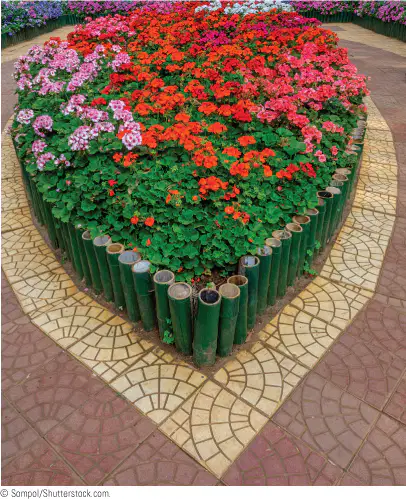
What type of planting is this? (Notice it does not have any woody perennials in it and it is not up against a fence or wall or other structure.)
naturalized
bed
border
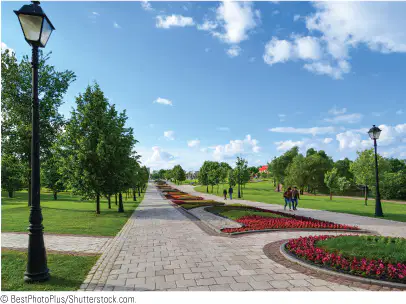
What type of planting is this? (Notice it does not have any woody perennials in it and it is not up against a fence or wall or other structure.)
naturalized
bed
border
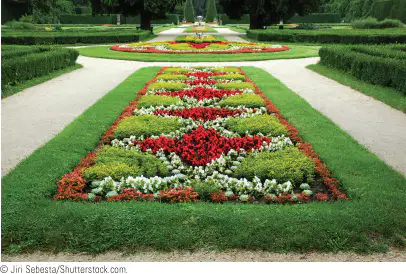
What type of planting is this? (Notice it does not have any woody perennials in it and it is not up against a fence or wall or other structure.)
naturalized
bed
border

What type of planting is this? (Notice it does not have any woody perennials in it and it is not up against a fence or wall or other structure.)
naturalized
bed
border

What type of planting is this? (Notice it does not have any woody perennials in it and it is not up against a fence or wall or other structure.)
naturalized
bed
border
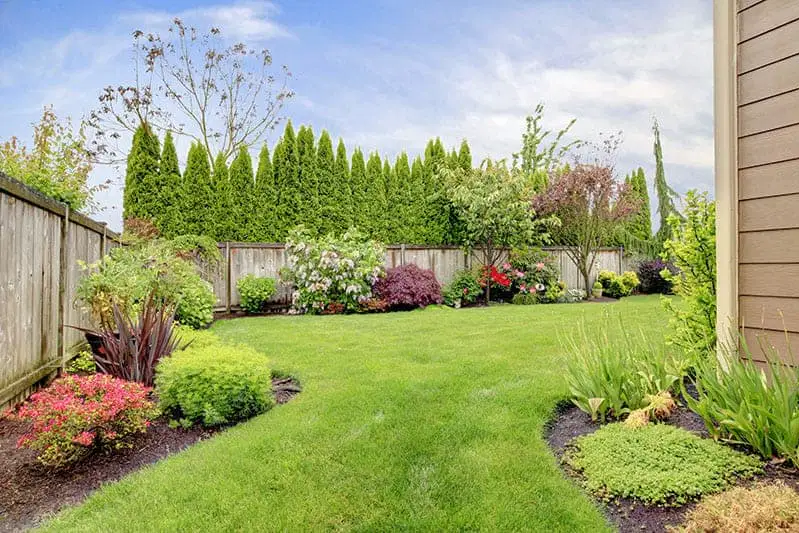
What type of plantings are these?
naturalized
bed
border
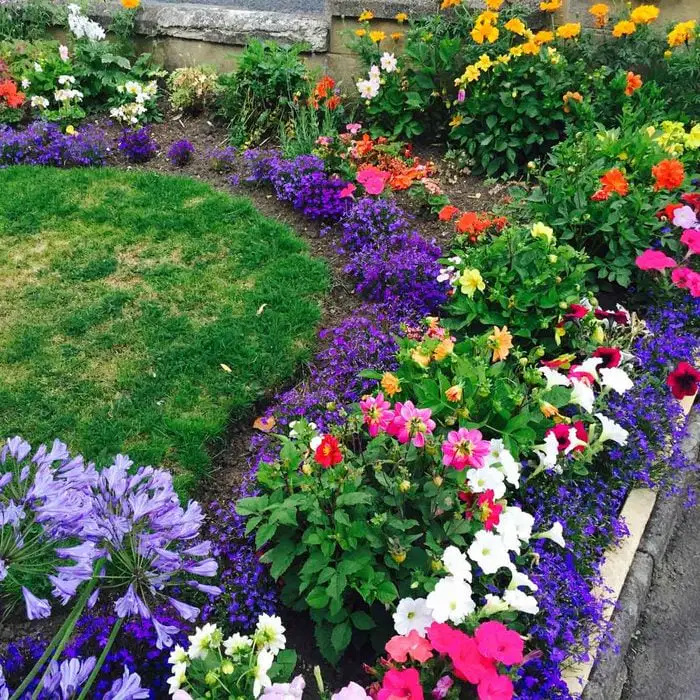
What type of planting is this?
naturalized
bed
border
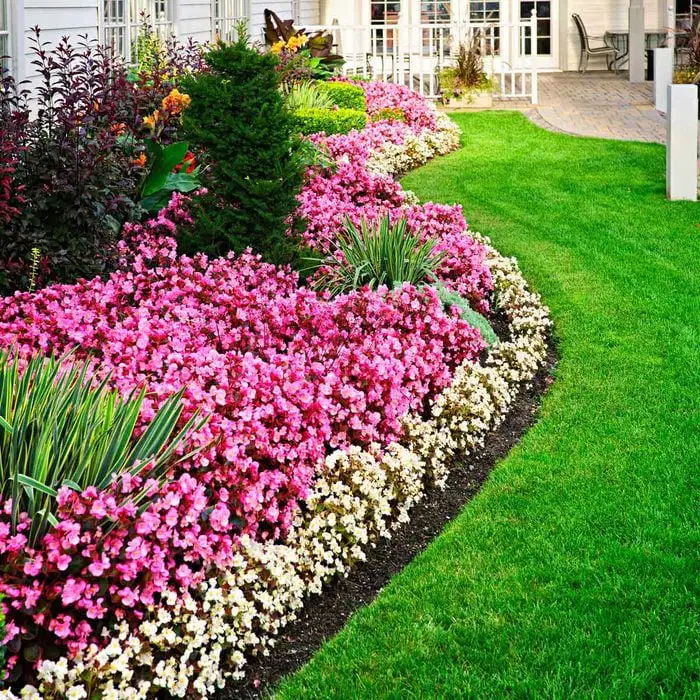
What type of planting is this?
naturalized
bed
border

What type of planting is this?
naturalized
bed
border
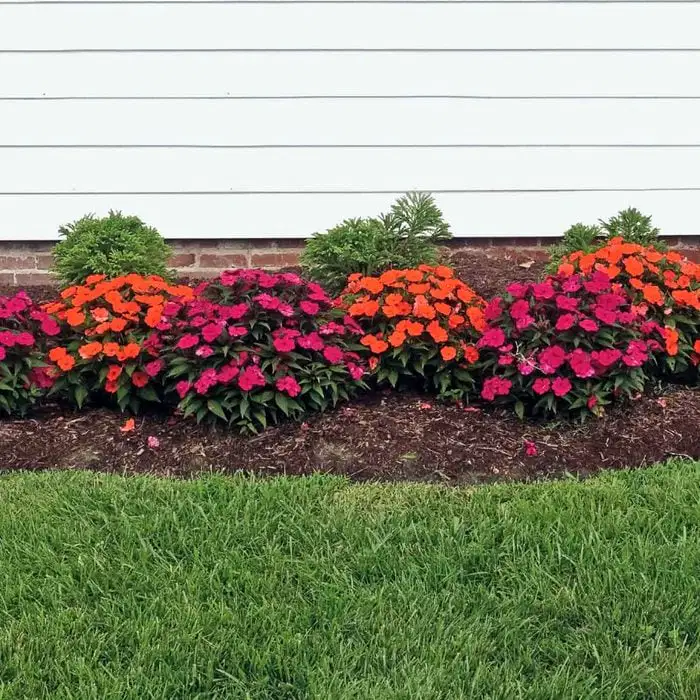
What type of planting is this?
naturalized
bed
border
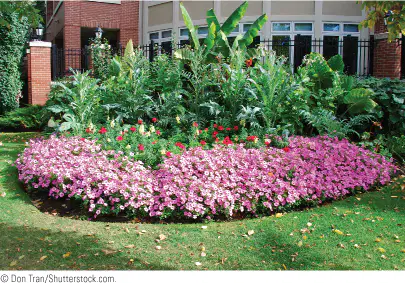
What type of planting is this? (Notice there are more than just flowers in this bed!)
naturalized
bed
border

What type of planting is this?
naturalized
bed
border

What type of planting is this?
naturalized
bed
border

What type of planting is this?
naturalized
bed
border

What type of planting is this?
naturalized
bed
border

In a corner flower border like this, where should you put the smallest, lightly colored, round, flowers?
at the ends
in between the end and the center
in the center
Which one of these flower forms catches the most eye attention?
round
intermediate
spike
Which one of these flower forms catches the most eye attention?

round
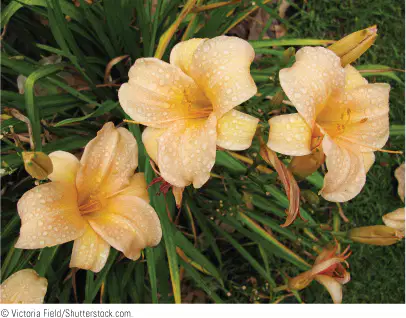
intermediate
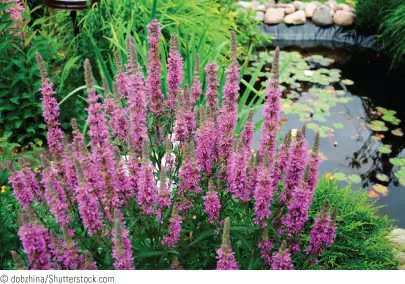
spike
Which one of these flower forms catches the least eye attention?
round
intermediate
spike
Which one of these flower forms catches the least eye attention?
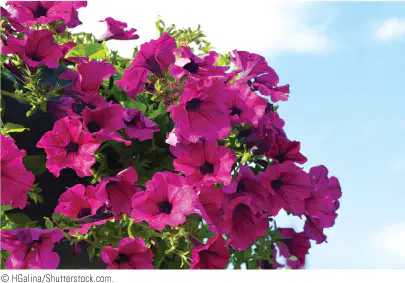
round
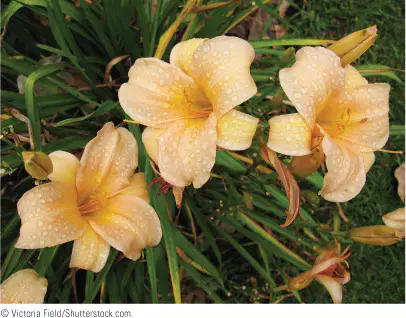
intermediate
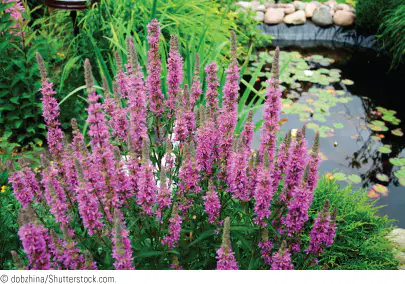
spike
Which flower colors attract the eye less and therefore should be used in greater quantities in the landscape?
pale, pastel colors
dark, vibrant colors
Incompatible colors can coexist within the same flower planting as long as they do not bloom at the same time.
TRUE
FALSE

