
 Worksheets
World History: Final Exam Review
Total questions: 72
Worksheet time: 39mins
'Capitalism vs Communism' can be defined as:
A comparison between two economic and political systems
A type of government
A scientific theory
A form of art
Industrialization is defined as:
The process of developing industries in a country or region on a wide scale.
The study of ancient civilizations.
The practice of traditional agriculture.
The increase in population in rural areas.
Imperialism is defined as:
The policy of extending a country's power and influence through diplomacy or military force.
A system of government in which citizens vote directly on laws.
The belief in equal rights for all people.
A method of peaceful negotiation between nations.
'Rebellions against Imperialism' are defined as:
Movements opposing foreign domination and control
Efforts to expand imperial territories
Policies supporting colonial rule
Agreements between imperial powers
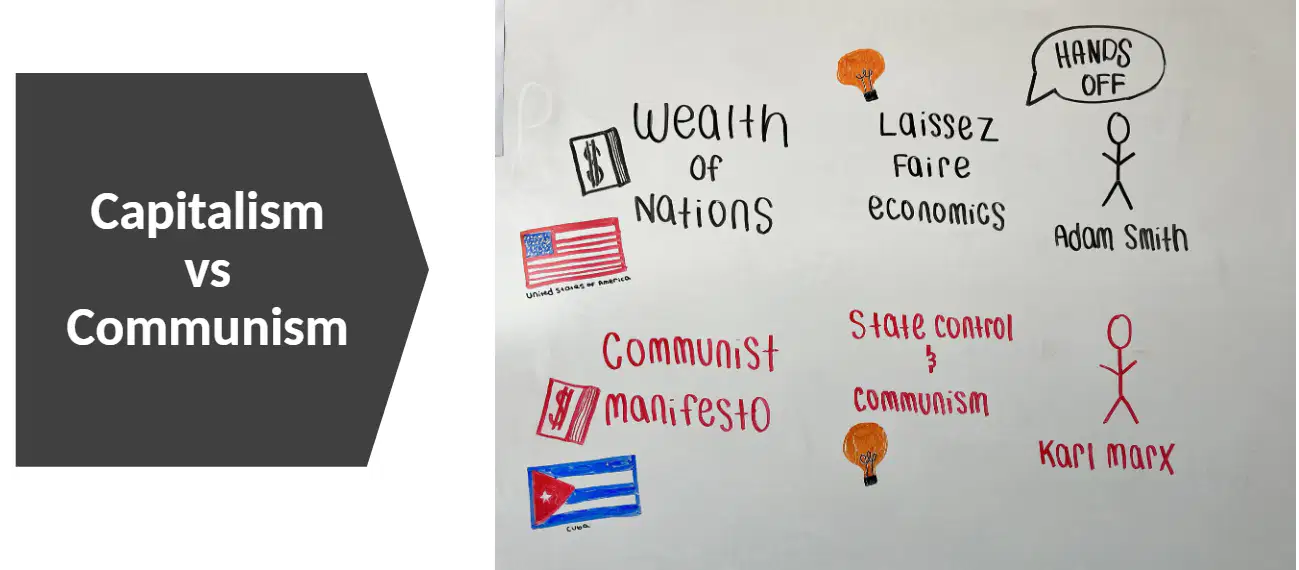
Which book is associated with the concept of Capitalism?
Communist Manifesto
Wealth of Nations
State Control & Communism
Laissez Faire Economics
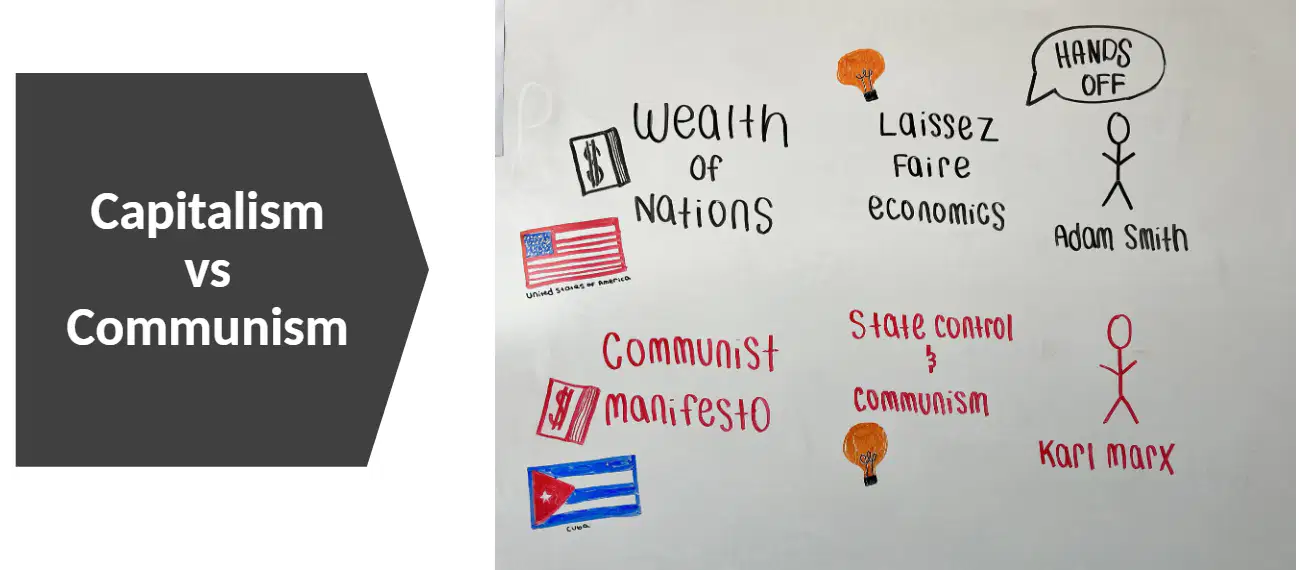
Who is known for the idea of 'Laissez Faire economics' and the phrase 'Hands Off'?
Karl Marx
Adam Smith
Vladimir Lenin
Fidel Castro
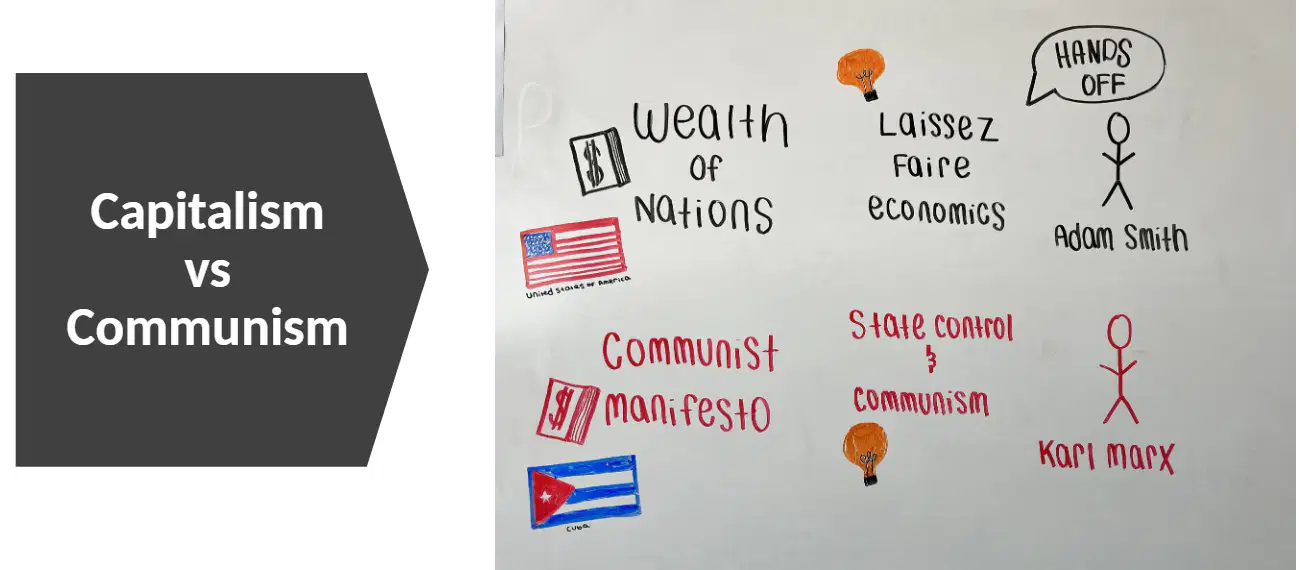
Which economic system is associated with 'State control & communism'?
Communism
Capitalism
Feudalism
Socialism
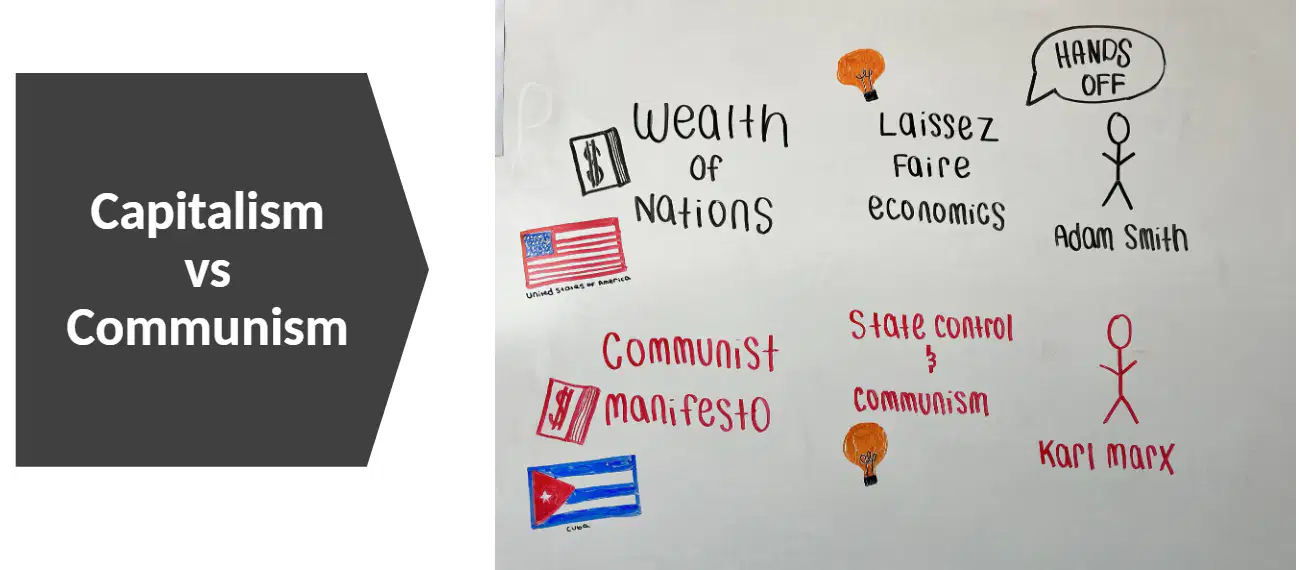
Who wrote the 'Communist Manifesto'?
Adam Smith
Karl Marx
John Locke
Thomas Jefferson
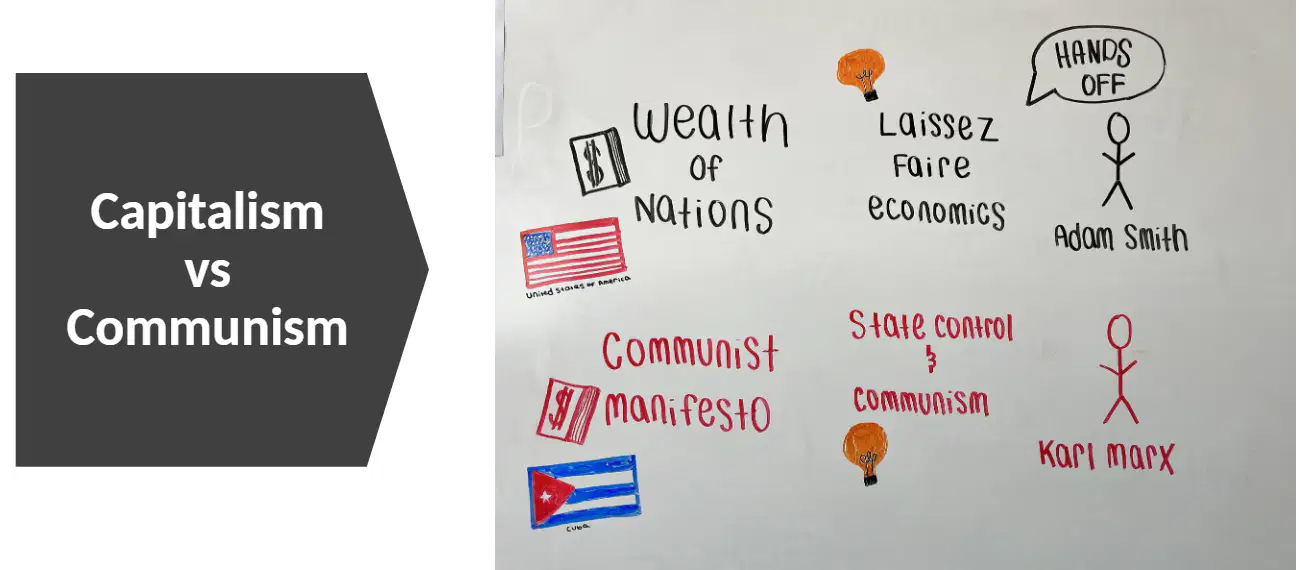
Which country is represented as an example of Capitalism in the image?
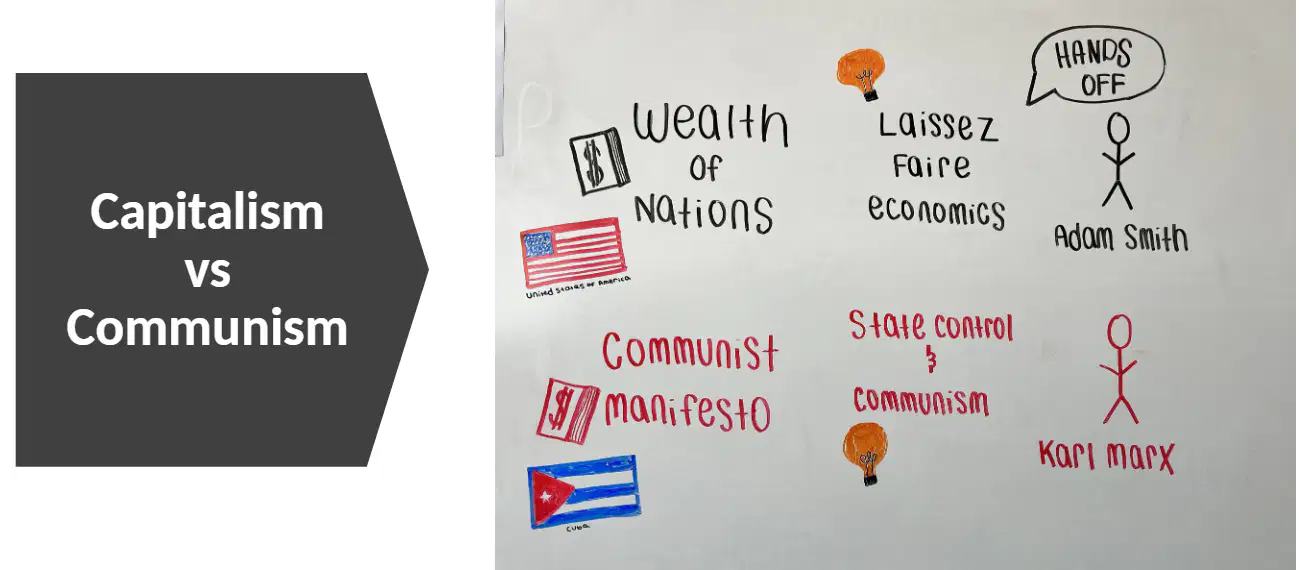
Which country is represented as an example of Communism in the image?
Cuba
France
Japan
Brazil
Read the passage: The Industrial Revolution shifted societies from an agrarian economy to a manufacturing economy where products were no longer made solely by hand but by machines. This led to increased production and efficiency, lower prices, more goods, improved wages, and migration from rural areas.
Societies moved from manufacturing to farming
Products were made solely by hand
Societies shifted from an agrarian economy to a manufacturing economy
There was less migration to urban areas
The Industrial Revolution led to increased production and ________.
efficiency
pollution
poverty
decline
Name two effects of the Industrial Revolution
It led to urbanization and increased factory production.
It caused the fall of the Roman Empire and the rise of feudalism.
It resulted in the discovery of electricity and the invention of the telephone.
It led to the colonization of Africa and Asia.

What does this photograph suggest about working conditions during the Industrial Revolution?
They were safe and comfortable.
They were harsh and dangerous.
They were highly regulated and fair.
They were modern and efficient.
According to the positive and negative effects, what was the main force behind the New Imperialism?
The discovery of new lands
The industrial revolution
The end of wars in Europe
The rise of democracy
The industrial revolution created the need for Europe to take over _______ around the world.
colonies
factories
governments
languages
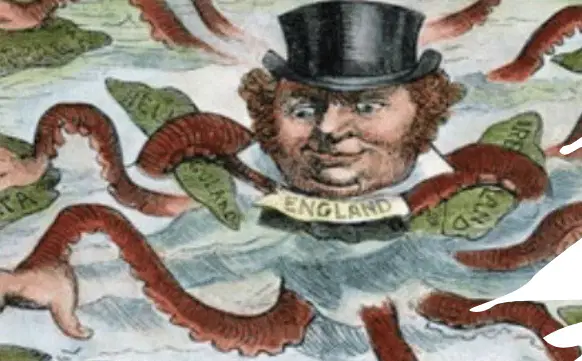
Based on the cartoon, what does the octopus with the face labeled 'England' represent?
England's influence and control over other countries
England's isolation from world affairs
England's peaceful relations with its neighbors
England's economic struggles
The industrial revolution gave Europe the power to successfully take and maintain many colonies overseas.
True
False

The Sepoy Mutiny was a revolt of the sepoy troops in British India (1857–59), resulting in the transfer of the administration of India from the _______ to the crown.
East India Company
British Parliament
Indian National Congress
Mughal Empire

The Boxer Rebellion was an anti-imperialist movement in China which sought to expel _______ from China and end the system of foreign concessions and treaty ports.
foreigners
Chinese officials
peasants
merchants
World War I is:
A global war that took place from 1914 to 1918
A civil war in the United States
A conflict between two cities in Italy
A trade agreement between European countries
The Russian Revolution was:
a series of revolutions in Russia in 1917 that led to the overthrow of the Tsar and the rise of the Soviet Union.
a peaceful transition of power in Russia in 1917.
a war between Russia and Germany in 1917.
an economic reform movement in Russia in 1917.
The Holocaust was:
A period of economic depression in Europe
A genocide during World War II in which millions of Jews were killed by the Nazis
A political movement in Germany
A peace treaty signed after World War I
WWII was:
A world war fought from 1939 to 1945
A civil war in the United States
A conflict between two cities
A peace treaty signed in 1919
Fascism is:
A political ideology characterized by dictatorial power and suppression of opposition.
A form of government based on direct democracy.
An economic system focused on free market principles.
A religious movement promoting peace and tolerance.
What does the acronym M.A.I.N stand for in the context of the causes of World War One?
Militarism, Alliances, Imperialism, Nationalism
Money, Agriculture, Industry, Nationalism
Militarism, Agriculture, Industry, Nationalism
Money, Alliances, Imperialism, Nationalism
What event is considered the spark that started World War One?
Zimmerman Telegram
Assassination of Archduke Franz Ferdinand
Treaty of Versailles
Russian Revolution
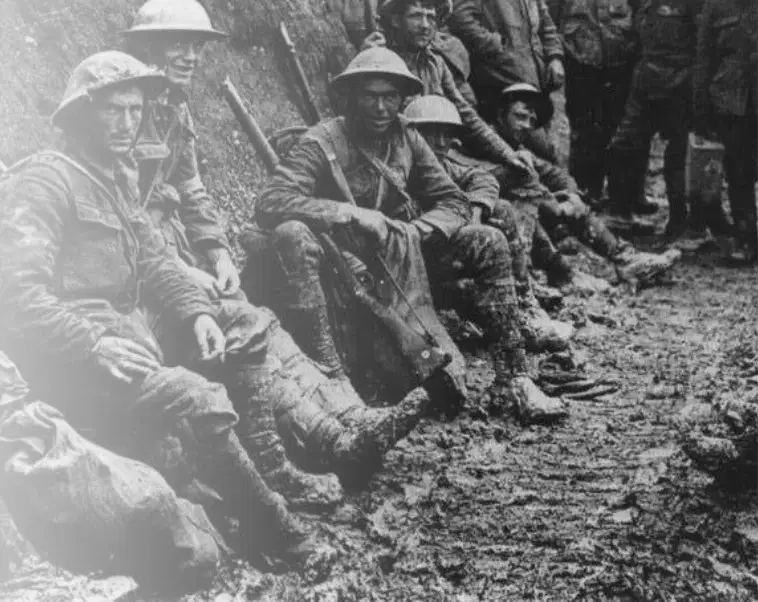
The type of warfare most associated with World War One is ________ warfare.
trench
guerrilla
cyber
aerial
In what year did the United States enter World War One?
1917
1914
1915
1918
What prompted the United States to enter World War One?
Zimmerman Telegram
Treaty of Versailles
Russian Revolution
M.A.I.N Telegram
Lenin left World War One in 1917 due to the ________ Revolution.
Russian
French
American
Chinese
What treaty officially ended World War One?
Treaty of Paris
Treaty of Versailles
Zimmerman Treaty
Treaty of London
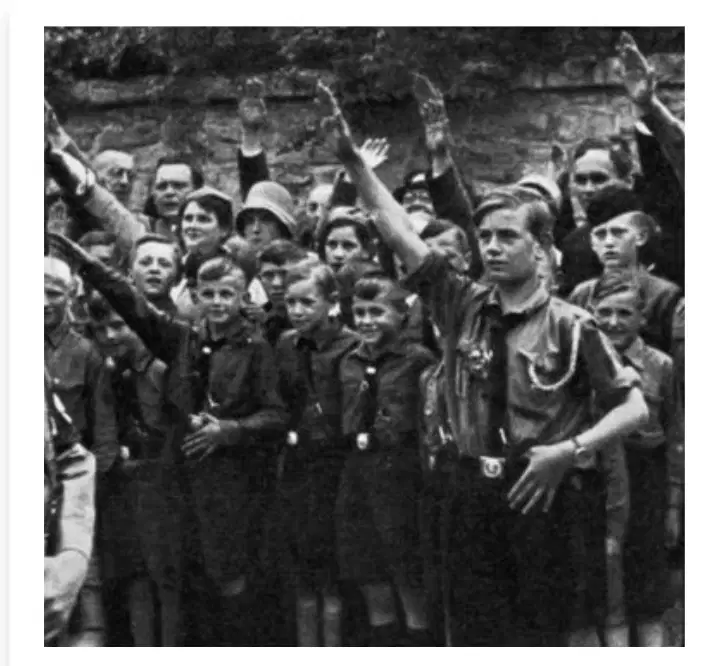
What was the Holocaust?
The genocide of European Jews during World War II
The end of World War I
The signing of the Treaty of Versailles
The fall of the Berlin Wall
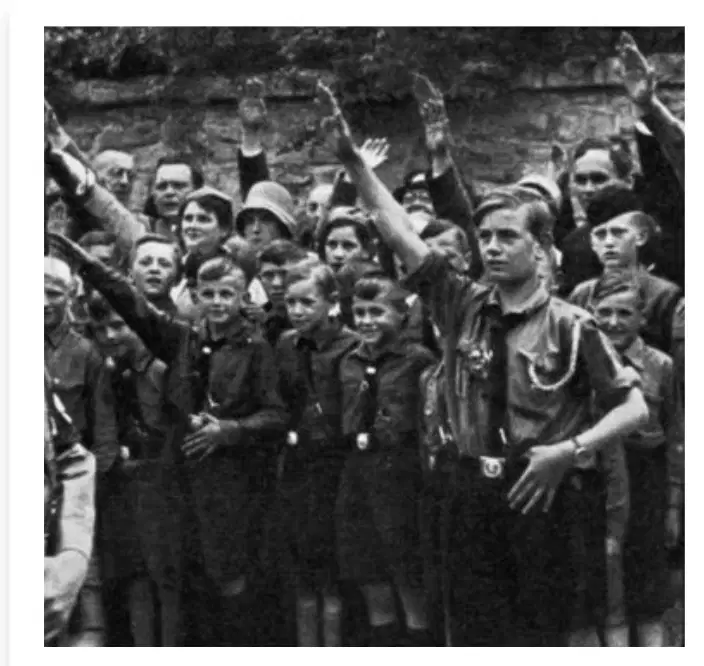
Between which years did the Holocaust take place?
Between 1941 and 1945
Between 1939 and 1941
Between 1945 and 1950
Between 1933 and 1939

Approximately how many Jews were murdered during the Holocaust?
6
3
0
10
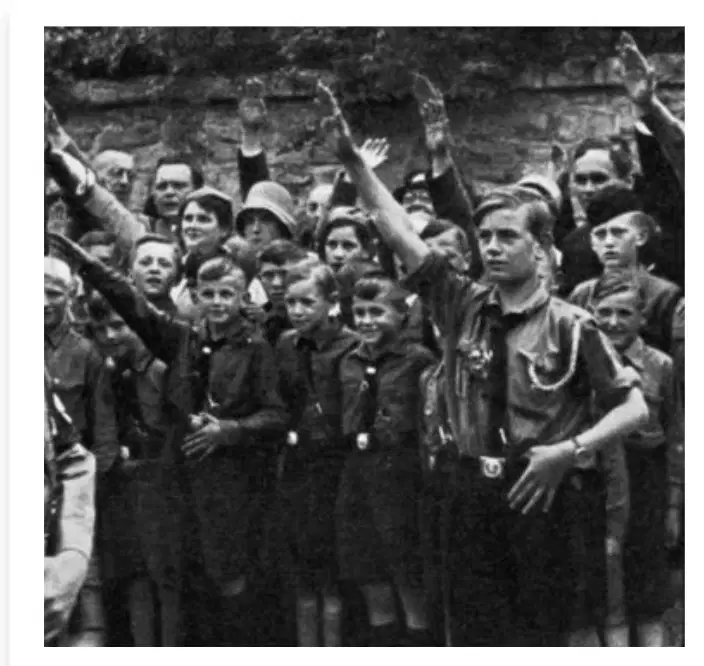
The Holocaust resulted in the murder of around two-thirds of Europe's Jewish population.
True
False
What were some of the major causes of World War II?
The impact of the Treaty of Versailles, worldwide economic depression, failure of appeasement, rise of militarism in Germany and Japan, and the failure of the League of Nations
The discovery of America, the invention of the telephone, and the rise of the Roman Empire
The end of the Cold War, the moon landing, and the invention of the internet
The signing of the Magna Carta, the French Revolution, and the Industrial Revolution
In what year did the United States enter World War II, and what event prompted this entry?
The United States entered World War II in 1941 with the bombing of Pearl Harbor.
The United States entered World War II in 1939 with the invasion of Poland.
The United States entered World War II in 1945 with the dropping of the atomic bomb.
The United States entered World War II in 1943 with the Battle of Stalingrad.
Which of the following were significant military technologies or weapons used during World War II?
U-Boats and Atomic Bombs
Steam engines and catapults
Crossbows and chariots
Hot air balloons and muskets
What is the definition of fascism?
A way of organizing a society in which a government ruled by a dictator controls the lives of the people and in which people are not allowed to disagree with the government.
A system where people vote for every law directly.
A government where power is shared equally among all citizens.
A society with no government at all.'
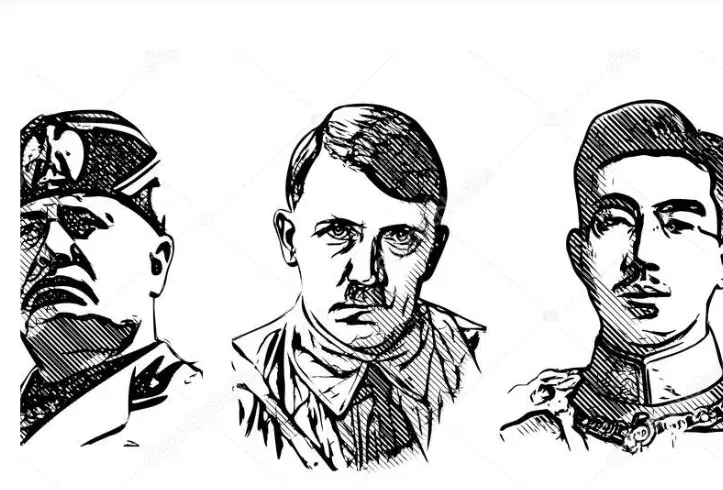
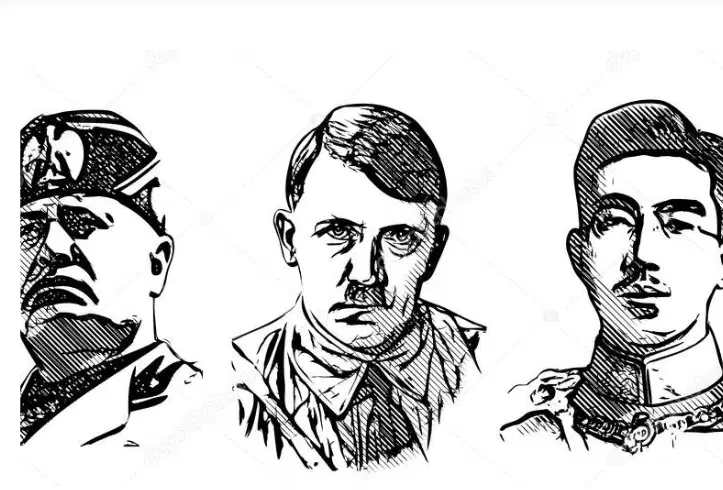
Who was the fascist leader of Italy?
Mussolini
Hitler
Hirohito
Churchill
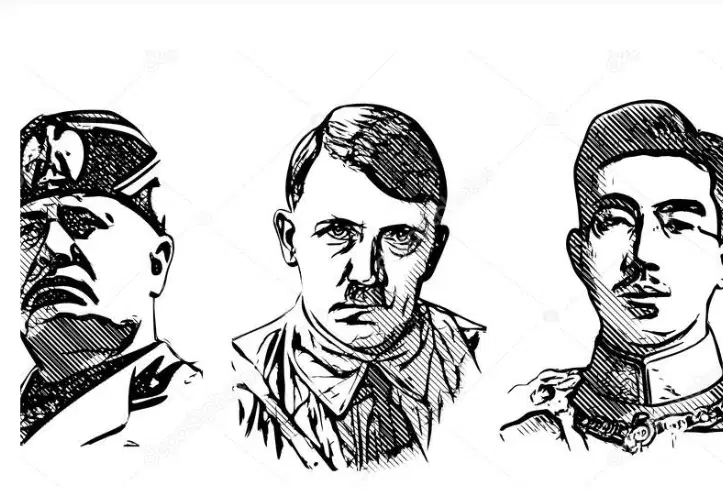
Who was the fascist leader of Germany?
Mussolini
Hitler
Hirohito
Stalin
Who was the fascist leader of Japan?
Mussolini
Hitler
Hirohito
Roosevelt
Which countries formed the Axis powers in WWII?
Italy, Germany, Japan
France, Britain, USA
Russia, China, USA
Spain, Portugal, Greece
________ refers to the strategies and actions adopted by the United States government in domestic and foreign affairs.
U.S. policies
U.S. geography
U.S. cuisine
U.S. literature
________ were two opposing military alliances during the Cold War, one led by the United States and the other by the Soviet Union.
NATO / Warsaw Pact
UN / League of Nations
Axis / Allies
Triple Entente / Central Powers
________ describes the diplomatic and political interactions between the United States and countries with communist governments.
U.S. relations with Communism
U.S. relations with Democracy
U.S. relations with Capitalism
U.S. relations with Monarchies
The ________ was a period of political tension and military rivalry between the United States and the Soviet Union after World War II.
Cold War
Industrial Revolution
Renaissance
Great Depression
________ was the founding father of the People's Republic of China and a key figure in the spread of communism in Asia.
Mao Zedong
Sun Yat-sen
Chiang Kai-shek
Deng Xiaoping
________ was a leader of the Indian independence movement against British rule, known for his philosophy of nonviolent resistance.
Gandhi
Hitler
Churchill
Napoleon
What was the main aim of the Truman Doctrine?
Preventing the spread of communism.
Promoting economic cooperation in Europe.
Establishing the United Nations.
Ending colonial rule in Asia.
Which U.S. policy stated that the USA would help any country under attack by armed minorities?
Marshall Plan
Truman Doctrine
Monroe Doctrine
New Deal
The Marshall Plan was an economic policy designed to help which region's economy recover after the destruction of the War?
Europe's economy
Asia's economy
Africa's economy
South America's economy
The Marshall Plan was seen by some historians as an attempt by the USA to extend their influence or contain communism.
True
False
The purpose of the Truman Doctrine was to:
Support countries resisting communism
Promote global trade
Encourage scientific research
Expand U.S. territory
Read the passage: The Warsaw Pact embodied what was referred to as the Eastern bloc, while NATO and its member countries represented the Western bloc. NATO and the Warsaw Pact were ideologically opposed and, over time, built up their own defenses starting an arms race that lasted throughout the Cold War. Which bloc did the Warsaw Pact represent?
Western bloc
Eastern bloc
Southern bloc
Northern bloc
NATO and the Warsaw Pact were ideologically ________.
opposed
identical
unrelated
supportive
Read the passage: The Warsaw Pact embodied what was referred to as the Eastern bloc, while NATO and its member countries represented the Western bloc. NATO and the Warsaw Pact were ideologically opposed and, over time, built up their own defenses starting an arms race that lasted throughout the Cold War.
True
False
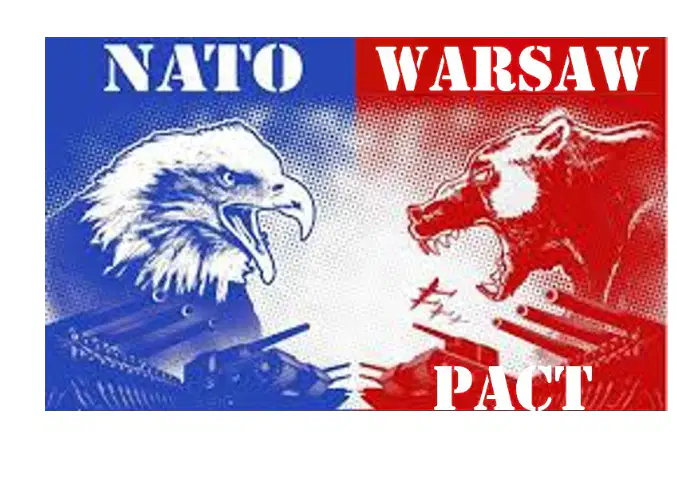
Which animal is used to represent NATO in the image?
Bear
Eagle
Lion
Wolf
Read the passage: To combat the influence and spread of communism around the world, the United States used diplomacy to promote democracy. To the United States and its allies, communism represented a threat to free trade, free elections, and individual freedoms. This threat was heightened by the increased number of nuclear weapons. What did the United States use to promote democracy around the world?
Military force
Diplomacy
Economic sanctions
Isolationism
What did communism represent a threat to, according to the United States and its allies?
Free trade, free elections, and individual freedoms
Military alliances
Economic growth only
Religious freedom only
How did the increased number of nuclear weapons affect the threat of communism?
Made it worse
Made it better

What event are the protestors referring to with their signs, and what message are they trying to send to President Kennedy?
The protestors are referring to the Freedom Rides and are urging President Kennedy to support civil rights.
The protestors are referring to the Vietnam War and are urging President Kennedy to withdraw troops.
The protestors are referring to the Cuban Missile Crisis and are urging President Kennedy to negotiate peace.
The protestors are referring to the Space Race and are urging President Kennedy to increase funding.
Mao Zedong was the founder of the _________
People's Republic of China
United States of America
Soviet Union
Republic of India
Who brought Communism to China?
Sun Yat-sen
Chiang Kai-shek
Mao Zedong
Deng Xiaoping
What was the Long March?
A peace treaty
A military retreat led by the Communist party for 6,000 miles
An economic reform
A cultural movement
What was the primary goal of the Marshall Plan after World War II?
To rebuild European economies and prevent the spread of communism
To establish a global peacekeeping organization
To create a unified European military force
To promote cultural exchanges between Europe and Asia
Which event marked the beginning of the Great Depression?
The signing of the Treaty of Versailles
The stock market crash of 1929
The end of World War I
The discovery of penicillin
What was the main purpose of the League of Nations?
To explore and colonize new territories
To establish a single world government
To promote global trade and economic growth
To maintain world peace and prevent future wars
What was the primary cause of the Cold War?
The invention of the telephone
The signing of the Magna Carta
The discovery of America
Ideological differences between the United States and the Soviet Union
Which event marked the end of World War II in Europe?
The signing of the Treaty of Versailles
The bombing of Pearl Harbor
The Russian Revolution
The fall of Berlin
Who was the leader of the Soviet Union during the Cuban Missile Crisis?
Mikhail Gorbachev
Leonid Brezhnev
Nikita Khrushchev
Joseph Stalin

