
NEW
Font size
 Worksheets
7th Grade Semester 2 Final Review
Total questions: 61
Worksheet time: 45mins
A rock that forms from other rocks as a result of intense heat, pressure, or chemical processes
Granite
Sedimentary Rock
Igneous Rock
Metamorphic Rock
Continental Drift
A block of lithosphere that consists of the crust and the rigid, outermost part of the mantle
Weathering
Sedimentary Rock
Tectonic Plate
Erosion
Subduction
The solid, outer layer of Earth that consists of the crust and the rigid upper part of the mantle
Lithosphere
Asthenosphere
Mineral
Erosion
Continental Drift
The movement of matter due to differences in density that are caused by temperature variations.
Continental Drift
Mantle
Convection
Plate Boundary
Rock Cycle
A geologic process in which one edge of one crustal plate is forced below the edge of another.
Convection
Geological Time
Continental Drift
Subduction
Erosion
The upper layer of the mantle made of partially molten rock and where the convection currents occur that cause the tectonic plates to move
Lithosphere
Asthenosphere
Erosion
Plate Boundary
Rock Cycle
A location where two tectonic plates interact and they can be divergent, convergent or transform.
Plate Boundary
Lithosphere
Geological Time
Erosion
Continental Drift
A naturally formed, inorganic solid with a crystalline structure
Rock Cycle
Metamorphic
Igneous Rock
Sedimentary Rock
Mineral
The series of processes in which rock forms, changes from one type to another, is destroyed, and forms again by geologic processes
Geological Time
Erosion
Rock Cycle
Convection
Weathering
The natural process by which atmospheric and environmental agents, such as wind, rain, and temperature change disintegrate, and decompose rocks.
Erosion
Plate Boundary
Lithosphere
Weathering
Asthenosphere
A rock that forms from compressed or cemented layers of sediment
Sedimentary Rock
Metamorphic Rick
Geological Time
Rock Cycle
Igneous Rock
The process by which wind, water, ice or gravity transports soil and sediment from one location to another.
Continental Drift
Igneous Rock
Lithosphere
Erosion
Asthenosphere
The standard method used to divide Earth’s long natural history into manageable parts - eons, eras, periods, and epochs
Epochs and Erosion
Geological Time
Lithosphere
Asthenosphere
Subduction
Rock that forms when magma cools and solidifies
Erosion
Granite Rock
Igneous Rock
Sedimentary Rock
Rock Cycle
The group of organs that work together to circulate blood through the body, supply oxygen and nutrients, and remove waste
Digestive System
Organelle
Organ system
Circulatory System
A group of organs and tissues specialized for the rapid transmission and processing of information
Photosythesis
Digestive system
Nervous system
Endocrine system
The group of organs that work together to break down food by physical and chemical processes into nutrients that the body can use
Digestive System
Endocrine System
Integumentary System
Respiratory System
The group of organs that supply oxygen to the blood and get rid of carbon dioxide
Integumentary System
Respiratory system
Nervous System
Endocrine System
the system including the thymus, spleen, lymph nodes, white blood cells and antibodies that protects the body from disease-causing substances
digestive system
immune system
lymphatic system
muscular system
Which system provides oxygen and removes carbon dioxide?
digestive
muscular
respiratory
nervous
Which system controls all parts of your body and sends/receives messages?
muscular
digestive
circulatory
nervous
Which system carries blood to and from body cells?
muscular
circulatory
skeletal
respiratory
Which of the following is a component of the circulatory system?
heart
blood vessels
blood
all answers
Both a plant and animal cells have a cell wall
True
False
What is the power house in the plant and animal cell?
nucleus
mitochondria
Cell membrane
none of the above
What is the large sac that holds food, water, and waste?
Cytoplasm
Vacuole
Nucleus
Mitochondria
Which cell has chloroplast?
Plant cell
Animal cell
Both
Neither one of them have chloroplast
What is the cell membrane?
Power House
Its the outer layer of a cell
Large sac that holds food, water, and waste
Jelly like substance
This cell part is in ALL cells. It is the gel-like substance that provides cell shape.
Chloroplasts
Cell membrane
Cytoplasm
Nucleus
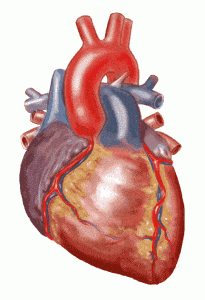
The control center for the cell.
vacuole
cytoplasm
nucleus
cell membrane
The "powerhouse" of the cell; breaks down food to make energy for the cell.
organelles
cell
mitochondria
cytoplasm

The two kinds of cells are Prokaryotes and Eukaryotes. How are they different?
Prokaryotes have a nucleus.
Eukaryotes have a nucleus.
There is no difference.

organs
nucleus


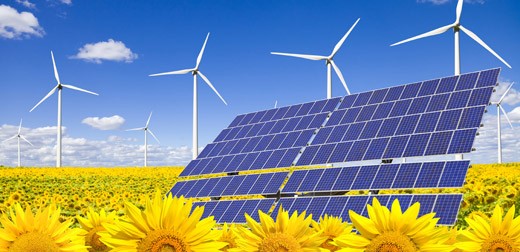
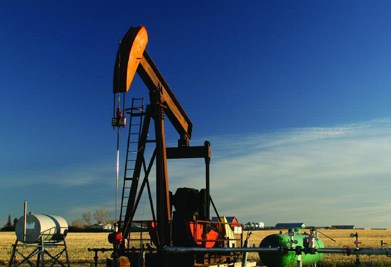
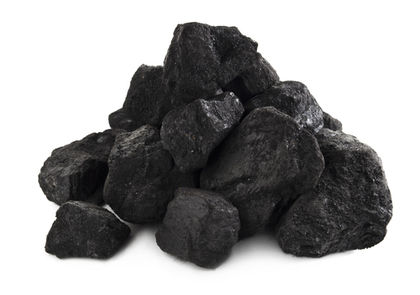
Moving water, tides, and dams are examples of _________.
Hydropower
Biomass
Geothermal
Nuclear Fusion
_________ comes from the intense heat beneath Earth's surface.
Hydropower
Biomass
Geothermal
Nuclear Fusion

Where would you find oil and gas deposits?
On top of the soil
Below sand, silt and rock

