
 Worksheets
NYS Bio Regents Prep 2.0
Total questions: 79
Worksheet time: 4hrs 57mins
Studying fossils provides evidence for evolution because fossils
take a long time to form
can show patterns of biological change over time
always contain complete DNA sequences
found in the same area are usually closely related to each other
Sexually reproduced offspring have traits similar to their parents because they receive
all of the proteins from each parent
some of the proteins from both parents
all of the genes present in both parents
some of the genes present in each parent
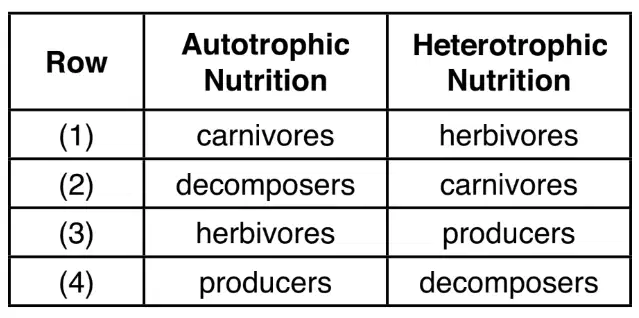
Which row in the chart below correctly pairs a group of organisms with the type of nutrition they carry out?
carnivores - herbivores
decomposers - carnivores
herbivores - producers
producers - decomposers
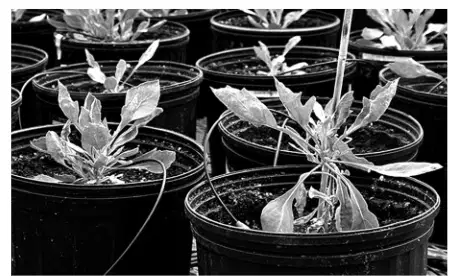
Rubber usually comes from petroleum or from the Asian rubber tree plant. Scientists have modified a single trait in the domestic plant, guayule, to increase its ability to produce rubber for commercial use. Young guayule plants are shown in the photograph below. The process that was most likely used to modify the plants’ trait and increase their natural rubber production was
selective breeding of two similar plant varieties
genetic recombination during sexual reproduction
genetic engineering to alter a specific gene
fertilizing the plants with key substances found in petroleum
Which molecules are normally found in single-celled organisms?
organic molecules, only
inorganic molecules, only
both organic and inorganic molecules
neither organic nor inorganic molecules
Hammerhead sharks are unlike most other shark species. Nearly all shark species either lay eggs or give birth to live young after their eggs hatch internally. Hammerhead sharks form a placenta, a structure more commonly found in mammals, such as humans. One role of the placenta in the development of offspring is normally to
produce blood cells
produce gametes
provide milk
transfer nutrients
PCR, Polymerase Chain Reaction, is a method for carrying out DNA replication. In order to perform this technique, a scientist would need
a DNA template, ATP, and 20 different amino acid subunits
enzymes, several types of simple sugars, and starch molecules
a DNA template, enzymes, and subunits with A, G, T, and C bases
enzymes, specific receptor molecules, and several hormones
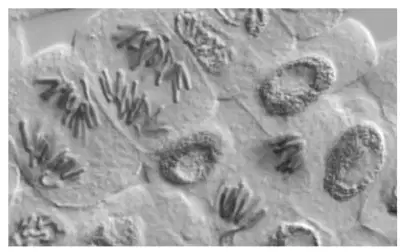
A student used a microscope to examine some cells. He observed strands located in the nuclei of these cells. These strands are responsible for coding different proteins and are known as
chromosomes
mitochondria
ribosomes
chloroplasts
Farmers have been planting crops that express an insecticide gene, so that when pests consume these crops, the pests are poisoned. Unfortunately, since these plants were introduced in 1996, growing numbers of insect pests have developed resistance to the insecticide. The process that led to the insect resistance can best be explained by
ecological succession
selective breeding
asexual reproduction
natural selection
Killer whales are an endangered species. The decline in the whales’ numbers has been linked to poor nutrition, resulting in the inability to maintain a pregnancy. This risk to developing whale embryos is most likely a result of
an environmental factor not associated with the embryo’s genes
an infection caused by the embryo’s exposure to a pathogen
faults in the genes of the embryo itself
toxins that are introduced into the mother from the embryo’s blood
A biotechnology tool, known as CRISPR-Cas9, allows scientists to precisely edit genes. In order to edit genes, CRISPR-Cas9 must be able to
alter the base sequence of DNA
prevent cells from differentiating
block cell receptors from receiving signals
change the rate at which a cell uses ATP
By measuring the colors of light reflected by different tree species in a forest, scientists can determine the amount of biodiversity present in different areas. Maintaining biodiversity is important because it
reduces the carrying capacity of a forest ecosystem
guarantees that all species within a forest ecosystem will survive
increases the number of predators that control the population size of prey
ensures the availability of a variety of genetic material
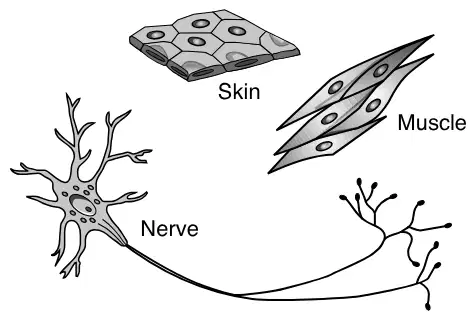
The cells in the diagram below were present in the same individual. These cells are most similar in the
amount of energy they release
type of proteins they synthesize
rate of their metabolism
information stored in their DNA
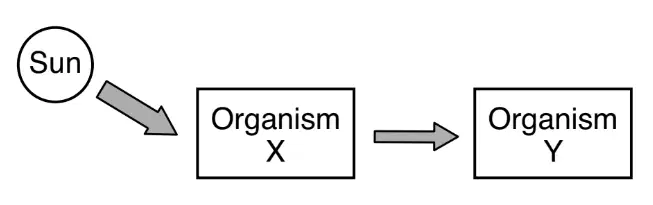
The model below summarizes one pathway of energy transfer in an ocean ecosystem. The type of organism represented by box X could be
algae
fungi
small fish
sea birds
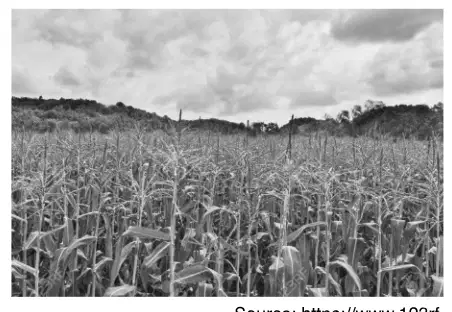
In New York State, it is common for farmers to plant large fields of one crop, such as the cornfield shown below. A negative outcome of this practice is that
the corn will interbreed with weeds in the area
new predators will be introduced into the ecosystem
the stability of the ecosystem will be reduced
new species of insect-resistant corn will evolve
The process of differentiation is best described as the
production of a genetically identical copy of an organism
change in shape of a protein due to high temperatures
process by which cells specialize and develop into a specific type of cell
process in which genes are made and transferred into other organisms
Humans are able to positively or negatively affect their environment in many ways. Which statement accurately describes one of these possible effects?
A positive environmental effect is that burning fossil fuels to generate electricity reduces carbon dioxide levels in the atmosphere.
A positive environmental effect is the cutting of trees in rain forests to provide large quantities of lumber to build homes for the increasing world population.
A negative environmental effect is that industrialization provides many jobs and helps the economy grow.
A negative environmental effect is that unregulated fishing in the ocean can disrupt the interactions between organisms in existing food webs.
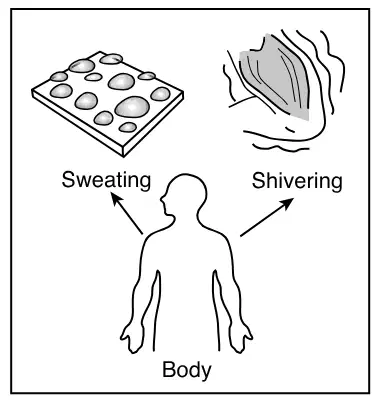
Changes in external temperatures often result in a person either sweating or shivering. These responses are one way
to counteract feedback mechanisms that would otherwise be beneficial
to make the body release insulin to control blood circulation
the body is able to maintain dynamic equilibrium
skin and muscle cells are able to disrupt homeostasis
Which statement about the response of the body to pathogens is correct?
Red blood cells engulf invaders and produce antibodies that attack invaders.
Vaccinations may contain weakened microbes that stimulate the formation of antibodies.
AIDS is a bacterial disease that strengthens the immune system.
All allergic reactions are caused by an immune response to microorganisms.
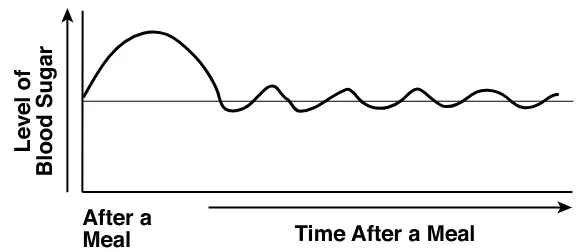
Blood sugar levels increase after a meal and eventually return to normal. This constant correcting of blood sugar levels within the body is accomplished by
a feedback mechanism
an immune response
an allergic reaction
manipulating a gene
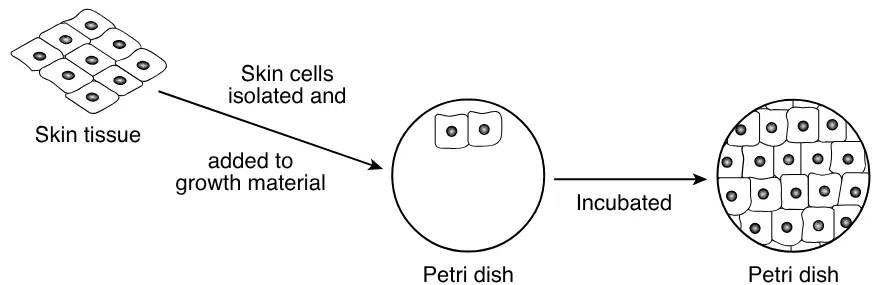
Sheets of skin are grown in a culture to replace the skin of victims with severe burns or frostbite. These new skin cells form as a result of
meiotic cell division
sexual reproduction
mitotic cell division
gene recombination

Which graph below best represents the relationship between the relative number of nuclei, genes, and chromosomes in a typical human cell?
Graph 1
Graph 2
Graph 3
Graph 4
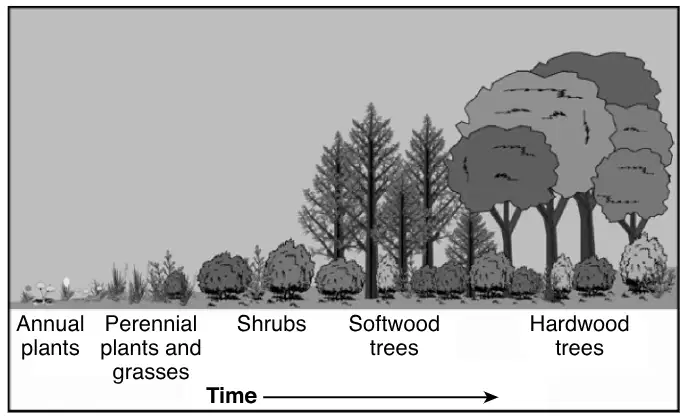
The diagram below represents a biological process. Which statement is true about the biological process shown?
This is a short-term process resulting from sudden changes.
This process cannot be altered by humans and other organisms.
If the hardwood trees are destroyed, the altered ecosystem cannot recover.
The shrubs modify the environment, making it more suitable for the softwood trees.
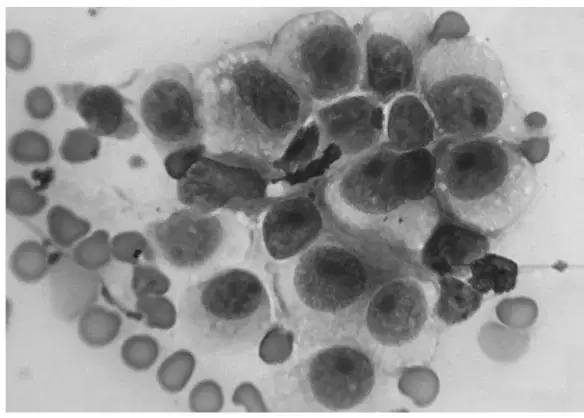
Cells may divide abnormally and produce cells like some of those shown in the photograph below. When cells such as the skin cells shown reproduce abnormally, it could be a sign of
an immune response
dynamic equilibrium
cancerous cell growth
a cellular adaptation

Only an electron microscope can be used to view
bacteria
mitochondria
animal cells
viruses
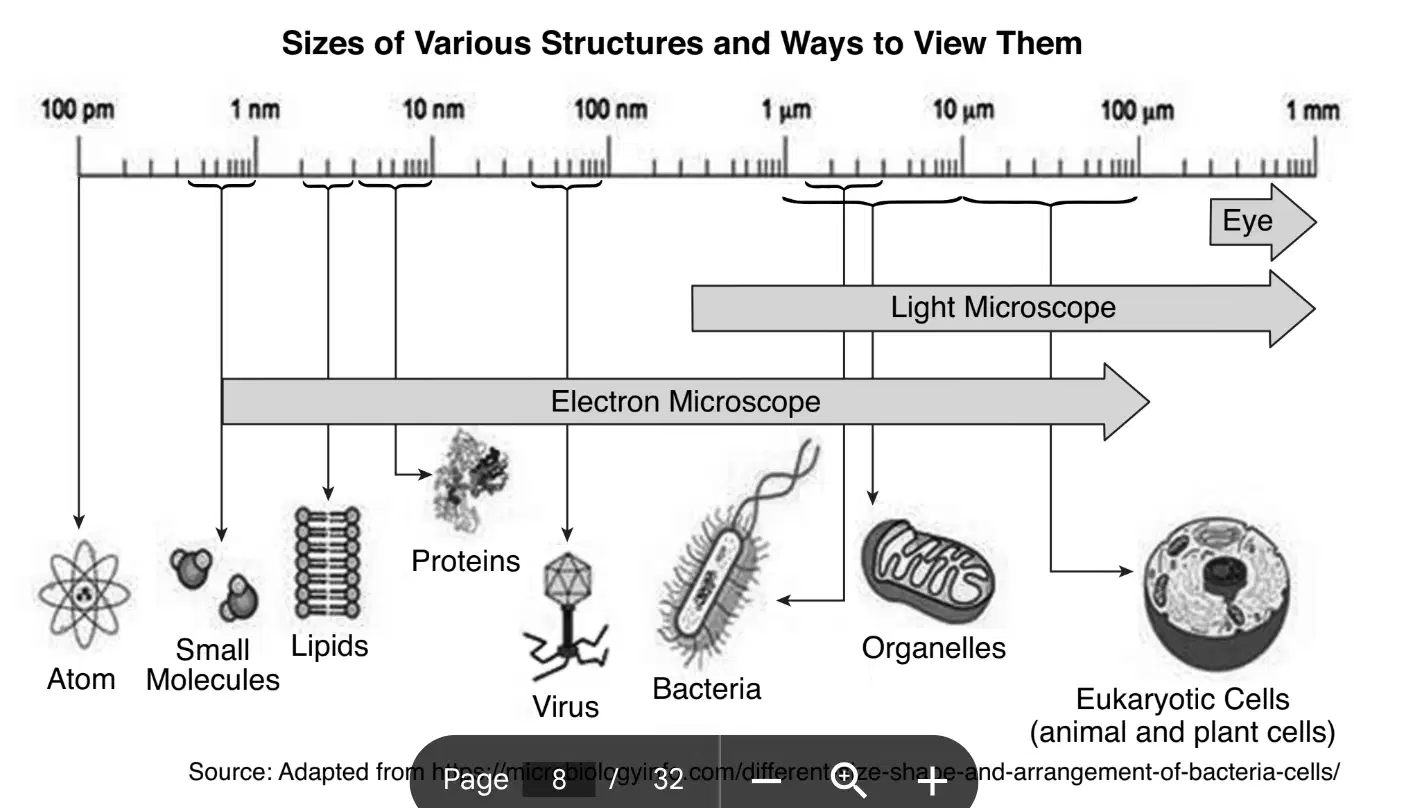
A scientist is developing a system to remove harmful bacteria from a contaminated water supply. In order to trap the bacteria and prevent them from going through the filter, she must make sure the pores in the filter are no larger than
1 nm
1 µm
10 µm
100 µm
For native human populations in tropical areas, the intensity of ultraviolet (UV) rays from the Sun is strong, and skin color is generally dark. Melanin pigments found in people with darker skin color help block the effects of the UV radiation on skin cells. In tropical areas, the best explanation for having increased melanin in human skin cells is that it
increases the occurrence of mutations
provides a survival advantage
acts as a feedback mechanism to increase UV exposure
produces antibodies that destroy pathogens
Smoking increases the risk of certain cancers of the mouth, esophagus, pancreas, kidneys, and uterus. This finding would be most reliable if it were based on
data collected from patients in one cancer-research hospital
research done by scientists in many different countries
reading the information on cigarette cartons
cancer information published on social media sites
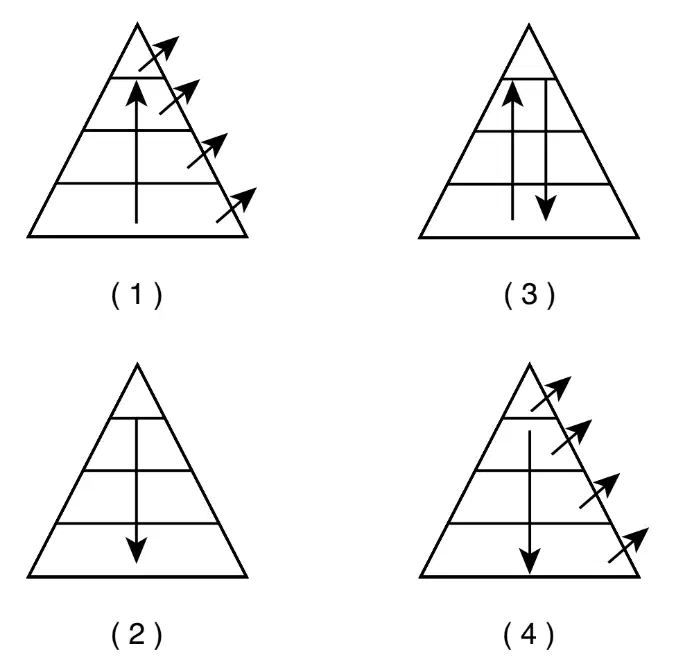
Which diagram below best represents the direction that energy flows through an energy pyramid?
Diagram 1
Diagram 2
Diagram 3
Diagram 4

Which conclusion is correct, based on the evolutionary tree?
All of these species have certain DNA sequences in common.
Species S is the best adapted of all the species shown.
A common ancestor of species L and M is species N.
Species O and P are more closely related than species P and Q.
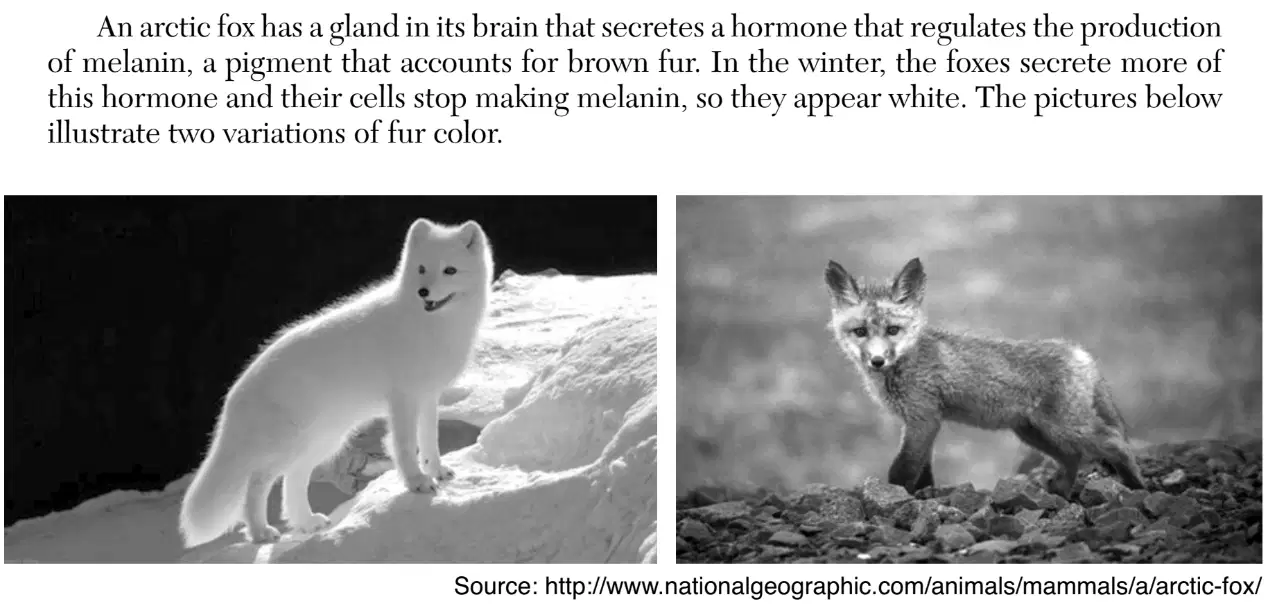
Which statement is the most likely explanation for the color differences in the fur of the fox at different times of the year?
Mutations can be caused by changes in the number of biotic factors in the environment.
The expression of genes can be modified by the external environment.
Hereditary information is contained in genes located in the chromosomes of each cell.
Random changes in DNA can occur to change the expression of a gene.

Which statement describes an observation that would best support the continued study of using antibodies produced by the new technique against the flu?
A group of 50 mice with flu antibodies formed using the new technique were exposed to mutated forms of the flu. None of the mice became ill.
The use of these antibodies in mice stopped mutations that occur in flu viruses.
Chemical tests showed that the stem antibodies attached to the heads of some flu viruses and destroyed them.
Blood tests showed that only “stem” antibodies attacking the stem of flu antigens can cause the flu in mice. Those attacking the “head” did not.
Which statement most correctly describes how the digestive and immune systems interact when an individual comes down with a foodborne illness?
Chemicals produced by pathogens enter the immune system through a cut in the skin. The circulatory system carries the chemical to the digestive system, resulting in foodborne illness.
When specific chemicals produced by pathogens enter the digestive system in contaminated foods, the ability of the immune system to fight off foodborne illness is reduced.
When foods contaminated with pathogens are eaten, the immune system prevents the pathogens from entering the digestive system.
The digestive system breaks down the pathogens in the contaminated foods so that they are harmless. These harmless pathogens are then transferred to the immune system.
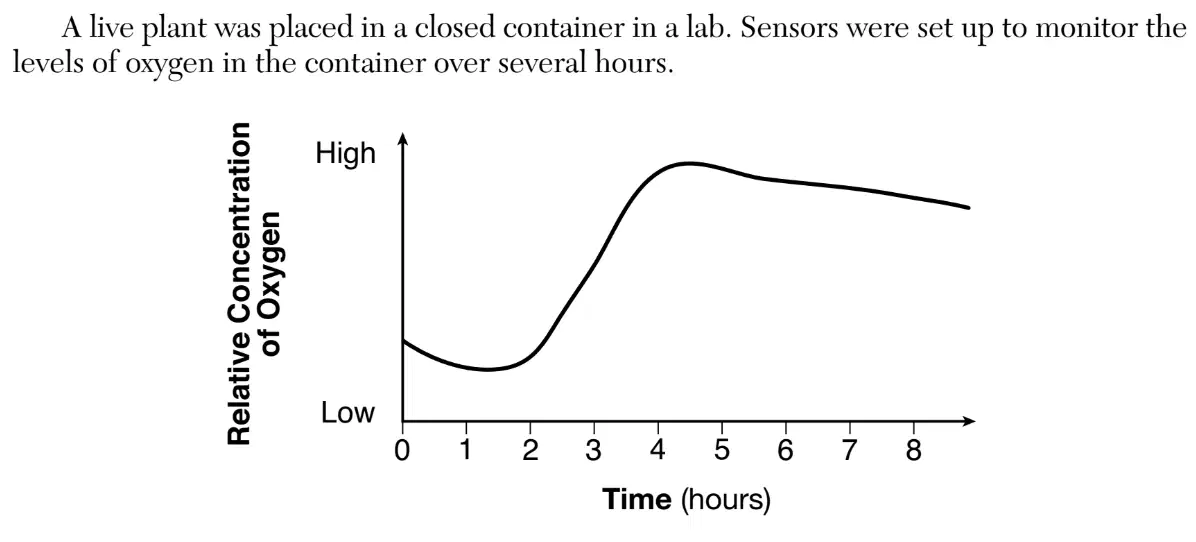
At which hour were the lights turned on in the lab?
8
2
0
4
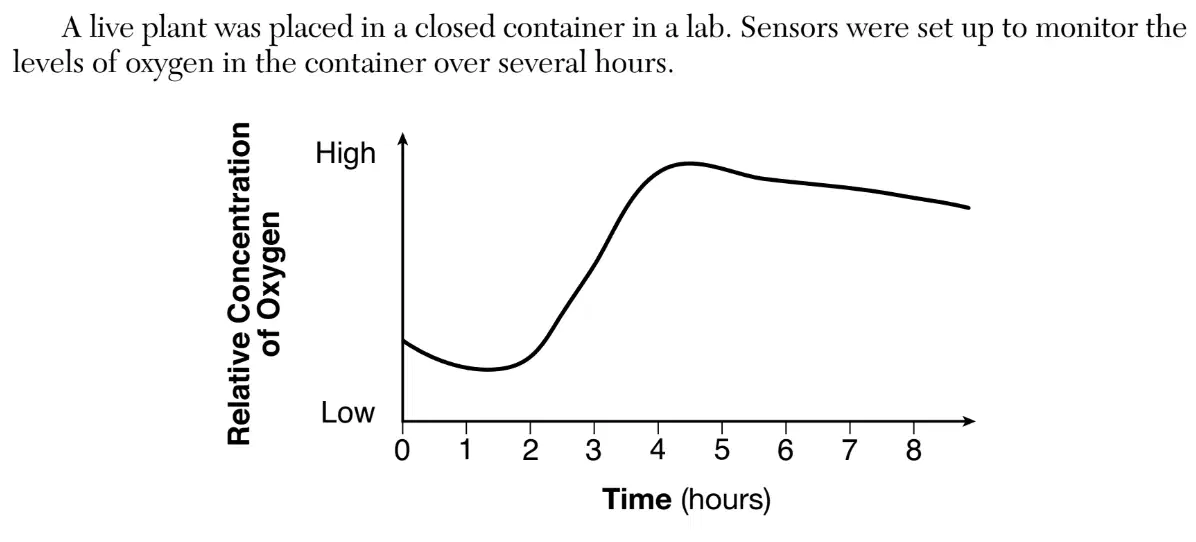
During the 8 hours studied, the plant performed
photosynthesis, only
respiration, only
both photosynthesis and respiration
neither photosynthesis nor respiration
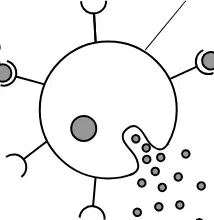
Antihistamines are medications taken to block allergic reactions. Which of the antihistamine molecules represented below would be the most effective?
Triangle
Square
Rectangle
Circle
What is the primary way West Nile Virus (WNV) is transmitted to humans?
Through contaminated water
By direct contact with infected birds
By mosquitoes that have bitten infected birds
Through airborne particles
Which animal is known to get sick and die when infected with WNV?
Horses
Crows
Dogs
Chipmunks
What is the approximate incidence of WNV per 100,000 people in the U.S. in 2010?
0.91
0.20
0.42
0.50
What is a severe symptom of WNV in humans?
Skin rash
Inflammation of the brain and spinal cord
Nausea
Muscle cramps
In which year was the incidence of WNV highest according to the table?
2002
2004
2006
2012
What is the first step in constructing a line graph based on the given data?
Plot the data points randomly
Mark an appropriate scale on each labeled axis
Draw a bar graph instead
Use a pie chart for better visualization

How should the data points be represented on the graph for the incidence of West Nile virus?
With triangles
With small circles
With squares
With stars
The data represented on the maps best indicate that:
Birds have spread WNV to every state in the United States.
New York State has the highest rate of WNV infection for both of the years shown.
Once WNV reaches a state, the number of people infected increases every year.
For any given year, it is difficult to know which states will have the greatest number of cases.
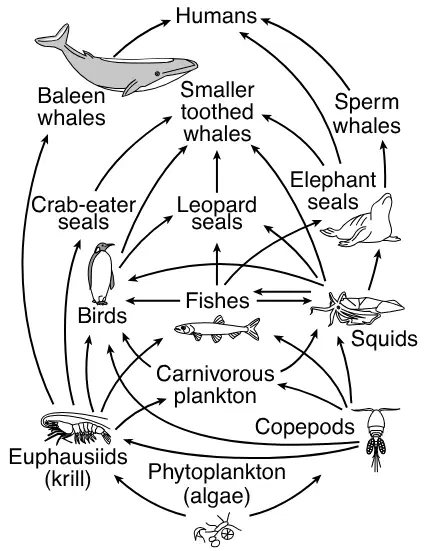
Based on the food web, the population that contains the greatest amount of available energy would be
seals
fishes
phytoplankton
humans
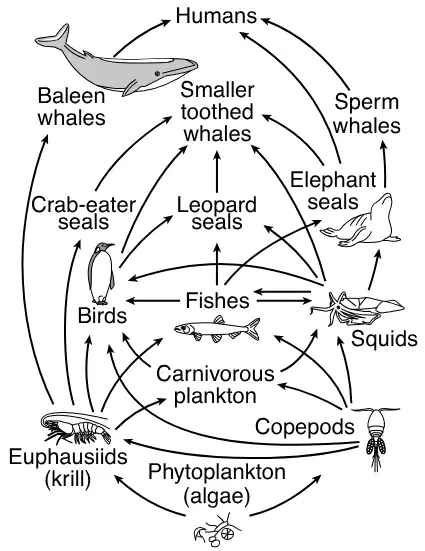
Which statement best describes what would happen in this ecosystem if the phytoplankton were removed from the food web?
Copepods and krill would fill the vacant niche.
The number of heterotrophs would increase.
The food web would be disrupted, and organisms would die.
The food web would remain stable.

Scientists are interested in studying the effects of a mother’s alcohol consumption on the
brain development of the fetus during pregnancy. In order to collect data, scientists typically
use newborn rats because the rats’ brain development after birth is roughly equivalent to that
of a human fetus during the third trimester (late in pregnancy). Scientists divided newborn
rats into four groups and exposed them to alcohol using the following methods:
State the relationship between peak blood alcohol concentration and total brain weight for alcohol-exposed newborn rats.
As peak blood alcohol concentration increases, total brain weight decreases.
As peak blood alcohol concentration increases, total brain weight increases.
There is no relationship between peak blood alcohol concentration and total brain weight.
Both peak blood alcohol concentration and total brain weight remain constant.
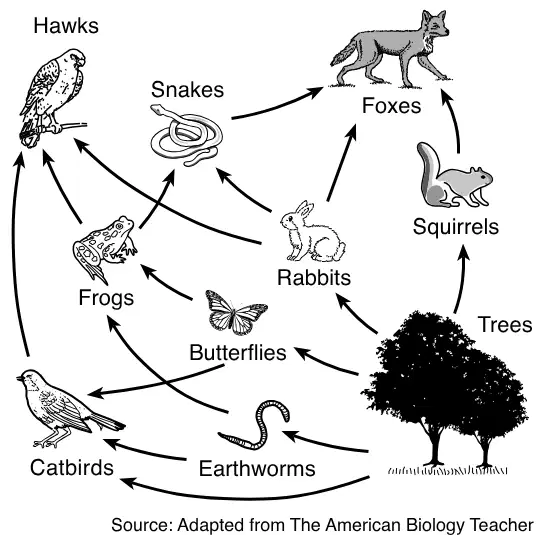
Based on the diagram of the food web in a forest ecosystem, which of the following organisms is a primary consumer?
Hawks
Foxes
Rabbits
Snakes
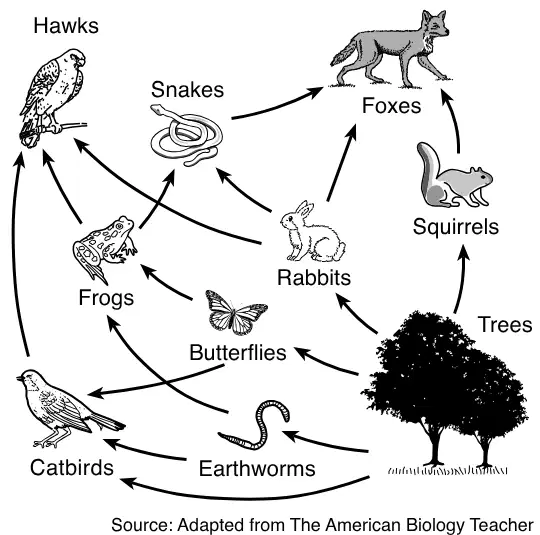
Which of the following pairs of organisms from the food web are most likely to compete for the same food source?
Hawks and Snakes
Foxes and Squirrels
Frogs and Butterflies
Rabbits and Earthworms
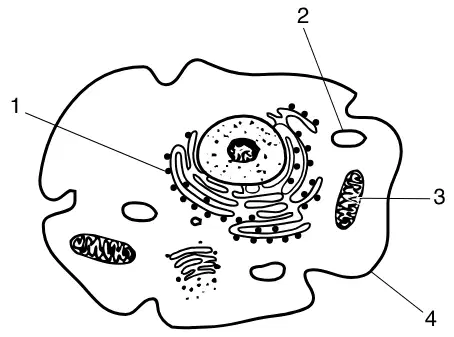
In the cell diagram provided, identify both the number and name of the structure responsible for producing proteins.
Number: 1, Name: Ribosome
Number: 2, Name: Mitochondria
Number: 3, Name: Golgi Apparatus
Number: 4, Name: Endoplasmic Reticulum
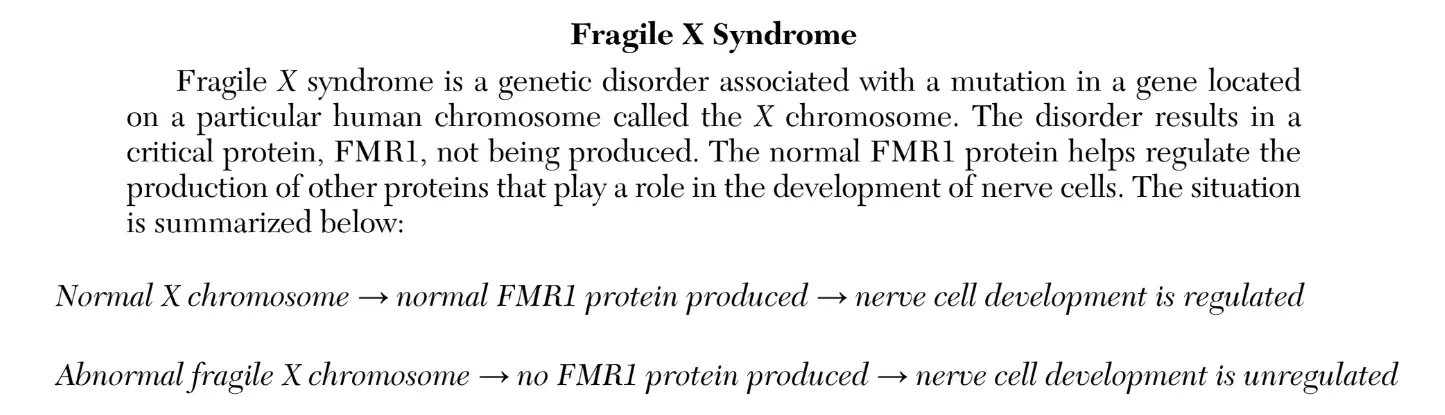
What is Fragile X syndrome associated with?
A mutation in a gene on the Y chromosome
A mutation in a gene on the X chromosome
A mutation in a gene on chromosome 21
A mutation in a gene on chromosome 18

What protein is not produced due to Fragile X syndrome?
FMR1 protein
Hemoglobin
Insulin
Collagen
What role does the normal FMR1 protein play in the body?
Regulates blood sugar levels
Regulates nerve cell development
Regulates bone growth
Regulates muscle contraction
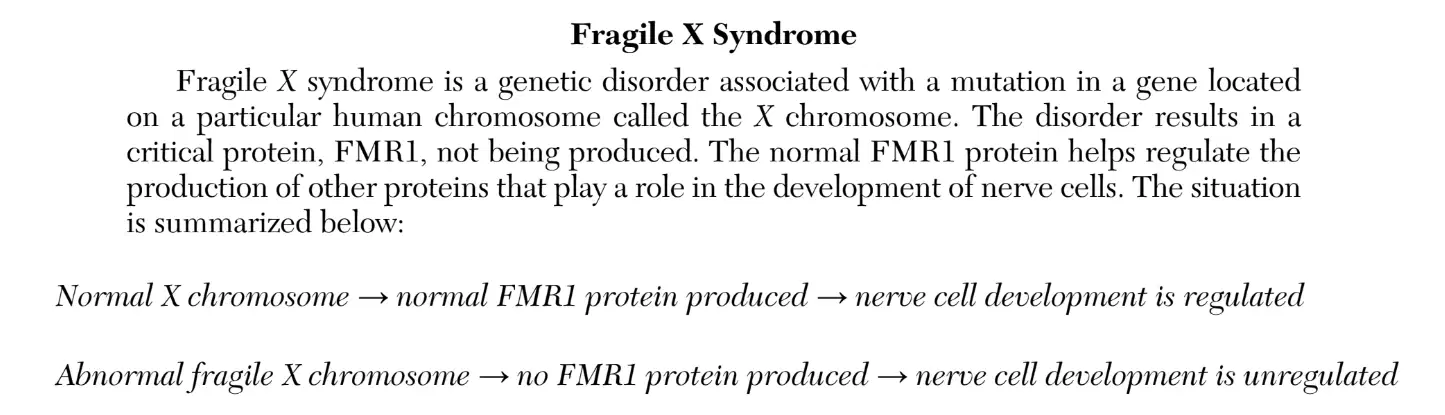
What is a consequence of the abnormal fragile X chromosome?
Overproduction of FMR1 protein
Unregulated nerve cell development
Enhanced muscle growth
Increased blood pressure
Species C might have a greater chance of avoiding extinction in the changed environment than species B because:
Species C reproduces more frequently, increasing genetic diversity.
Species C produces more offspring, increasing survival chances.
Species C has asexual reproduction, leading to faster adaptation.
Species C has a longer lifespan, allowing more time to adapt.
One possible reason why species A could be the most successful in surviving an environmental change is:
Species A reproduces sexually, increasing genetic variation.
Species A reproduces every two years, allowing for adaptation.
Species A reproduces frequently, allowing rapid population growth.
Species A produces a large number of offspring each time.
State one negative effect the overuse of plastic bags is having on the environment.
They decompose quickly and enrich the soil.
They contribute to the destruction of natural habitats.
They are easily recycled and reused.
They improve ocean ecosystems.
Explain why the researchers suspect it is an enzyme that is enabling wax moth caterpillars to break down the plastic bags.
Enzymes are known to break down chemical bonds in polymers.
Enzymes are not involved in breaking down materials.
Enzymes are only found in plants.
Enzymes cannot break down plastic.
Explain why using the chemical produced by the caterpillars to break down plastic bags could be considered an ecologically friendly solution to the problem.
It increases the number of plastic bags in landfills.
It reduces the need for recycling programs.
It helps break down plastic without harming the environment.
It makes plastic bags more durable.
Suggest a plan of action, that could be carried out in your local community, which would be a step toward solving the plastic bag problem.
Increase the production of plastic bags.
Encourage the use of reusable bags.
Ban all types of bags.
Promote the use of more plastic products.
Describe one positive and one negative outcome of mining metal ores.
Positive: Economic growth; Negative: Soil contamination
Positive: Soil contamination; Negative: Economic growth
Positive: Increased biodiversity; Negative: Economic decline
Positive: Water purification; Negative: Air pollution
Explain why importing grasses to clean up mining wastes in areas where those grasses do not normally grow could lead to unexpected environmental problems.
They may become invasive and outcompete local species.
They will immediately die in the new environment.
They will improve the local biodiversity.
They will have no effect on the local ecosystem.
Explain why patients with a mitochondrial disease would tend to experience symptoms such as fatigue and weakness.
Mitochondria are responsible for producing energy in cells.
Mitochondria help in digestion of food.
Mitochondria are involved in the immune response.
Mitochondria store genetic information.
Explain how snow cover affects the population of the snowshoe hare.
It increases the population by providing more food.
It decreases the population by reducing their habitat.
It helps them survive by providing camouflage from predators.
It has no effect on their population.
Identify the environmental factor that stimulates the fur color of the hare to change from brown to white.
Temperature changes
Daylight hours
Snowfall amount
Food availability
Identify a specific environmental issue that is most likely to affect snowshoe hare populations in northern ecosystems. Support your answer.
Deforestation
Climate change
Urbanization
Overfishing
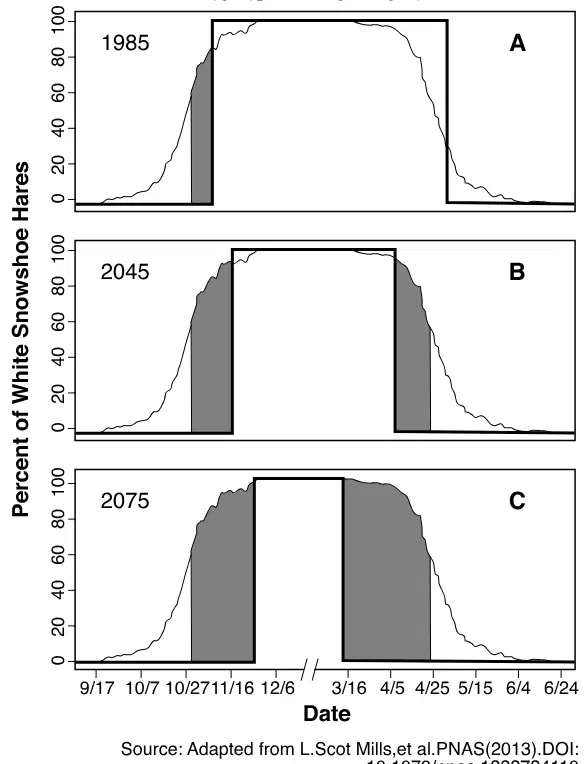
Identify one change in the characteristics of the snowshoe hares in this ecosystem that would most likely be selected for if the trend shown in graphs B and C proves to be true.
Longer fur
Change in fur color timing
Increased size
Faster reproduction rate
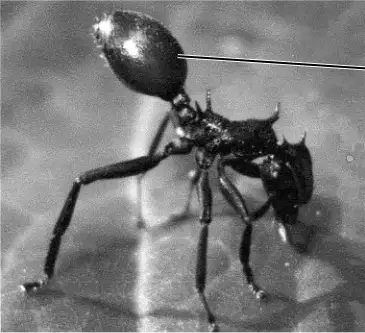
State one reason this roundworm is considered a parasite to this species of tropical ant.
It provides nutrients to the ant.
It helps the ant in reproduction.
It takes nutrients from the ant.
It protects the ant from predators.
Describe one advantage the roundworm has by having birds involved in part of its life cycle.
Birds help the roundworm find food.
Birds spread the roundworm eggs to new locations.
Birds protect the roundworm from predators.
Birds provide warmth to the roundworm eggs.
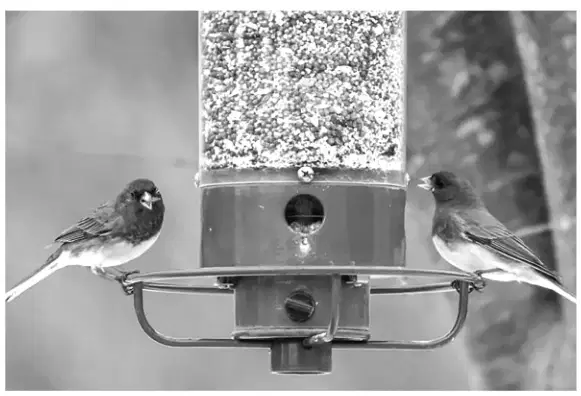
One possible reason for the increase in beak length is that birds with longer beaks
were less likely to have offspring with long beaks
had a more successful adaptation for survival in the area
needed to reach the seed within the bird feeder, so their beaks grew longer
had more competition than other birds at the bird feeders
The presence of bird feeders in an area would represent a
selecting agent
feedback mechanism
source of mutation
biological catalyst
The new, more accepted classification of the elephant shrew is most probably based on an analysis of
the coloration of the elephant shrew’s fur
the feeding habits of the elephant shrew compared to other shrews
a number of newly found shrew fossils
the DNA present in the cells of the elephant shrews
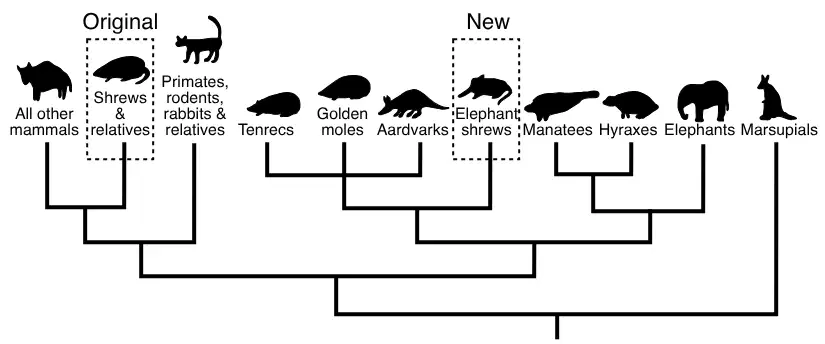
According to the new evolutionary tree, elephant shrews are most closely related to
manatees and hyraxes
shrews and their relatives
tenrecs, golden moles, and aardvarks
primates, rodents, rabbits, and relatives
Explain why it is important to continue to protect the habitat in which the elephant shrew is found.
To ensure the survival of the species due to its limited habitat
To increase the population of other shrew species
To promote tourism in Tanzania
To study the feeding habits of the elephant shrew
Identify the dependent variable in this investigation.
The time walked
The pulse rates
The number of classmates
The hypothesis
Identify one error in the experimental procedure.
The hypothesis was not stated
The pulse rates were not recorded
The sample size was too small
The walking time was not consistent
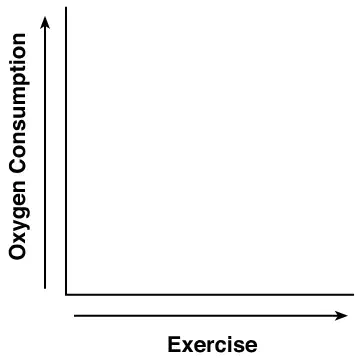
What relationship is shown between exercise and oxygen consumption in the graph?
Oxygen consumption decreases with exercise
Oxygen consumption remains constant with exercise
Oxygen consumption increases with exercise
Oxygen consumption is unrelated to exercise
Which statement correctly describes the effect on the mass of one of the cubes after the 20-minute period?
In distilled water, the mass of the potato cube increased due to salt leaving the cells of the potato.
In distilled water, the mass of the potato cube increased due to water moving into the cells from high concentration to low concentration.
In the concentrated salt solution, the mass of the potato cube increased due to salt moving into the cells from low concentration to high concentration.
In the concentrated salt solution, the mass of the potato cube remained the same due to the cell wall preventing the movement of molecules into or out of the cells.
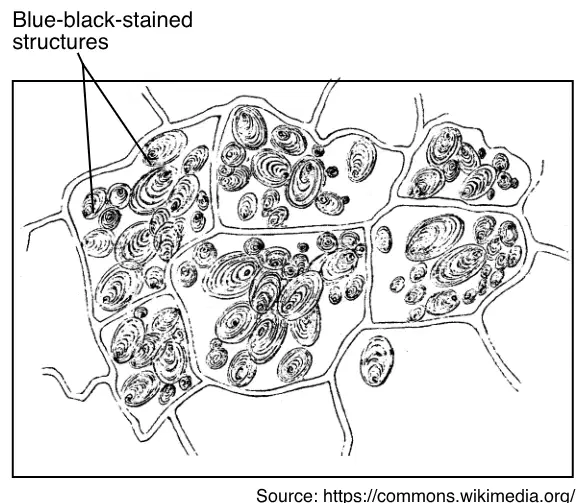
The blue-black-stained structures labeled in her drawing are most likely
chloroplasts
starch grains
ribosomes
sugar molecules

