
 Worksheets
Physical Science Final Part 1 Review
Total questions: 95
Worksheet time: 1hrs 18mins
Any substance that has mass and takes up space.
Element
Compound
Matter
Mixture
A pure substance of one type of atom.
Element
Compound
Matter
Mixture
A substance composed of atoms from more than one element held together by chemical bonds.
Element
Compound
Matter
Mixture
Two or more substances which are mixed but not but not held together by chemical bonds.
Element
Solution
Matter
Mixture
A mixture composed of two or more substances, where one substance is dissolved into another substance.
Element
Solution
Matter
Mixture
Molecules are closely packed, rigid shape and volume.
Solid
Liquid
Gas
Plasma
Definite volume, but conforms to the shape of its container.
Solid
Liquid
Gas
Plasma
Molecules are widely separated, both shape and volume determined by its container.
Solid
Liquid
Gas
Plasma
Select all of the following could indicate that a chemical change took place.
Change in color
Change of temperature
New substance created
Bubbles & Fizzing

Identify what type of change happening in the picture below...
Chemical Change
Physical Change
Endothermic Reaction
Exothermic Reaction
A characteristic that can be observed using our senses is a ___.
chemical property
physical property
melting point
chemical change
The ability to combust, or burn, is a ---
Chemical property
Physical property
Color is a ---
Physical property
Chemical property
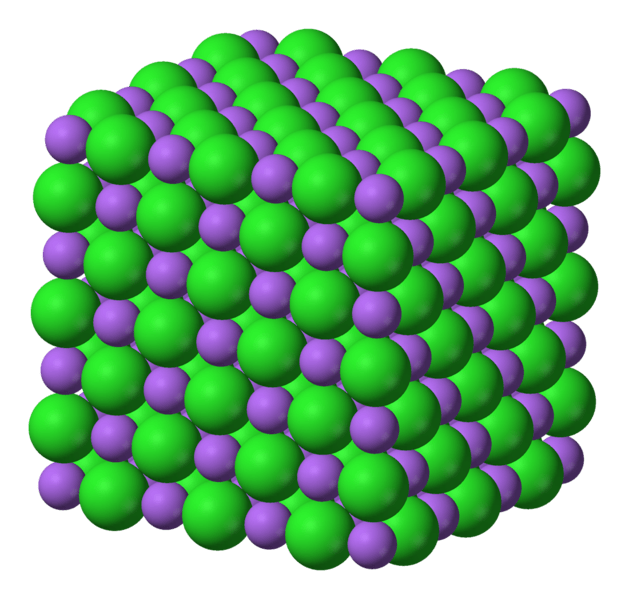
Which state of matter does this picture show?
Solid
Liquid
Gas
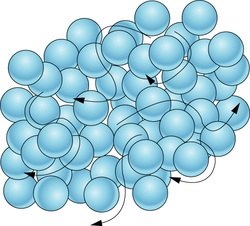
What state of matter does this picture show?
Solid
Liquid
Gas
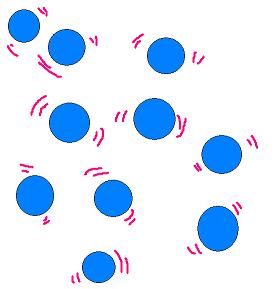
Which state of matter does this picture show?
Solid
Liquid
Gas
As temperature increases, what happens to particles?
They speed up
They slow down
As temperature decreases, what happens to particles?
They speed up
They slow down
What is defined as a push or pull?
force
motion
vector
speed
If the net force is equal to zero, the forces acting on the object are
balanced
unbalanced
If the net force is equal to zero, the forces acting on the object are
balanced
unbalanced
___________ is a measure of the amount of matter in an object.
gravity
force
mass
If there are two forces going in the opposite direction how would you find the net force?
Subtract
Add
Neither
Multiply
A force has both strength and _____.
power
direction
color
balance
This occurs when an object speeds up, slows down, or changes direction.
Speed
Velocity
Acceleration
What two factors does velocity depend on?
speed and direction
distance and time
speed and time
distance and direction
Which law states that the acceleration of an object depends on the force exerted on it and its mass?
1st Law
2nd Law
3rd Law
Which law states that for every action there is an equal and opposite reaction?
1st Law
2nd Law
3rd Law
Which law states that an object at rest stays at rest and an object in motion stays in motion unless an unbalanced force acts on it?
1st Law
2nd Law
3rd Law
What is the name of Newton's 1st Law of Motion?
Law of Force and Acceleration
Law of Action / Reaction
Law of Inertia
What is the name of Newton's 2nd Law of Motion?
Law of Force and Acceleration
Law of Inertia
Law of Action / Reaction
What is the name of Newton's 3rd Law of Motion?
Law of Force and Acceleration
Law of Inertia
Law of Action / Reaction
A force that opposes motion between objects that are touching is called...
motion
friction
velocity
acceleration
What is energy?
moving energy
stored energy
renewable energy
The ability to do work.
What is potential energy?
moving energy
stored energy
renewable energy
non renewable energy
What is kinetic energy?
moving energy
potential energy
stored energy
renewable energy
If something is moving, what kind of energy does it have?
Gravitational Potential
Kinetic
Chemical Potential
Thermal
Which 2 things affect kinetic energy?
Mass
Sound
Light
Velocity/Speed
To get the temperature of a substance you would
add the speed of its molecules.
average the speed of its molecules.
add the speed and multiply the number of molecules.
you can't use math to calculate temperature.
Potential energy depends on ______ and _______.
height, mass
weight, mass
speed, mass
height, speed
Kinetic energy depends on_________ and _________.
speed and mass
speed and height
height and mass
energy and height
Electrical
Energy from flow of electric charges
Energy from molecules and atoms
Stored energy
Mechanical
Kinetic
Energy due to the motion of an object
Energy stored in molecules
Elastic
Rubber band
Energy stored by bending, stretching. or twisting an object
Energy in motion
Thermal
Due to the vibration or movement of particles
Due to the vibration transferred through matter in waves
Energy stored in an atom
Chemical
Energy from molecules and atoms
Energy due to the height of an object
Kinetic energy
Radiant
Light energy; Electromagnetic energy that travels in waves such as light
Shine bright like a diamond
What makes matter move or change

When does this girl have the maximum potential energy?
A
B
The transfer of thermal energy (heat) by the movement of the particles in a fluid (gas or liquid) from one part of the material to another
Convection
Conduction
Radiation
The transfer of thermal energy (heat) by electromagnetic waves
Radiation
Conduction
Convection
The transfer of thermal energy (heat) by contact between particles in matter
Conduction
Convection
Radiation
A material in which thermal energy (heat) moves poorly.
Insulator
Conductor
What does a wave transfer?
matter
energy
power
water
Which type of wave has rarefactions and compressions?
transverse
longitudinal
electromagnetic
What is the name for the lowest point on a transverse wave?
crest
trough
wavelength
amplitude
What is the highest point on a transverse wave?
crest
trough
wavelength
amplitude
A _________ is a disturbance that transfers energy from one place to anther without transferring matter.
wave
matter
space
medium
The material in which a mechanical wave travels is called a _______.
medium
wave
crest
trough
A longitudinal wave makes particles move ____ to the direction that the wave is traveling.
parallel
perpendicular
What type of wave is light?
Electromagnetic
Mechanical
What type of wave is sound?
Electromagnetic
Mechanical
Both Electromagnetic and Mechanical
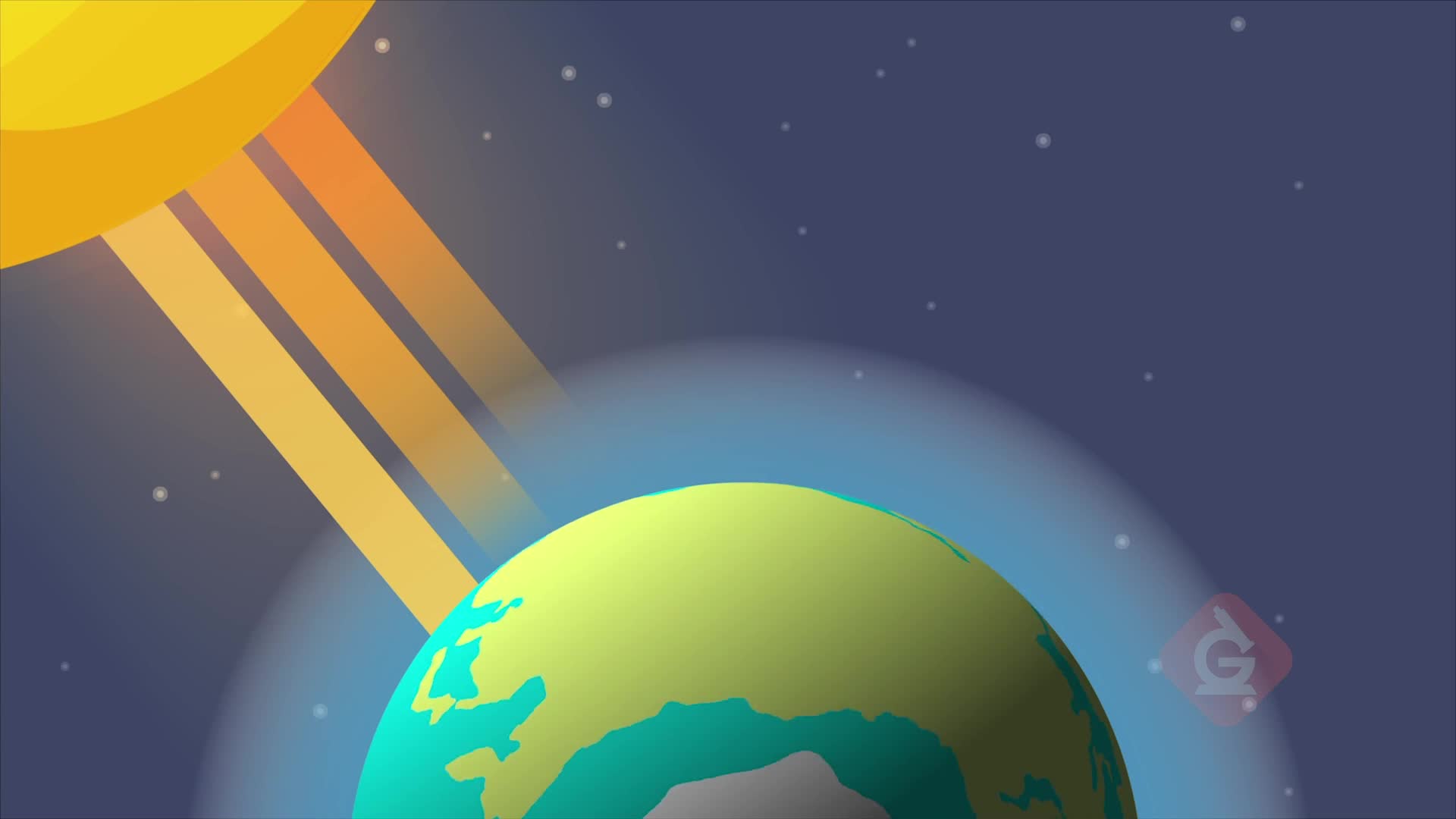


What electromagnetic wave do humans emit as heat energy?
infrared light
ultraviolet light
visible light
microwaves
Gamma, X-ray, Ultra, Visible, Infra, Micro, Radio
Visible, Micro, Infra, Ultra, X-ray, Gamma, Radio
Micro, Radio, Visible Infra, Ultra, X-ray, Gamma

Which represents a concave lens?
A
B
Which represents a convex lens?
A
B

According to the law of reflection the angle of incidence is ____________ the angle of reflection.
less than
greater than
equal to

Which diagram represents regular (specular) reflection?
A
B
Which diagram represents diffuse reflection?
A
B
What is the best description of an opaque material?
no light passes through the material
some light passes through the material
all light passes through the material
What is the best description of a transparent material?
no light passes through the material
some light passes through the material
all light passes through the material
What is the best description of a translucent material?
no light passes through the material
some light passes through the material
all light passes through the material

Which color ABSORBS all wavelengths of light?
Red
Black
White
Pink
Which color REFLECTS all wavelengths of light?
Red
Black
White
Pink

