
 Worksheets
Spring Biology EOC Review
Total questions: 100
Worksheet time: 3hrs 20mins
What are the building blocks of carbohydrates?
Fatty acids & glycerol
Amino acids
Nucleotides
Monosaccharides
What type of cells have free-floating, circular DNA and no nucleus?
Eukaryote
Prokaryote
Autotroph
Heterotroph
Which process involves the movement of water across a cell membrane?
Active transport
Osmosis
Photosynthesis
Cellular respiration
What is the main function of enzymes in biological reactions?
Store genetic information
Speed up reactions by lowering energy of activation
Provide structural support
Transport molecules across membranes
What is the process by which cells use oxygen to produce ATP energy from glucose?
Photosynthesis
Lactic acid fermentation
Cellular respiration
Alcoholic fermentation
What is the process by which organisms maintain a stable internal environment?
Mitosis
Homeostasis
Meiosis
Transcription
Which type of cell contains two sets of chromosomes, one from each parent?
Haploid cell
Gamete
Diploid cell
Stem cell
What is the term for a cell division process that produces two identical daughter cells?
Meiosis
Mitosis
Crossing over
Mutation
What is the role of mRNA in the cell?
Carries amino acids to the ribosome
Synthesizes DNA from an RNA template
Carries instructions from DNA to the ribosome
Decodes mRNA into a protein
What is the process called when homologous chromosomes exchange portions of their chromatids during meiosis?
Mutation
Crossing over
Transcription
Translation
Which term describes an organism that has two identical alleles for a trait?
Heterozygous
Homozygous
Polygenic
Codominant
What is the gradual change in a population over time called?
Mutation
Natural selection
Evolution
Gene therapy
Which term describes a trait that helps an organism survive and reproduce?
Geographic Isolation
Innate Behavior
Adaptation
Cladogram
What is the process in which bacteria convert nitrogen gas into compounds plants can absorb?
Bioaccumulation
Nitrogen Fixation
Biomagnification
Greenhouse Effect
What is the term for the largest number of individuals of a population that an environment can support?
Carrying Capacity
Population Limiting Factors
Biodiversity
Trophic Level
What is the term for the accumulation of pollutants at higher levels of the food chain?
Bioaccumulation
Biomagnification
Nitrogen Fixation
Greenhouse Effect

Which of the following would keep a population from reaching its carrying capacity? (limiting factor)
an increase in potential mates
a decrease in parasites and disease
an increase in available nutrients
a decrease in habitat due to deforestation
In which trophic level would there be the least amount of available energy?
producers (Autotroph)
primary consumers (Herbivore)
secondary consumers (Carnivore)
tertiary consumer (Apex Predator)
Which of the following processes are part of the carbon cycle?
Nitrogen Fixation & Respiration
Photosynthesis & Eutrophication
Cellular Respiration & Photosynthesis
Decomposition & Transpiration
Which of the following would contribute to antibiotic-resistant bacteria becoming more common?
the bacteria use the antibiotics as a food source
antibiotics are not as effective as they were in the past
bacteria that have a natural resistance to the antibiotics survive and pass on the trait
the antibiotics caused a mutation which gave the bacteria resistance to it
Two species with similar genes most likely:
evolved from a common ancestor
live in the same environment
evolved during the same time period
will have similar appearances
Which of the following would result in genetically diverse offspring?
mitosis
fertilization
binary fission
budding
Two identical twins were raised in different households. After reaching adulthood, one twin is taller than the other. Which of the following would cause this height difference?
the environment the twins were raised in changed their traits
the environment the twins were raised in affected how their genes were expressed
The genes that control height were different in the twins since birth
The genes controlling height changed during development
A group of 100 people were found to have a range of height from 5'0" to 6'2". Which of the following would be true regarding height as a trait?
Height is a sex linked trait
Height is a dominant trait
Height is a polygenic trait
Height is not determined by genetics
Males are more likely to be affected by sex linked disorders because:
they have two X chromosomes
they only have one X chromosome
they have a Y chromosome
sex linked traits do not affect females
Each human blood cell has ______ pairs of chromosomes
23
46
Most of the life of any cell is spent is this phase
interphase
prophae
metaphase
anaphase
telophase
Human sex cells have __________ chromosomes
23
46
Each human blood cell has ________ chromosomes
23
46
the new organism is IDENTICAL to the parent in
asexual reproduction
sexual reproduction
the new organism is NOT identical to the offspring in
asexual reproduction
sexual reproduction
makes sex cells
mitosis
meiosis
makes 2 identical daughter cells
mitosis
meiosis
makes cells with 1/2 the number of chromosomes as the parent cell
mitosis
meiosis
has 4 steps
mitosis
meiosis
the nucleus divides ONCE
mitosis
meiosis
the nucleus divides TWICE
mitosis
meiosis

prophase
metaphase
anaphase
telophase

prophase
metaphase
anaphase
telophase

prophase
metaphase
anaphase
telophase

prophase
metaphase
anaphase
telophase
if a fruit fly has 8 chromosomes in the body cells, how many are in the sex cells?
16
8
4
if a turkey has 40 chromosomes in its sex cells, how many chromosomes are in its body cells?
80
40
20
Chloroplasts are...
A type of pigment used for photosynthesis
The location inside a plant cell where photosynthesis happens
The location where cellular respiration happens
Green beans
Mitochondria are...
The location in cells where photosynthesis happens
Kidney beans
The location in cells where cellular respiration happens
A type of pigment used for cellular respiration
The products of cellular respiration
CO2
CO2, H2O
CO2, H2O, glucose
CO2, H2O, ATP
Which organelle provides structure and protection to plant cells?
cell membrane
ribosome
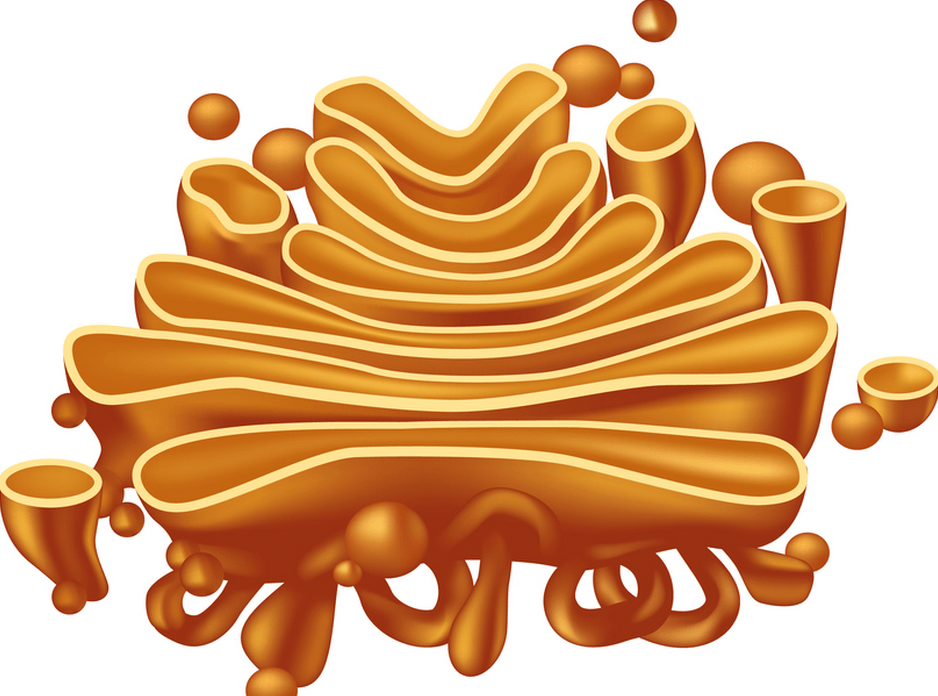
golgi apparatus
cell wall
Storage space for water, wastes, food, and other cellular material
mitochondria
cell membrane
cell wall
vacuoles
Where are the ribosomes attached in a cell?
Smooth ER
Cell Membrane
Mitochondria
Rough ER
What type of cell has a nucleus?
eukaryotic
prokaryotic
neither
both
Plants and animal cells are examples of ___ cells
prokaryotic cells
eukaryotic cells
both eukaryotic and prokaryotic
neither

What is the purpose of transcription?
Transferring amino acids to the ribosome.
Producing more nucleotides for the DNA sequence.
Producing a mRNA from information found in the DNA.

What is the purpose of the process of translation and where does it occur?
to synthesize amino acids in the nucleus
to produce a specific sequence of amino acids in the ribosome
to replicate the DNA of an organism in the ribosome
Which DNA strand is complimentary to the one shown?
TTA CCG ACG TAG
AAU GGC UGC AUC
TTA CCG ACG TAG
AAT GGC TGC ATC

DNA replication is called semi-conservative replication because each of the new copies of DNA has one _________ strand and one _________ strand.
original, new
RNA, DNA
original, RNA
original, amino acid
DNA Replication is semi-conservative so during the replication of DNA _____.
Each copy of DNA has 2 new strands.
Each copy of DNA has one original strand and one new strand.
Each copy has 2 old strands.
What is the name of the enzyme that proofreads the DNA and lays down the new DNA?
DNA Ligase
DNA Helicase
DNA Polymerase

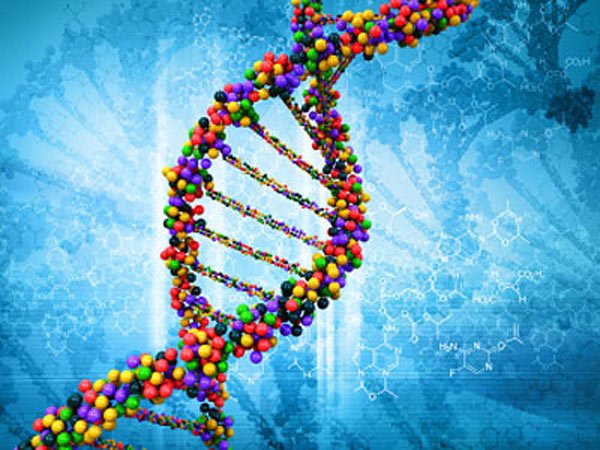
What is this structure called
Double Helix
Double Felix
Two Cats
Single Strand
What are the differences between DNA and RNA?
RNA is single stranded; DNA is double stranded
RNA has the base U; DNA has the base T
Both
Neither

Name this structure.
Base
Nucleotide
Sugar
DNA
Name the bases of DNA.
Guanine and Cytosine
Adenine
Adenine, Thymine, Guanine, Cytosine
Adenine, Uracil, Guanine, Cytosine
Name the bases of RNA.
Guanine and Cytosine
Adenine
Adenine, Thymine, Guanine, Cytosine
Adenine, Uracil, Guanine, Cytosine
Transcribe the DNA to RNA:
G A C - C T A - A G T
G A C - C T A - A G T
C U G - G A U - U C A
C T G - G A T- T C A

What does the dotted line represent in this graph?

Biodiversity, aka biological diversity, usually refers to
the same species in a general location
the number of different species in a given area
the number of animal species in a given area
the number of plant species in a given area

Image "B" shows more biodiversity than image "A". Why?
Because "B" shows more different species than image "A"
Because image "B" has less different species than "A"
"A" has a greater number of same species plants so this statement is wrong.
Both images show the same biodiversity
Select the answer that has the levels of ecology from broadest to narrowest. (biggest to smallest)
Biosphere, Ecosystem, Community, Population, Organism
Community, Organism, Population, Ecosystem, Biosphere
Organism, Population, Community, Ecosystem, Biosphere
What is a habitat?
A place where an organism lives
An Ecosystem
Where many things live together supporting one another
A cool hat.
What is a niche?
A Job, or what the thing does.
where the thing is located
who the thing likes
a tasty treat.
What most likely causes variation in species?
competition
mutation
changes during their lifetime
predation
Darwin's theory that species develop new traits and change over time is known as:
natural selection
adaptation
speciation
evolution
If natural selection means "survival of the fittest", what does it mean to be "fit"?
you can migrate to new areas
you have a large territory
you can reproduce and pass on your genes
you have more genetic mutations
If a cheetah is born with a mutation that makes it unable to run quickly, what will be the most important for it's survival?
competition for social heirarchy
competition for living space
competition for prey and food
competition for shelter

