
 Worksheets
Health and Nutrition Concepts
Total questions: 80
Worksheet time: 40mins
What is the definition of health, including physical, mental, and social well-being?
Health is a state of complete physical, mental, and social well-being and not merely the absence of disease or infirmity.
Health is only the absence of physical disease.
Health is the ability to perform daily tasks without discomfort.
Health is the absence of mental stress.
What is the definition of nutrition?
Nutrition is the process by which living organisms obtain and use food for growth, metabolism, and repair.
Nutrition is the process of breathing in oxygen and releasing carbon dioxide.
Nutrition is the process of breaking down food into smaller pieces by chewing.
Nutrition is the process of moving from one place to another in search of food.
Why is health and nutrition important for adolescents?
Health and nutrition are important for adolescents because they support growth, development, and overall well-being during a critical period of physical and mental change.
Health and nutrition are not important for adolescents as they do not affect their development.
Health and nutrition are only important for adults, not adolescents.
Health and nutrition are important only for physical appearance, not for overall well-being.
Which of the following is one of the five food groups?
Fruits
Sweets
Oils
Water
Which of the following is one of the five food groups?
Vegetables
Candy
Fats
Salt
Which of the following is one of the five food groups?
Grains
Soda
Sugar
Butter
Which of the following is one of the five food groups?
Protein (meat, eggs, legumes)
Chips
Juice
Coffee
Which of the following is one of the five food groups?
Dairy (or alternatives)
Ice cream
Soda
Chocolate
Which of the following is a macronutrient?
Vitamins
Minerals
Carbohydrates
None of the above
Which of the following is a micronutrient?
Proteins
Fats
Water
Vitamins
Fill in the blank: ________ are considered macronutrients along with carbohydrates, fats, and water.
Proteins
Vitamins
Minerals
Enzymes
Fill in the blank: ________ and minerals are classified as micronutrients.
Vitamins
Proteins
Carbohydrates
Fats
Which of the following is NOT a macronutrient?
Water
Fats
Minerals
Proteins
Which of the following is NOT a micronutrient?
A) Vitamins
B) Minerals
C) Carbohydrates
D) None of the above

According to the Australian Guide to Healthy Eating, which of the following is a grain (cereal) food?
Quinoa
Broccoli
Chicken
Milk

Match the following foods to their correct food group according to the Australian Guide to Healthy Eating:
Fruit
Vegetables and legumes/beans
Lean meats and alternatives
Fruit
Grain (cereal) foods
Lean meats and alternatives
Vegetables and legumes/beans
Grain (cereal) foods
Which food group does milk belong to according to the Australian Guide to Healthy Eating?
Grains (cereal) foods, mostly wholegrain and/or high cereal fibre varieties
Lean meats and poultry, fish, eggs, tofu, nuts and seeds and legumes/beans
Vegetables and legumes/beans
Dairy
The Australian Guide to Healthy Eating recommends including a variety of vegetables and legumes/beans in your daily diet.
True
False
Which of the following is NOT shown as a recommended food group in the Australian Guide to Healthy Eating?
Fruit
Sweets
Vegetables and legumes/beans
Lean meats and alternatives
What are the nutrient needs during growth spurts in adolescents?
Adolescents need increased amounts of nutrients such as protein, calcium, iron, and vitamins during growth spurts.
Adolescents require fewer nutrients during growth spurts as their bodies slow down.
Adolescents should avoid protein and calcium during growth spurts.
Adolescents only need more carbohydrates during growth spurts.
Name two common deficiencies that adolescents may experience.
Iron and calcium deficiencies are common among adolescents.
Vitamin K and iodine deficiencies are common among adolescents.
Zinc and selenium deficiencies are common among adolescents.
Vitamin D and magnesium deficiencies are common among adolescents.
Why is hydration important for adolescents?
Hydration is important for adolescents because it helps maintain bodily functions, supports growth, and prevents dehydration.
Hydration is important for adolescents because it increases sugar levels in the body.
Hydration is important for adolescents because it causes weight gain.
Hydration is important for adolescents because it reduces the need for sleep.
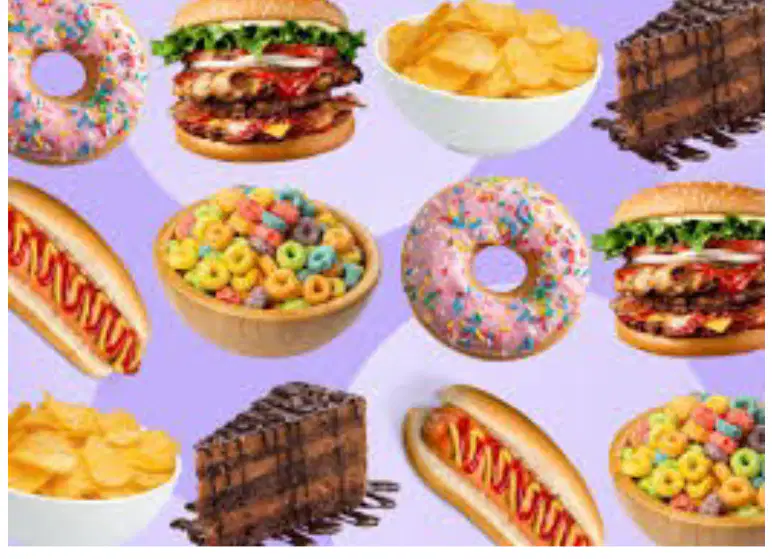
What is one example of an unhealthy eating habit?
Processed foods
Sugary drinks
Skipping meals
Boiled vegetables
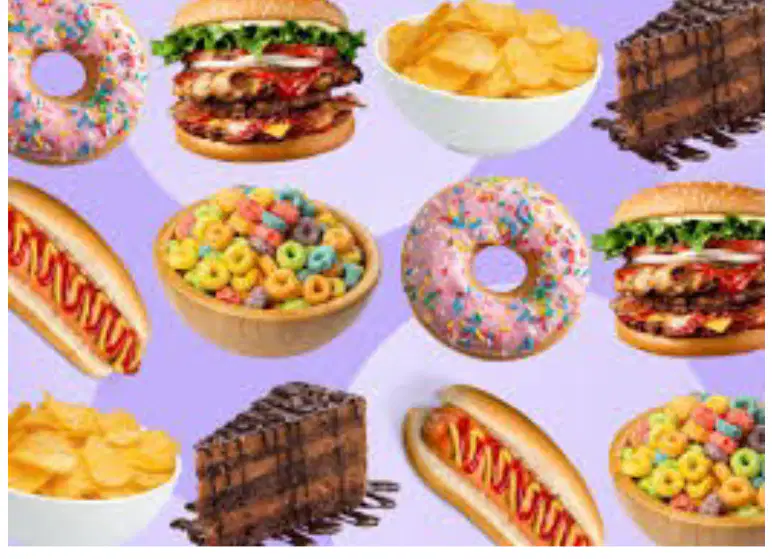
Fill in the blank: Consuming _______ is considered an unhealthy eating habit.
Sugary drinks
Fresh vegetables
Whole grains
Lean proteins
Skipping meals is considered an unhealthy eating habit.
True
False
What is one impact of unhealthy eating habits on health?
Impact on mental and physical health
Improved concentration and memory
Stronger immune system
Increased energy levels
According to the nutrition facts label, what is the serving size?
1 cup (227g)
1/2 cup (113g)
2 cups (454g)
3/4 cup (170g)
How many calories are in one serving according to the nutrition facts label?
280
150
350
420
According to the nutrition facts label, what is the total fat content per serving?
9g
3g
15g
0g
What is the percentage of daily value for sodium per serving according to the nutrition facts label?
37%
15%
50%
22%
According to the nutrition facts label, how much protein is in one serving?
15g
5g
25g
0g
How many grams of total carbohydrate are in one serving according to the nutrition facts label?
34g
20g
45g
12g
According to the nutrition facts label, what is the amount of dietary fiber per serving?
4g
1g
0g
8g
According to the nutrition facts label, what is the amount of calcium per serving?
320mg
120mg
500mg
800mg
Which of the following is a lifestyle disease related to nutrition?
Obesity
Influenza
Chickenpox
Tuberculosis
Type 2 diabetes is often associated with which of the following factors?
Poor diet and lack of exercise
Bacterial infection
Genetic mutation only
Exposure to cold weather
Heart disease can be influenced by lifestyle choices.
True
False
Diet can contribute to the prevention of lifestyle diseases by:
Providing essential nutrients and reducing risk factors
Increasing the intake of processed foods
Eliminating all carbohydrates from meals
Skipping meals regularly
Food can affect mood because:
It influences brain chemicals and energy levels.
It changes eye color.
It affects hair growth only.
It has no impact on the body.
The gut-brain connection is important for mental health because:
It allows communication between the digestive system and the brain, influencing mood and behavior.
It only affects digestion and has no impact on mental health.
It is responsible for muscle movement in the body.
It controls the respiratory system.
Which of the following foods can boost mental well-being?
Broccoli
Salmon
White bread
Candy
Fill in the blank: One practical tip for healthy eating is ________ planning.
meal
random
late
expensive
Fill in the blank: A practical tip for healthy eating is smart ________.
shopping
sleeping
driving
painting
Fill in the blank: One practical tip for healthy eating is to have healthy snacks for ________.
school/stud
dinner parties
late-night movies
road trips
holidays
The macro nutrients are:
Carbohydrates, proteins, and fats
Vitamins and minerals
Water and fiber
Enzymes and hormones
The function of macronutrients in our diets is to:
Provide energy and support growth, metabolism, and other bodily functions.
Regulate body temperature only.
Help in the absorption of vitamins only.
Act as enzymes in the body.
What is the primary function of carbohydrates for the body and brain?
Primary energy source
Building genetic material
Regulating body temperature
Providing structural support
Which of the following are sources of carbohydrates?
A) Bread, pasta, rice, fruits, vegetables
B) Meat, fish, eggs
C) Cheese, butter, oil
D) Water, salt, pepper
Carbohydrates can be classified into which two types?
Simple (sugars) and Complex (whole grains, starchy vegetables)
Saturated and Unsaturated
Essential and Non-essential
Fat-soluble and Water-soluble
Which type of carbohydrate is found in whole grains and starchy vegetables?
A) Simple (sugars)
B) Complex
What is the main function of proteins?
Provide energy
Build and repair muscles, tissues, and enzymes
Store fat
Regulate body temperature
Fill in the blank: Proteins are made of ________ (essential and non-essential).
Amino acids
Fatty acids
Nucleic acids
Carbohydrates
Which of the following is NOT a source of protein?
Meat
Fish
Dairy
Sugar
Fill in the blank: Some sources of protein include meat, fish, eggs, dairy, legumes, nuts, and ________.
tofu
sugar
lettuce
oil

What is one of the main functions of fats in the body?
Energy storage
Oxygen transport
Bone formation
Vision improvement

Which of the following is a source of fats?
Avocados
Rice
Apples
Carrots

Fill in the blank: Saturated fats should be ________ in your diet.
limited
increased
eliminated completely
the main source

Fill in the blank: Unsaturated fats are considered ________ fats.
healthy
unhealthy
saturated
trans
What are the functions of water in the human body?
Hydration, regulates body temperature, aids digestion, transports nutrients
Provides energy, builds muscles
Increases fat, causes dehydration
None of the above
Fill in the blank: Water helps to ________ body temperature.
regulate
increase
ignore
destroy
Which of the following are sources of water?
Fruits
Vegetables
Soups
All of the above
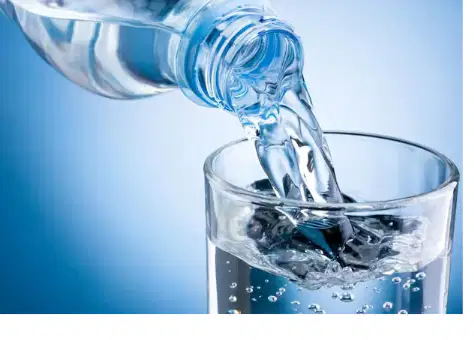
What is the main function of water shown in the image?
Hydration
Providing energy
Building muscle
Storing fat
Micronutrients are:
Nutrients required by the body in small amounts
Nutrients required by the body in large amounts
Only vitamins
Only minerals
Which of the following are examples of micronutrients?
Carbohydrates and fats
Proteins and water
Vitamins and minerals
Starch and fiber
The functions of micronutrients include:
Providing energy for the body
Supporting immune function and enzyme activity
Building muscle mass
Regulating body temperature
Which vitamins are fat-soluble (stored in the body)?
A, D, E, K
B, C, F, G
C, B6, B12, F
B1, B2, C, H
Which vitamins are water-soluble (not stored in the body)?
B-complex, Vitamin C
Vitamin A, Vitamin D
Vitamin E, Vitamin K
Vitamin D, Vitamin E
Vitamin A is important for which of the following functions?
Vision and immunity
Bone health
Antioxidant
Blood clotting
Vitamin D helps with:
Blood clotting
Bone health and calcium absorption
Energy metabolism
Immune support
Vitamin E acts as an antioxidant and supports skin health.
True
False
Which vitamin is important for blood clotting and is found in leafy greens?
Vitamin K
Vitamin C
Vitamin D
Vitamin A
Vitamin B is important for energy metabolism and brain function. Name two food sources of Vitamin B.
Meat, eggs, whole grains
Candy, soda, chips
Butter, cream, lard
Ice cream, cake, cookies
Name two food sources of Vitamin C.
Citrus fruits, berries
White bread, pasta
Red meat, eggs
Butter, cheese
Calcium is important for bone and teeth strength. Which foods are good sources of calcium?
dairy, leafy greens
white bread, soda
candy, chips
red meat, butter
Which mineral is responsible for oxygen transport in blood?
Iron
Calcium
Potassium
Zinc
Potassium helps with muscle function and heart health. Name two foods that are good sources of potassium.
bananas, potatoes
white bread, cheese
chicken, apples
lettuce, blueberries
Zinc is important for the immune system and wound healing. Which of the following foods is a source of zinc?
meat, seeds, dairy
white rice, apple, lettuce
sugar, soda, candy
potato, cucumber, watermelon
1. The Australia Guide Dietary guidelines are:
A set of recommendations for healthy eating and lifestyle.
A list of popular Australian foods.
A guide to Australian restaurant etiquette.
A manual for cooking traditional Australian dishes.
The guideline were developed to:
Provide direction and standardize practices
Increase the length of documents
Confuse the readers
Reduce the quality of work
3. Complete the following table using information:
What is the missing value in the table?
Option A
Option B
Option C
Option D

