
 Worksheets
Bio KSS
Total questions: 53
Worksheet time: 52mins
Key science skills are
the set of capabilities that people demonstrate when undertaking scientific investigations.
B biological theories and knowledge that must be memorised for the exam
An example of a testable, specific, and realistic research question is
‘Does garlic inhibit the growth of the bacteria Staphylococcus epidermis?’
‘How does garlic affect the growth of the bacteria Staphylococcus epidermis?’
Match the variable type with its description
Manipulated
Independent
Measured
Dependent
Kept constant
Controlled
Neither measured not kept constant
Uncontrolled
Control groups are important because they
help us to make assumptions beyond the sample population.
reveal if any factors besides the IV are influencing the results.
(a) errors decrease the precision of results. (b) errors decrease the accuracy of results.
Order the types of evidence from most to least reliable for drawing scientific conclusions.
primary data from a controlled experiment
primary data from an unreplicated case study
anecdote
opinion
What are the 3 elements of a research question
A simple hypothesis format is as follows
If (a) then (b)
Which of these is NOT a rule for experimental design as outlined by the study design
repetability
reproducibility
reliability
validity
Label the following
Match the type of error to its description
Errors which are caused by unpredictable variations in the measurement process and result in a spread of readings.
Random
Errors which cause results to differ from the true value by a consistent amount each time, typically due to faulty equipment or calibration
Systematic
Mistakes or miscalculations made by the experimenter.
Personal
Match the types of data and explanations
Continuous
Discrete
Ordinal
Nominal
Match the data type with its explanation
Data that can take any value between a set of real numbers
Continuous
Data that can be counted and takes a particular value
Discrete
Data that can be logically ordered
Ordinal
Data that cannot be organised in a logical sequence
Nominal
Match the type of methodology withs its description
An investigation of an event or problem that involves a real or hypothetical situation
Case study
the arrangement of individuals or objects into logical, manageable sets, to recognise where new individuals or objects belong in these sets.
Classification and identification
An investigation into the impact of an IV on a DV, controlling for all other variables.
Controlled experiment
Observing and recording events that have not been manipulated or controlled to understand associations that exist between variables
Correlation study
A correlational study or controlled experiment set up outside a controlled environment (e.g. the classroom), usually in a selected ecosystem
Fieldwork
Match the type of methodology with its description
The collation and analysis of other people’s scientific findings or viewpoints concerning a particular topic.
Literature review
The construction of a representation that approximates an object or event
Modelling
Design of an object, process, or system to meet a human need
Product, process, or system development
The process of using a model to observe and predict what may happen in a real or theoretical system.
Simulation
you can repeat your experiment and get the same results over and over again
repeatability
reproducibility
validity
other scientists could follow your method and get the same results over and over again
repeatability
reproducibility
validity
your experiment actually measures what it claims to be measuring.
repeatability
reproducibility
validity
In an experiment, the ___________ variable is tested by the researcher to observe its effect(s) on the ___________ variable.
Independent; dependent
Extraneous; confounding
Dependent; independent
Independent; extraneous
Which group in an experiment is exposed to the independent variable?
Control Group
Experimental Group
Participant Group
All groups
Within a case study, a students' Psychology exam score would be _________________, and a sentence describing how they felt after receiving their exam score would be ________________.
Primary data; secondary data
Secondary data; primary data
Qualitative data; quantitative data
Quantitative data; qualitative data
Qualitative data is information that
can be measured and written down with numbers
is descriptive and non-numerical
can be easily analyzed by statistical methods
can be counted or measured in numerical values
What is the main difference between quantitative and qualitative data?
Quantitative data is numerical, while qualitative data is descriptive.
Quantitative data is descriptive, while qualitative data is numerical.
Quantitative data can only be collected through surveys, while qualitative data is collected through observations.
There is no significant difference; both terms can be used interchangeably.
Secondary data is information
collected directly by the researcher for their own purpose
that has been previously collected by someone else
that does not exist yet and needs to be collected
collected through experimental methods
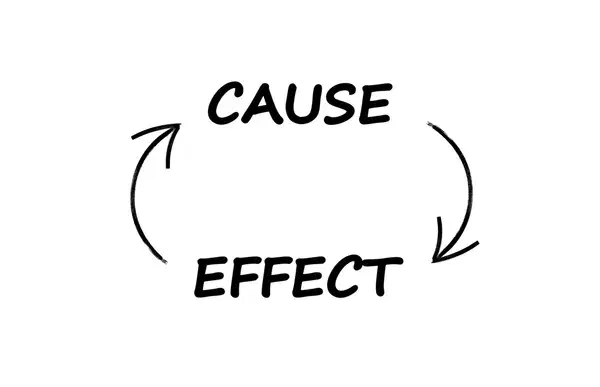
True or False - Correlational studies establish a cause-and-effect relationship.
True
False
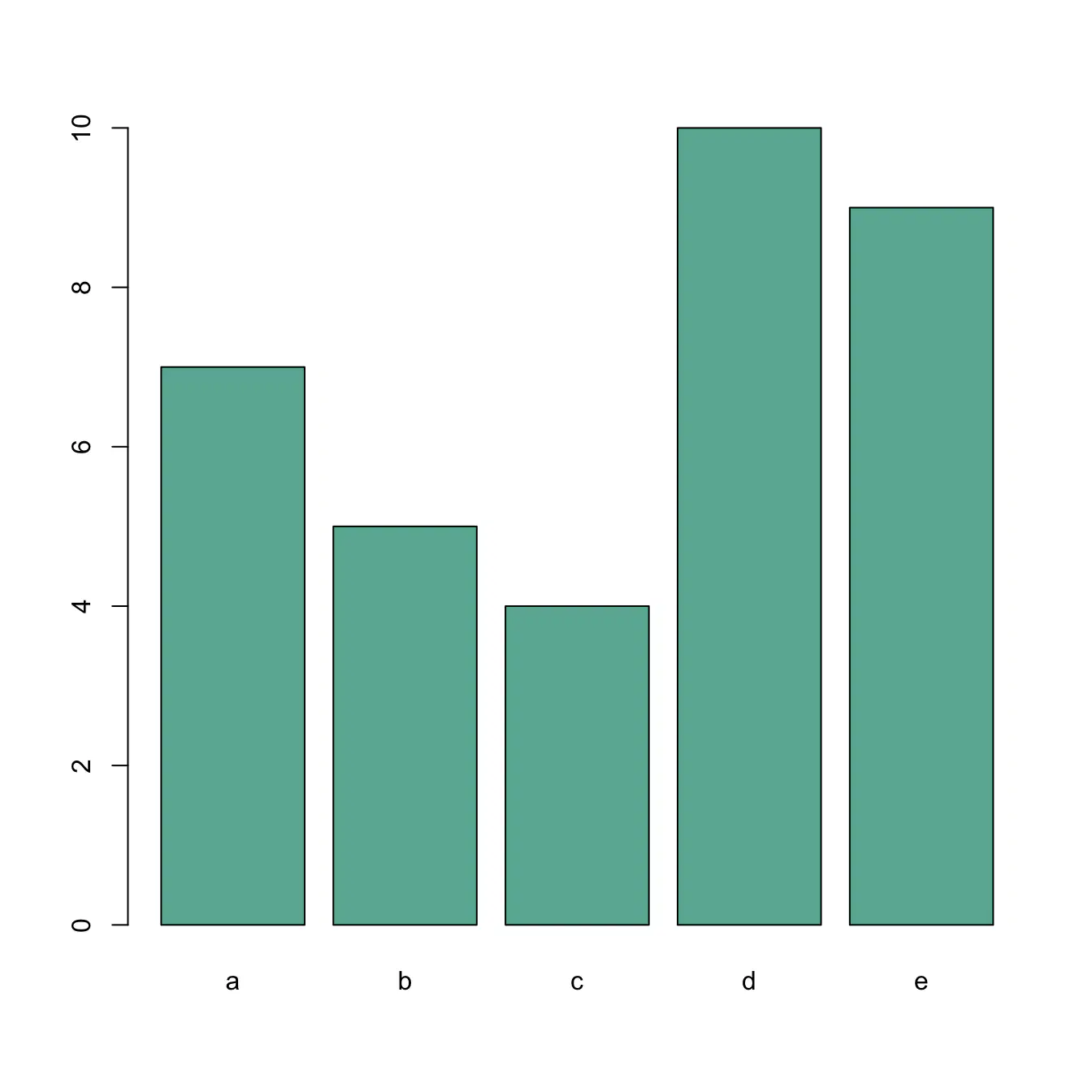
What graphing conventions are missing from this graph.
Select all answer that apply.
Axis labels
Data values
Legend
Title
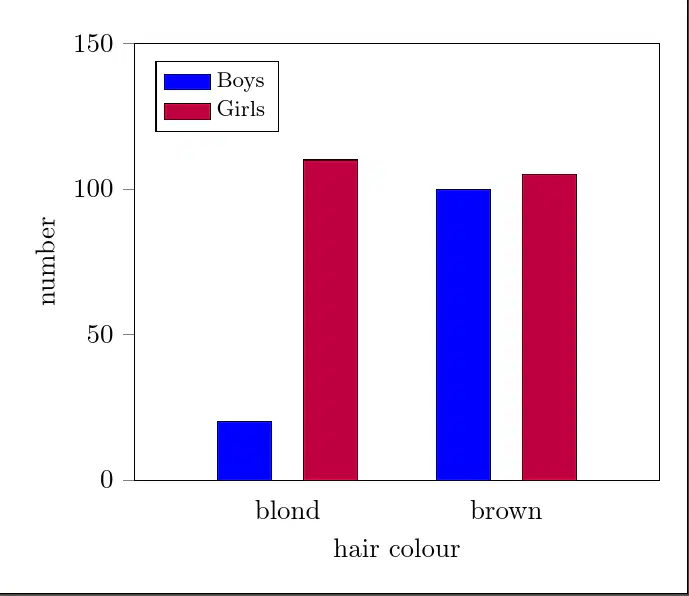
What is the Y-axis of this graph displaying?
hair colour
boys vs girls
number of
boys or girls
blonde or brown hair colour
8 hours sleep
10 apples
5 kilometre run
3 litres of water
20 minutes meditation
100 dollars saved
15 pages read
2 cups of coffee
Deep sleep
Feeling stressed
Low mood
High anxiety level
Peaceful music
Thought-provoking artwork
Emotional poem
Memorable experience
The aim of an experiment is
the purpose or objective
changed by the experimenter
measured by the experimenter
kept constant by the experimenter
The hypothesis of an experiment is
the purpose or objective
a possible outcome of the experiment
measured by the experimenter
is always supported
primary data is
non-numerical data collected during an experiment
data which provides a numerical value collected during an experiment
collected first hand by the experimenter
collected by other sources
Accuracy is
the difference between true value and measured value
how close measured values are to the true value
how close measured values are to each other
the level of doubt around the data measured
Errors are
the difference between true value and measured value
how close measured values are to the true value
how close measured values are to each other
the level of doubt around the data measured
Precision is
the difference between true value and measured value
how close measured values are to the true value
how close measured values are to each other
the level of doubt around the data measured
Systematic error is
the difference between the average of a large set of measurements and the true value
a result of a mistake or misinterpretation of method or reading by the experimenter
error in measurement that differs in proportion each time. Usually a 'One off' error.
error in measurement by the same proportion and direction each time. A constant bias in the measurements.
Random error is
the difference between the average of a large set of measurements and the true value
a result of a mistake or misinterpretation of method or reading by the experimenter
error in measurement that differs in proportion each time. Usually a 'One off' error.
error in measurement by the same proportion and direction each time. A constant bias in the measurements.
Personal error is
the difference between the average of a large set of measurements and the true value
a result of a mistake or misinterpretation of method or reading by the experimenter
error in measurement that differs in proportion each time. Usually a 'One off' error.
error in measurement by the same proportion and direction each time. A constant bias in the measurements.
Validity is
the difference between the average of a large set of measurements and the true value
a result of a mistake or misinterpretation of method or reading by the experimenter
whether or not an experiment is testing the aim and hypothesis of the experiment
error in measurement by the same proportion and direction each time. A constant bias in the measurements.
Reproducibility is
refers to the closeness of of agreement between independent results obtained by the same operator, same apparatus or laboratory
refers to the closeness of of agreement between independent results obtained by different operators, different apparatus or laboratory
refers to the closeness of of agreement between independent results obtained by the same operator, different apparatus or laboratory
refers to the closeness of of agreement between independent results obtained by different operators, same apparatus or laboratory
Repeatability is
refers to the closeness of of agreement between independent results obtained by the same operator, same apparatus or laboratory
refers to the closeness of of agreement between independent results obtained by different operators, different apparatus or laboratory
refers to the closeness of of agreement between independent results obtained by the same operator, different apparatus or laboratory
refers to the closeness of of agreement between independent results obtained by different operators, same apparatus or laboratory
An outlier is
a result of bias
a random error
should be ignored
a reading that may lie a long way from others
Match the term to its definition
the use of ethical theories in guiding decision-making
applied ethics
the study of ethical questions relating to biology and medicine
bioethics
the practice of reflecting on how we think and make decisions
metathinking
a working system of knowledge that helps us evaluate our actions, values, and beliefs
ethics
Match the term to its definition
the use of ethical theories in guiding decision-making
applied ethics
the study of ethical questions relating to biology and medicine
bioethics
the practice of reflecting on how we think and make decisions
metathinking
a working system of knowledge that helps us evaluate our actions, values, and beliefs
ethics
Which of the following most accurately describes the role of ethics in biology?
Working in science involves making decisions that may impact a range of people. Ethics serves as a way of evaluating and exercising sound judgement
Working in science involves justifying your ideas and thoughts. Ethics is a means of evaluating these ideas in terms of their likely accuracy and validity
Match
‘We should release the vaccine at a reduced price for people in low socioeconomic areas, as this is the kindest and most charitable thing to do.’
virtues based
‘We should skip the final round of trials and release the vaccine to the public now. That way more people can be cured quickly and we can minimise the rate of infection.’
consequences based
‘We should make sure the vaccine goes through all rounds of trials before releasing it to the public. Regardless of the rate of infection, it is our responsibility to ensure that the vaccine is safe.’
duty/rule based
Assume someone is in danger and in need of help. Which of the following responses best distinguishes a virtues-based approach from a duty/rule-based approach?
A duty/rule-based approach suggests that to help the person is your responsibility, whereas a virtues-based approach argues that to help them is to act with kindness and benevolence.
A duty/rule-based approach suggests that to help the person is your responsibility, whereas a virtues-based approach argues that to help them is to save their life and maximise well-being.
Match the bioethical concept to its description
scientists should act with honesty and in the interest of progressing scientific knowledge
integrity
scientists should consider the fair application of and access to their research, including the positions of marginalised groups
justice
scientists should act in the best interest of others, and aim to promote benefits to all who are involved in or impacted by their research
beneficence
scientists should consider the intrinsic value of others as living beings, and give due consideration to their personal beliefs and values
respect
scientists should ensure that they are removing as much harm as possible, and only risking harm to others if it is absolutely necessary
non-maleficence
Match the key terms to the bioethics approach
outcomes, benefits, effects
consequences based
obligation, responsibility, commitment
duty/rule based
good, honest, caring
virtues based
An argument against bringing the wooly mammoth back is “ Don’t bring them back because it can disrupt ecosystems.” This explores the ethical concept of
Integrity
Beneficence
Non-maleficence
Respect
Humans should leave the mammoths dead because we would be “playing God”. This uses which approach
Consequence based
Religion based
Virtues based
Duty based
If there is a private investor involved in a project, this could questions which ethical concept
Respect
Virtues based
Integrity
Non-maleficence
Stem cell research offers significant opportunities for the treatment of degenerative diseases; there are, however, several ethical issues that arise from this, including the argument that this could lead to discrimination against those who cannot afford the treatment. Stem cell treatment that results in discrimination is best described as a(n)
social issue
biological issue
environmental issue
legal issue
Human impacts on the environment have, unfortunately, resulted in species extinctions and lower biodiversity. There are several justifications for preserving species, including the belief that species should be conserved for their own sake, regardless of their usefulness or impact on humans. Which type of value best fits this description?
ecological value
intrinsic value
economic value
instrumental value

